Walking Holidays in the Italian Dolomites
Grade
All Abilities
Price
from £1050
Enquire Book Now
15 June 2024
–
21 September 2024
Our classic Collett’s Mountain Holidays experience, showcasing the best of the Alta Badia
Country
Italy
Grade
All Abilities
Duration
Flexible
Style
Self-Guided
Type
Centre-Based
Price
from £1050
Honed over 25 years, an alpine walking holiday of inspirational adventure or idyllic calm for you to do at your own pace
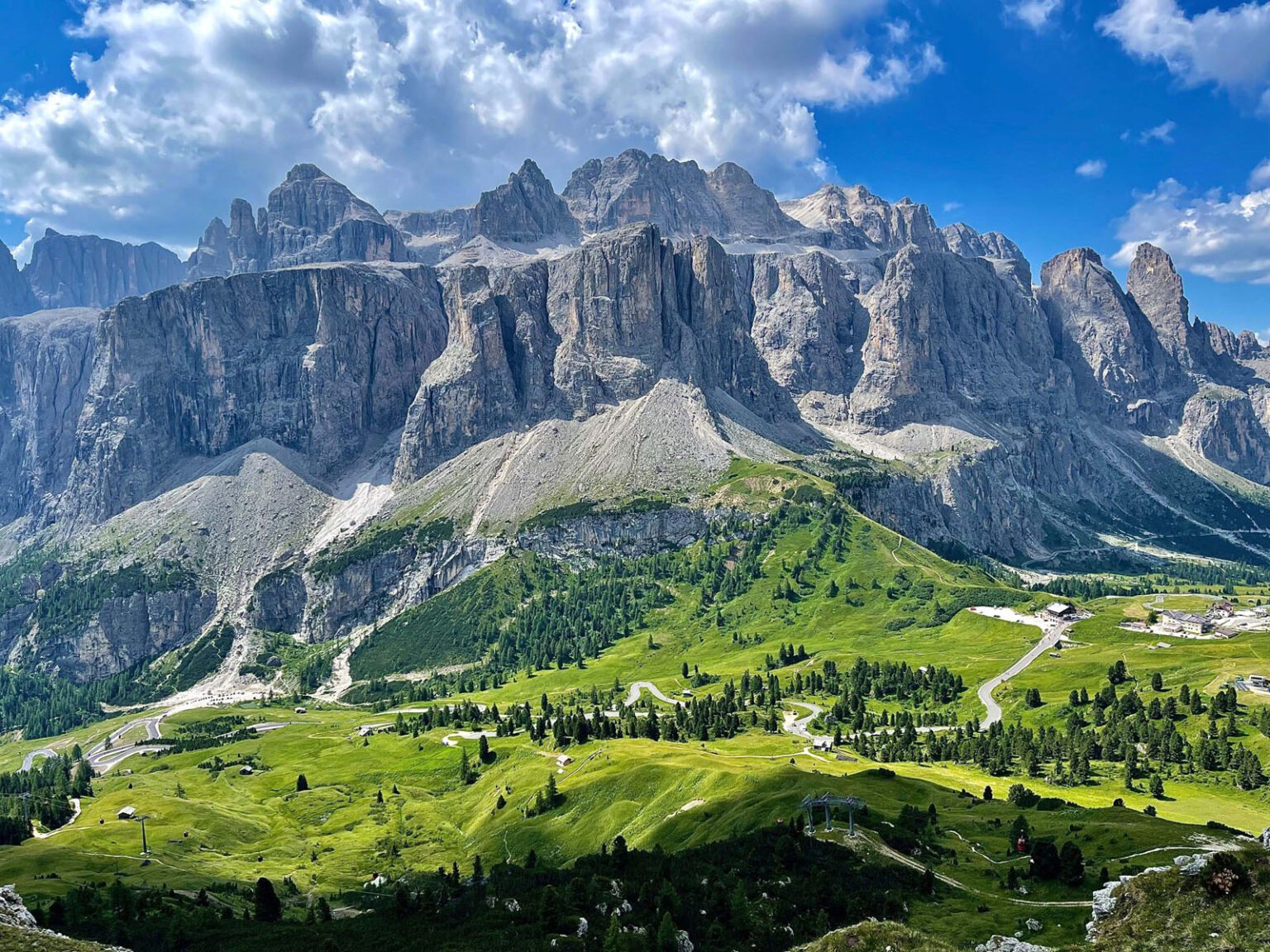
The Collett’s ‘classic’ walking holiday is an unbeatable way to discover the real Dolomites. Here in the Alta Badia, our favourite valley in the South Tyrol, you’ll experience the majesty of the world’s most beautiful mountains and the sheer alpine charm they tower over, on a succession of walks that will take your breath away.
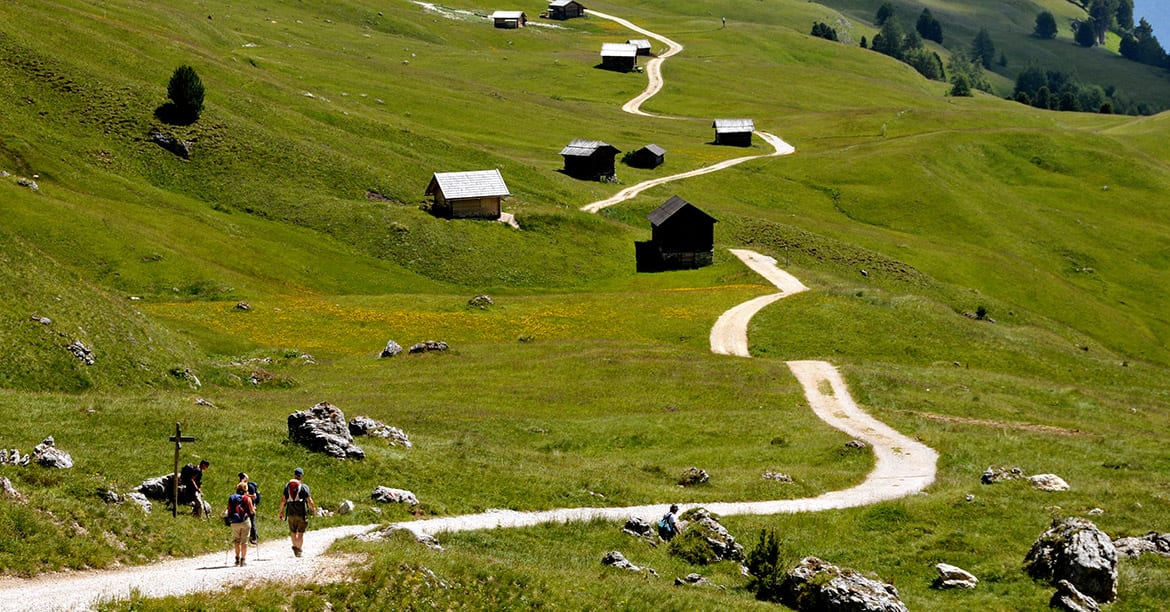
We have everything you need for a once-in-a-lifetime mountain holiday, from idyllic strolls to challenging high treks. Choose a carefully crafted Walk Pack of tried and tested gems to suit your experience and fitness level. Your pack awaits you on arrival, along with a warm welcome from our Walks Team, whose knowledge and support are available to you daily. Then at the end of each day, this is a truly magical place to relax, unwind and recharge your batteries.
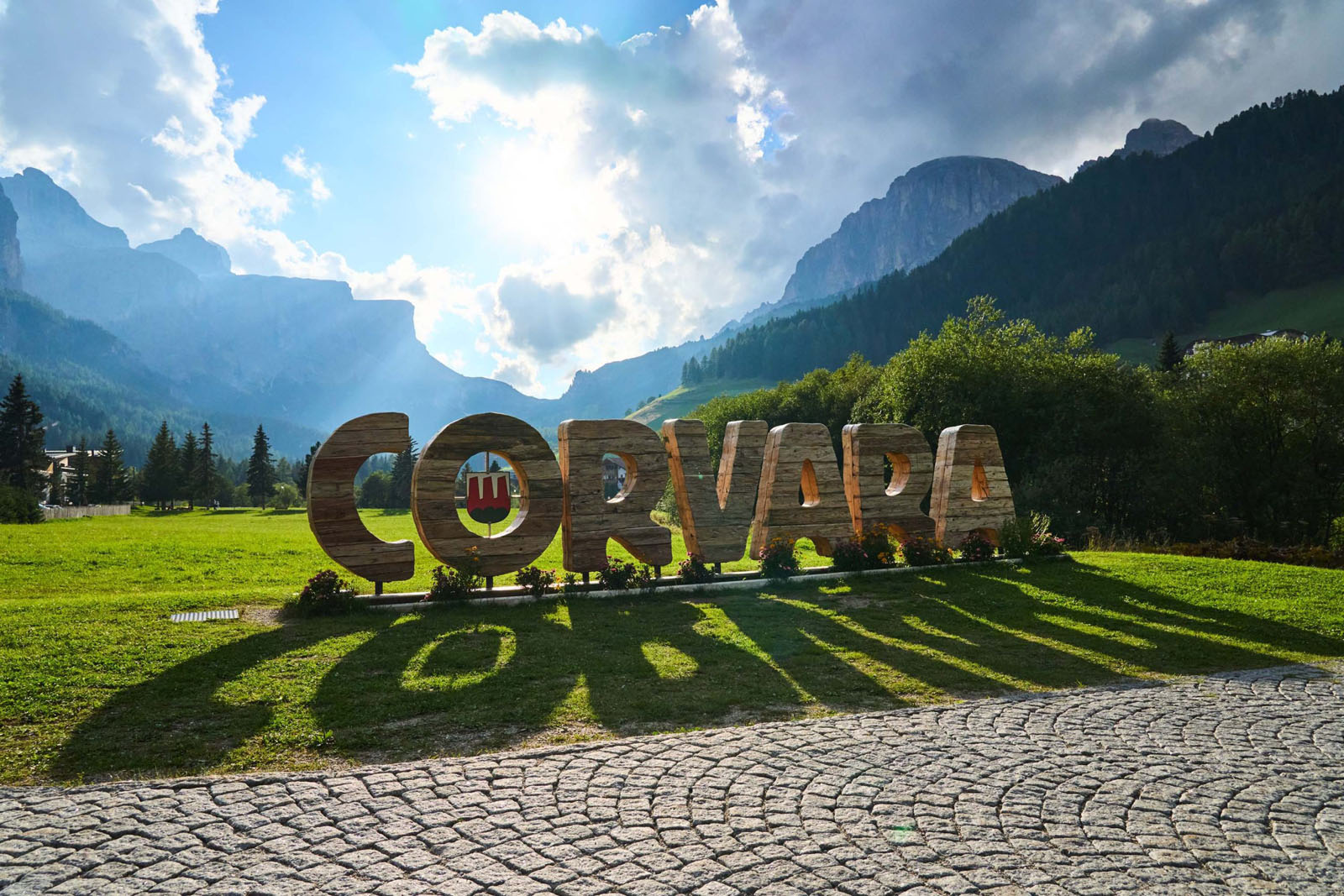
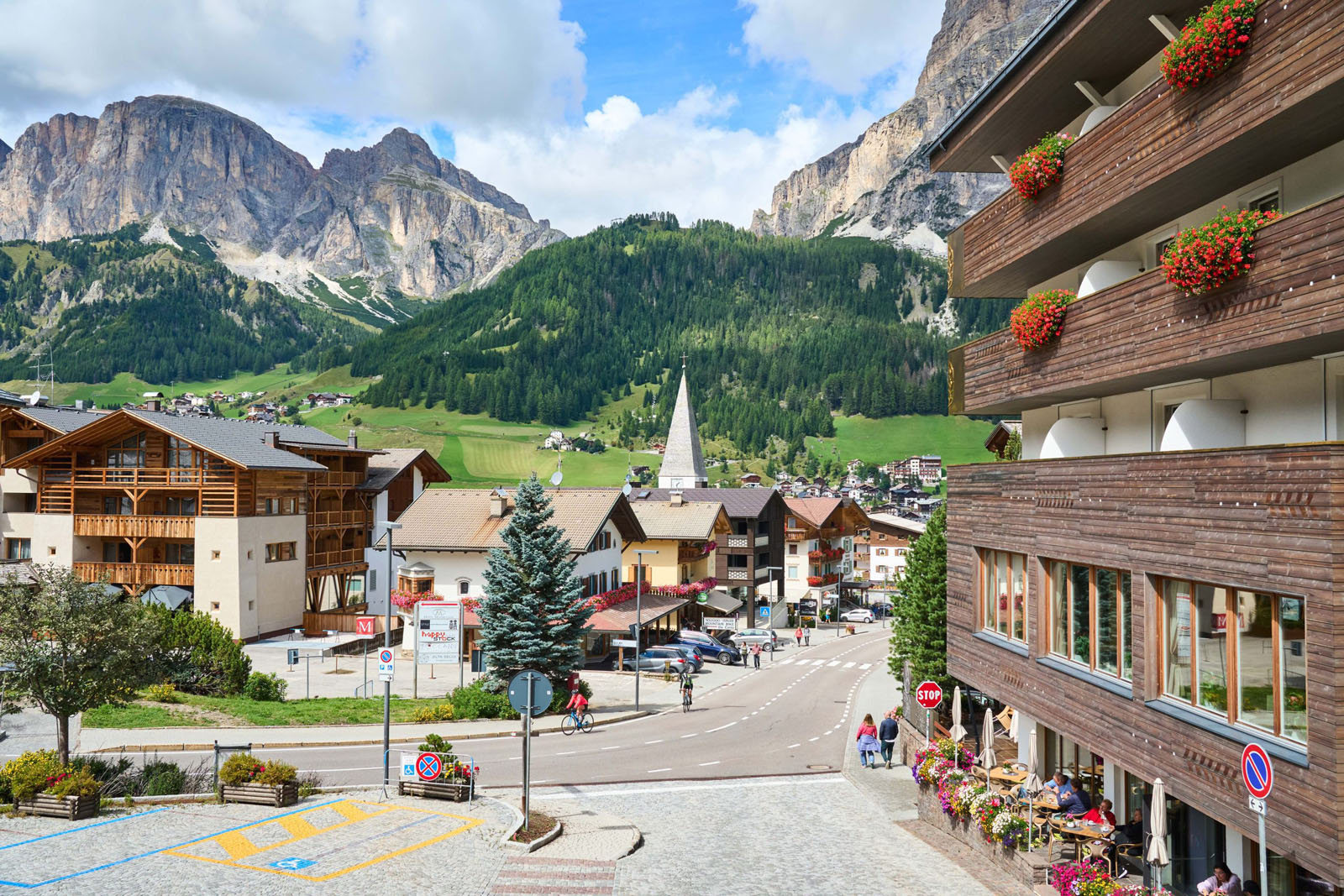
This is also a destination of fabulous accommodation options and thriving cuisine. Choose somewhere special to stay, from luxury hotels to attractive self-catering apartments, all in Corvara, our stunning village base with its unrivalled location for hikers and alpine enthusiasts.
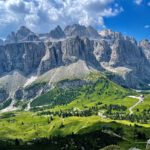
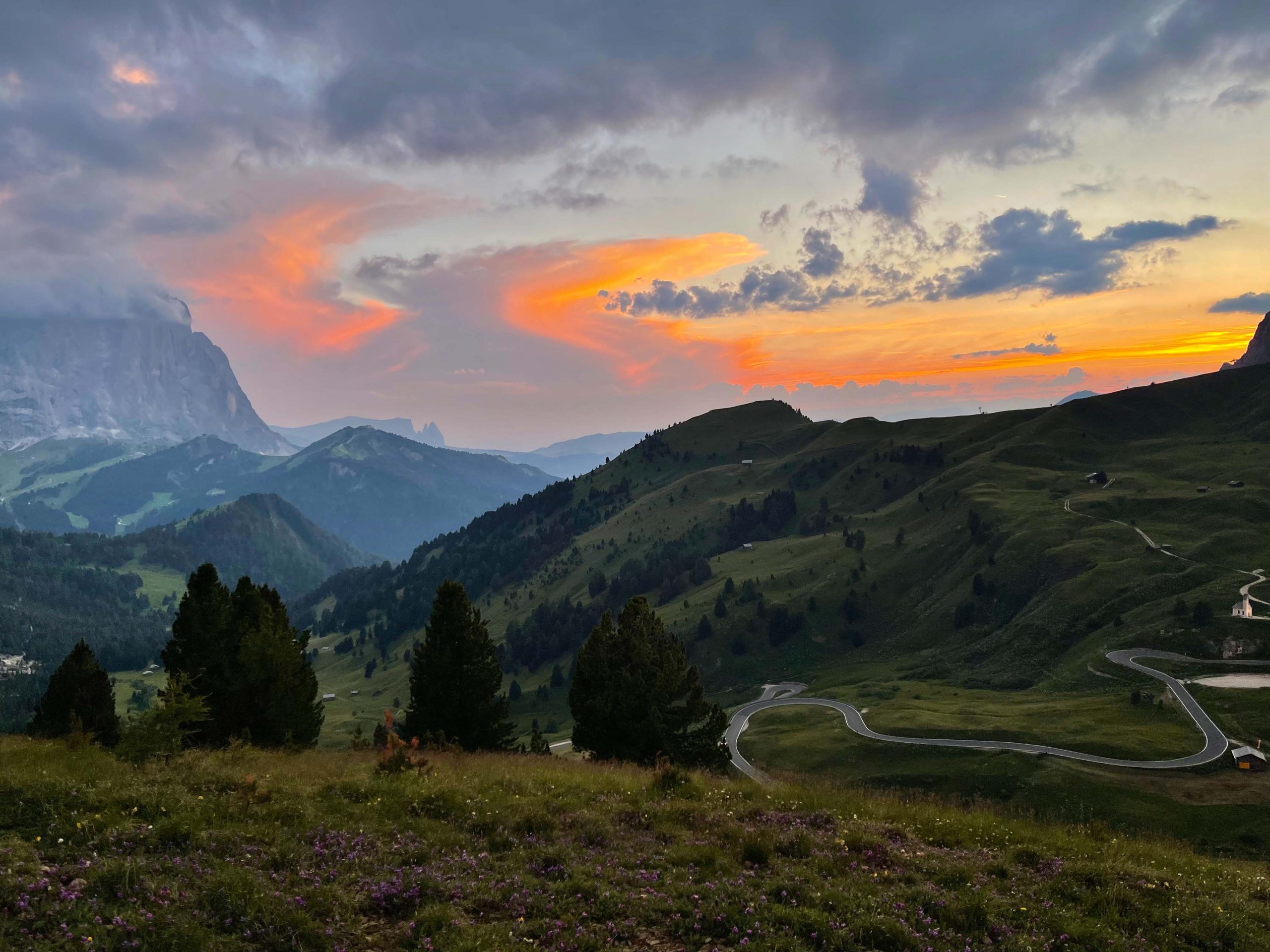
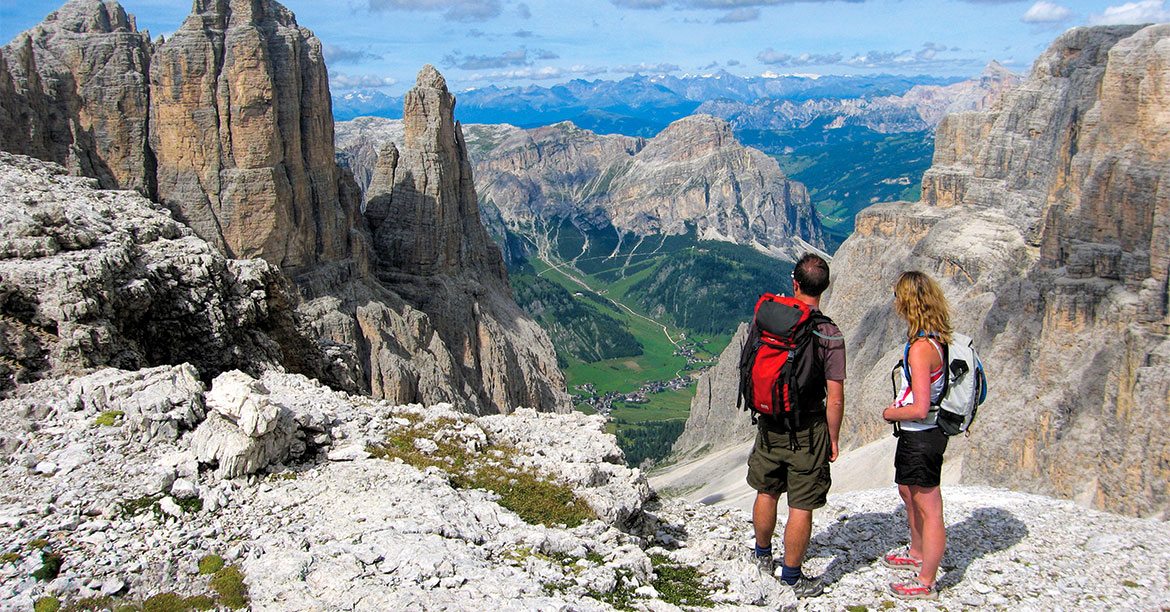
However you imagine your perfect walking adventure, this UNESCO World Heritage destination will deliver it. The Italian Dolomites has something for everyone: startling peaks, exquisite alpine valleys, meadows brimming with wildflowers and picturesque vibrant villages. With a rich history and fascinating culture, this is a walking holiday in Italy’s crown jewels, an experience of infinite variety and sensational panoramic vistas, which Collett’s has been immersed in for more than 25 years.
Gallery
At a glance
Dates
15 June to 21 September 2024
(Arrive & depart any day)
Price
Half Board – from £1050
Self Catering – from £695
See the Accommodation section below for more details.
Grade
All grades – from easy and idyllic to high and dramatic.
Choose from three different Walk Packs – Easier & Idyllic, Moderate Classics or Challenging Trails – depending on your level of fitness and experience.
Whichever you choose, daily access to our local Walks Team, who can provide additional routes on request, will ensure you get the absolute best out of the area.
What’s Included
Handpicked Hotels – choose between delightful half-board, B&B or self-catering options.
Walk Pack – A Collett’s holiday is all about memorable walks! Your Walk Pack will include everything you need to self-guide – comprehensive route notes and maps for walks of your chosen grade, plus a selection of easier and/or harder options. You can then either focus exclusively on walks of your chosen grade – or you can mix it up – pushing yourself one day and taking it easy the next. The choice is yours! Rest assured – every walk is a tried and tested gem which you’re free to explore at your own pace.
The Collett’s Walk Team – Their extensive local knowledge is on hand to provide you with all you need to enjoy the mountains, especially if you have any questions about the routes in your Walk Pack.
Travel
This holiday is based in Corvara so we recommend flying into and out of Venice Marco Polo. If you arrive on a Saturday or Wednesday, you can book a Collett’s airport transfer. At a cost of £90 return, this transfer departs promptly at 3pm. Getting home, our transfers leave Corvara every Saturday and Wednesday early in the morning and your flight home must depart after 11am.
Example Flights:
Bristol
London Heathrow
London Gatwick
London Stanstead
Manchester
If you plan to arrive on any other day of the week, make your own way to Corvara either by fly/driving, self-driving or public transport. If you plan to hire a car, please click here for a competitive quote.
Alternatively, private transfers are available any day of the week (approx. £375 each way for up to 8 people).
Your Walk Pack
Our uniquely flexible formula allows you to choose a Walk Pack for whichever grade of walking you are most interested in.
For a typical 7 night stay, this will include 6 walks of your chosen grade, plus a selection of easier and harder options.
For longer stays our Walks Team will be on hand to supplement your chosen Walk Pack as you familiarise yourself with the terrain and area.
Easier and Idyllic Moderate Classics Challenging Trails
Day 1 - Arrive and Settle in
On arrival at your accommodation in Corvara, your Walk Pack will be waiting for you. Expect a warm welcome from the reception team at your hotel. Then relax and settle in, before joining us at Office Hour (optional) in the early evening to ensure your walking experience gets off to a good start the following day.
Day 2 - The Val Badia Way
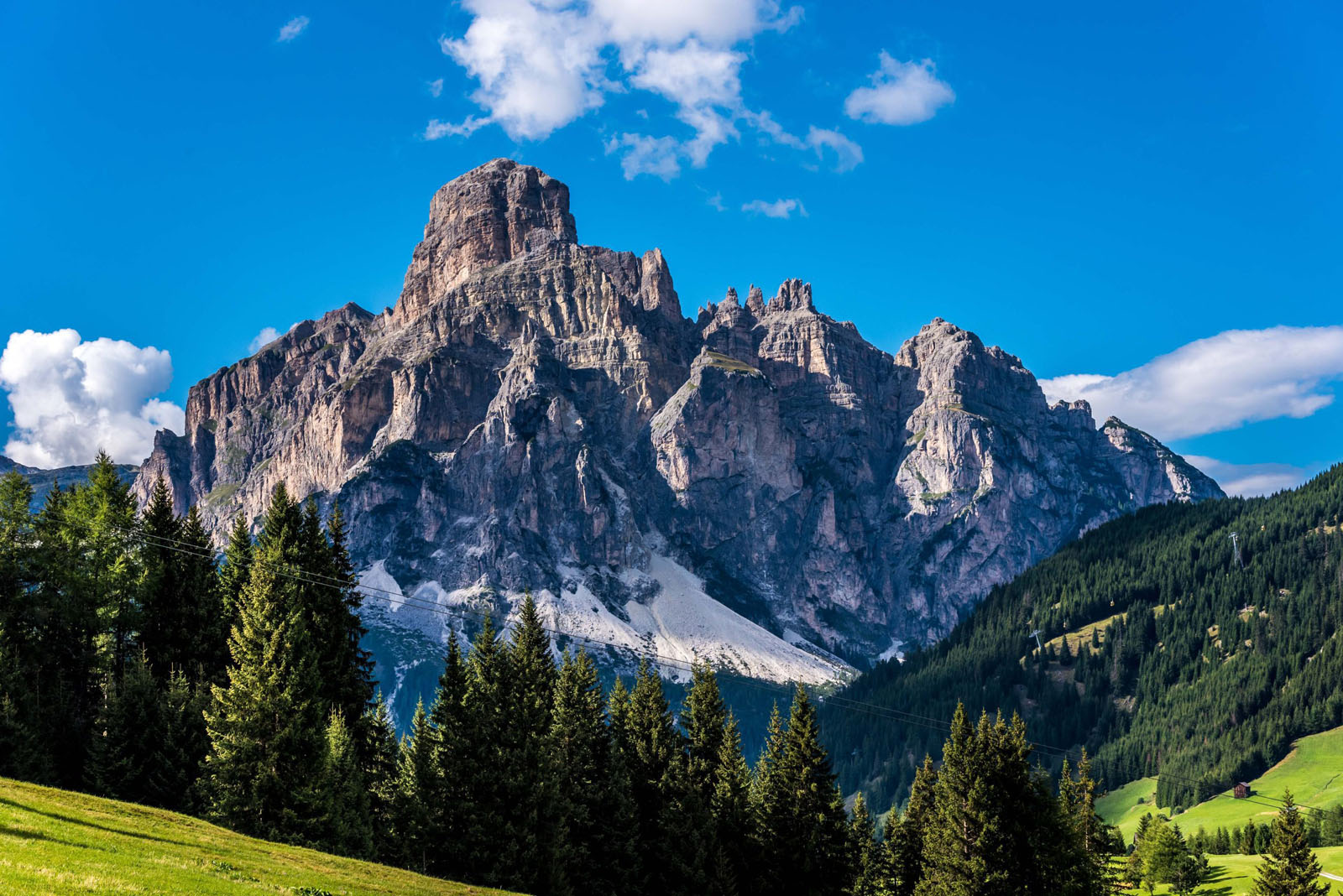
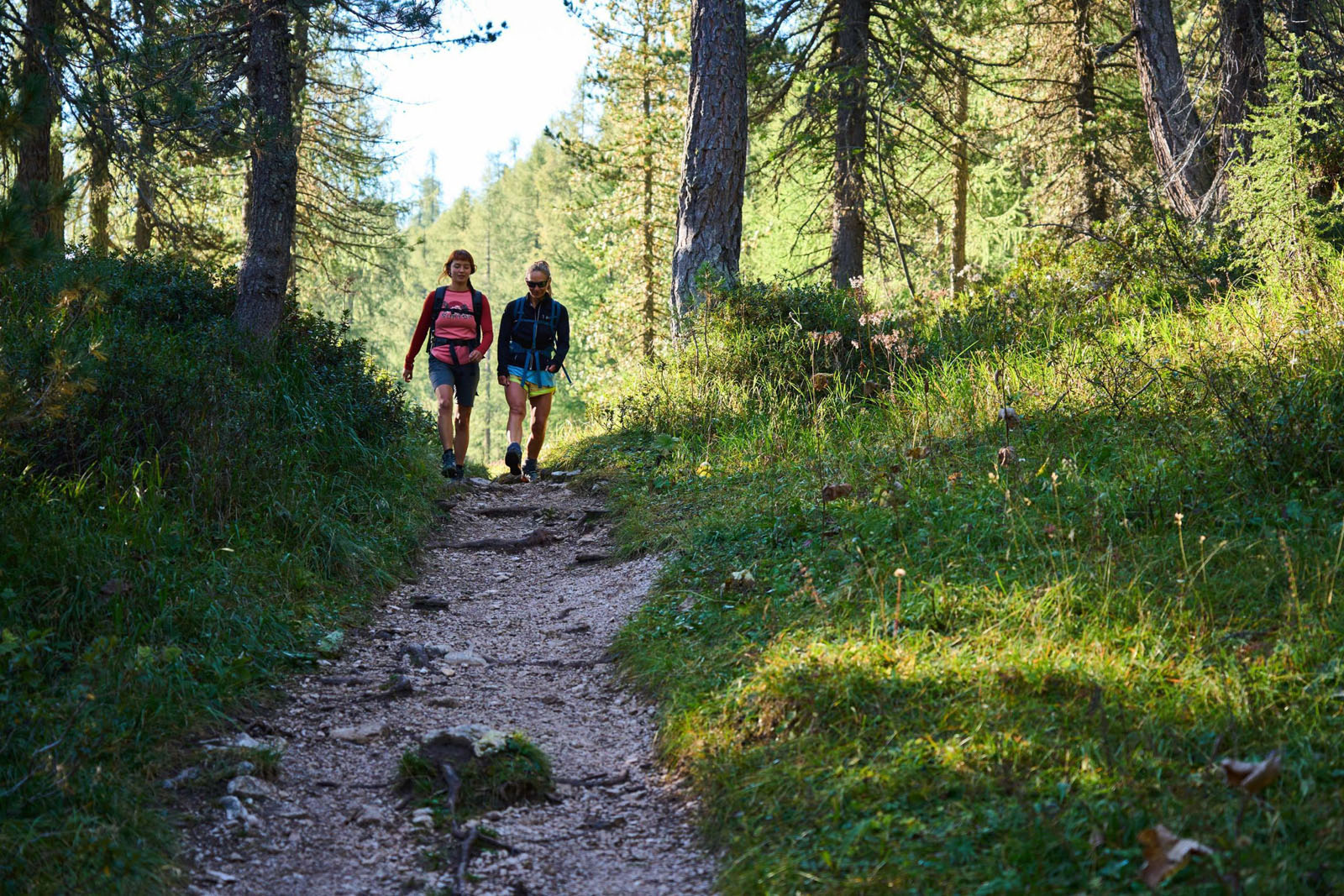
The Val Badia is one of the Alps’ most picturesque valleys. Just as the beauty of the landscapes reach their climax, the valley ends at its principal village (Corvara) or, geographically, at the colossal walls of the Sella massif. Both walks today should serve as an ideal introduction to the Alta Badia and they are also the perfect warm-up for a week in the great outdoors.
Shorter Option
La Villa to Corvara, 4kms, 3hrs. Walking, Ascent – 60m, Descent – 100m
A short and delightful stroll along the riverside track between La Villa and Corvara
Longer Option
Badia to Corvara, 7.5 kms, 3hrs. Walking, Ascent – 225m, Descent – 10m
This is a longer version of the above option. Instead of disembarking the valley bus at La Villa to start your route, you get off at the next village, Badia. This gives you a longer scenic walk back to Corvara on the gentle terrain of the riverside track, from which you can gaze up at the Alta Badia’s signature peaks and the extensive upland flower pastures dotted with Tirolean hamlets.
Day 3 - The Piscadu Waterfalls & Colfosco
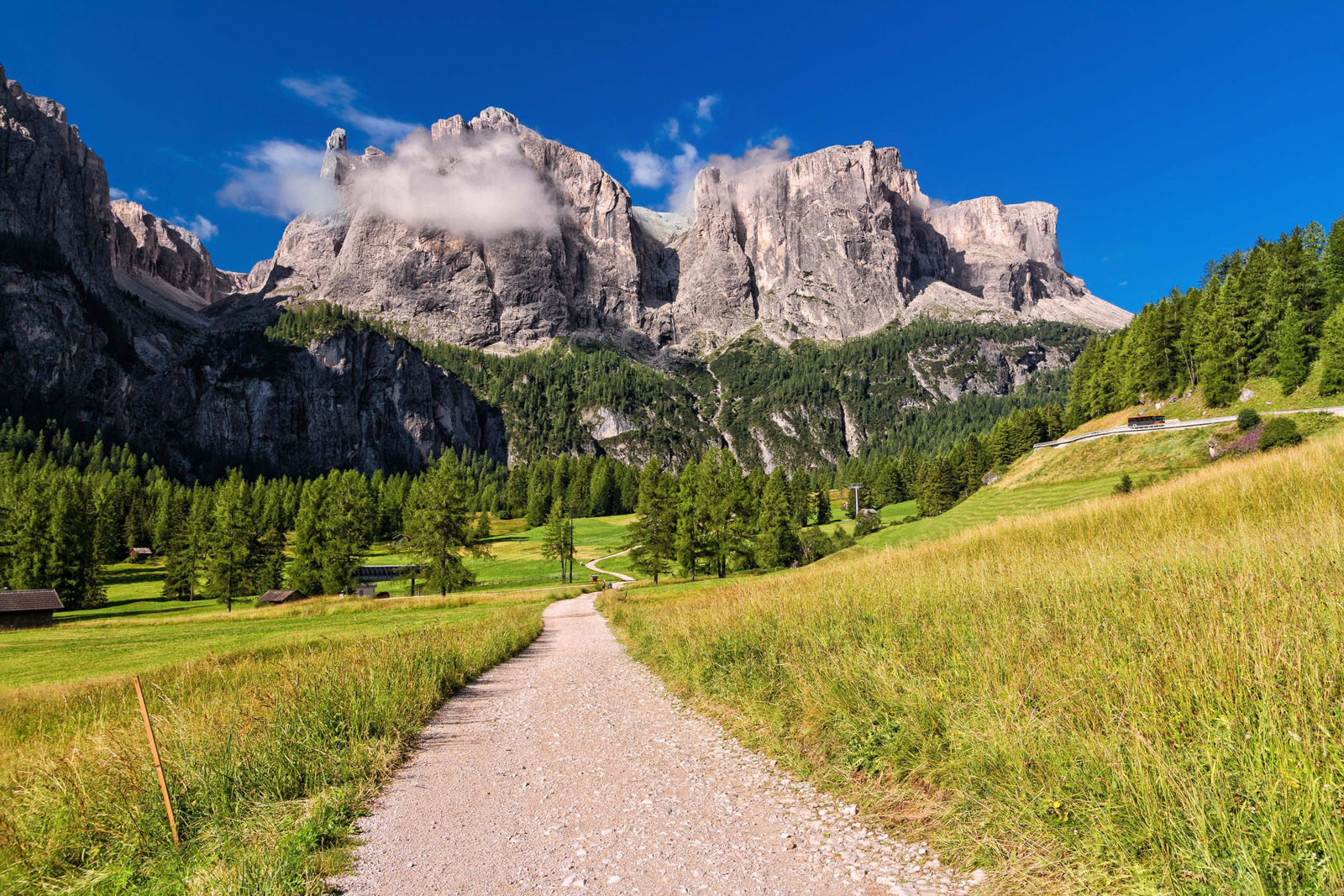
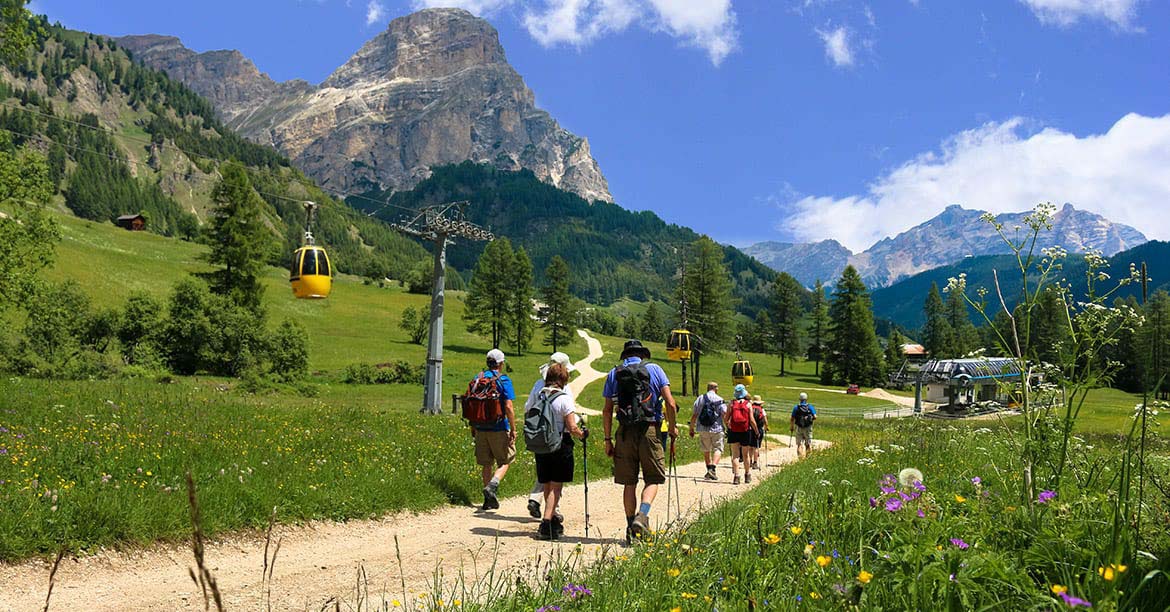
Corvara and its picturesque neighbour, Colfosco, are linked by gorgeous flower meadows that stretch towards the Gardena Pass under the phenomenal walls of the Sella massif, which offer today’s highlights. Cascading down off the vertical walls are the Pisciadu Waterfalls. Their noise and white water contrast dramatically with the peace and tranquillity of the flower-rich landscapes that are another enchanting feature of today’s proposed itineraries.
Shorter Option
Pisciadu Waterfalls 3-4kms, 1–2hrs. Walking, Ascent/Descent 115m
For the easy stroller, our Walk Pack outlines an idyllic ‘out and back’ meander from Colfosco across the pastures to the waterfalls.
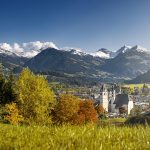
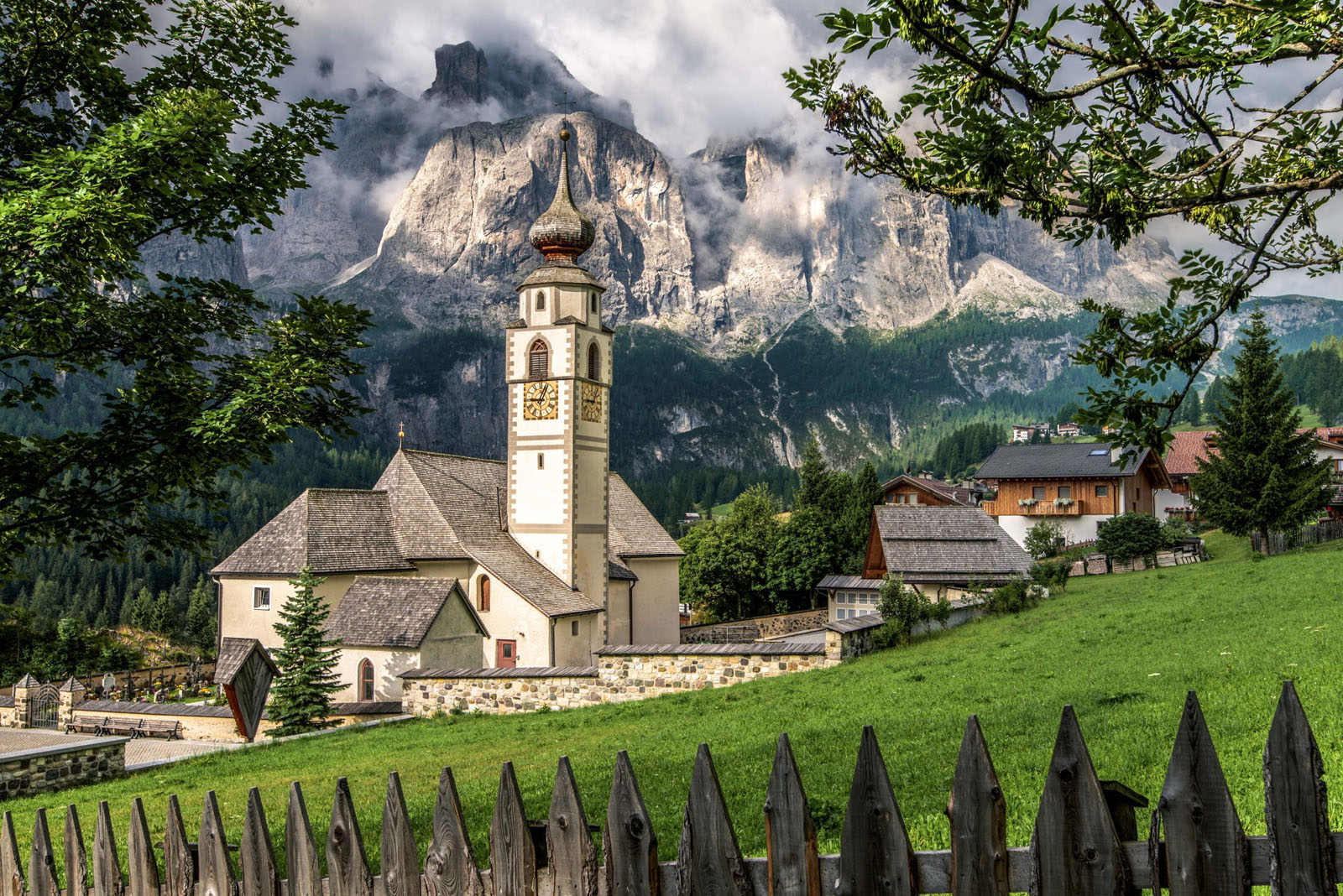
Longer OptionPisciadu Waterfalls 8.5kms, 3–4hrs. Walking, Ascent/Descent 250mThis circular walk from Corvara is a day of exquisite flower pastures, staggering rockfaces, crashing waterfalls and the iconic onion-domed church of pretty Colfosco – alpine splendour epitomised. At one point, if you crane your neck enough, you might pick out the rope bridge of the renowned Via Ferrata, Brigata Tridentina, that connects two very high pinnacles.
Day 4 - Falzarego, Lagazuoi & WWI
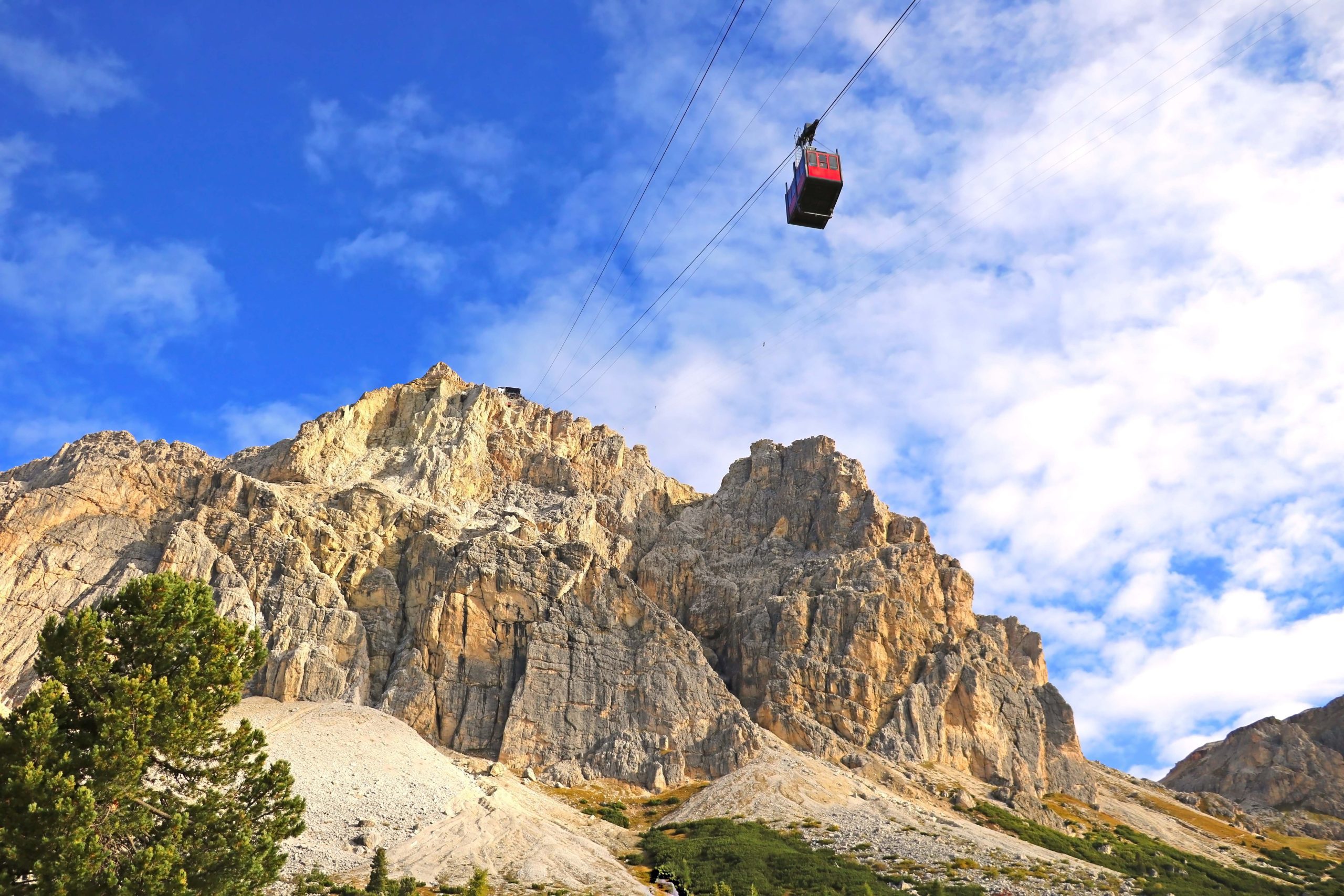
Further consolidating the wonder of the Dolomites, Lagazuoi is renowned as a key WWI site. A dramatic cable car ascent takes you to Rifugio Lagazuoi from the Falzarego Pass and words cannot describe what awaits you at the top. Expect close-ups of remarkable rock formations and the best 360 views in the Dolomites from the panoramic terraces of the top station and the nearby rifugio, one of the area’s most renowned. This is a key location for casual WWI historians and there’s a WWI museum nearby.
Shorter Option
WWI Museum & Rifugio Lagazuoi, 3km, 1 -2 hrs. Walking, Ascent 200m, Descent 150m
Whilst it’s an opportunity to lunch somewhere memorable, our Walk Pack outlines a short walk to the Lagazoui cable car via WW1 museum before another short walk at the top of the cable car to a crucifix on a dramatic outcrop. Accessed by local bus and supported by fascinating historic photographs and information boards, today is effectively spent in an open-air WWI museum, which hosted of one the most extraordinary alpine military conflicts ever.
Longer OptionFalzarego WW1 Circuit, 6kms, 3hrs. Walking, Ascent 230m, Descent 230mAn opportunity to do an easier walk at altitude. Steeped in WW1 history you will spend the day within a natural theatre of peaks and rocks passing the ruins of a military field hospital. At the end of your walk, you have the option of ascending the cable car at Lagazoui.
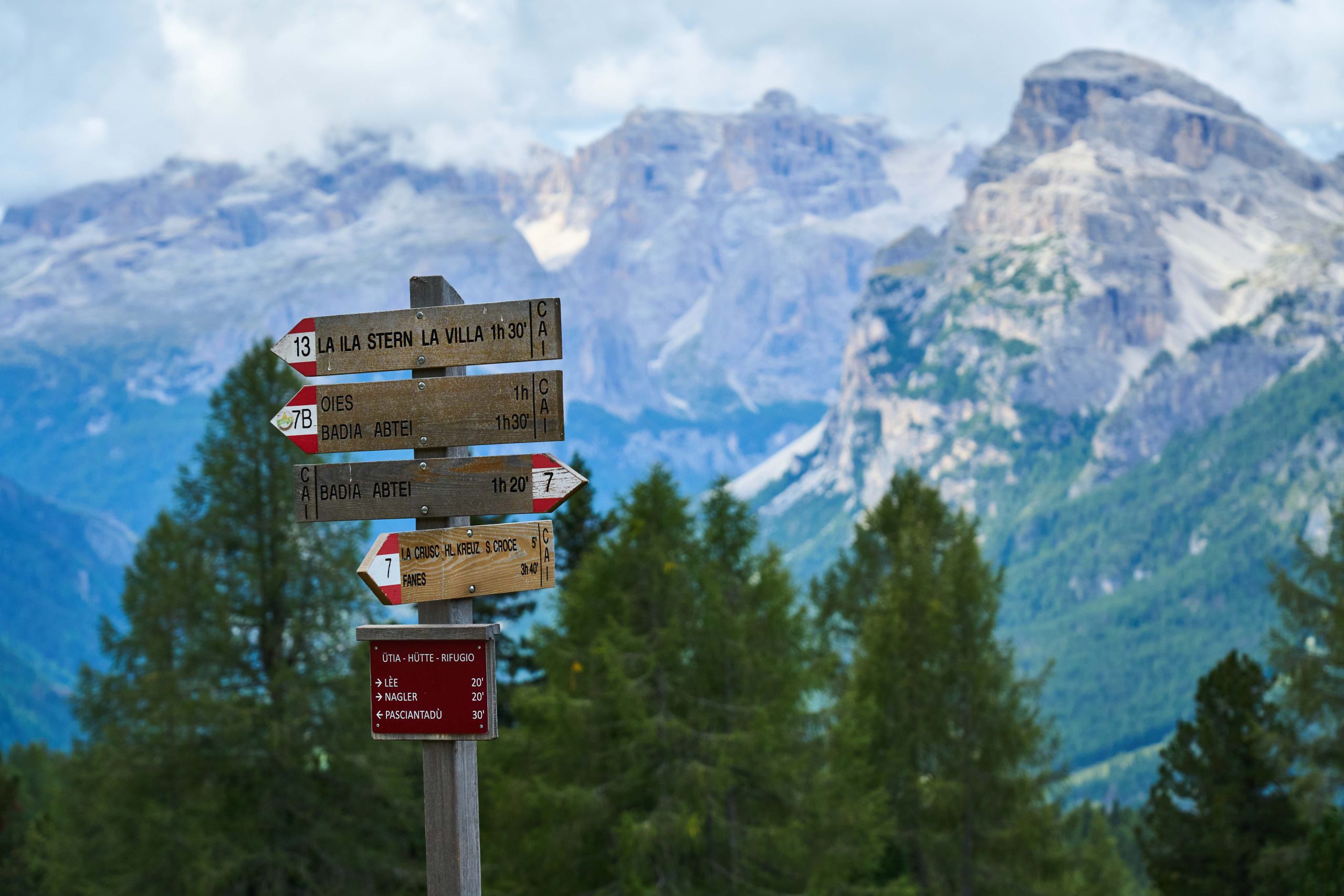
Day 5 - Lake to Lake
Today our 2 options are in different locations. Whilst our longer suggestion is a walk on picturesque woodland trails close to the valley bottom, our easy suggestion is a thrilling high level visit to a lunar landscape at 2500m loomed over by some of the most startling rock formations anywhere in the Dolomites.
Shorter OptionKostner HutThis itinerary is for good weather and will be like no other during your stay, a chance to get up close to the startling rock formations that make the Dolomites so unique. The Boe gondola and Vallon chairlift comprise your ascent to a magical lunar landscape at 2500m, the awe-inspiring flanks of the Sella massif looming ever-larger as you ascend. In your Walk Pack we propose an easy exploration of the extraordinary landscape, never venturing too far from the stone-clad Kostner Hut (rifugio), where you will inevitably enjoy refreshment or lunch in front of mindboggling vistas. You can also visit Lake Boe near the bottom of the chairlift, before returning to Corvara in the Boe gondola.
Longer Option
Lake to Lake (Badia to La Villa), 7.5kms, 3–4hrs. Walking, Ascent 387m, Descent 190mPeaceful woodland paths meander under the looming Puez-Odle massif. Beautiful forest scenery and optional refreshment at the idyllic Lake Sompunt. Option to walk back to Corvara along the river.
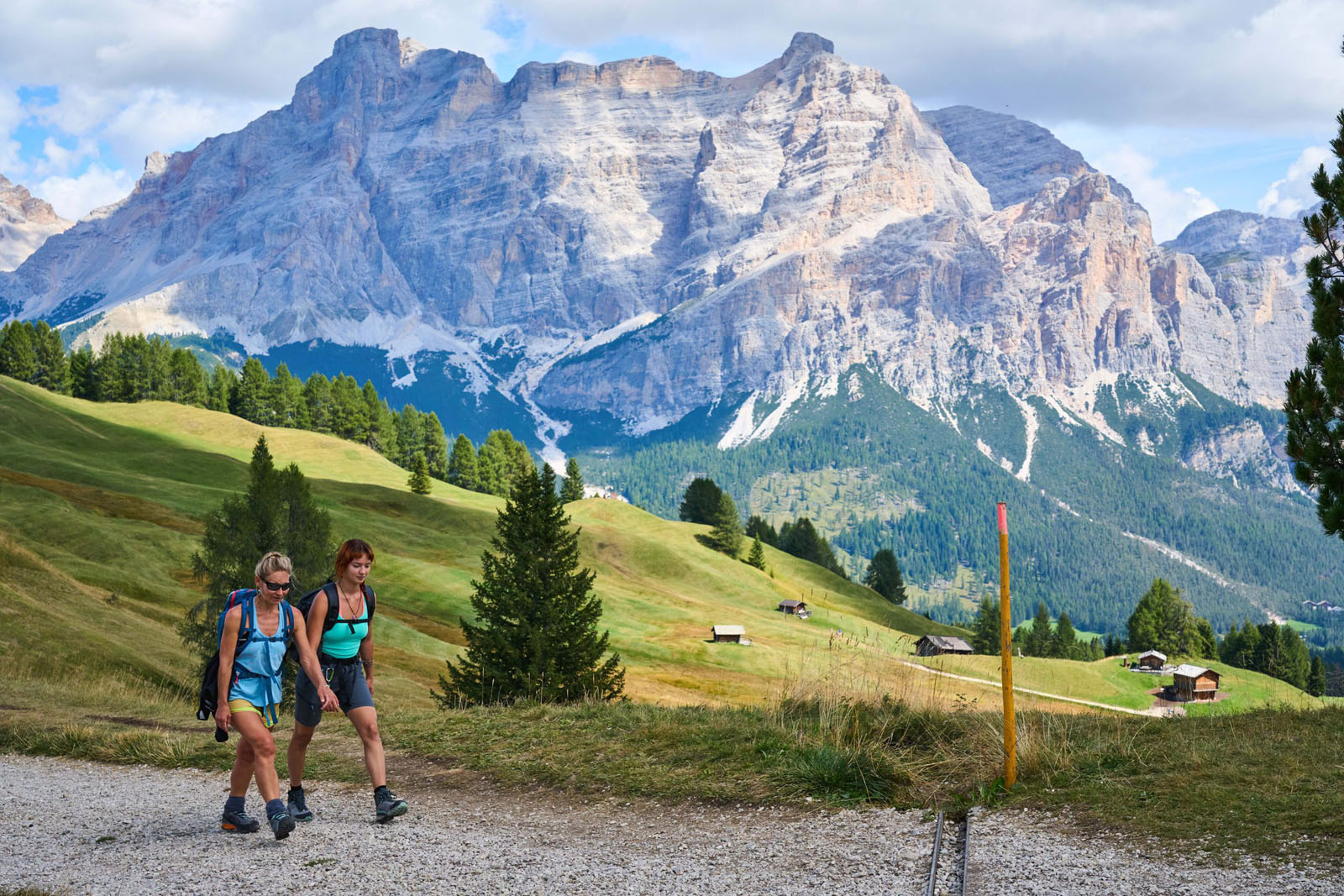
Day 6 - The Pralongia Plateau
Spend a heavenly half-day in Corvara’s own floral playground, which doubles up as a staggering 360 panoramic viewing platform for the 7 great Dolomite peaks that exceed 3000m. These glorious upland pastures are criss-crossed by walking trails and interspersed with welcoming mountain huts (rifugios), perfect for a mid-morning coffee or a lazy lunch on a sun-soaked terrace.
Shorter Option
Plateau Ramble, 4kms, 3hrs. Walking, Ascent 60m, Descent 100m
For a gentle stroll, your Walk Pack includes a short ramble, on which an inspirational day of exquisite landscapes unfolds at your own pace.
Longer OptionPlateau Explorer – 10kms, 4–5hrs Walking, Ascent 250m, Descent 650mAn undulating gem, rich in magnificent views (as described above), flanked by abundant flower meadows and interspersed with welcoming rifugios with panoramic sun terraces, good food and drink.
Day 7 - Santa Croce Chapel & Rifugio, Badia
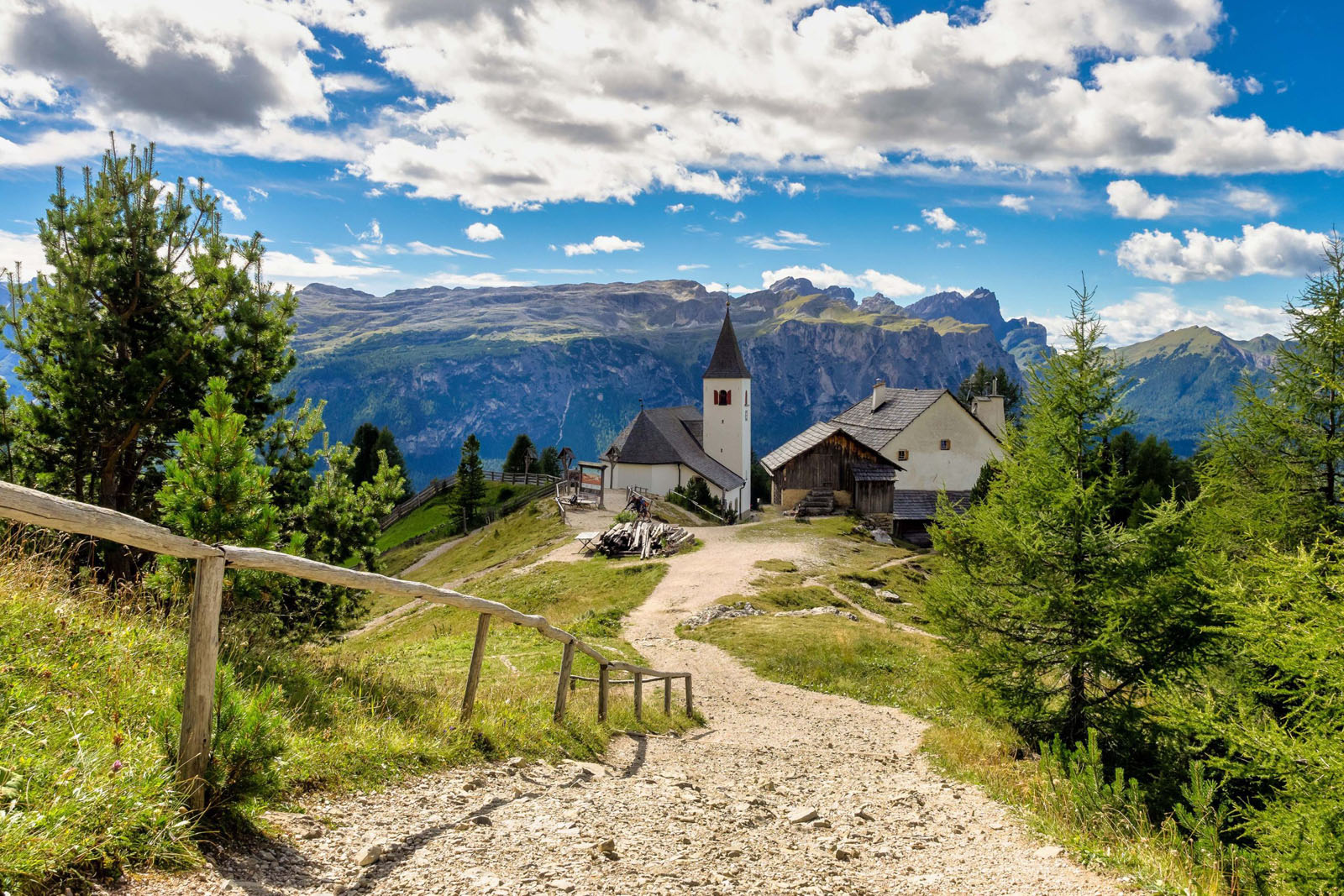
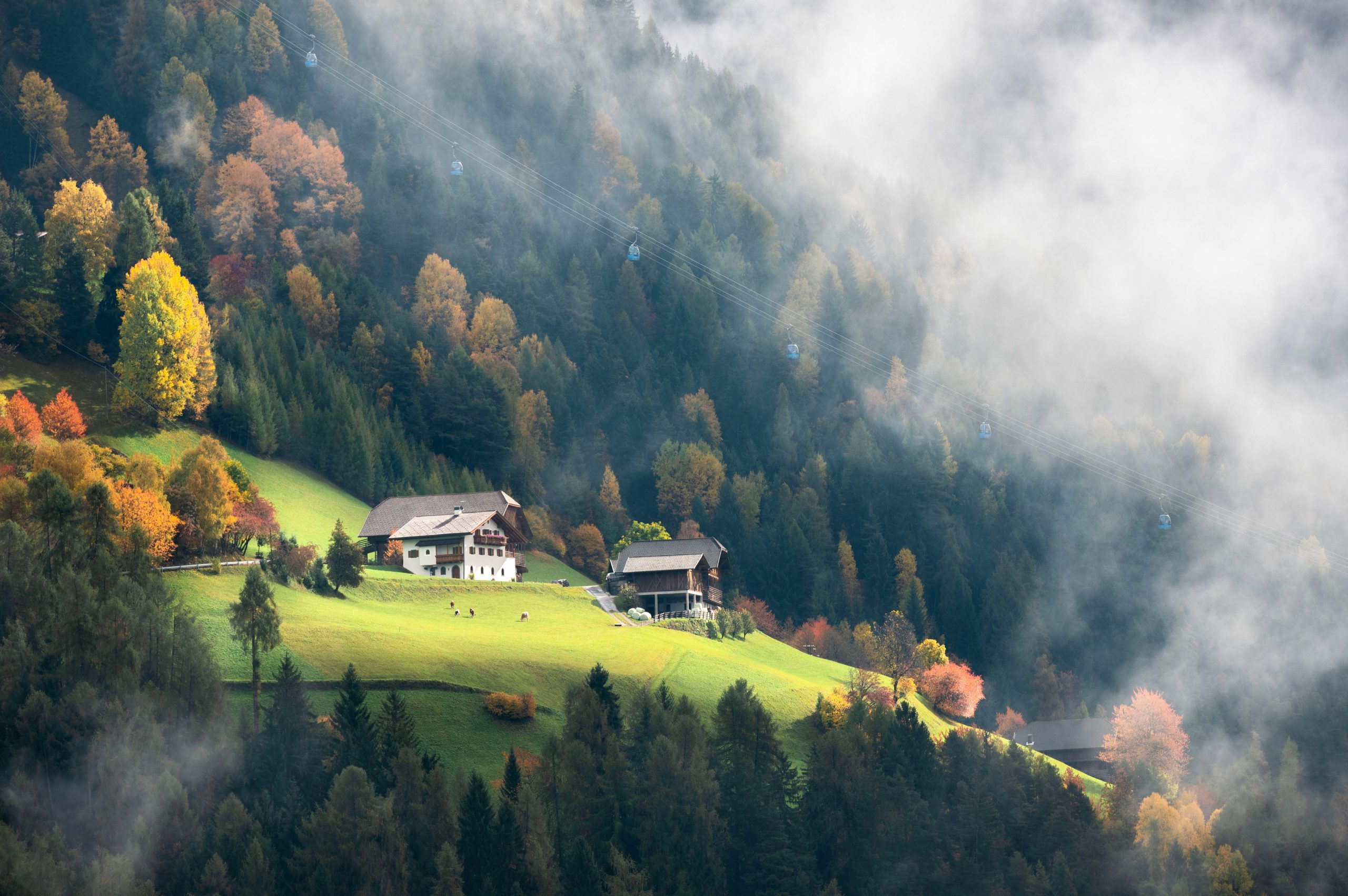
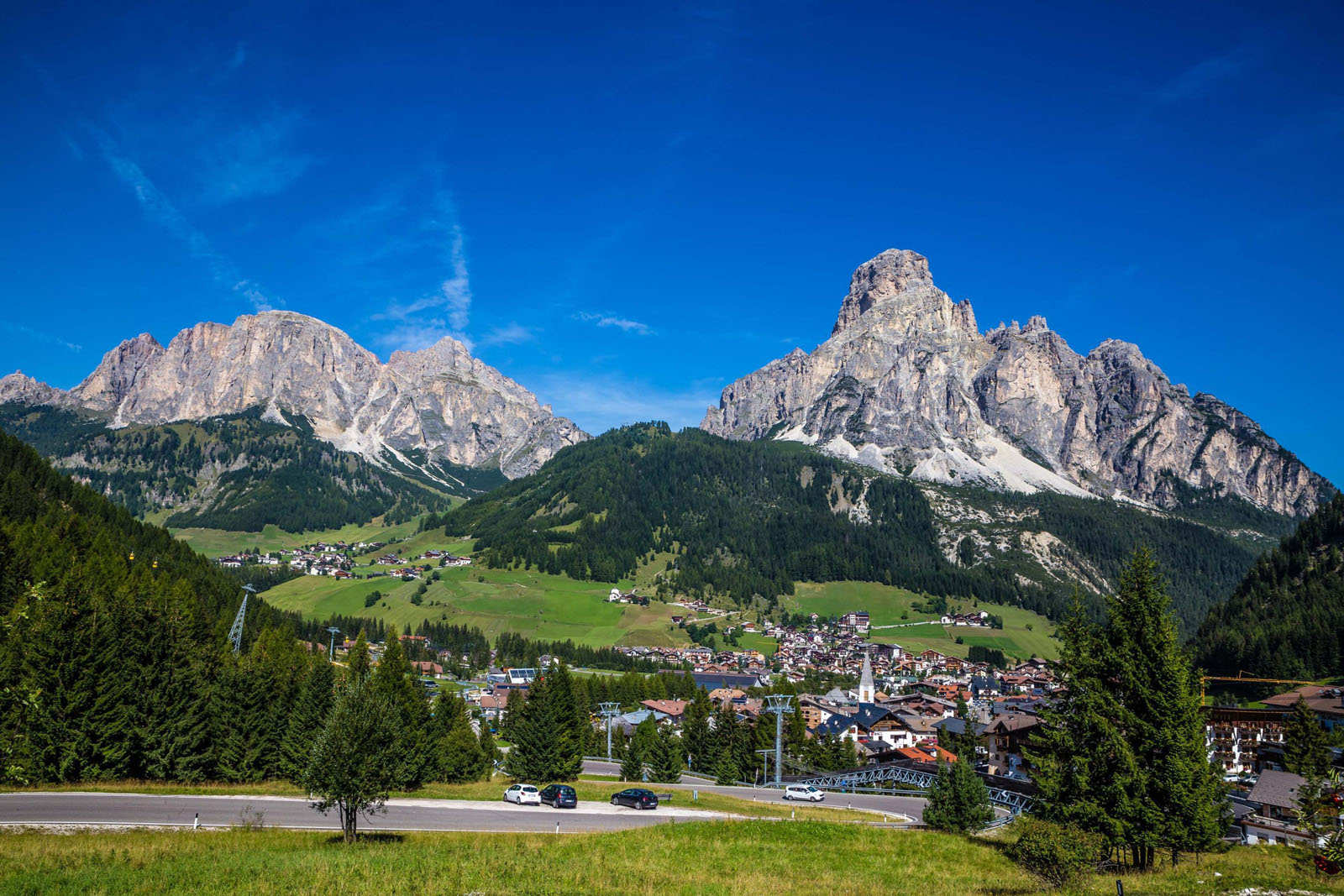
For sheer, heart-warming alpine exquisiteness, Santa Croce might be the magic moment of your holiday. From the minute the chairlift rises above the picture-postcard village of Badia ( a 15 minute bus ride from Corvara) you are transported to a remote paradise of traditional farmsteads, flower-strewn pastures, the gentle clanging of cattle bells and Santa Croce itself, a spectacularly-located mountain chapel built next to a traditional rifugio, where food, drink and warm hospitality prevail.
Shorter Option
Snow Cave Stroll, 5kms, 2 hrs. Walking, Ascent 175m, Descent 350m
Set against an inconceivable backdrop comprised of the monumental walls of the Fanes massif, this is a short walk through the high alpine meadows that brings you to a natural cave, which is formed by the snowmelt of the spring months.
Longer OptionThe Runch Hut Round, 9kms, 3–4hrs. Walking, Ascent 75m, Descent 735mThis is a glorious mountain walk that starts at the chapel and rifugio of Santa Croce and unfolds under the startling rockface of the Fanes massif. The Runch Hut stands in a glorious location and is perfect for lunch or refreshment on a day of abundant treasures: sensational views, prolific flower meadows, idyllic woodland and the distant snow-capped Austrian Alps to the north.
Day 8 - Depart
Independent onward travel or Collett’s airport transfer to Venice Marco Polo Airport (Saturdays and Wednesdays only).
Looking to stay for more than 7 nights?
Guests who book for more than 7 nights will still receive the standard Walk Pack of their choice.
You might want to spend your additional days relaxing in the village, visit nearby places of interest or partake in other locally-supplied alpine activities.
But if you are simply looking for more walking, our Walks Team will be on hand to support this. We have an extended selection of wonderful walks of your chosen grade for you to pick from – all with comprehensive route notes and maps.
Day 1 - Arrive and Settle in
On arrival at your accommodation in Corvara, your Walk Pack will be waiting for you. Expect a warm welcome from the reception team at your hotel. Then relax and settle in, before joining us at Office Hour (optional) in the early evening to ensure your walking experience gets off to a good start the following day.
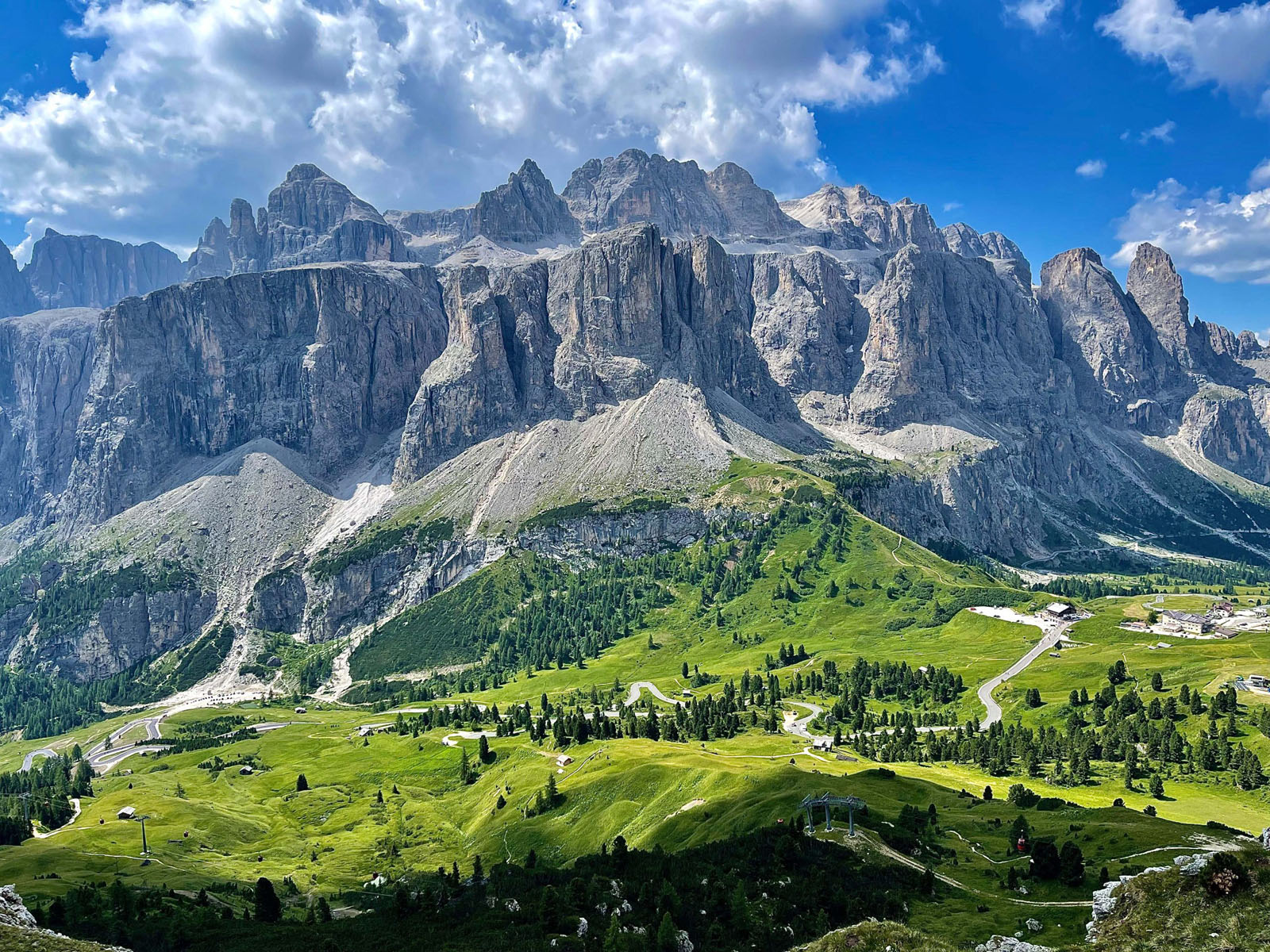
Day 2 - Edelweiss Terrace
Edelweiss Terrace: 9kms, 4-5hrs. Walking, Ascent 104m
A genuinely classic walk that overflows with mindboggling scenery and makes you marvel at the beauty of Corvara’s immediate surroundings and the colossal stature of the Sella massif.
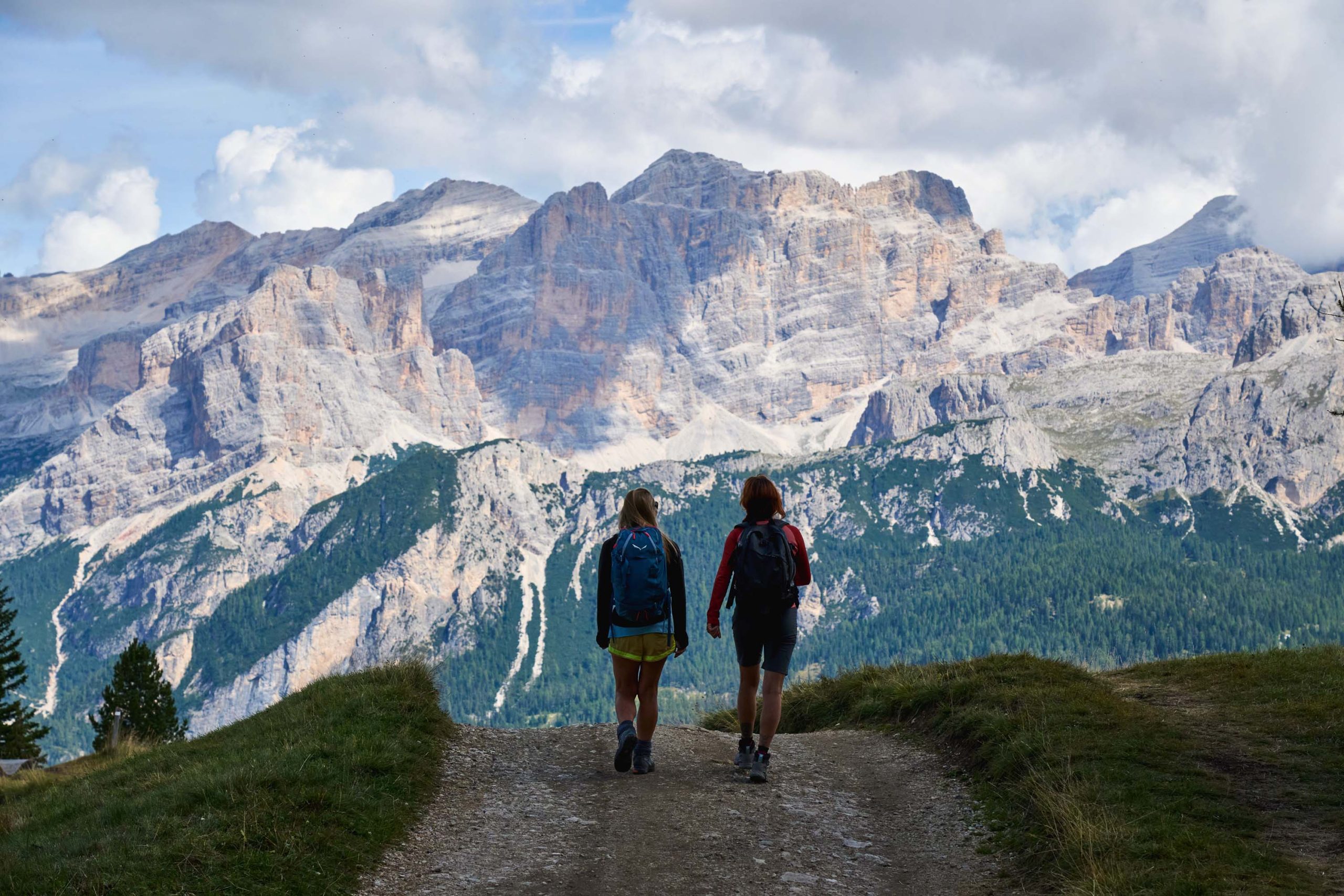
Day 3 - Six Rifugios
Six Rifugios: 14.2kms, 4-5hrs. Walking, Ascent 174m
Another intermediate gem, showcasing the sheer beauty of the Alta Badia. Drink in inspirational 360° views on a route that passes several welcoming huts along the way.
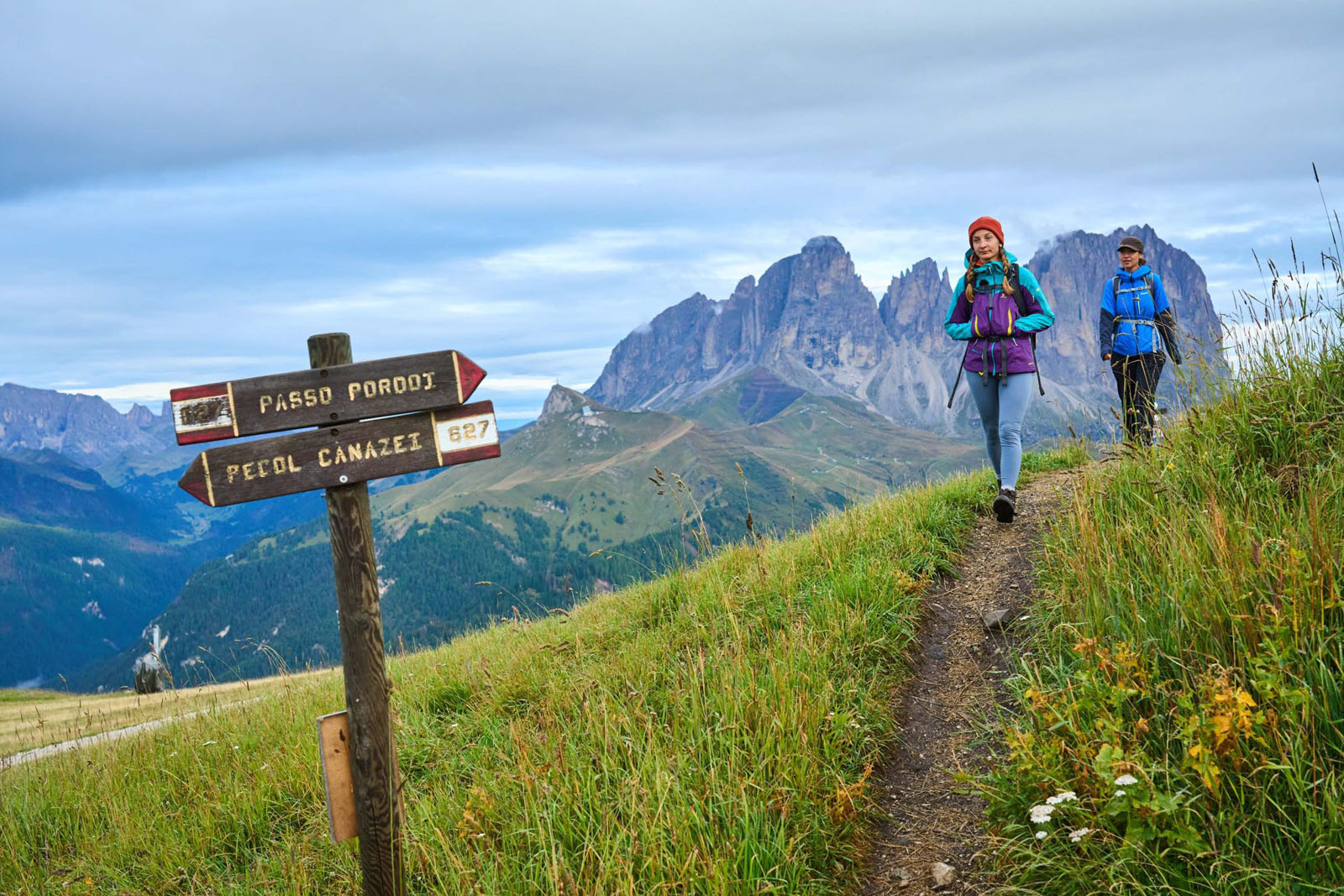
Day 4 - Viel Dal Pan
Viel Del Pan : 7kms, 3–4hrs. Walking, Ascent 250m
Explore an old smuggling route above Arabba, which offers spellbinding views of Lake Fedaia and our highest mountain, the Marmolada 3313m, on the opposite side of the valley. This is high adventure for not too much physical effort. As a rule, you can expect a flower-strewn feast throughout the season.
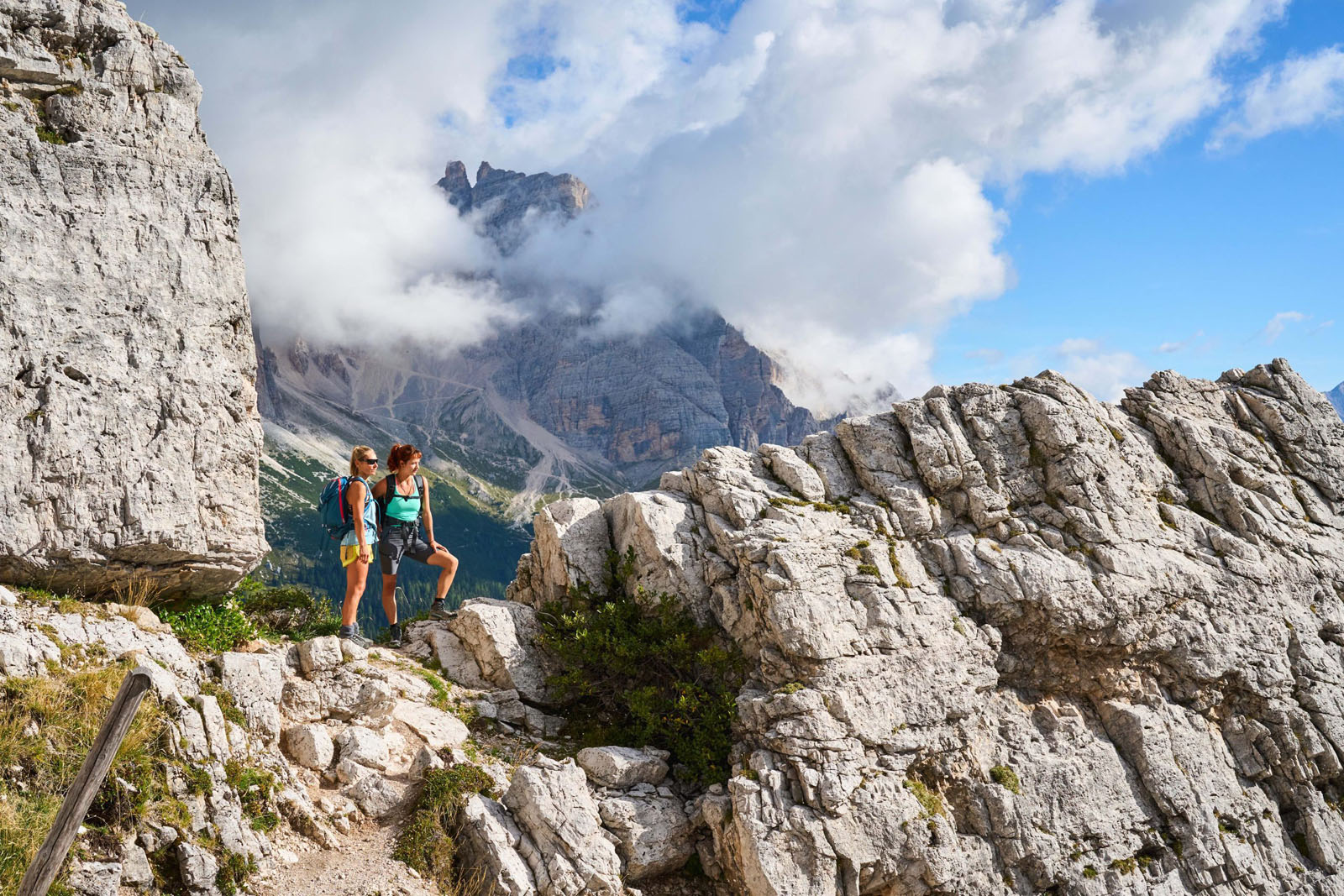
Day 5 - Nuvolau Summit
Nuvolau Summit: 9.5kms, 4-5hrs. Walking, Ascent 470m
High above Cortina, this is a hike of unbeatable 360° panoramas, especially from Rifugio Nuvolau, the oldest mountain lodge in the area. On the return leg, you see remains of WW1 trenches and experience the rocky drama of Cinque Torri and Tofana.
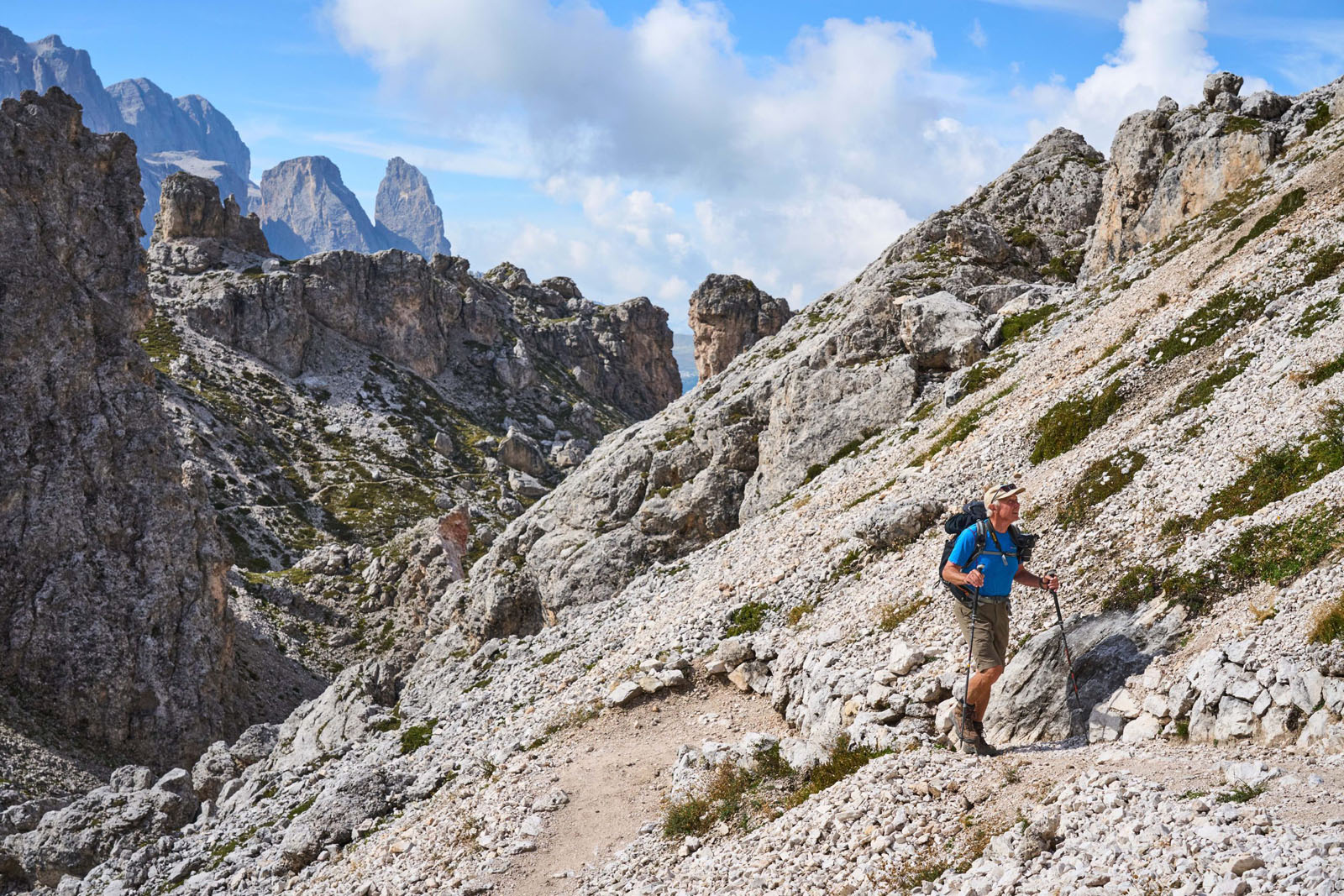
Day 6 - The Pinnacles
The Pinnacles: 7.25kms, 4-5hrs. Walking, Ascent 640m
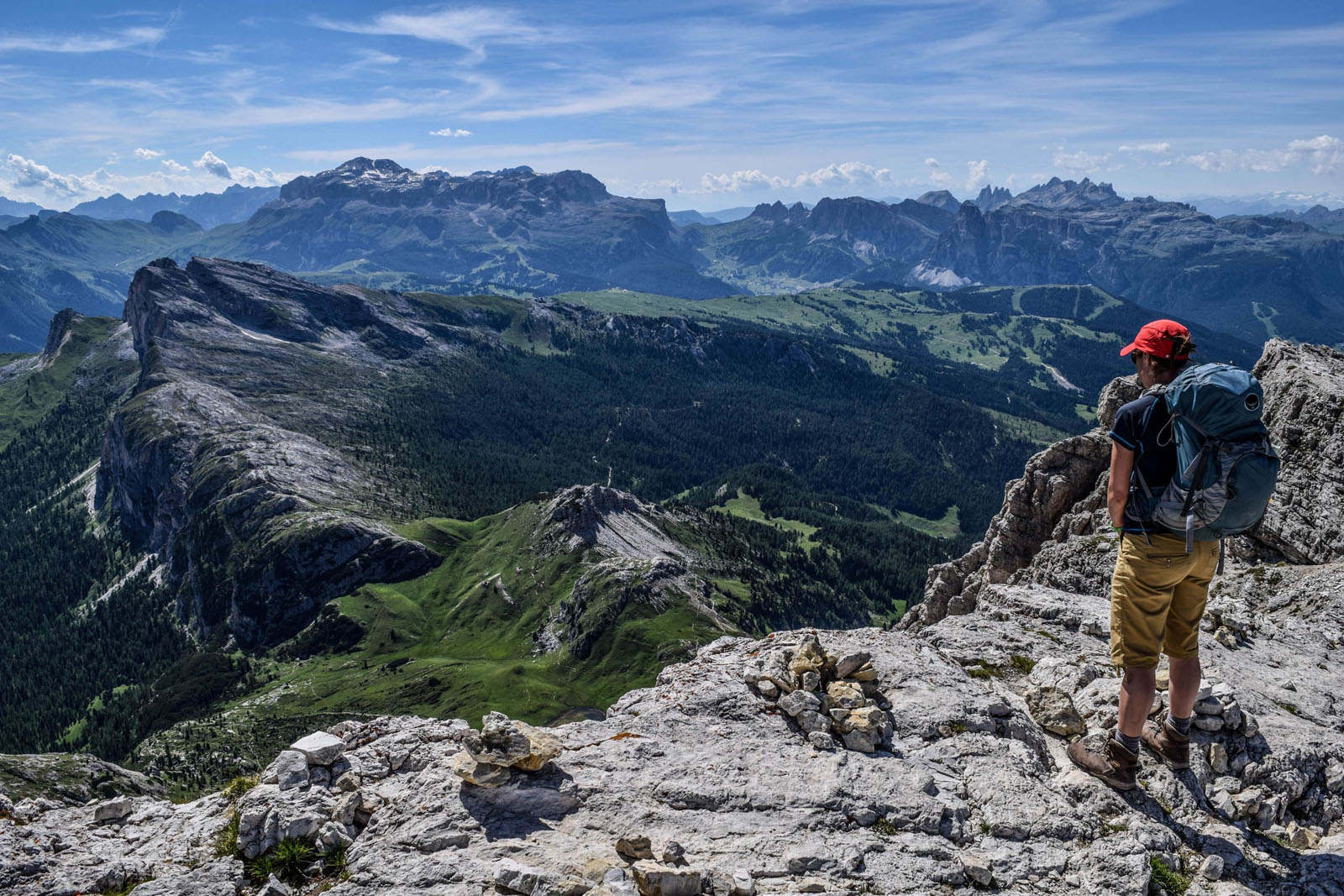
Ascend through meadows rich in flora and fauna up to the unique fortress‐like rock structures we call the Pinnacles. You are rewarded at the top with stunning views north over the Alta Badia and south to three Dolomite giants: Marmolada, Pelmo & Civetta.
Day 7 - Setsass Line
Setsass Line : 13.6kms, 4-5hrs. Walking, Ascent 311m
An exciting hike under the spectacular Setsass Massif. Again, you will be awe-struck by phenomenal 360° vistas from the Pralongia Plateau, one of the best natural viewing platform in the Dolomites. The panoramic sun terraces of several rifugios await you along the route, along with well-earned food and refreshment if it should take your fancy.
Day 8 - Depart or Extend your stay
Independent onward travel or Collett’s airport transfer to Venice Marco Polo Airport (Saturdays and Wednesdays only).
Looking to stay for more than 7 nights?
Guests who book for more than 7 nights will still receive the standard Walk Pack of their choice.
You might want to spend your additional days relaxing in the village, visit nearby places of interest or partake in other locally-supplied alpine activities.
But if you are simply looking for more walking, our Walks Team will be on hand to support this. We have an extended selection of wonderful walks of your chosen grade for you to pick from – all with comprehensive route notes and maps.
Day 1 - Arrive and Settle in
On arrival at your accommodation in Corvara, your Walk Pack will be waiting for you. Expect a warm welcome from the reception team at your hotel. Then relax and settle in, before joining us at Office Hour (optional) in the early evening to ensure your walking experience gets off to a good start the following day.
Day 2 - Sas Ciampac
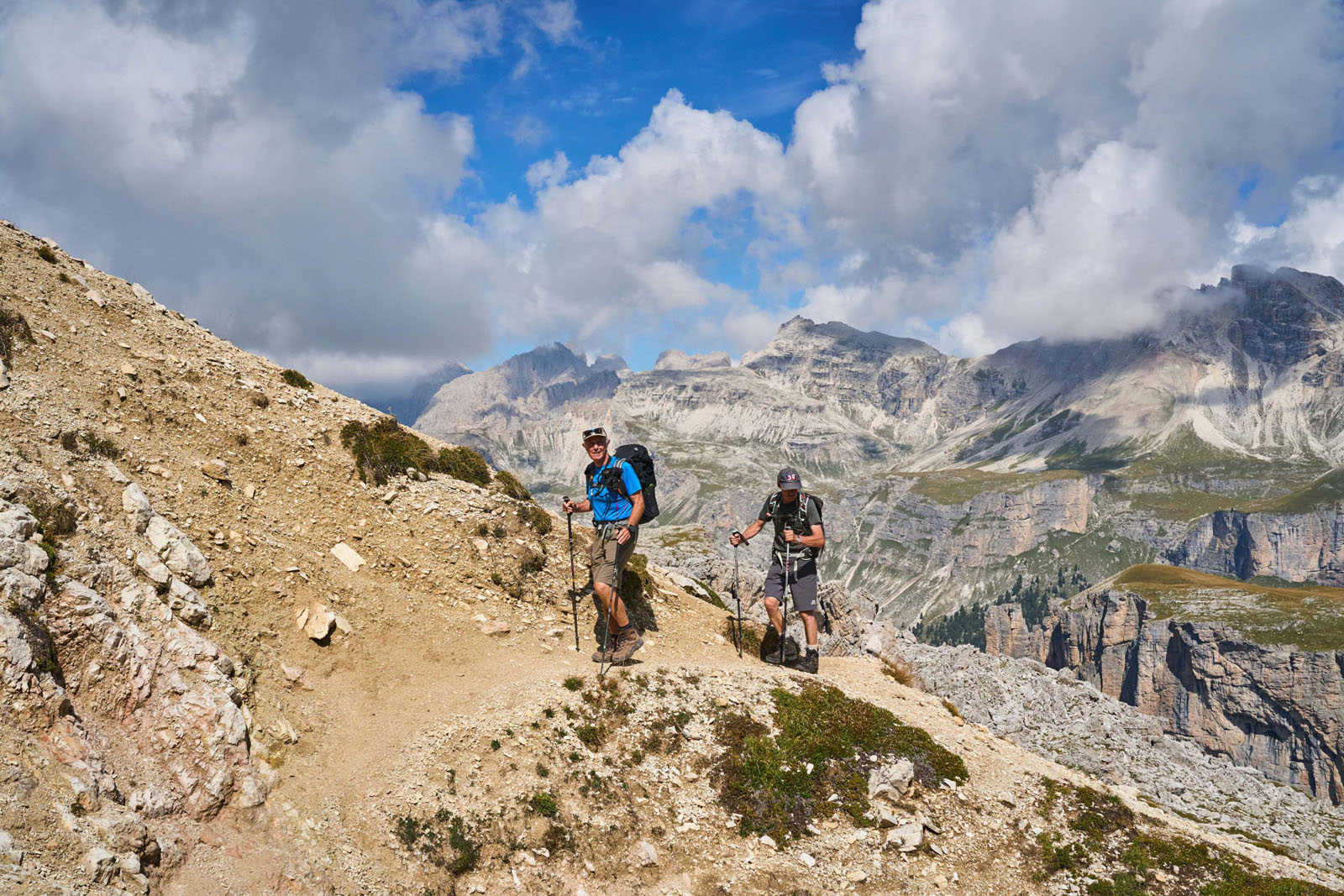
Sas Ciampac: 10 kms, 4-5hrs. Walking, Ascent 700m
This is a day of dramatic lunar landscapes on the summit plateau of the Puez massif. The views of the sheer flanks of the Sella massif to the south will captivate you throughout.
Day 3 - Lago de Lagacio
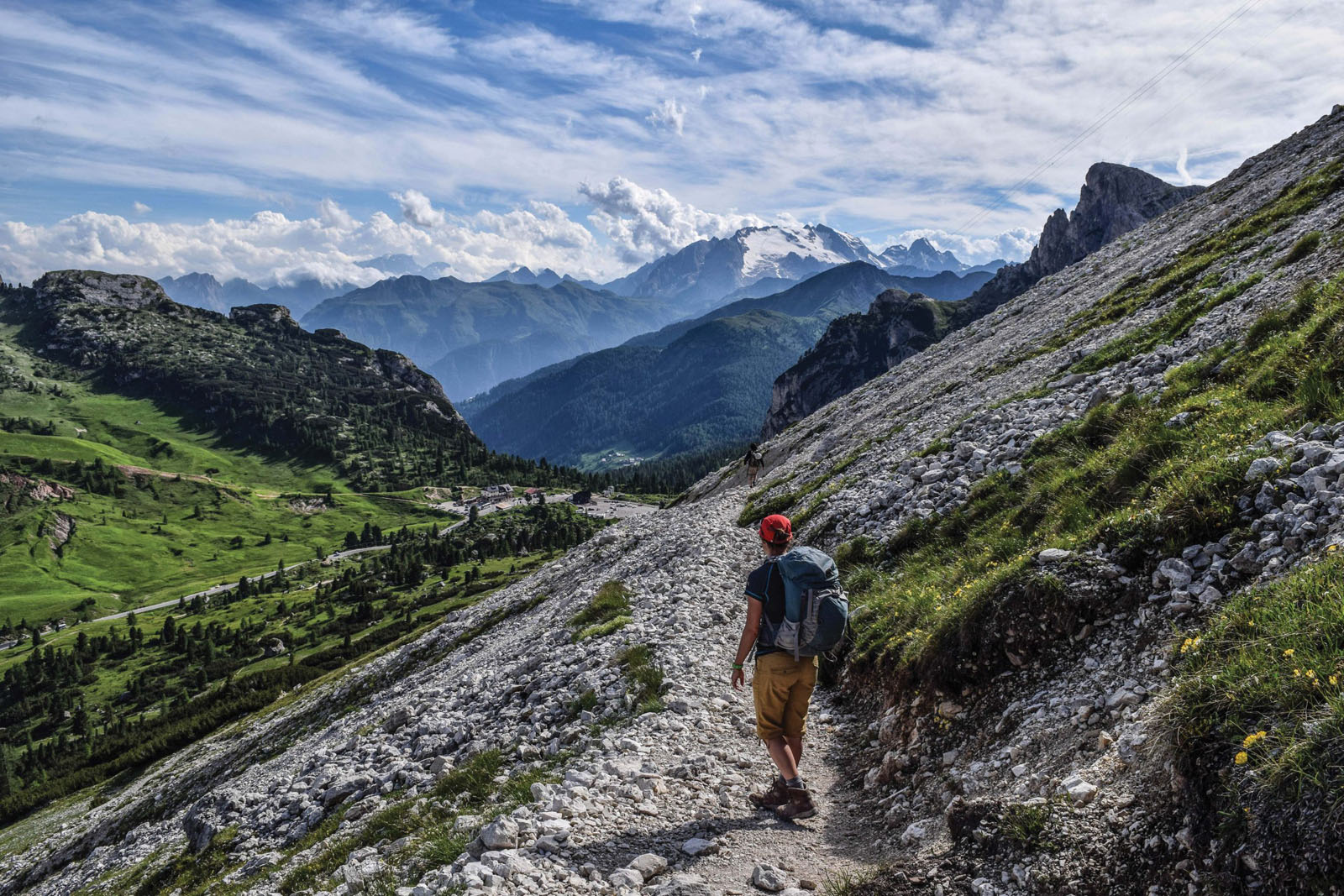
Lago de Lagacio: 9kms, 6-7hrs. Walking, Ascent 770m
A spectacular mountain hike in an ever-changing theatre of rocky scenery. The descent from Forcela di Lech and the Hidden Valley provide unforgettable memories, such is the drama of the natural features.
Day 4 - Sella Shelf
Sella Shelf: 12.5kms, 6-7hrs. Walking, Ascent 1202m
Wonderfully rough, rocky and challenging mountain terrain. Walk exhilarating and exposed ledges with monumental pillars of rock towering above you. Drool over spectacular views of giant Dolomite peaks near and far.
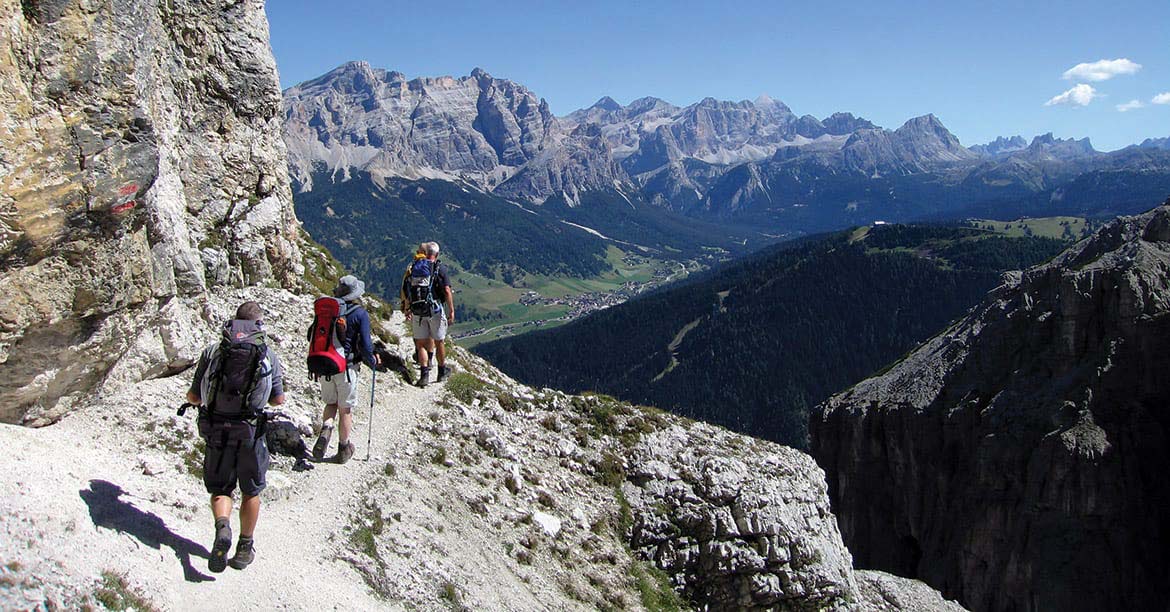
Day 5 - Munt de Gherdenacia
Munt de Gherdenacia: 11.5kms, 6-7hrs. Walking, Ascent 1028m
Ascend to this secluded massif on a trek abundant with fascinating rock formations. Feast you eyes on the Sella and Fanes Massifs in all their glory and enjoy the occasional bit of scrambling.
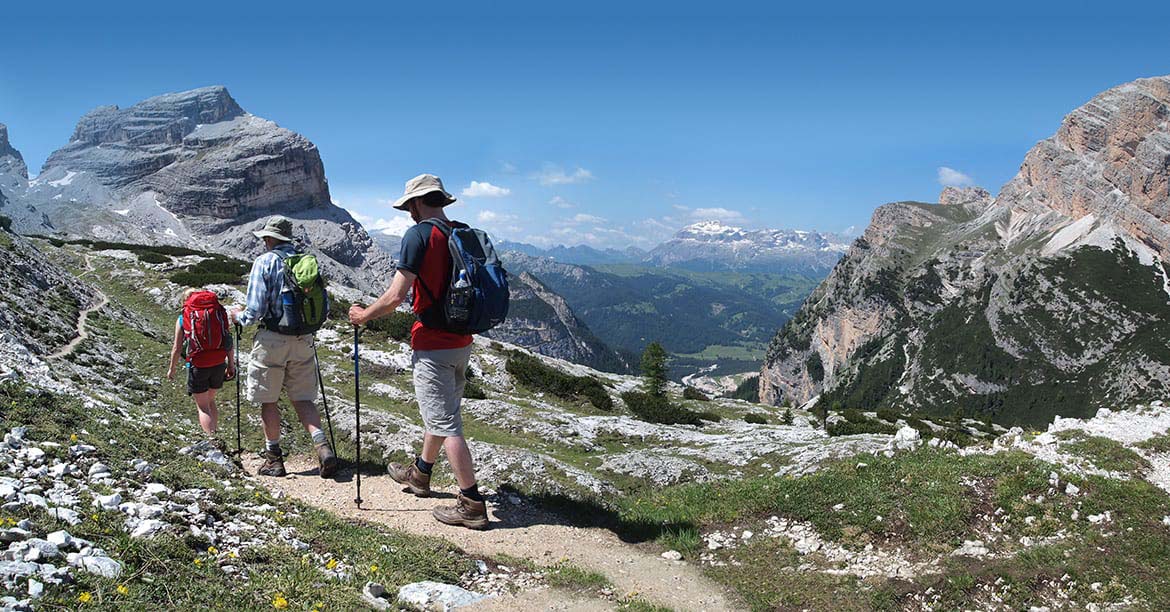
Day 6 - Col di Lana
Col Di Lana: 15.5kms, 6-7hrs. Walking, Ascent 995m
This is a real classic, rich in variation and scenic drama. Starting at the Valparola Pass, it is also one of our longer challenging hikes. Be prepared for some mind-boggling WW1 remnants, which re-enforce the remarkable nature of this unique theatre of war. A stimulating combination of walking and scrambling ultimately take you to one of the most spellbinding 360° views in the Dolomites.
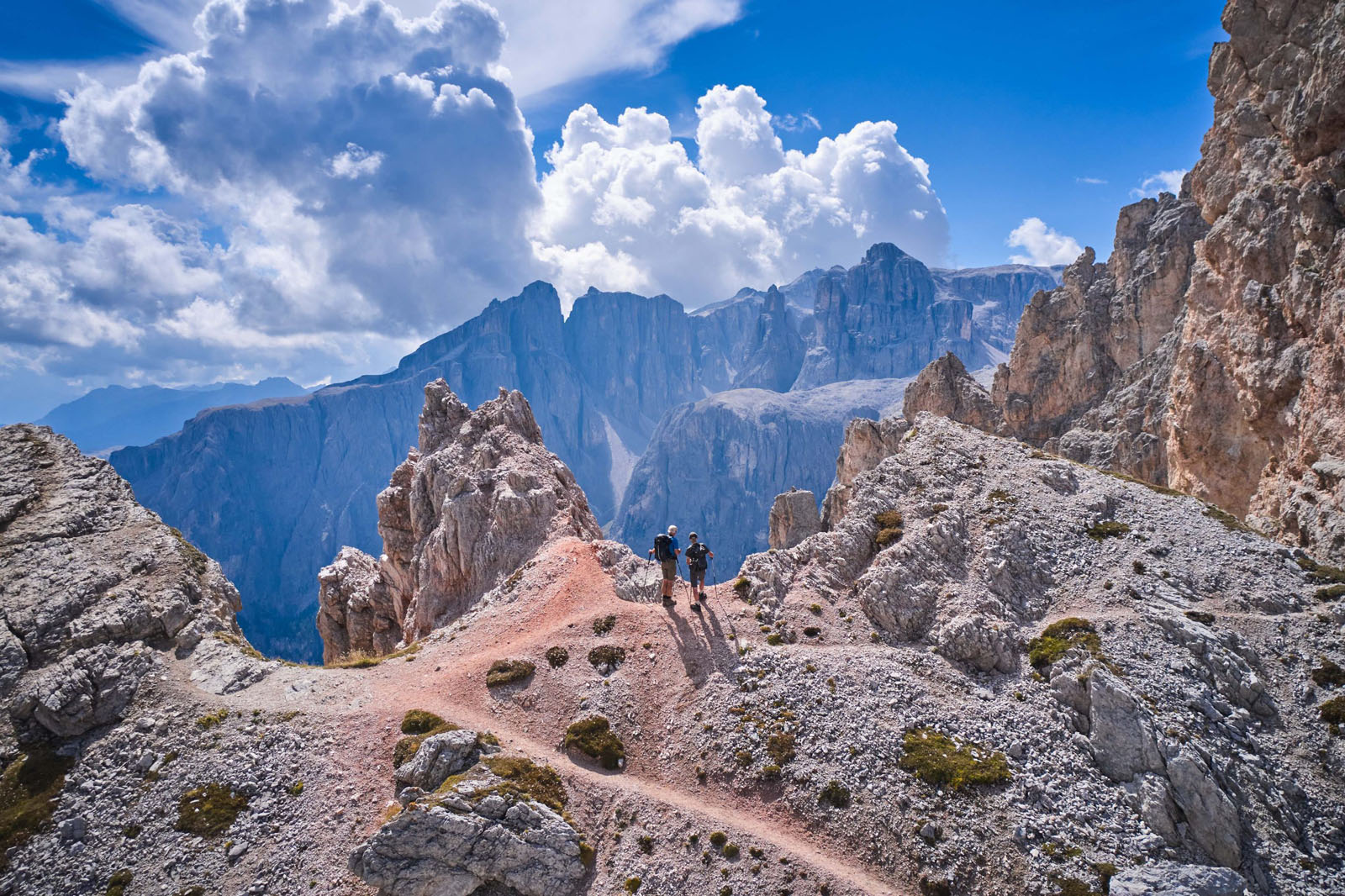
Day 7 - Sassongher Summit
Sassongher Summit: 11.5kms, 7-8hrs. Walking, Ascent 1050m
A magnificent exposed ascent is followed by a short, cabled section before you reach Sassongher’s dramatic summit peak, where outstanding 360º views of Corvara and the entire Alta Badia await you. A perfect end to your stay, this is an enthralling way to take a last look at the majestic peaks of a well-chosen walking holiday destination.
Day 8 - Depart or Extend your stay
Independent onward travel or Collett’s airport transfer to Venice Marco Polo Airport (Saturdays and Wednesdays only).
Looking to stay for more than 7 nights?
Guests who book for more than 7 nights will still receive the standard Walk Pack of their choice.
You might want to spend your additional days relaxing in the village, visit nearby places of interest or partake in other locally-supplied alpine activities.
But if you are simply looking for more walking, our Walks Team will be on hand to support this. We have an extended selection of wonderful walks of your chosen grade for you to pick from – all with comprehensive route notes and maps.
Your Accommodation Options
Our 3 Star Hotels
Our 4 Star Hotels
5 Star Indulgence
Need to Knows
Our Day Off: Our Walks Team has a day-off every Tuesday. There is no Office Hour, nor hotel visits. However, there is always somebody to meet and settle in new arrivals. Breakfast & dinner are served as normal.
Booking Conditions – be sure to read our full terms and conditions here before booking.
At Your Own Risk – please read the important notes here.
Travel Advice – check your government’s travel advisory for up-to-date information and advice about your destination. For UK citizens, check the latest Foreign, Commonwealth & Development Office advice here.
Passport & Visa – any questions should be directed to the relevant embassy of your destination country; find out more here. It is your responsibility to be in possession of a full passport, valid for your chosen destination.
Travel Insurance – having adequate and valid travel insurance is a condition of booking with us. Details of our insurance partner, Campbell Irvine, are here.
Health Information – You should carry either an European Health Insurance Card (EHIC) or a Global Health Insurance Card (GHIC) Neither is an alternative to adequate travel insurance. For more information visit https://www.gov.uk/foreign-travel-advice and https://travelhealthpro.org.uk/
ABTA – Independent travel advice and help is always available from ABTA by calling 020 3117 0599 or visiting www.abta.com.