Brenta Dolomites Walking Holiday
19 June 2027
–
13 September 2027
Enquire
Book Now
Country
Italy
Grade
Moderate
Duration
8 Nights
Style
Self-Guided
Type
Hut-to-Hut
Price
£1415
-
 Unforgettable walks
 -
With you every step
-
Handpicked hotels with warm hospitality
-
Mountain holiday specialists since 1997



Hiking the Alta Via 1's lesser-frequented trails with their abundant wildlife, natural drama and remote accommodation.
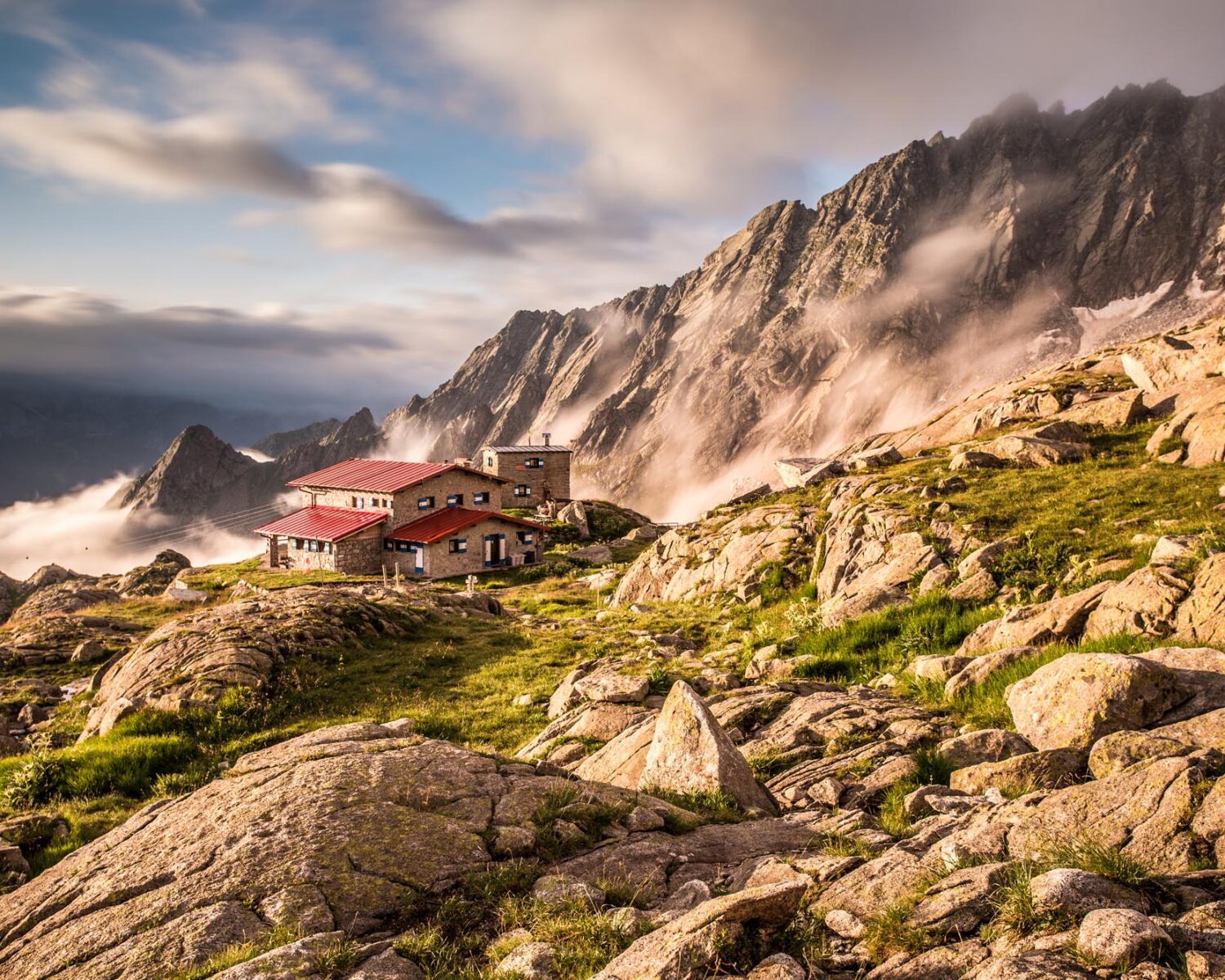
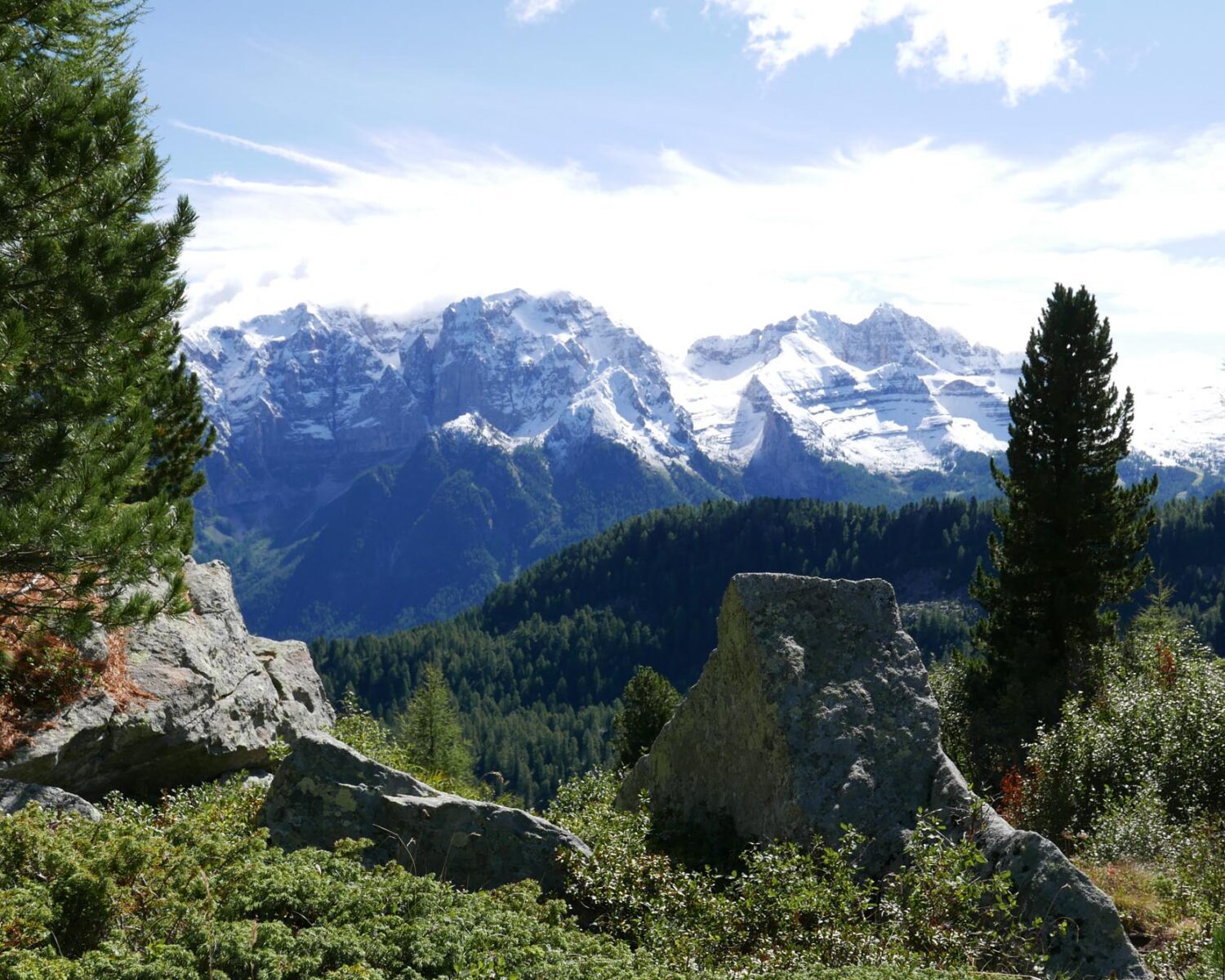
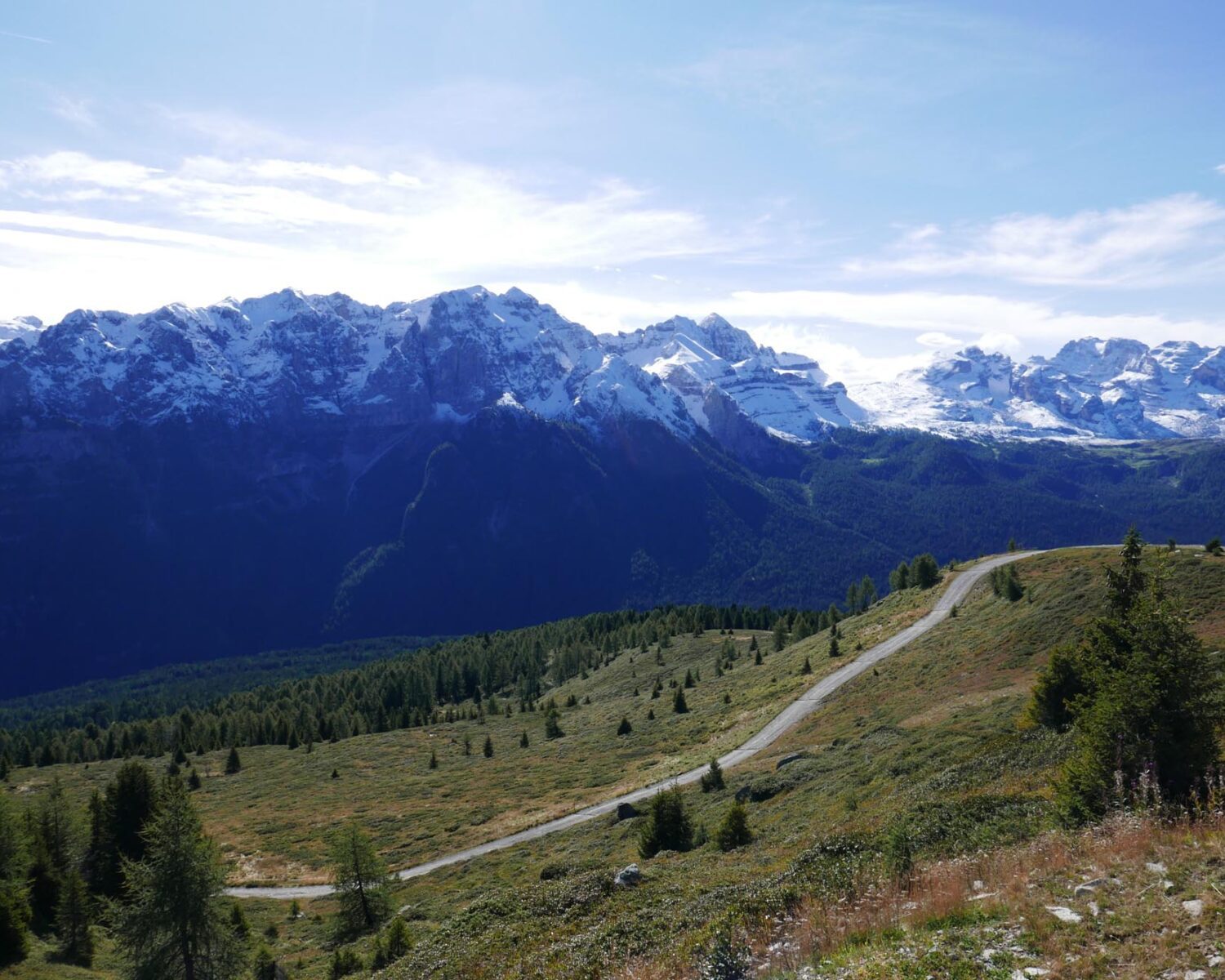
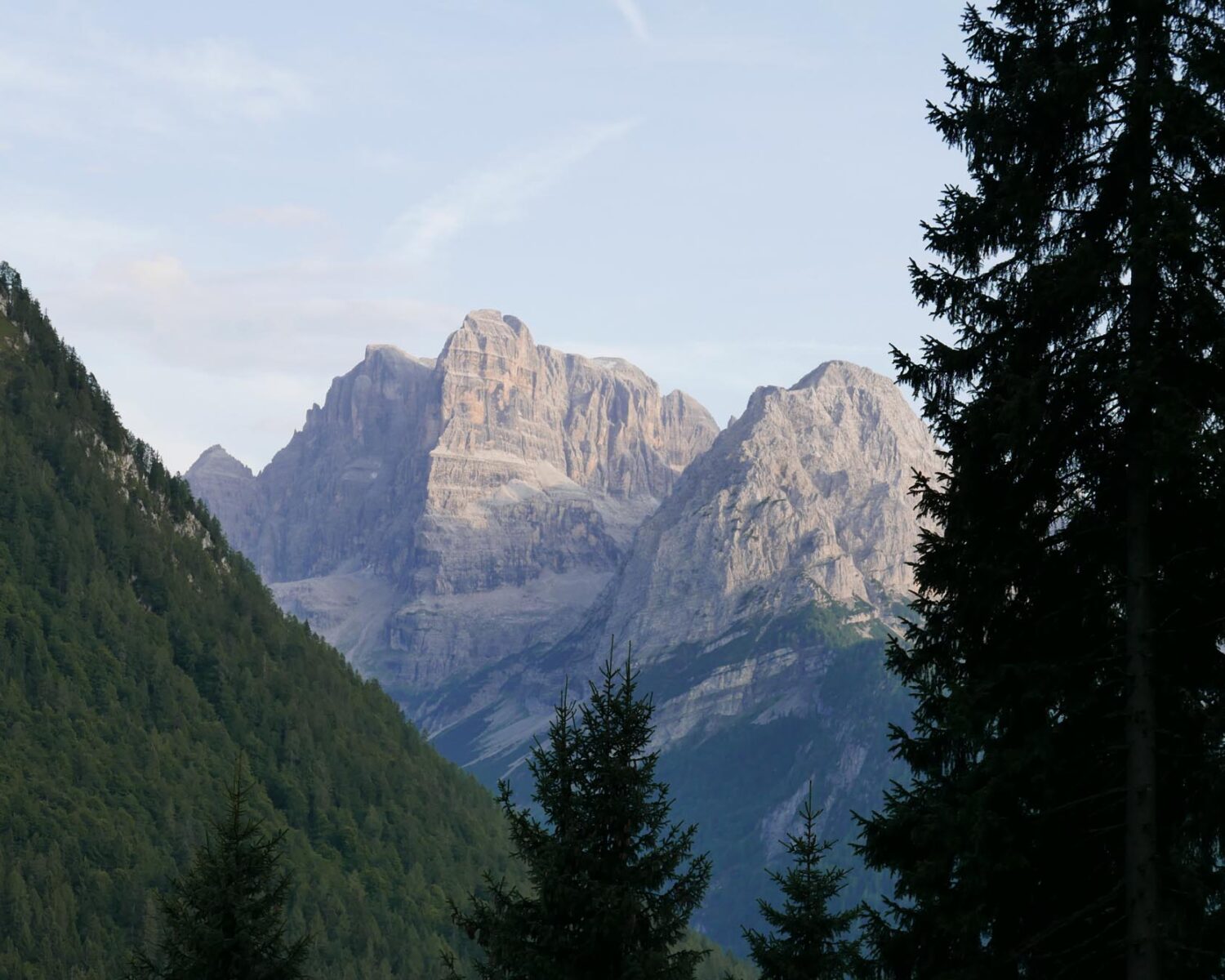
Established in 1967, Italy’s Adamello-Brenta Nature Park is one of the largest protected areas in the Alps, carefully preserved for responsible tourism. It’s a breathtaking alpine wilderness, where hikers find solitude and inspiration.
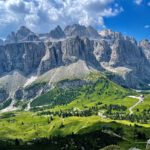
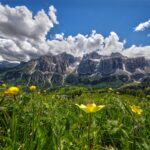
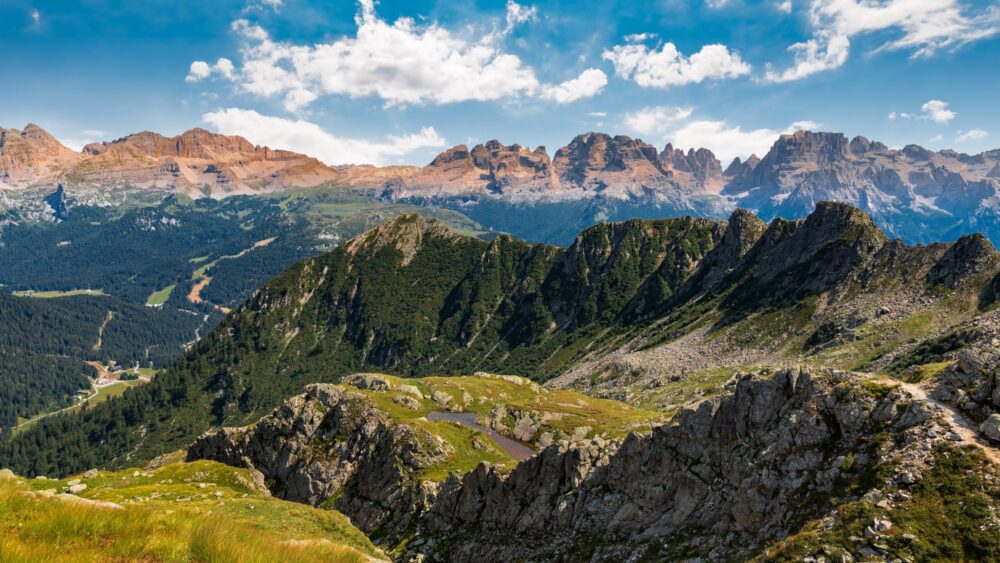
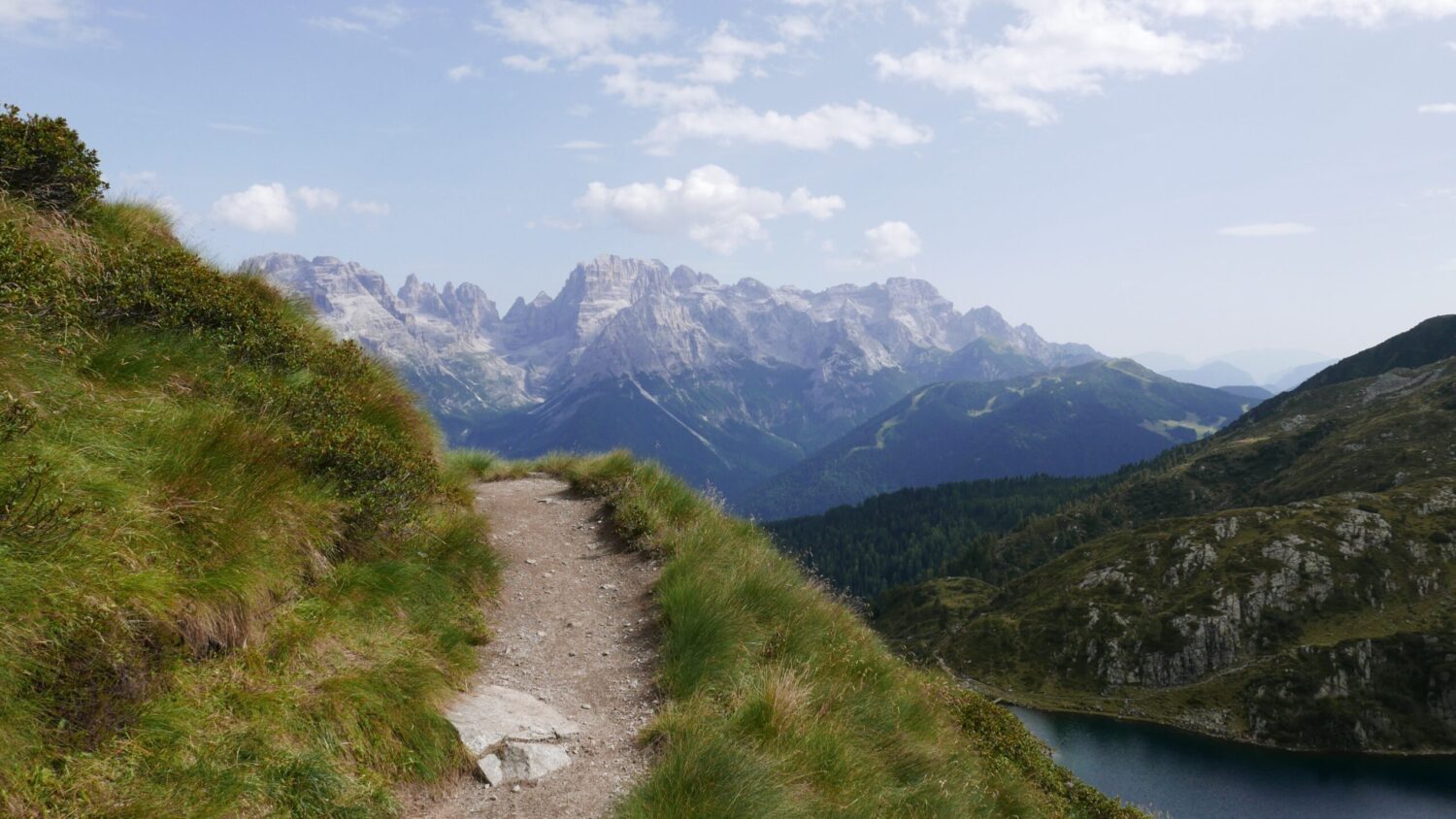
The park features 2 mountain ranges: the Brenta Dolomites, uplifted from a coral-rich prehistoric ocean, and the geologically younger range, Adamello-Presanella. Hikers enjoy a diverse mix of landscapes, rich flora, striking rock formations, and stunningly located overnight stops. In a single day, you can encounter sparkling lakes, lunar terrain, pine forests, vivid meadows, high passes, and waterfalls. Lake Tovel is a highlight with its silky waters and heavenly surroundings.
Browse this page for all you need to know about this Brenta Dolomites hut-to-hut walking holiday. Then click Enquire or Book Now, submit some details, and let our skilled enquiry team help you make this holiday a reality.
At a Glance
Dates
19 June – 06 September 2027
(You can start any day)
Price
£1415
This holiday requires a minimum of two people
Contact us for single supplements where required
Grade
Moderate
Expect to walk for 5 – 6 hours each day with between 45m – 1100m of ascent and 200-1300m of descent.
What’s Included
3* Hotel in the Val di Sole (B&B) on your first and last nights.
All Hut Bookings at half-board (breakfast and dinner included).
3* Hotel in Madonna di Campiglio (Day 3, half-board).
Holiday Pack with comprehensive route notes, maps & more.
Digital Map Access for the duration of your trip.
24/7 Telephone Support from our local partner in Italy.
Excess Baggage Storage in Val di Sole.
Not included: packed lunches, tourist taxes (where applicable), rifugio showers (if applicable, approx. €4), and the lift on Day 2 (€13).
Optional Upgrades
Private Rooms – Subject to availability, these can be reserved in advance in some rifugios at a supplement of £20pp/night. Booking early is recommended.
4-Star Hotel – for the first and last nights in Val di Sole – contact us for details.
Travel
This holiday starts and ends in the Val di Sole. Your best travel option is to fly into Verona Airport. From there you can travel by bus and train as follows:
- Bus from Verona Airport to Verona train station (15 mins)
- Train from Verona to Trento (1½ hrs).
- Train from Trento to Terzolas in the Val di Sole (1¾ hrs)
Tickets and timetables available at TrenItalia
Alternatively, private transfers are available between Verona and the Val di Sole and cost £175 pp (each way, based on 2 people sharing).
Fly-driving is also a good option. If you plan to hire a car, click here for a competitive quote.
Itinerary & Accommodation
Day 1
Arrive in Val di Sole

Travel overview
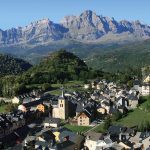
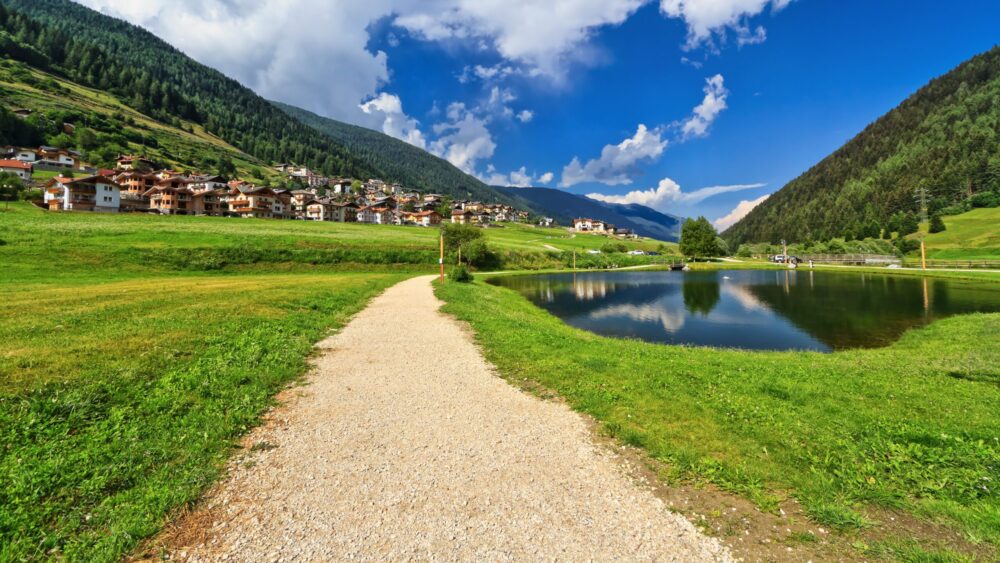
Travel to the Dolomites. Make your way to the Val di Sole by public transport, hire car, or optional private transfer direct to your first hotel. This strategic base gives easy access to surrounding valleys, including the beautiful Val di Rabbi. With Celtic roots linked to Sulis, goddess of waters, the region is famed for its thermal spas at Rabbi and Peio. Val di Sole also has a proud food heritage, particularly its local cheese, Casolet, a staple of the valley’s traditional cuisine. Settle in and prepare for your first day on the trail.
3* Hotel, Val di Sole (B&B basis)
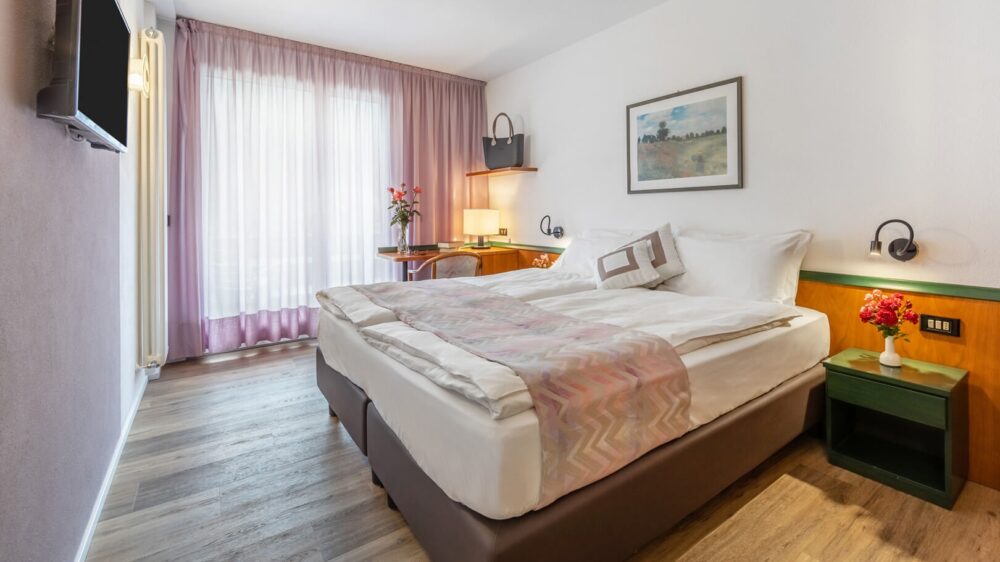
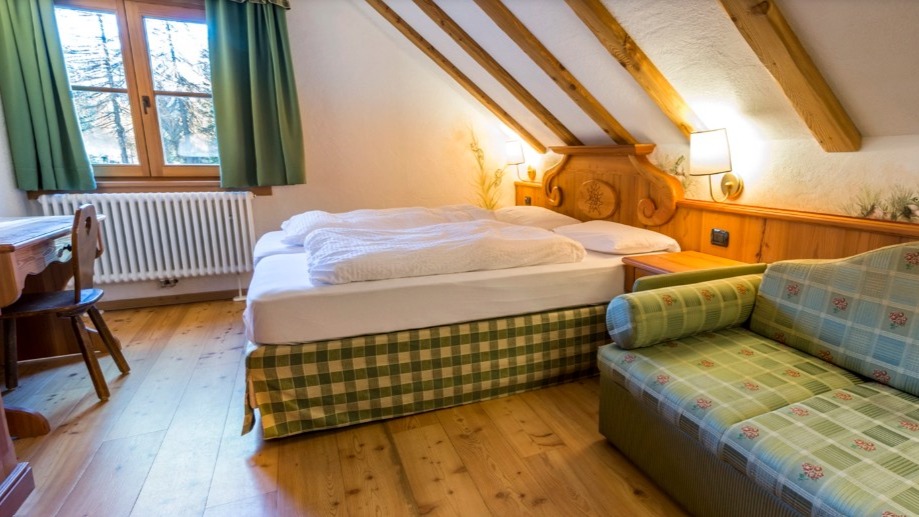
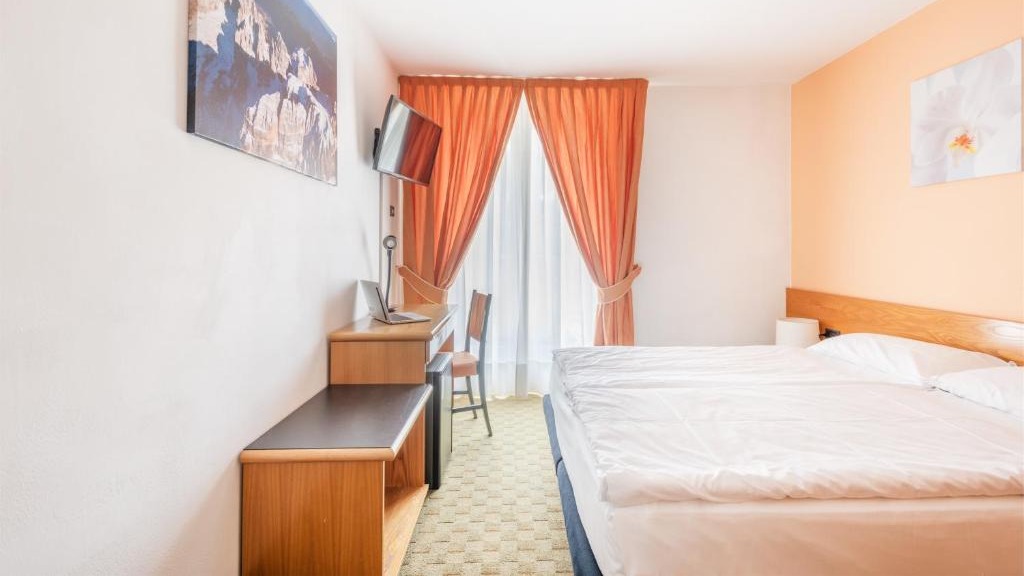
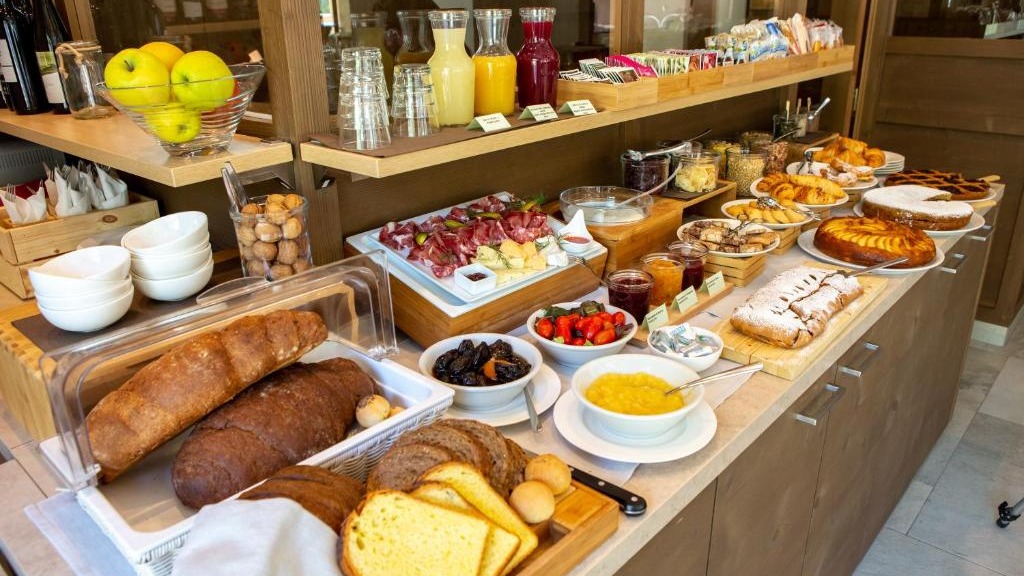
Your first night is spent in a welcoming 3 star hotel in the heart of the Val di Sole, a peaceful Alpine valley framed by forests and high peaks. The setting is relaxed and informal, ideal for settling in after your journey and preparing for the days ahead. Rooms are comfortable and traditionally styled, with mountain views common. Each morning begins with a generous continental breakfast, featuring fresh bread, local cheeses, fruit, and hot drinks—perfect fuel for your first walk. Restaurants and cafés are typically within easy reach, allowing you to explore local Trentino flavours at your own pace.


Day 2
Forests of Presanella
13km, Walking Time – 5hrs, Ascent 620m, Descent 880m
Walk overview
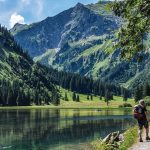
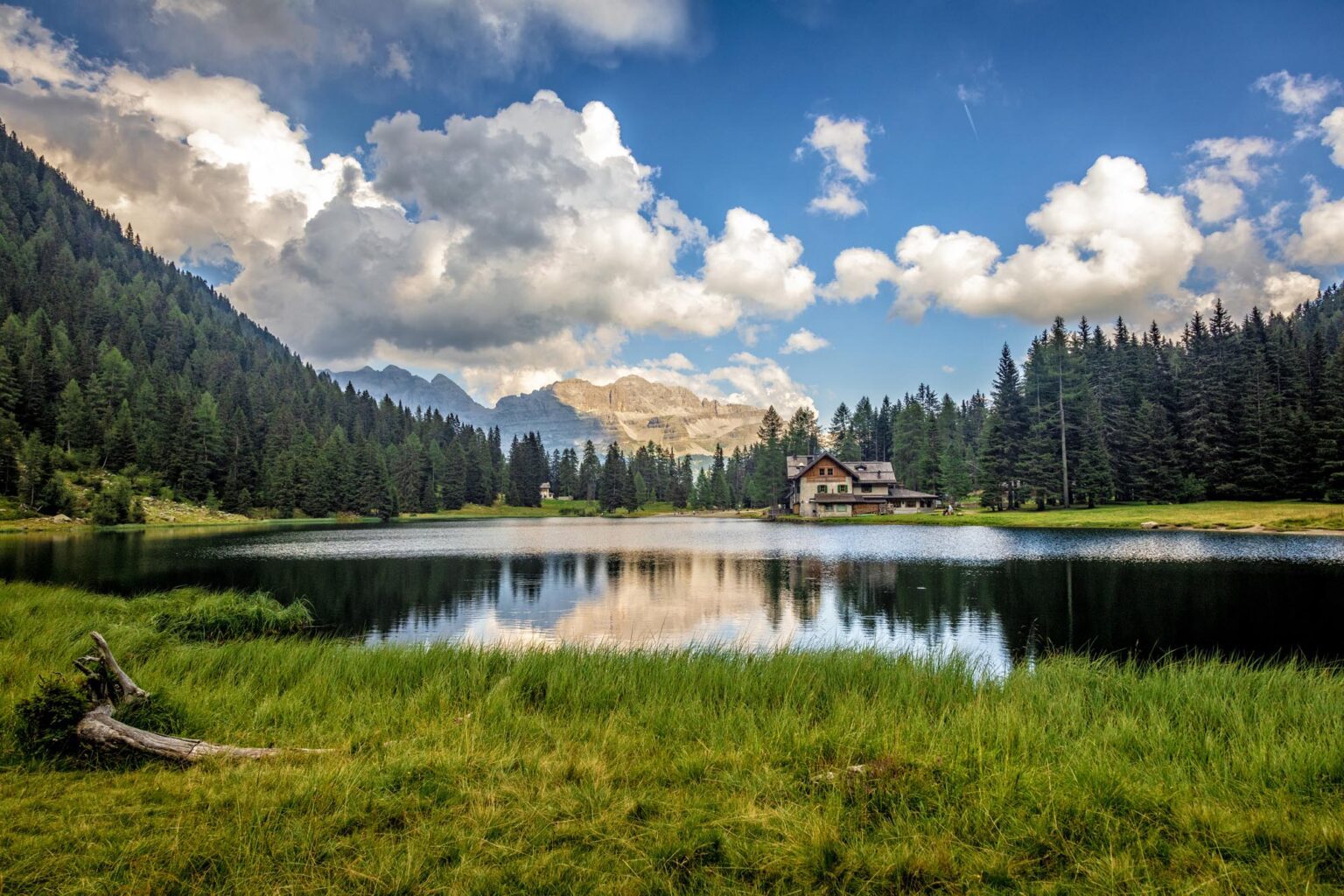
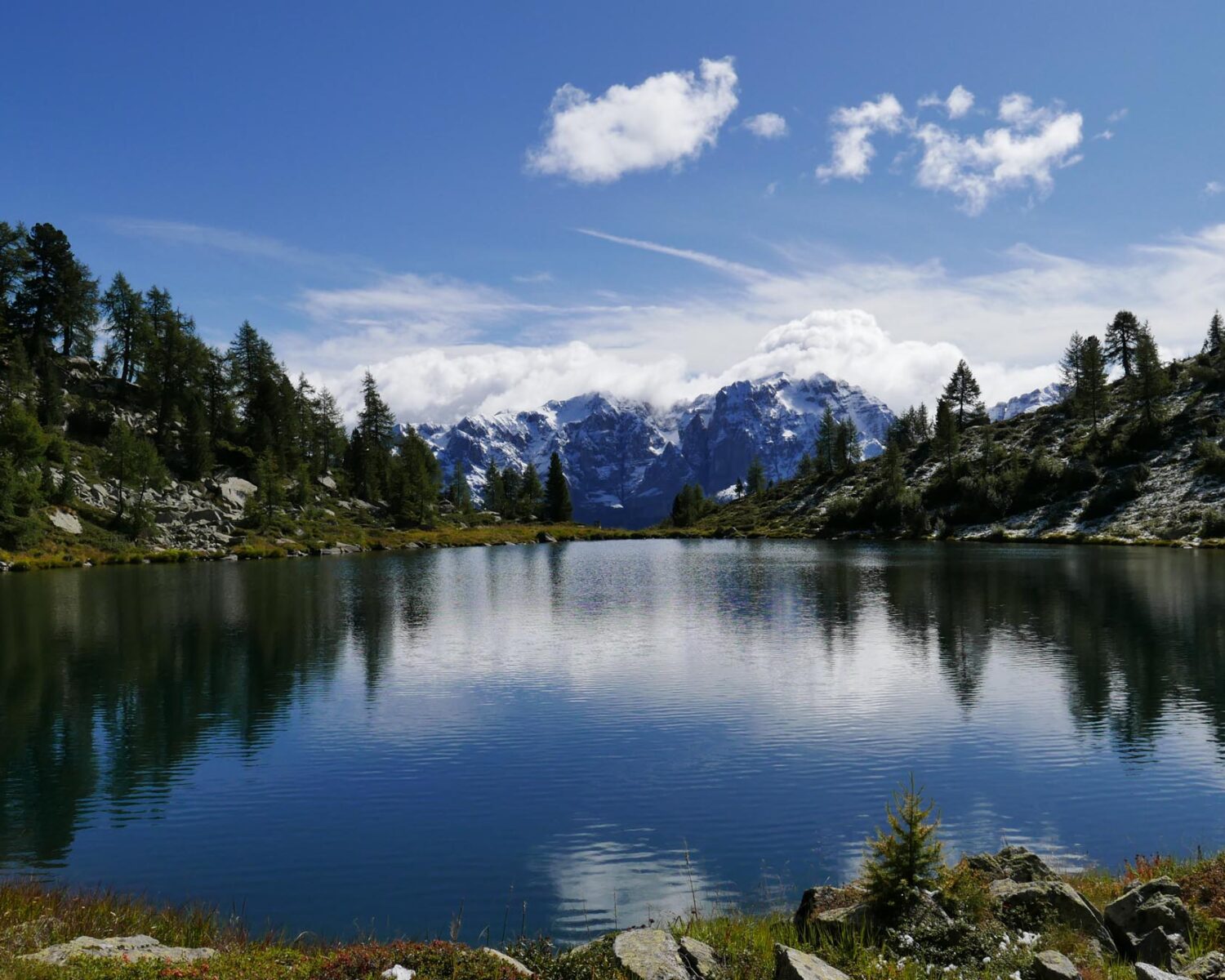
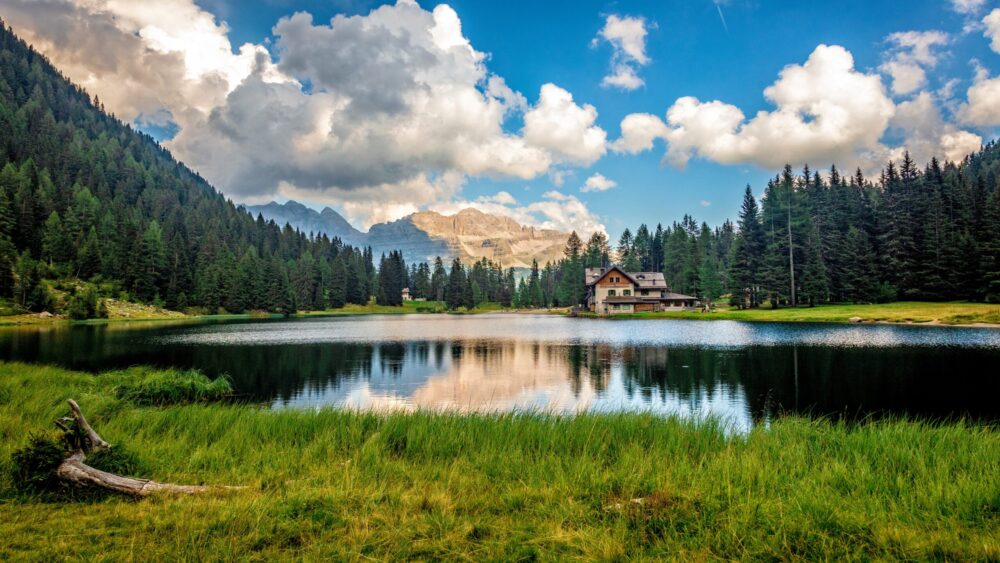
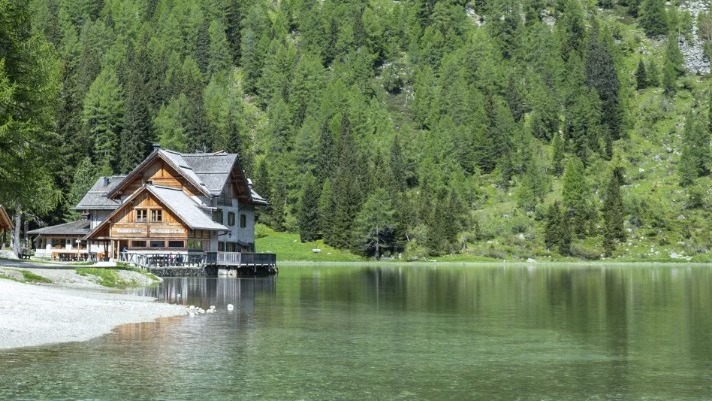
A short transfer brings you to Daolasa, where a cable car lifts you to your trailhead at 2,050m in the Presanella Massif. Today’s walk is gentle and absorbing, weaving through pine forest before opening onto high meadows above the treeline. Scattered lakes punctuate the landscape, some hidden among trees, others open and reflective, with the dramatic Brenta Dolomites rising directly beyond. The contrast between the rounded Presanella slopes and the jagged Brenta skyline is striking. Your day concludes at Lake Nambino, a beautifully wooded setting popular with photographers and fishermen alike.
Rifugio Nambino (half-board)
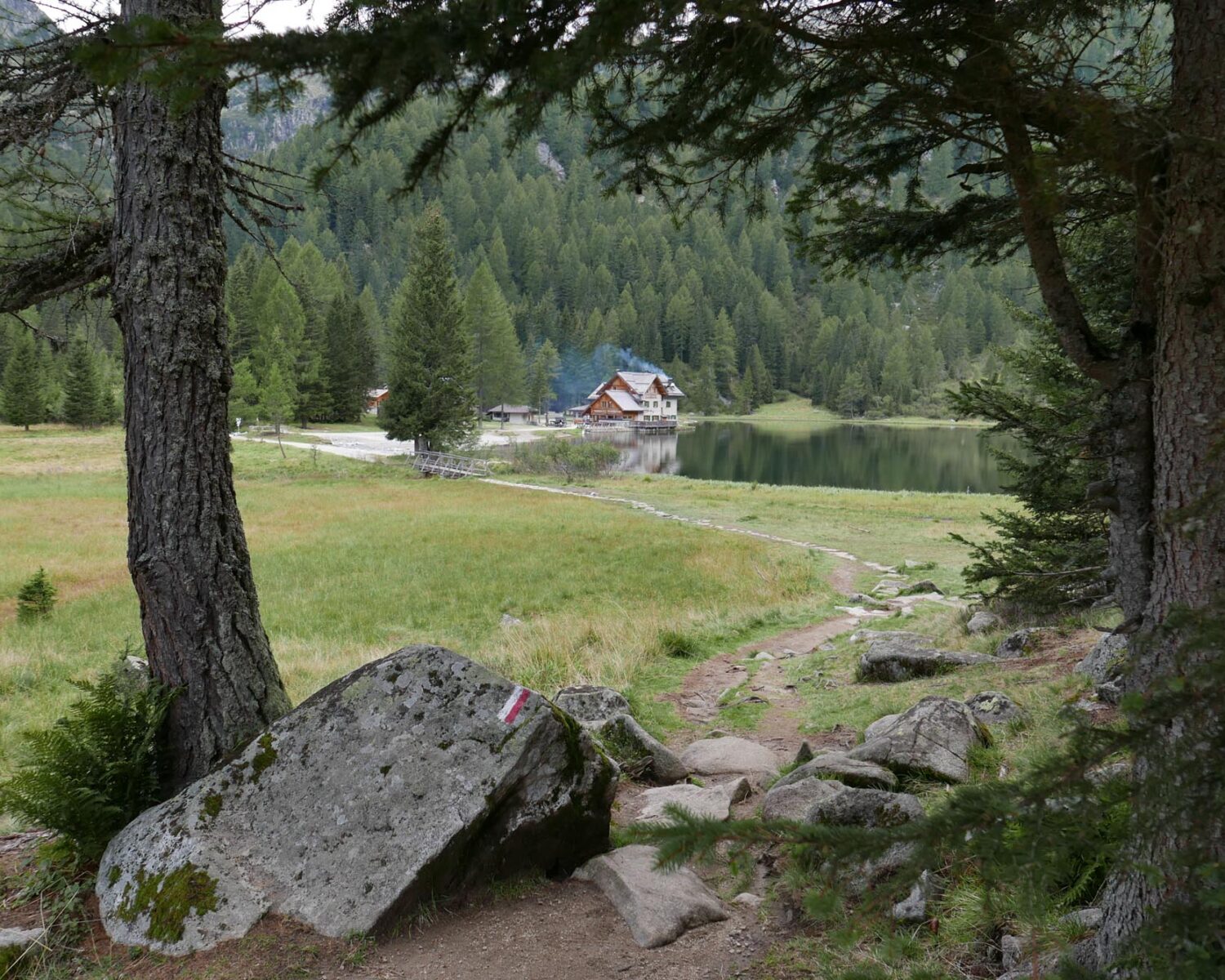
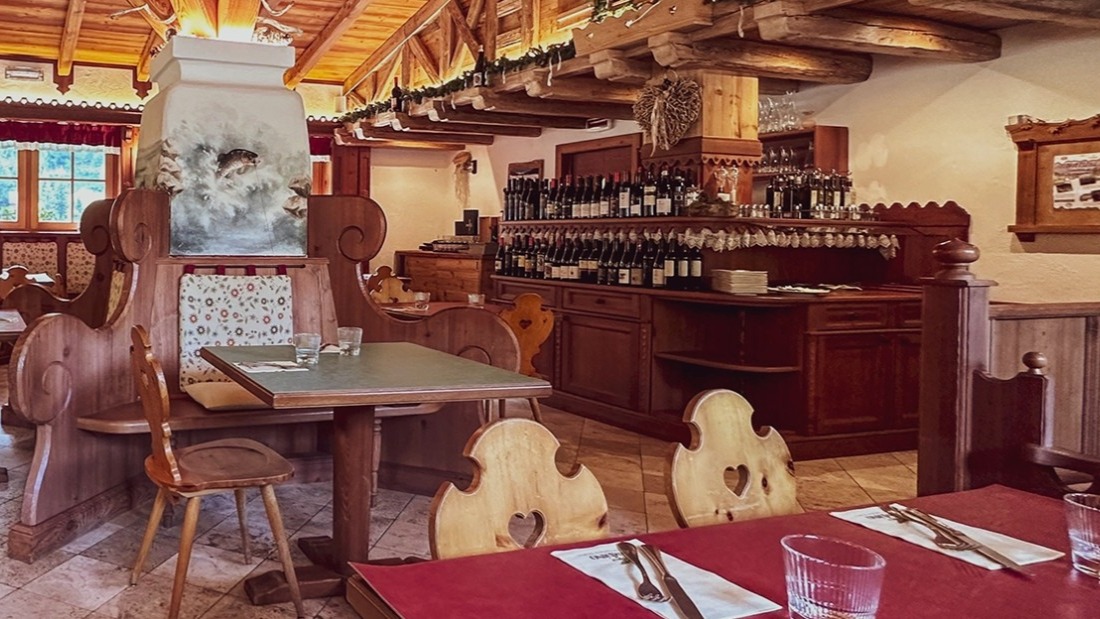
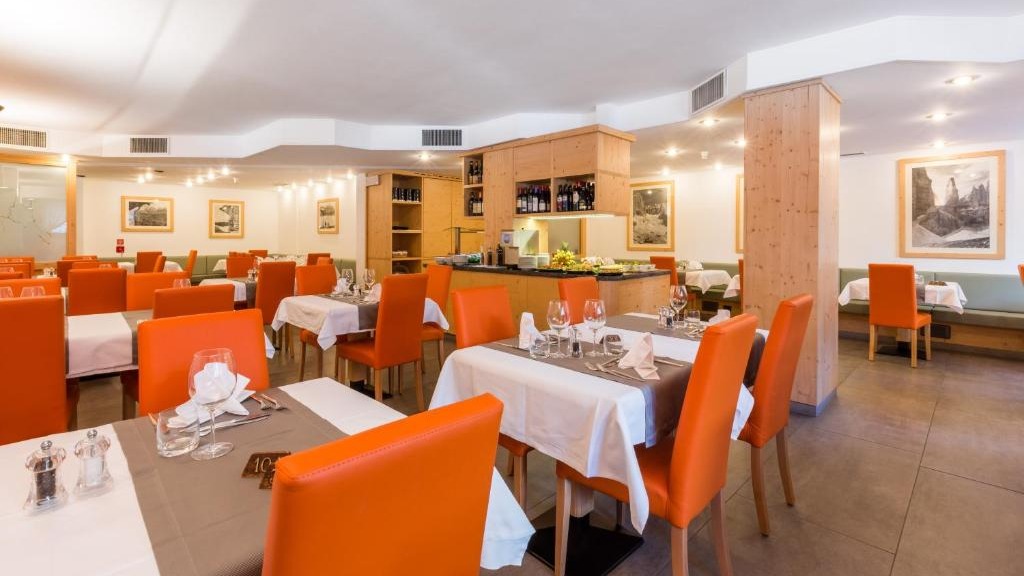
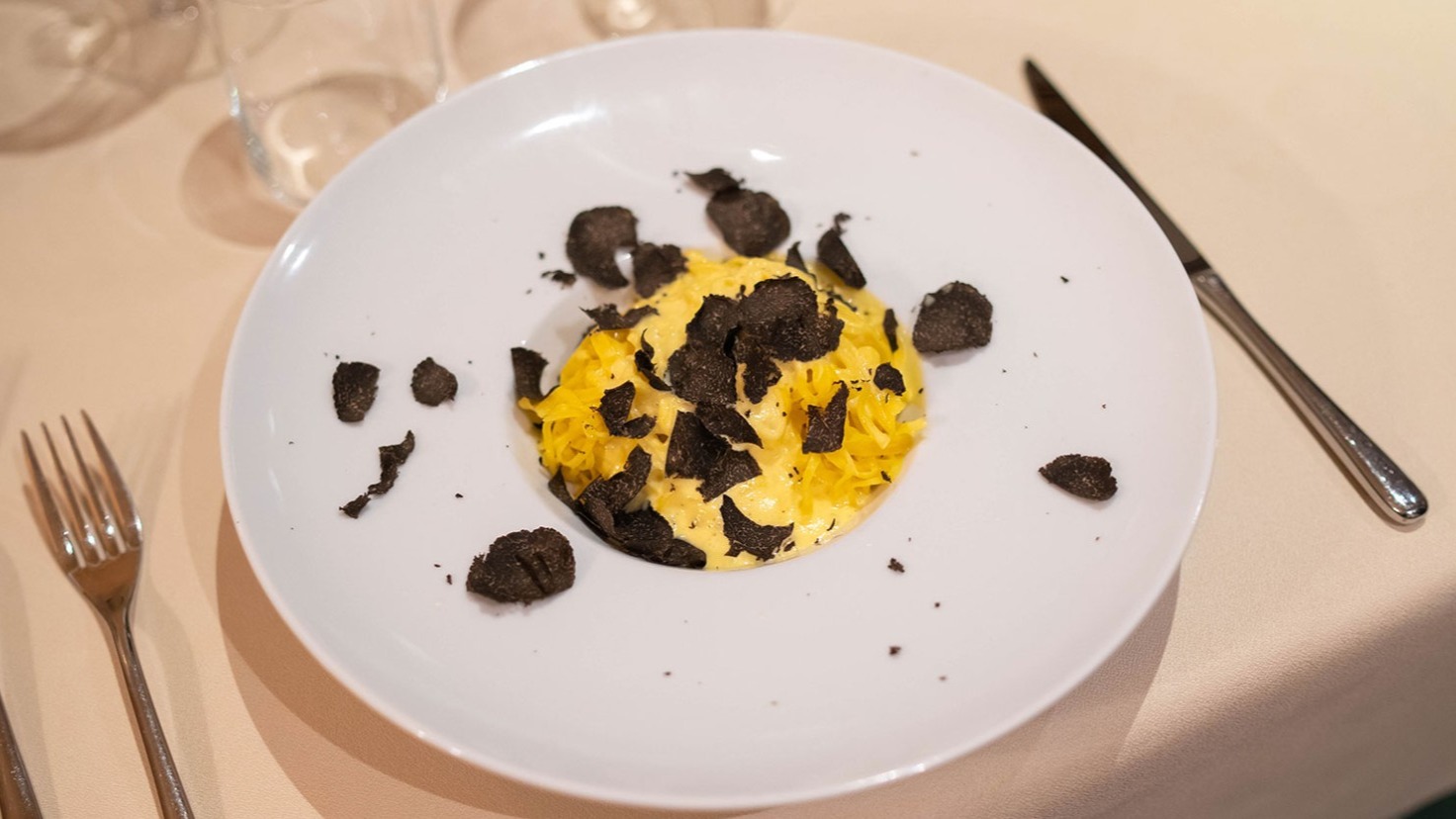
Set beside the enchanting waters of Lake Nambino, this beautifully located rifugio offers one of the most atmospheric stays of the week. Surrounded by forest and reflected peaks, it feels wonderfully secluded despite being close to Madonna di Campiglio. Expect a warm, alpine welcome, cosy communal spaces, and simple yet comfortable rooms. Dinner is a highlight: hearty Trentino dishes made with local ingredients, often served in a traditional dining room with lake views. Breakfast is equally satisfying, with breads, jams, cheeses and hot drinks, enjoyed as the mountains slowly come to life outside.


Day 3
The Five Lakes
13km, Walking Time – 6hrs, Ascent 660m, Descent 910m
Walk overview
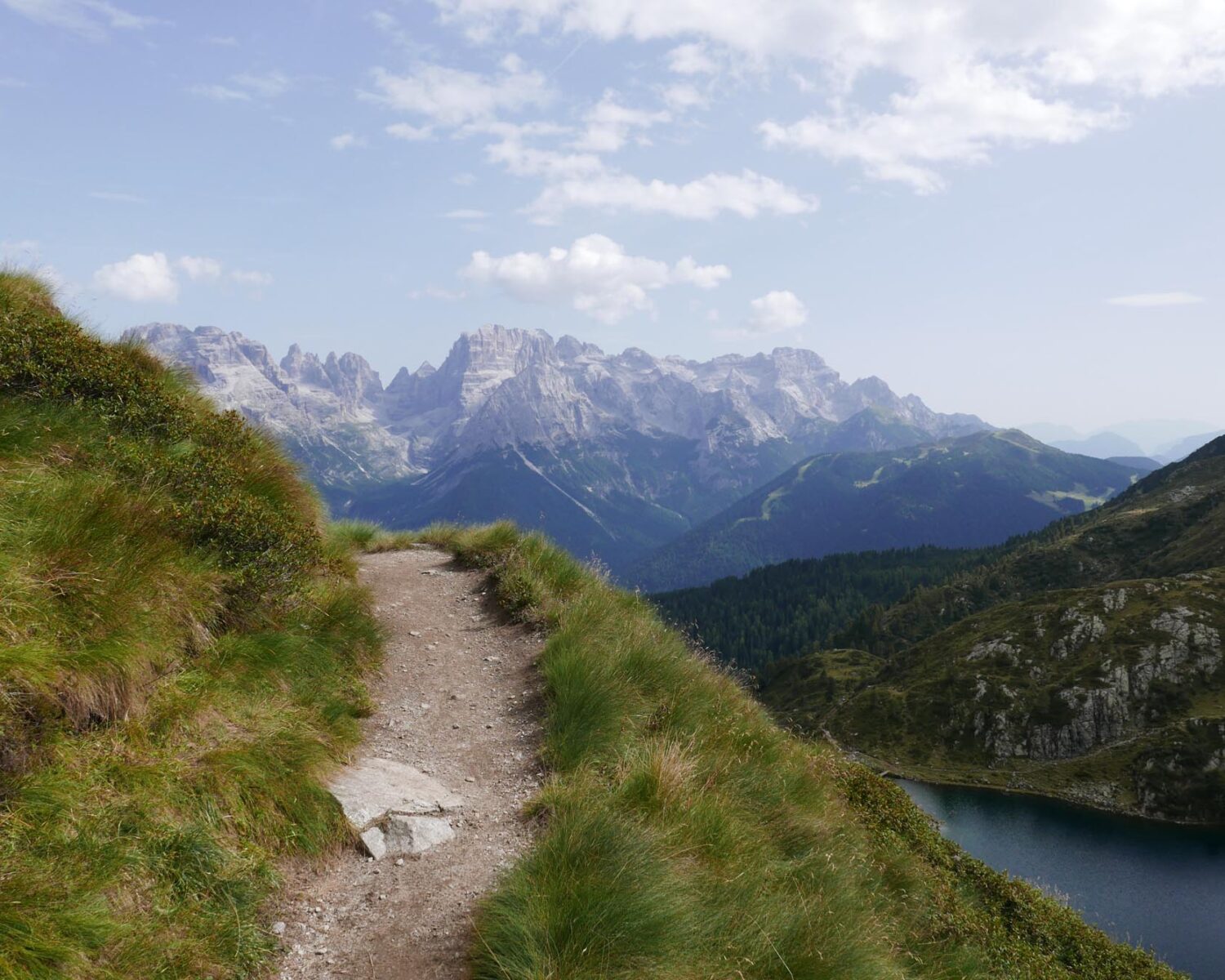
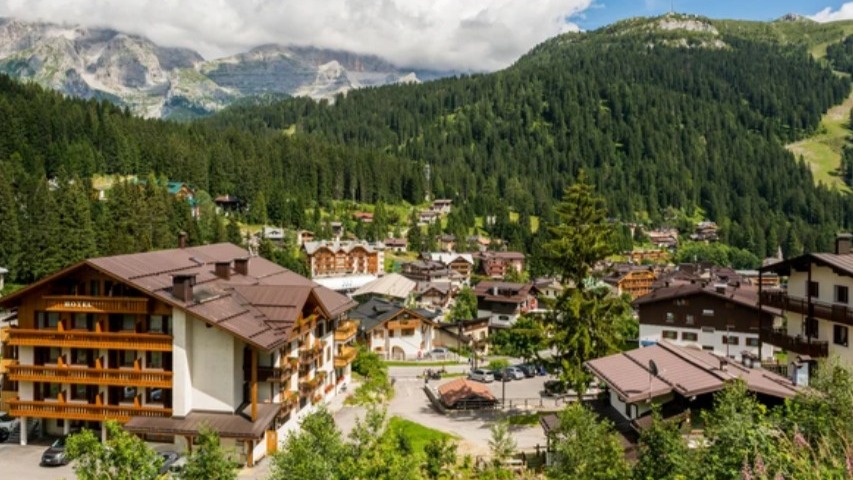
Staying high on the Presanella slopes, today follows the celebrated Five Lakes Route, one of the finest walks in the Adamello-Brenta Nature Park. Crystal-clear lakes shimmer among open terrain above the treeline, bordered by rhododendrons, gentians and rich alpine flora. Your route is carefully timed to reach the highlights before day visitors arrive from Madonna di Campiglio. Early starts are often rewarded with sightings of chamois grazing quietly nearby. By afternoon, you descend into Madonna di Campiglio itself — a lively alpine town where cafés, shops and a relaxed evening provide a gentle pause before heading deeper into the Brenta wilderness.
3* Hotel, Madonna di Campiglio (half-board)
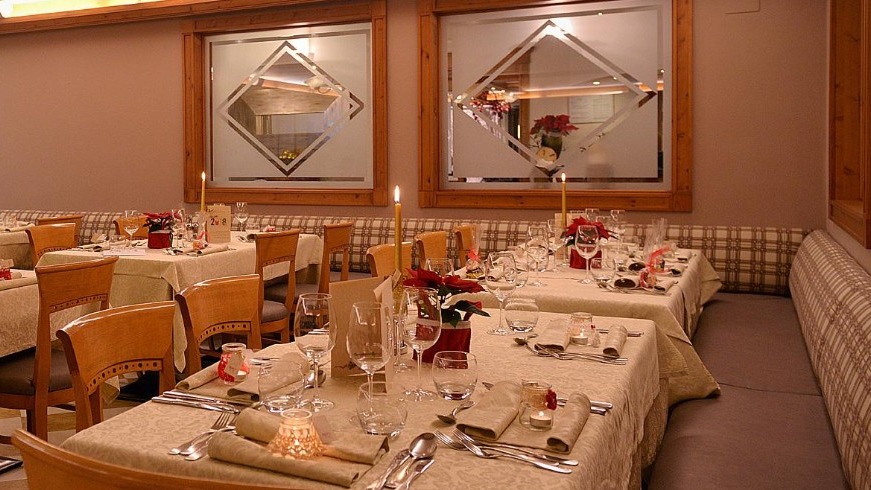
Tonight you stay in the lively alpine resort of Madonna di Campiglio, offering a contrast to the solitude of the mountains. Your comfortable 3 star hotel will provide a chance to recharge, with private rooms, modern facilities and a relaxed atmosphere. After your walk, enjoy time to stroll the town or unwind before dinner. Evening meals are served in the hotel restaurant and typically include a choice of regional Italian dishes, while breakfast offers a varied buffet to set you up for the return to the high trails. A perfect blend of comfort and convenience.


Day 4
Vallesinella Waterfalls
11km, Walking Time – 5hrs, Ascent 860m, Descent 200m
Walk overview
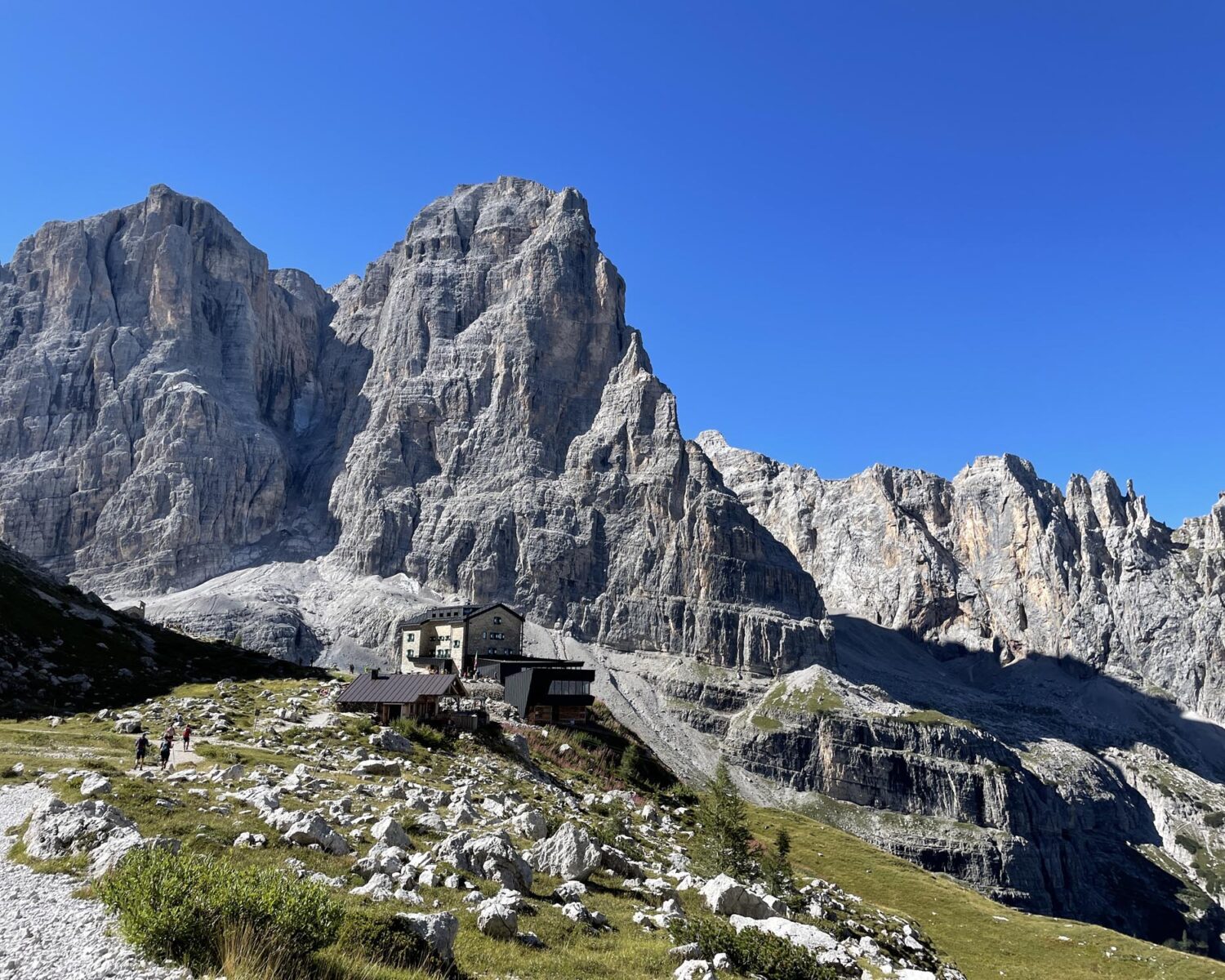
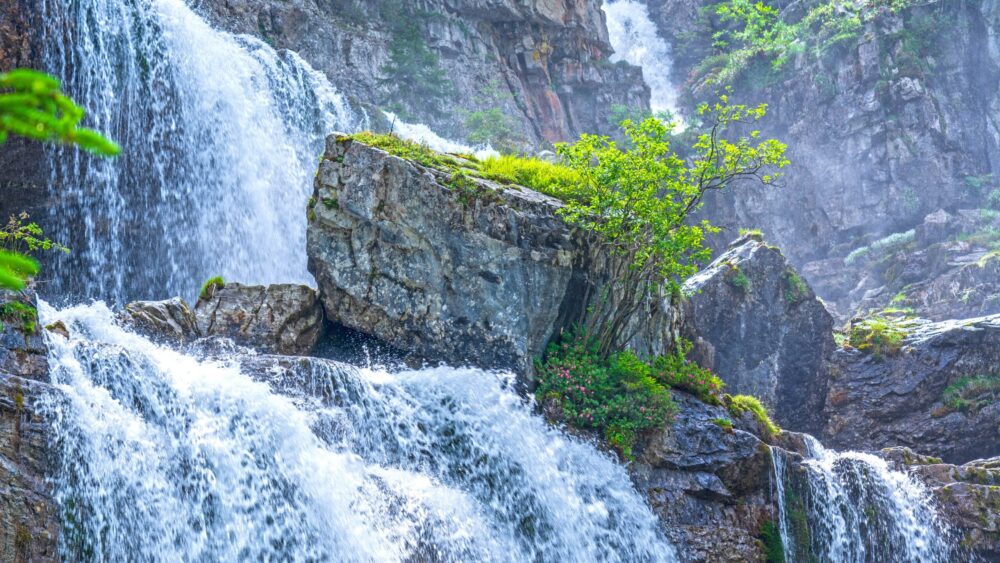
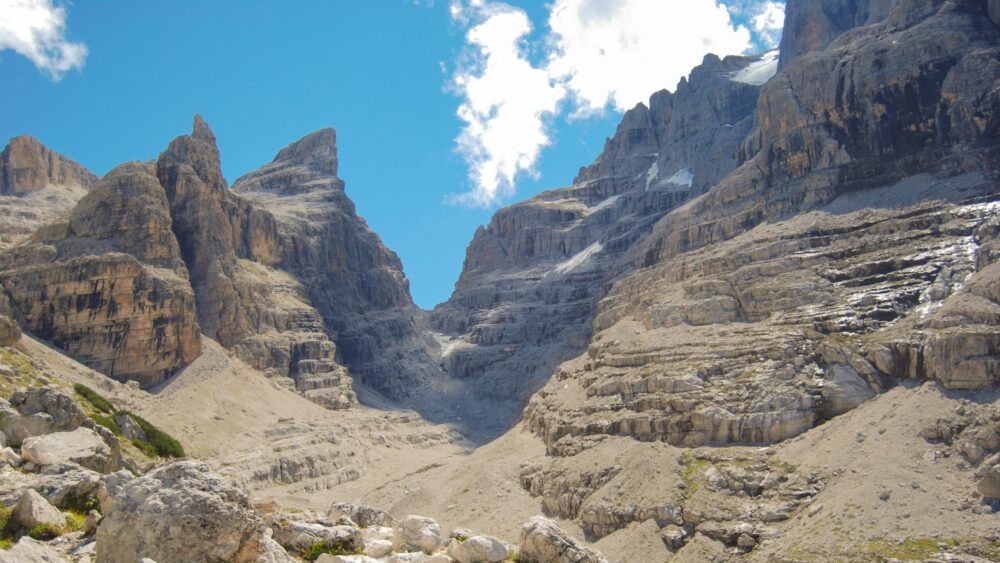
Leaving Madonna di Campiglio, the trail heads straight into the core of the Brenta Dolomites. Your first highlight is the Vallesinella Waterfalls, reached in the morning via forest paths and a beautifully engineered trail with wooden bridges crossing tumbling streams. The cool air and rushing water make this a memorable start. Beyond the waterfalls, the route climbs steadily out of the forest and into increasingly dramatic terrain. As the monumental limestone walls of the central Brenta rise above you, views open westwards towards the still-glaciated Adamello Group. Your mountain hut awaits at around 2,200m.
Rifugio Brentei or Alimonta (half-board)
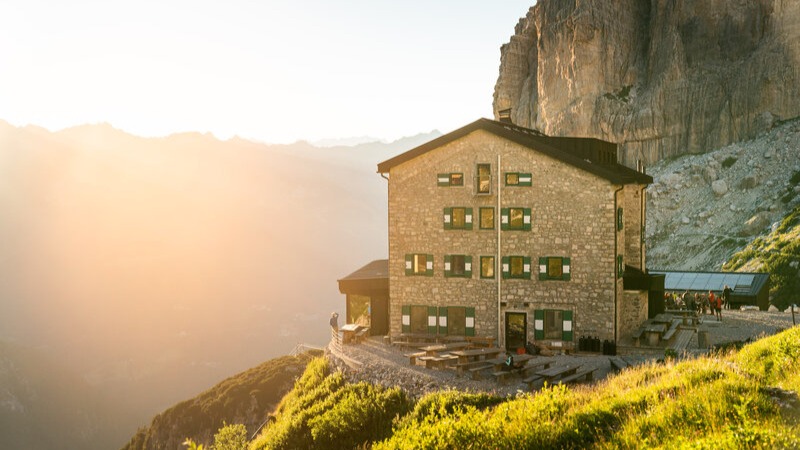
High in the dramatic heart of the Brenta Dolomites, tonight’s rifugio is surrounded by towering rock walls and wild alpine scenery. Whether staying at Brentei or Alimonta, expect a classic high-mountain atmosphere: simple accommodation, communal areas, and unforgettable surroundings. These huts are perfectly placed for sunset views over the Brenta’s jagged peaks. Dinner is filling and traditional, designed for hungry walkers, while breakfast is practical and nourishing. This is a true mountain experience—remote, atmospheric, and deeply rewarding.


Day 5
Passo Grostè
8km, Walking Time – 4hrs, Ascent 570m, Descent 310m (Recommended extension to Orti della Regina – add 2hrs)
Walk overview
Today brings you fully into the heart of the Brenta. Walking beneath the imposing flanks of Cima Grostè, the trail follows classic Dolomitic terrain at around 2,300m, with wide views across to the Presanella and Adamello ranges. The direct route to Passo Grostè is relatively short, leaving time for an optional extension to the Orti della Regina, where ancient marine fossils lie embedded in the rock. As evening falls, the Brenta’s famed red limestone ignites in the sunset — the phenomenon known as Enrosadira — an unforgettable natural spectacle.
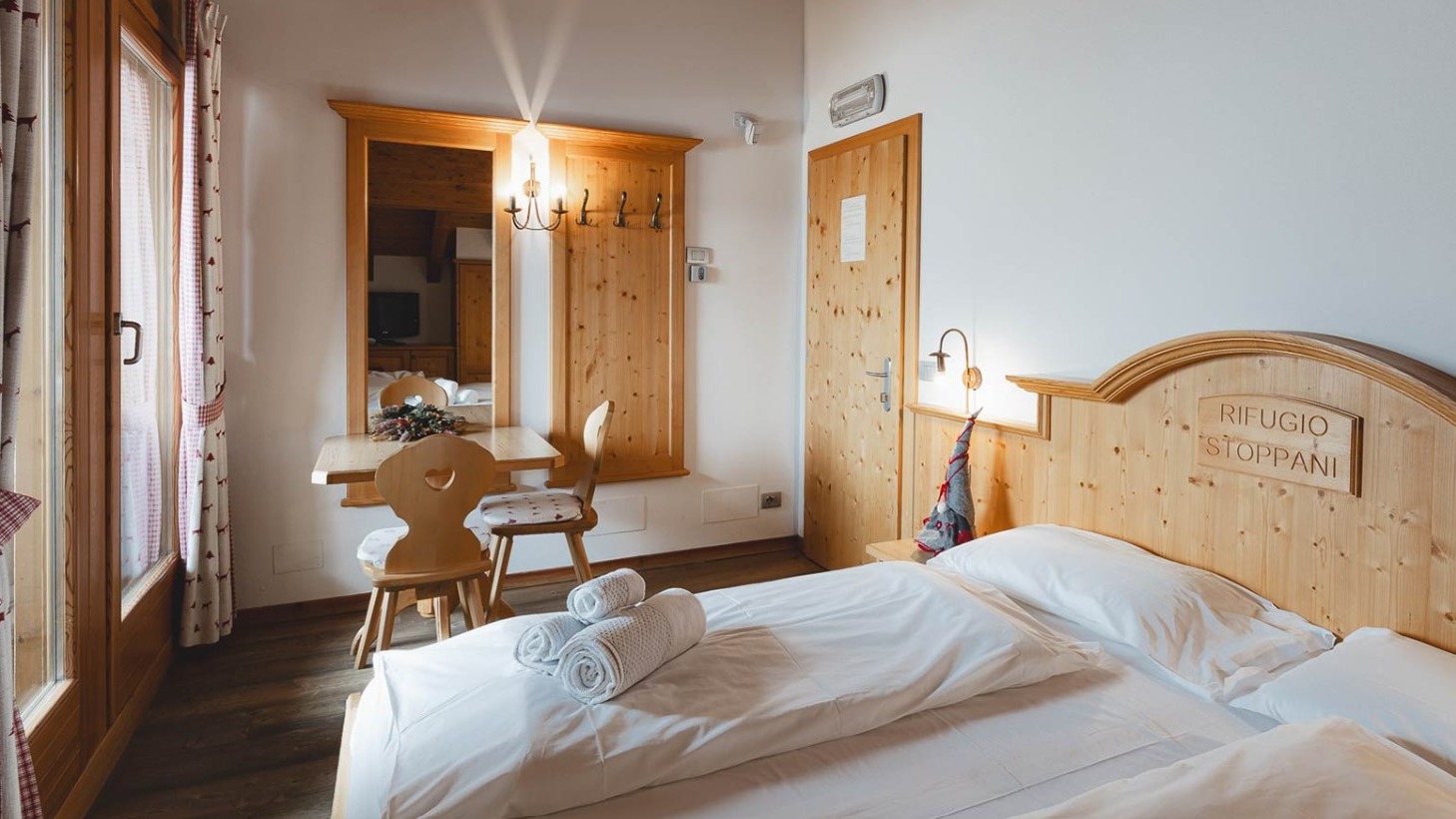
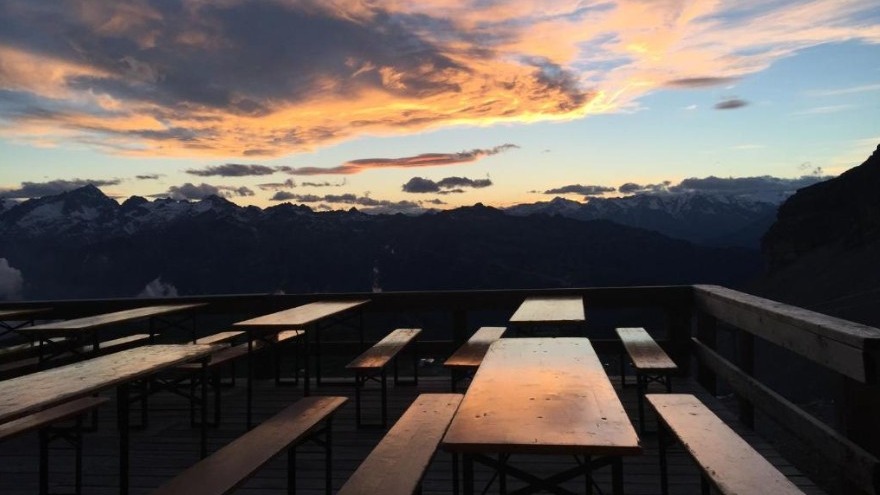
Rifugio Stoppani (half-board)
Located at Passo Grostè beneath the striking Pietra Grande, Rifugio Stoppani enjoys a spectacular panoramic setting. Spacious terraces and large windows make the most of the surrounding views, particularly at sunset when the mountains glow red during the Enrosadira. The rifugio is comfortable and well-run, with a friendly, lively atmosphere. Dinner features generous mountain cuisine—warming soups, pasta dishes and local specialities—while breakfast is served early and is well suited to a full day on the trail. A memorable night in one of Brenta’s most scenic locations.


Day 6
Lake Tovel
14km, Walking Time – 5hrs, Ascent 50m, Descent 1270m

Walk overview
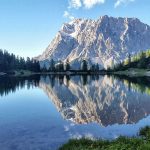
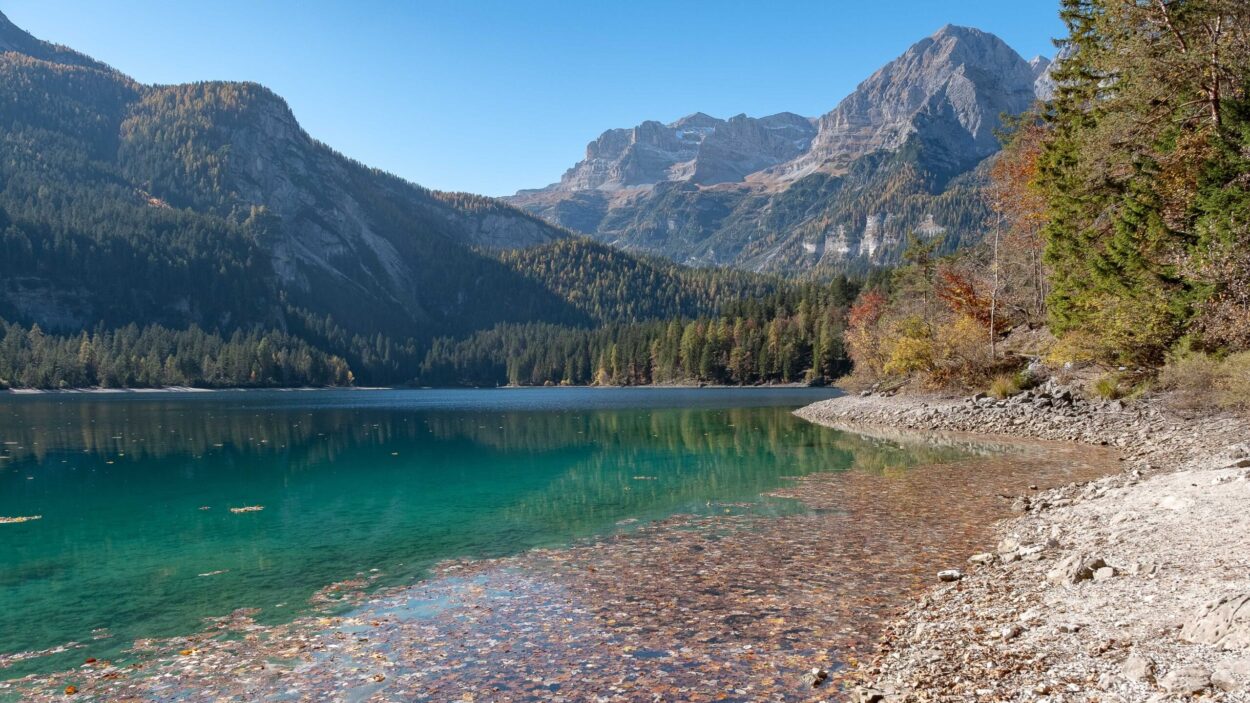
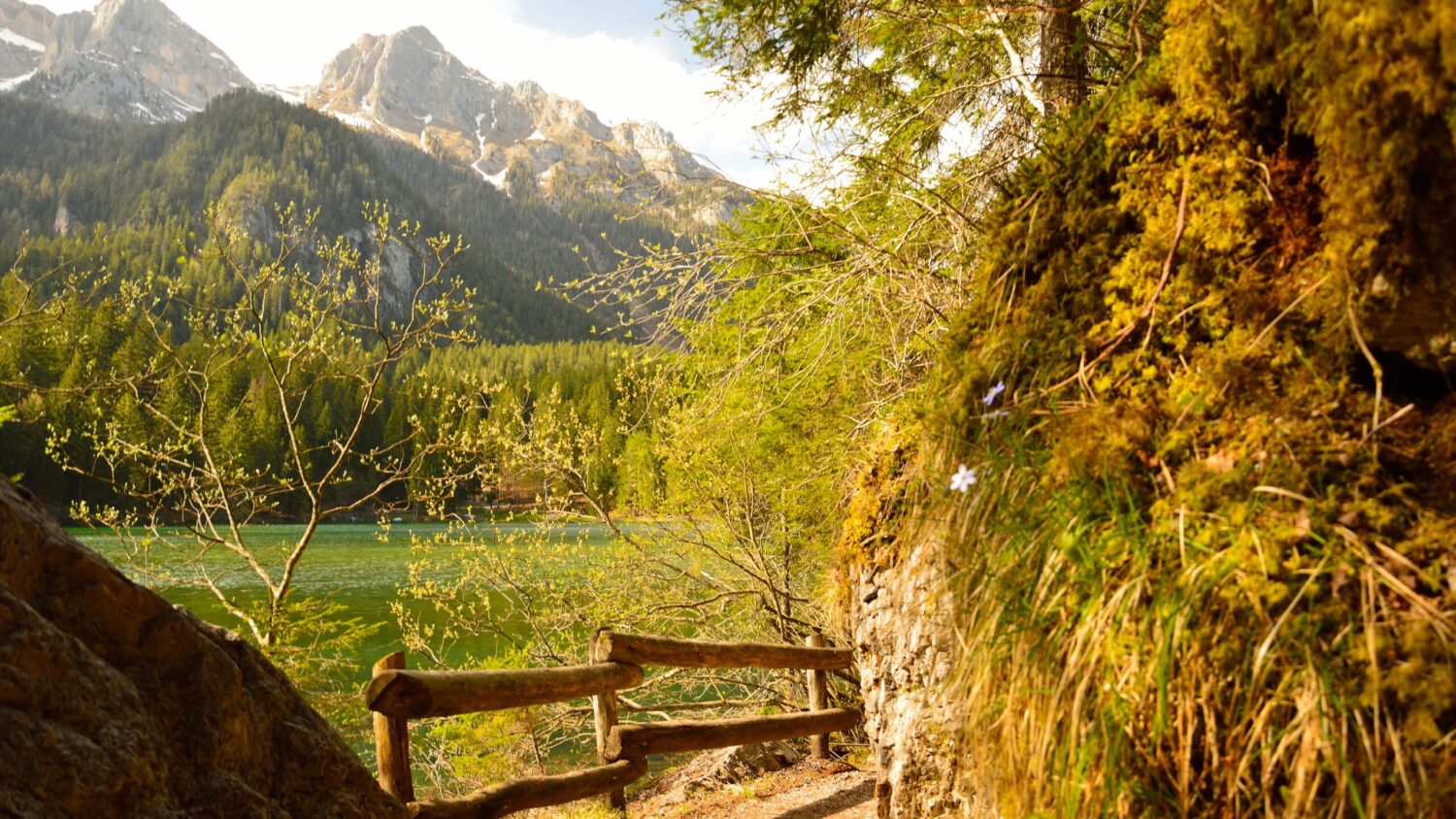
This stage links Passo Grostè with the celebrated Lake Tovel, crossing the open meadows of Val Flavona. Along the way, the striking Turrion Tower rises unexpectedly from the pastures — a 160m fortress-like rock formation and a true Brenta icon. Although the day involves a substantial descent, the gradients are gentle and the walking comfortable. Lake Tovel itself is a visual highlight, its still waters reflecting surrounding peaks. Once famed for turning red each summer, it remains one of the Dolomites’ most photogenic natural landmarks.
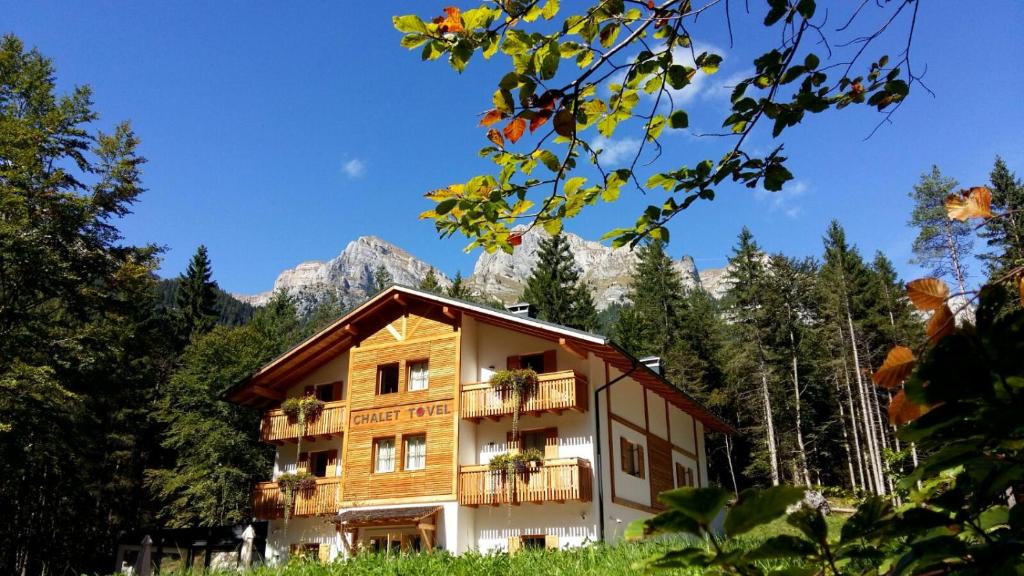
Chalet Tovel (half-board)
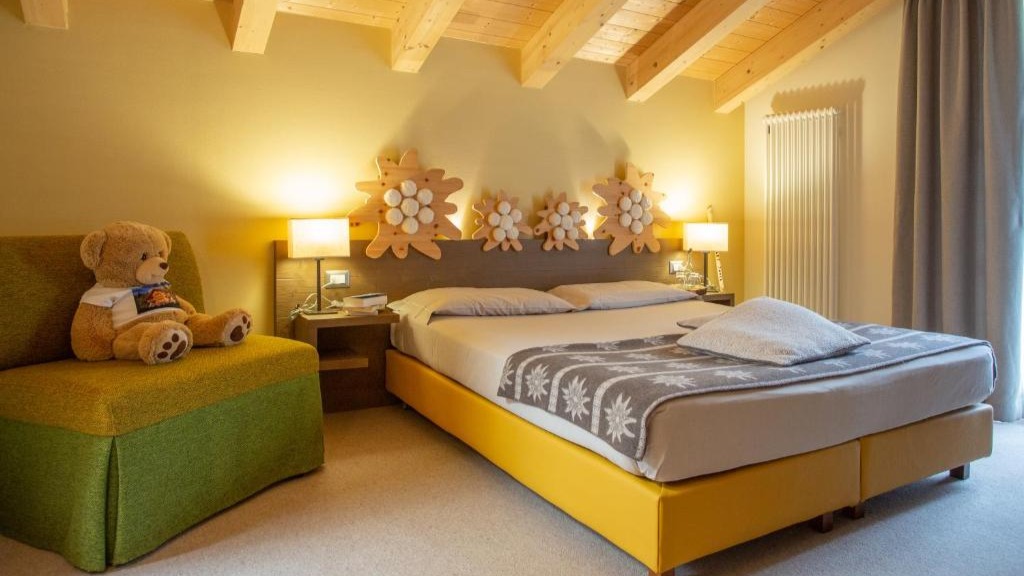
Set amongst peaceful woodland just a short stroll from the shores of the beautiful Lake Tovel, Chalet Tovel offers a warm and welcoming stay in the heart of the Brenta Dolomites. Combining traditional alpine charm with modern comforts, it’s an ideal place to relax after a rewarding day’s walking. Dinner is served in the chalet’s inviting restaurant, where you’ll enjoy hearty regional cuisine inspired by Trentino’s mountain traditions, while breakfast provides a generous start to the day ahead. With the surrounding forests and spectacular mountain scenery on your doorstep, Chalet Tovel is a tranquil base from which to experience this beautiful corner of the Dolomites.
Day 7
Northern Brenta
13km, Walking Time – 6hrs, Ascent 1100m, Descent 330m

Walk overview
Morning light at Lake Tovel is magical — an early stroll to the northern shore reveals sunlit summits mirrored on glassy water. Today explores the northern Brenta, its quietest and most varied region, where red-tinged rock, forest and open pasture combine in constantly changing scenery. Walkers are few and far between. The trail leads towards Monte Peller, passing traditional alpine farms where marmots often stand watch from the meadows. One such farm produces distinctive local cheeses — well worth sampling if open. This is a peaceful, pastoral day that contrasts beautifully with the drama of earlier stages.
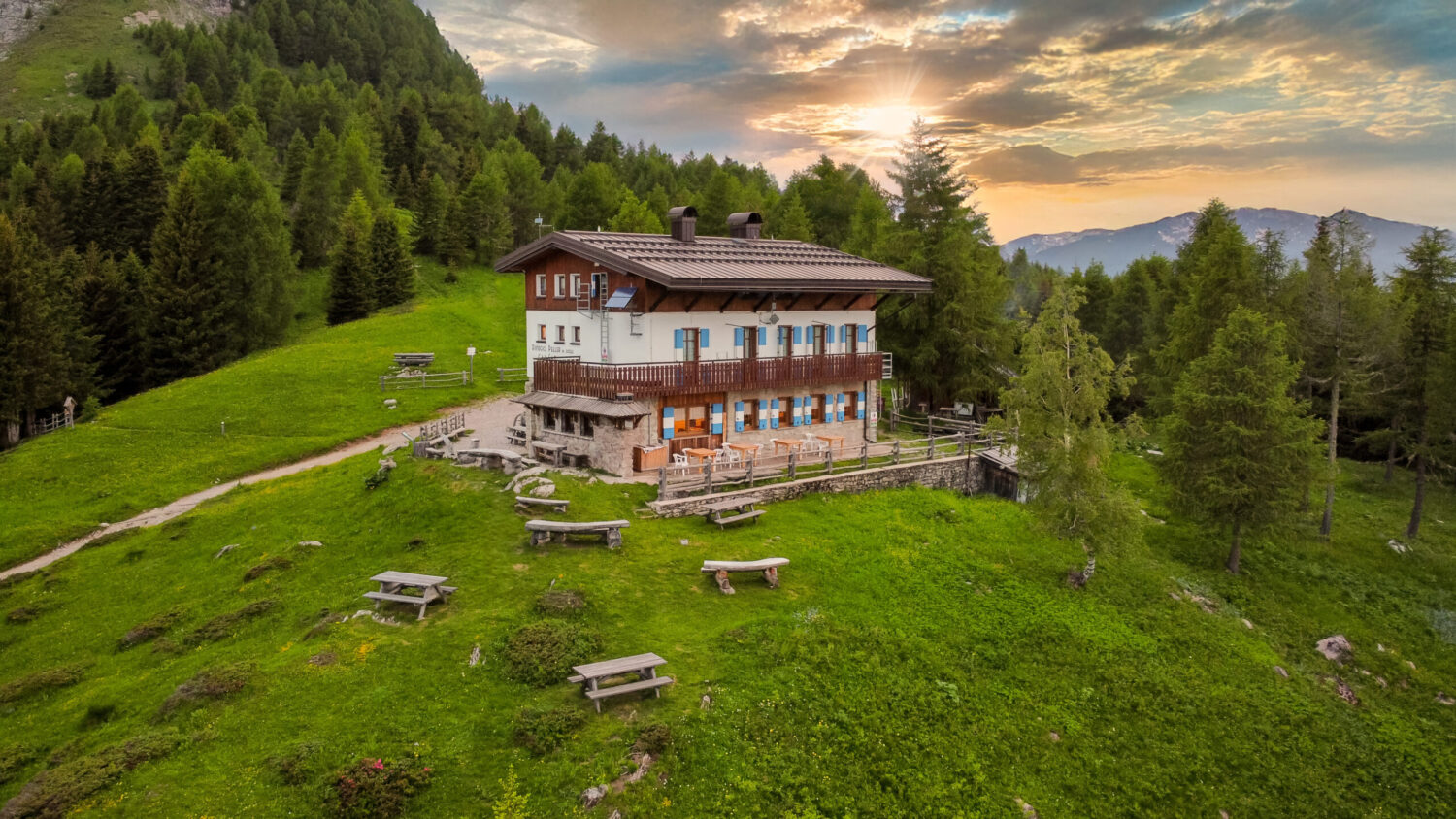
Rifugio Peller (half-board)
Rifugio Peller sits in a wonderfully remote position at the northern edge of the Brenta Dolomites, surrounded by rolling pastures and wide-open views. The setting feels pastoral and unspoilt, with marmots often spotted nearby. The rifugio is welcoming and rustic, offering a relaxed end-of-day atmosphere. Dinner highlights traditional mountain cooking, often using local dairy products, while breakfast is simple, wholesome and well suited to your final walking day. A peaceful and characterful mountain stay, far from crowds and deep in nature.
Day 8
Monte Peller
10km, Walking Time – 5hrs, Ascent 45m, Descent 1300m
Walk overview
Your final day offers a choice. A more demanding option ascends Monte Peller via a protected, exposed trail, rewarded with a superb 360-degree panorama over the Brenta and the Ortler-Cevedale Group beyond. Alternatively, a gentler walk leads to Lake Salare, a serene spot set among upland pastures and rare fir trees, often frequented by artists. Whichever you choose, a long woodland descent returns you to Val di Sole, bringing this richly varied Brenta Dolomites journey to a fitting close.
3* Hotel, Val di Sole (B&B)
Your final night returns you to the Val di Sole, where a comfortable 3 star hotel provides a fitting end to your journey. After days in mountain huts, the extra space and privacy are especially welcome. Rooms are cosy and well equipped, and the atmosphere is relaxed and friendly. Breakfast is served buffet-style, featuring fresh bread, pastries, fruit and local produce—ideal before onward travel. This final stay offers time to reflect on the landscapes crossed, the peaks explored, and a memorable journey through the Brenta Dolomites.
Day 9
Depart
Travel overview
Make your way back to the airport by public transport, hire car or you can book a private transfer. Depending on your flight time (or other onward travel arrangements), an early start might be necessary.
Testimonials
Frequently Asked Questions
The Adamello-Brenta Nature Park is the largest protected area in Trentino, northern Italy, encompassing the dramatic Brenta Dolomites and the glaciated peaks of the Adamello-Presanella range. Renowned for its breathtaking alpine scenery, the park features rugged limestone spires, soaring glaciers, alpine meadows, and crystal-clear mountain lakes. It is also a haven for wildlife, including ibex, chamois, red deer, marmots, and golden eagles, making it a paradise for nature lovers. With an extensive network of well-maintained hiking trails and traditional mountain huts (rifugios), the park offers walkers the opportunity to experience challenging yet rewarding hut-to-hut treks while fully immersing themselves in the region’s spectacular natural beauty.
The Adamello-Brenta Nature Park is a spectacular destination for walkers, combining the rugged, jagged peaks of the Brenta Dolomites with the glaciated terrain of the Adamello-Presanella range. A hut-to-hut holiday allows you to traverse this diverse landscape with only light luggage that you take with youon your walks, moving from one well-equipped rifugio to the next. Walkers can enjoy dramatic mountain scenery, alpine meadows, pristine lakes, and the chance to spot wildlife such as ibex, chamois, and golden eagles. This combination of natural beauty, well-maintained trails, and mountain hospitality makes it an ideal location for both challenging and scenic multi-day walks.
Walking in the Adamello-Brenta Nature Park ranges from moderate to challenging, depending on the chosen route, but is considered moderate for this walking holiday itinerary.
Trails in the Brenta Dolomites feature rocky ridges, steep ascents, and narrow paths, while the Adamello-Presanella side includes higher alpine passes, glaciers, and longer days of trekking. Walkers should have a good level of fitness, a head for heights, and experience on uneven mountain terrain.
The optimal period for a hut-to-hut walking holiday in the Adamello-Brenta National Park is mid-June through the end of August. During this window, snow has usually melted from the higher passes, the rifugios are open, and the weather is generally stable, making trail conditions safer and more predictable. Early in June, lingering snow may still make some sections more challenging, while by late August, walkers can enjoy long daylight hours, vibrant alpine meadows, and breathtaking mountain views. This period offers the best combination of accessibility, comfort, and scenic beauty for exploring the varied terrain of the park.
Not always. Generally only linen is provided, so pack a compact towel for your showers.
Sockets will be available, but not always near to your bed – especially if in dorms. It’s always a good idea to take a battery pack, and recharge this periodically, rather than leave your phone in communal areas. You’ll also need to remember your plug adaptor.
Walks on this holiday follow clearly waymarked and signposted routes, ranging from well-used woodland paths to steeper trails on looser, rocky terrain. Some sections may feel exposed, and in higher mountain areas a good level of fitness, experience and surefootedness is required. Early in the season, patches of snow may still be present on higher ground. The route avoids via ferratas and remains on the main paths throughout, meaning no specialist skills or equipment are needed to complete the walks.
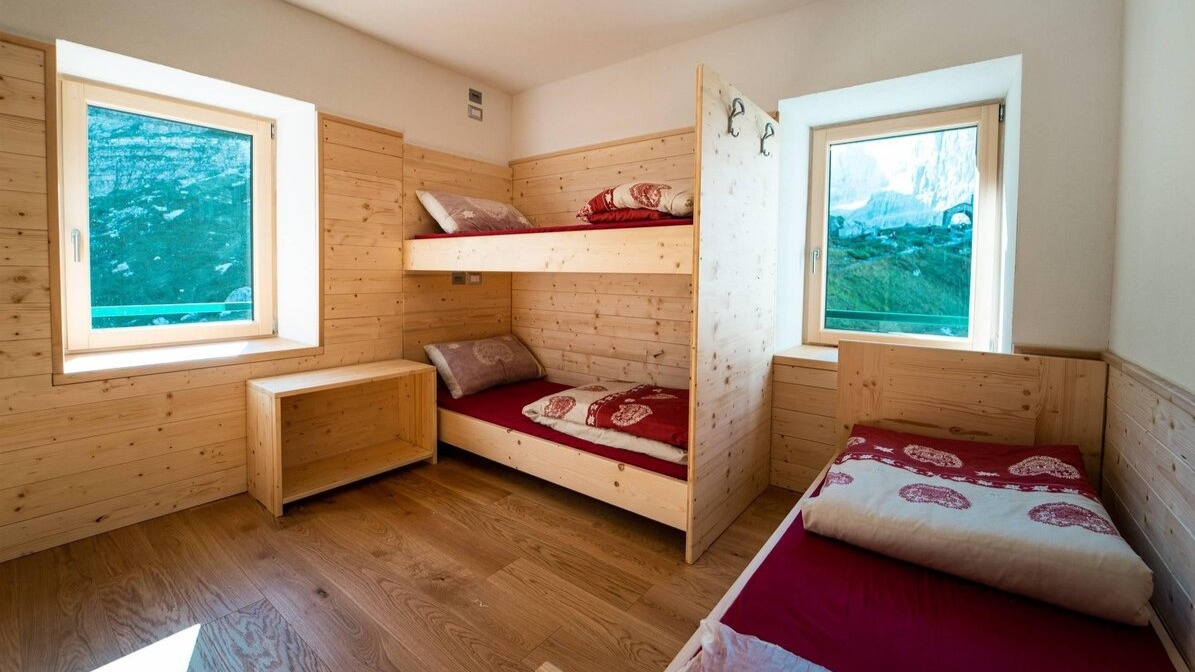
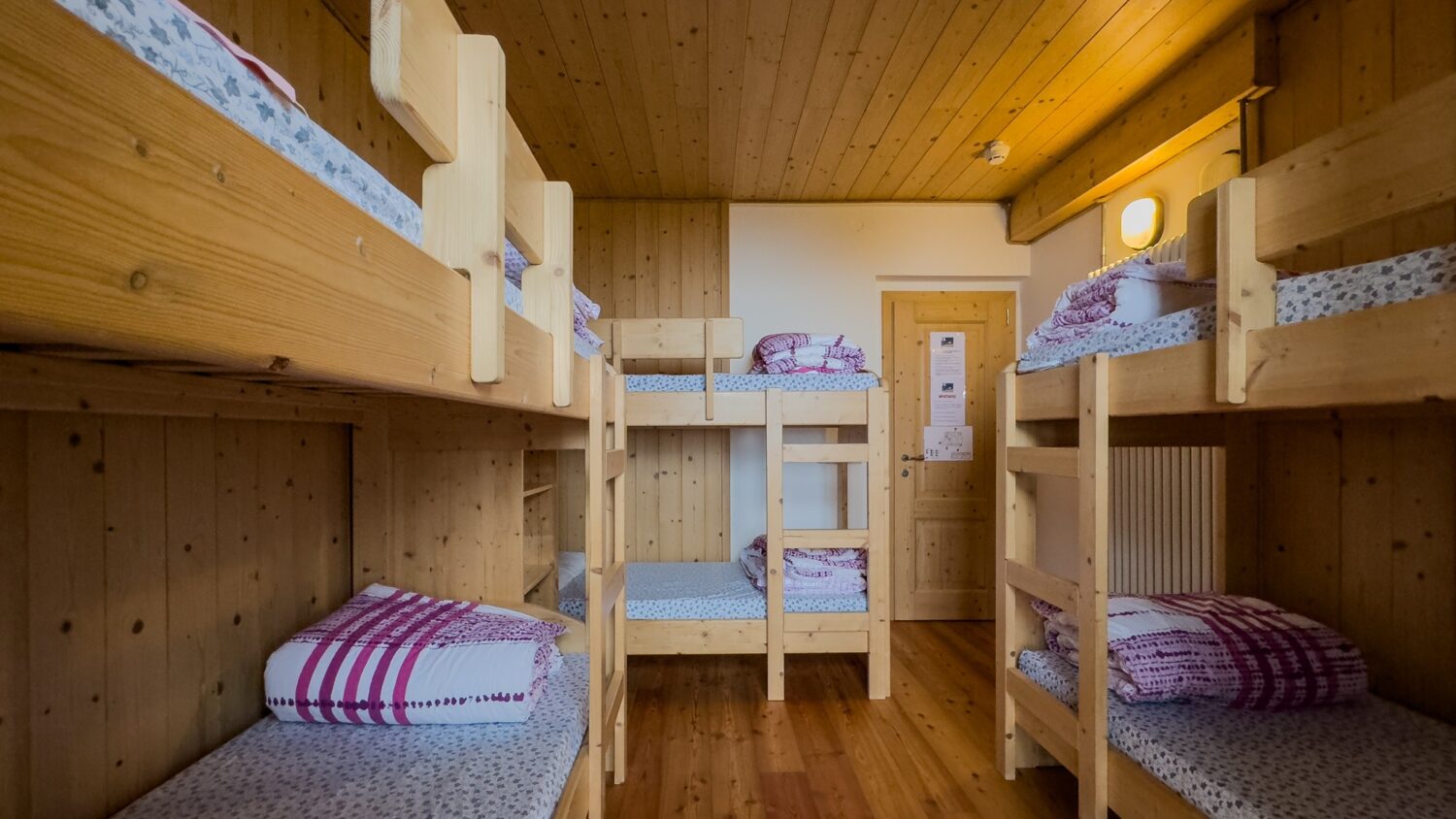
Except for nights 1, 3 and 8, you will stay overnight in mountain lodges, known locally as ‘rifugios.’ These generally offer the following facilities: a bed in a shared room or in a private room (these must be booked in advance and cost £20pp/ night extra, subject to availability), showers with hot water, toilets, meals, and a water supply for refilling water bottles. Snacks, such as sandwiches and chocolate, are usually available to buy. Shared rooms are equipped with bunk beds with mattresses, pillows and blankets. Bed linen is not provided in shared bedrooms: you must have a sleeping bag liner (typically, this is simply a light cotton bag). A warm sleeping bag is generally unnecessary, since there are always blankets in the rooms. If you have pre-booked a private room, you are often offered bed linen, thus a sleeping bag liner is not required, but this will be confirmed when you book. Finally, you will need clean footwear for the huts: light sliders are an ideal solution.
Breakfast & Dinner – Breakfast is normally served between 7:00 and 9:00am and typically includes unlimited tea and coffee, bread with butter, jam, honey and chocolate spread. Some mountain huts also provide additional items such as ham, cheese and muesli. Guests may refill a flask or thermos with hot water or tea free of charge at breakfast by asking a member of staff. Dinner is usually served at 7:00 or 7:30pm for all guests and is a generous, multi-course meal, consisting of a starter, a first course (such as pasta, risotto or dumplings), a main course of meat with a side dish, and a dessert. Drinks at dinner, including water, wine, beer, tea and coffee, are not included and must be ordered and paid for separately.
Lunch – It is often possible to stop for lunch at mountain huts along the route, although this is not guaranteed every day. When this is not possible, we recommend purchasing light snacks such as sandwiches, yoghurt, chocolate and water from the hut where you stayed the previous night. Lunch dishes in mountain huts are similar to those served in the evening, with typical hot meals such as pasta or risotto costing €10–14.
You are responsible for wearing suitable outdoor clothing and following good mountain practice and safety procedures at all times. When planning your day, it’s important to be realistic about route timings, taking into account your fitness, experience and ability. These self-guided hut-to-hut walking holidays are designed so that no specialist skills or equipment are required, unless this is clearly stated in the itinerary. Routes follow well-maintained, waymarked trails, and any exposed sections are secured on the self-guided routes, making them safe provided basic mountain safety guidelines are observed.
Weather – The Dolomites usually experience their most settled conditions from July through to mid or late September, with warmer temperatures and lower rainfall, although thunderstorms can develop in the mid to late afternoon on hotter days. Weather in June is often good but less predictable, and lingering winter snow can affect higher passes, meaning routes may need to be adjusted depending on snow conditions. Late September can bring excellent weather, but it is generally more changeable, with increased rainfall and cooler temperatures; snowfall above 2,000m is not uncommon.
Most hiking routes in the Dolomites are above 2,000m, where temperatures are rarely hot. On sunny August days, temperatures may exceed 20°C during the warmest part of the day, creating comfortable walking conditions, while on colder, overcast days temperatures can remain around 10°C. Nights and early mornings are always chilly at altitude. Thunderstorms, sometimes accompanied by hail, occur on some days in July and August. In contrast, valley areas at 1,000–1,500m can reach 30°C, though mornings and evenings remain fresh and nights are generally comfortable, even during the hottest weeks of summer.
Why book with Collett’s?
-
Unforgettable walks
-
With you every step
-
Handpicked hotels with warm hospitality
-
Mountain holiday specialists since 1997
Need to Knows
Trusted Local Partner – Please note that this holiday is organised by us in association with a trusted local partner.
Booking Conditions – Please read our full terms and conditions here before booking.
Travel Insurance – Having adequate and valid travel insurance is a condition of booking with us. Details of our insurance partner, Campbell Irvine, are here, should you wish to get a quote.
ETIAS & EES – The European Travel Information and Authorisation System is not due to be introduced until late-2026. Currently there is not an exact date as to when it will come into force. This means you do not need to have a ETIAS for travel to Europe at the moment. The Entry / Exit System is now fully operational. For more information read our blog article here.
ABTA – Independent travel advice and help is always available from ABTA by calling 020 3117 0599 or visiting www.abta.com.
Travel Advice – Check your government’s travel advisory for up-to-date information and advice about your destination. For UK citizens, check the latest Foreign, Commonwealth & Development Office advice here.
Health Information – You should carry either an European Health Insurance Card (EHIC) or a Global Health Insurance Card (GHIC) Neither is an alternative to adequate travel insurance. For more information visit https://www.gov.uk/foreign-travel-advice and https://travelhealthpro.org.uk/