Testimonials
Frequently Asked Questions
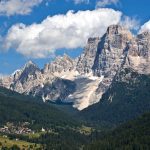
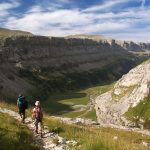
The Pale di San Martino is a striking mountain group in the Dolomites of northeastern Italy, known for its dramatic limestone peaks, vertical walls, and deep valleys. It is the largest Dolomite group, covering over 2,400 square kilometers, and includes some of the most iconic and photogenic landscapes in the region, with jagged spires, rocky plateaus, and alpine meadows. The area is popular with walkers, hikers, and climbers, offering a variety of trails from gentle valley walks to challenging high-altitude routes,
The Pale di San Martino is ideal for a hut-to-hut walking holiday because it combines dramatic, high-altitude scenery with a well-developed network of rifugios that allow walkers to traverse the mountains comfortably without carrying heavy packs. The area offers a mix of terrain, from gentle alpine meadows and forested valleys to rugged ridges and plateaus, providing variety and challenge for every stage of the trek. Staying in the mountain huts not only gives hikers a chance to rest and enjoy hearty local meals but also immerses them in the rich alpine culture and camaraderie of fellow trekkers. With clearly marked trails, breathtaking panoramic views, and the opportunity to experience both nature and tradition, the Pale di San Martino provides a fully rewarding hut-to-hut trekking experience in one of the Dolomites’ most spectacular regions.
The optimal time to explore the Pale di San Martino on foot is from late June through September, when the trails are largely clear of snow and the mountain huts (rifugios) are open to welcome walkers. During these months, the weather is generally reliable, alpine meadows are at their most vibrant, and the dramatic limestone peaks are fully accessible. Starting in late June, some higher paths may still have residual snow, offering an early-season adventure for prepared hikers, while September brings fewer crowds and crisp, clear days that make trekking especially rewarding. This period provides the best conditions for enjoying the full range of landscapes and experiences the Pale di San Martino has to offer.
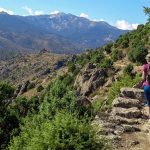
The walks in the Pale di San Martino are generally moderate, making the area perfect for walkers who want a rewarding alpine experience without overly strenuous terrain. Trails primarily follow well-marked paths through scenic valleys, alpine meadows, and gentle ridges, with some sections offering more varied terrain to keep the days interesting. While a good level of fitness is helpful, there are no technical climbs or exposed scrambles on the moderate routes, and daily elevation gains are manageable. Combined with the network of comfortable rifugios, this makes the Pale di San Martino ideal for a relaxed but satisfying hut-to-hut walking holiday, where the focus is on enjoying the stunning scenery rather than pushing physical limits.
Not always. Generally only linen is provided, so take a compact towel for your showers.
Sockets will be available, but not always near to your bed – especially if in dorms. It’s always a good idea to take a battery pack, and recharge this periodically, rather than leave your phone in communal areas. You’ll need to remember your plug adaptor.
On a typical hut-to-hut route in the Dolomites, the terrain can vary considerably, though most of the walking takes place on moderately challenging trails. Exposed sections are sometimes encountered, but these are usually widened or secured with chains or metal cords, allowing hikers to pass safely without specialist equipment. The holiday follows only waymarked and signposted routes, ranging from well-trodden woodland paths to steeper trails on looser, rocky ground. In higher mountain areas, a good level of experience, surefootedness, and fitness is required, and early in the season you may encounter patches of late-lying snow on higher terrain.
You are responsible for wearing suitable outdoor clothing and following good practice and mountain safety procedures at all times. When planning your day, be realistic about how long each route will take, considering your fitness, experience, and ability. These self-guided hut-to-hut walking holidays are designed so that no specialist skills or equipment are required, unless clearly stated in the itinerary. Trails are generally well-maintained and waymarked, and any exposed sections on the self-guided routes are secured, making them safe provided you follow basic mountain safety guidelines.