Pale di San Martino Hut-to-Hut Walking Holiday
Venture into the majesty of a quieter corner of the Italian Dolomites
25 June 2027
–
13 September 2027
Enquire
Book Now
Country
Italy
Grade
Moderate
Duration
7 Nights
Style
Self-Guided
Type
Hut-to-Hut
Price
£1215
-
 Unforgettable walks
 -
With you every step
-
Handpicked hotels with warm hospitality
-
Mountain holiday specialists since 1997




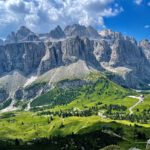
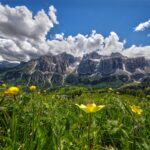
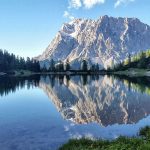
Experience the unique splendour of the Pale range with breathtaking panoramas throughout.
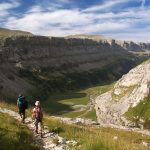
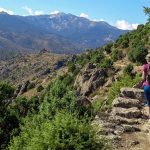
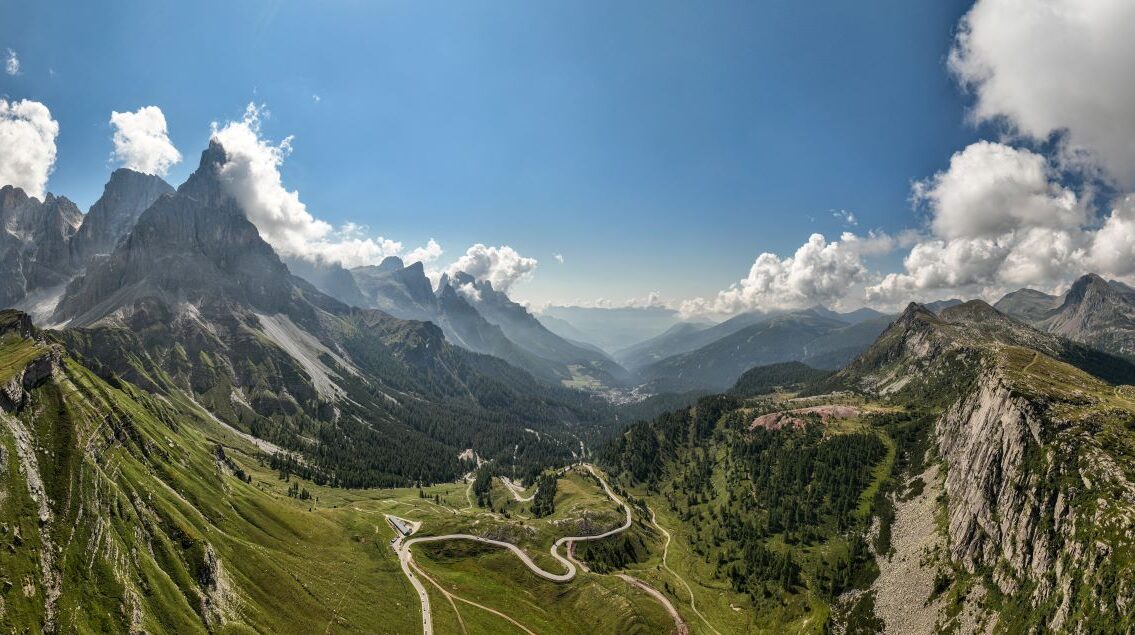
This holiday traverses the largest mountain group of the Dolomites on hidden gem routes, offering wondrous solitude. Spellbinding at every turn, this is a tranquil paradise for intermediate hikers, who crave flora, fauna, staggering rock formations, and the dramatic panoramic vistas from multiple natural viewing platforms.
On a Collett’s hut-to-hut holiday, you do the walking, while we do the rest. With our comprehensive maps and route notes, self-navigation is effortless. Each evening, enjoy the comfort and fabulous cuisine of traditional ‘rifugio’ accommodation, set in uniquely glorious locations. Simply choose your dates, and we’ll make the perfect hut-to-hut walking holiday a reality for you.
Browse this page for all you need to know about our Pale di San Martino hut-to-hut walking holiday. Then click Enquire or Book Now, submit some details, and let our skilled enquiry team give you a pleasurable and reassuring booking experience.
At a Glance
Dates
25 June – 13 September 2027
(You can start any day)
Price
£1215
This holiday requires a minimum of two people
Contact us for single supplements where required
Grade
Moderate
Expect to walk for 5 – 6 hours each day with between 350m – 1200m of ascent and 250 – 1850m of descent.
What’s Included
All Hut Bookings at half-board (breakfast and dinner included)
B&B Accommodation on your first and last night
Holiday Pack with comprehensive route notes, maps & more
Digital Map Access for the duration of your trip
Excess Baggage Storage in San Martino di Castrozza
Not included: packed lunches, tourist taxes (where applicable), and rifugio showers (if applicable, approx. €4).
Optional Upgrades
Private Rooms – Subject to availability, these can be reserved in advance in some rifugios at a supplement of £20pp/night. Booking early is recommended.
Travel
This holiday begins and ends in San Martino di Castrozza, nestled at the foot of the Pale plateau. Your best travel option is to fly into Venice Marco Polo. From there you can then travel by bus and train as follows:
- Shuttle bus from Venice Marco Polo to Venice Mestre train station (20 mins)
- Train from Mestre to Feltre (2 hrs).
Tickets and timetables available at TrenItalia - Bus from Feltre to San Martino (1½ hrs).
Alternatively, private transfers are available between Venice Marco Polo and San Martino and cost £120pp (each way, based on 2 people sharing). Transfers from other airports – e.g. Verona and Milan – are also available on request.
Itinerary & Accommodation
Day 1
Arrive in San Martino di Castrozza

Travel overview
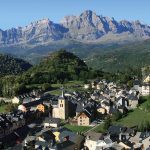
Travel to San Martino di Castrozza, making your by public transport, hire car or optional private transfer. Set deep beneath the towering walls of the Pale di San Martino, this historic alpine resort was one of the Dolomites’ earliest holiday destinations. Its elegant past and dramatic setting create a fitting introduction to the week ahead. Settle into your hotel and enjoy your first evening surrounded by some of the most striking peaks in the Italian Alps.
Hotel in San Martino di Castrozza (B&B basis)
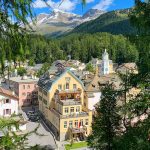
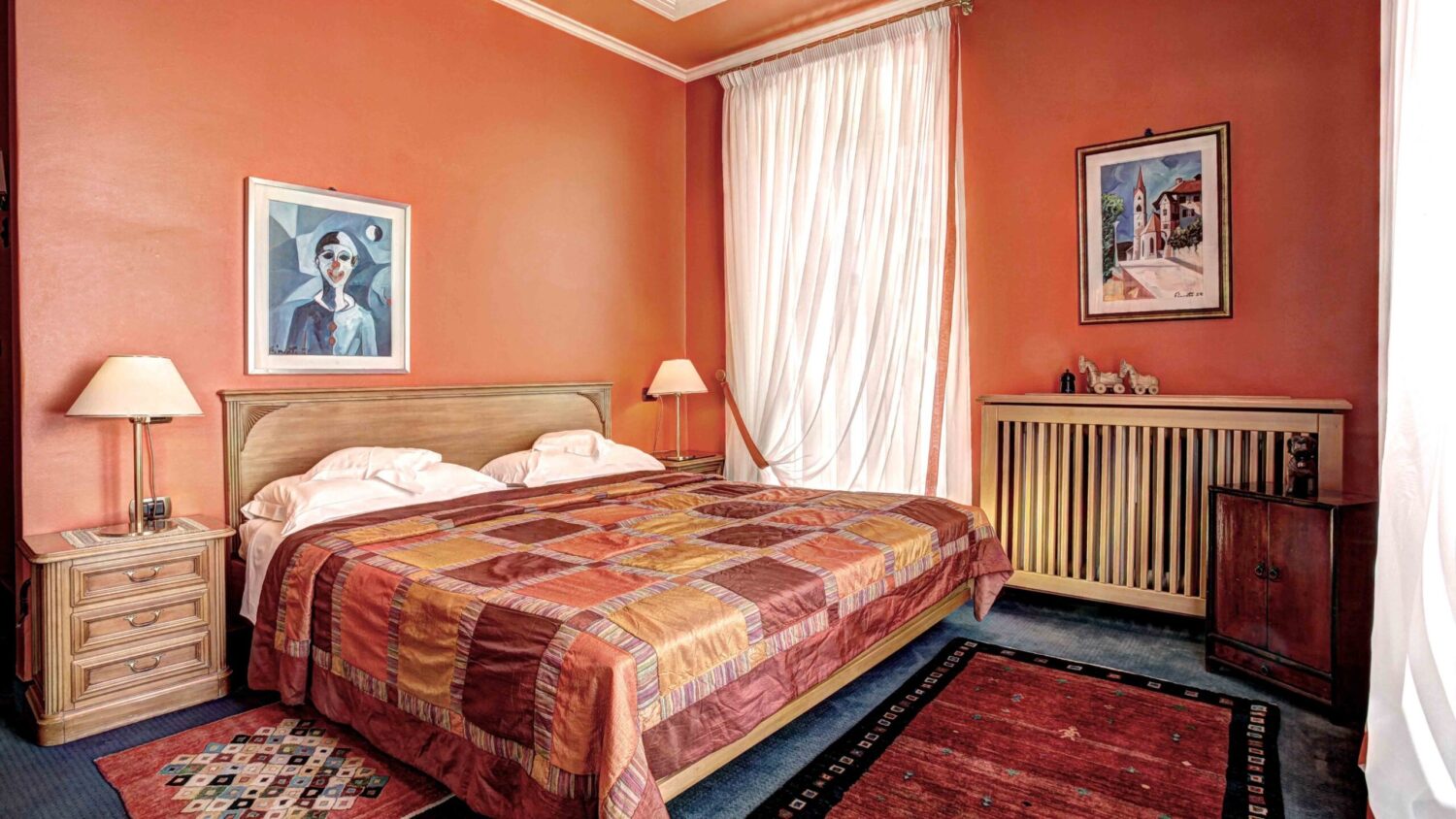
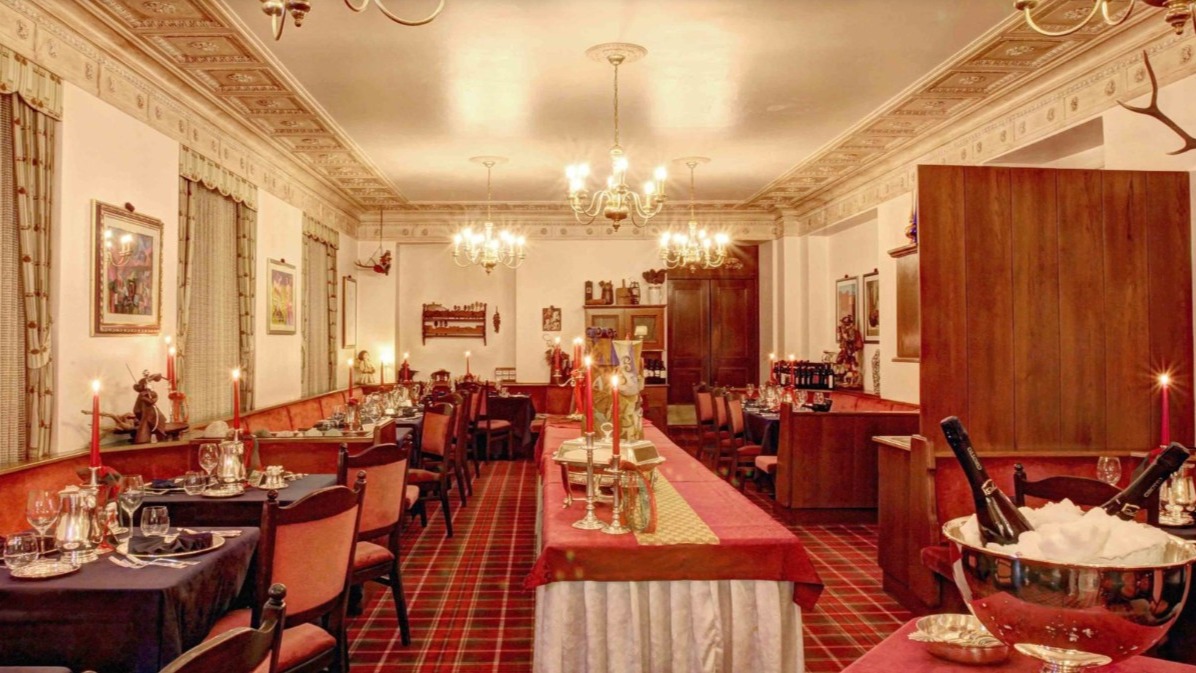
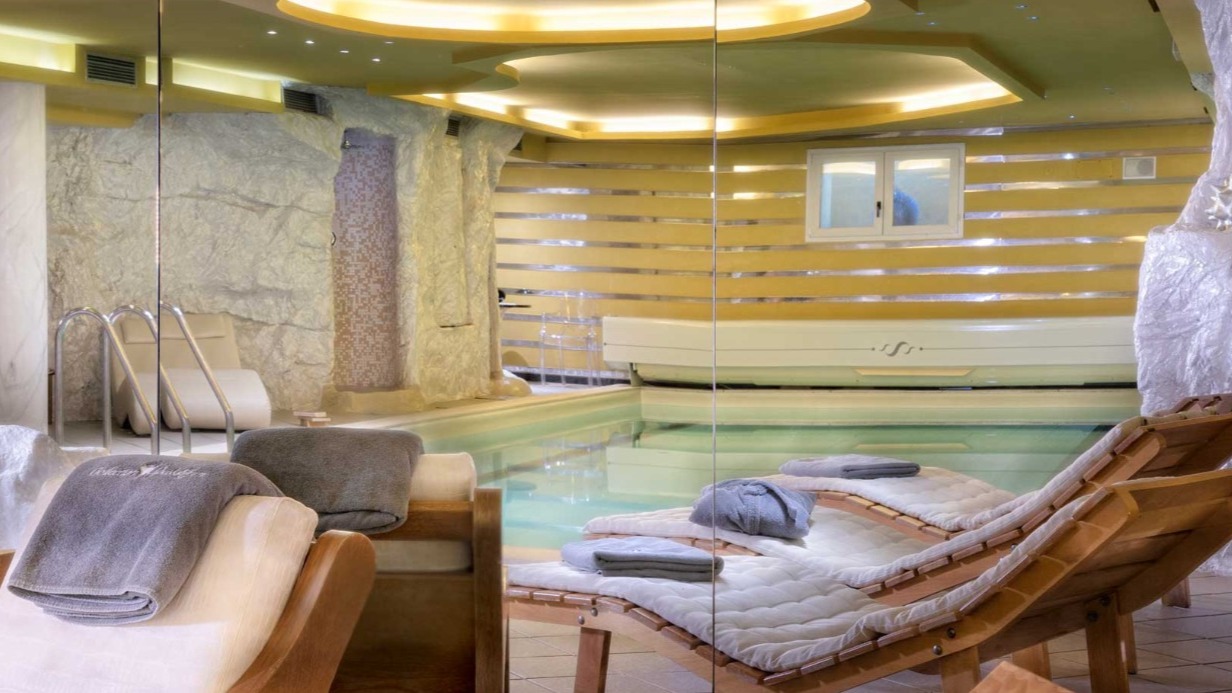
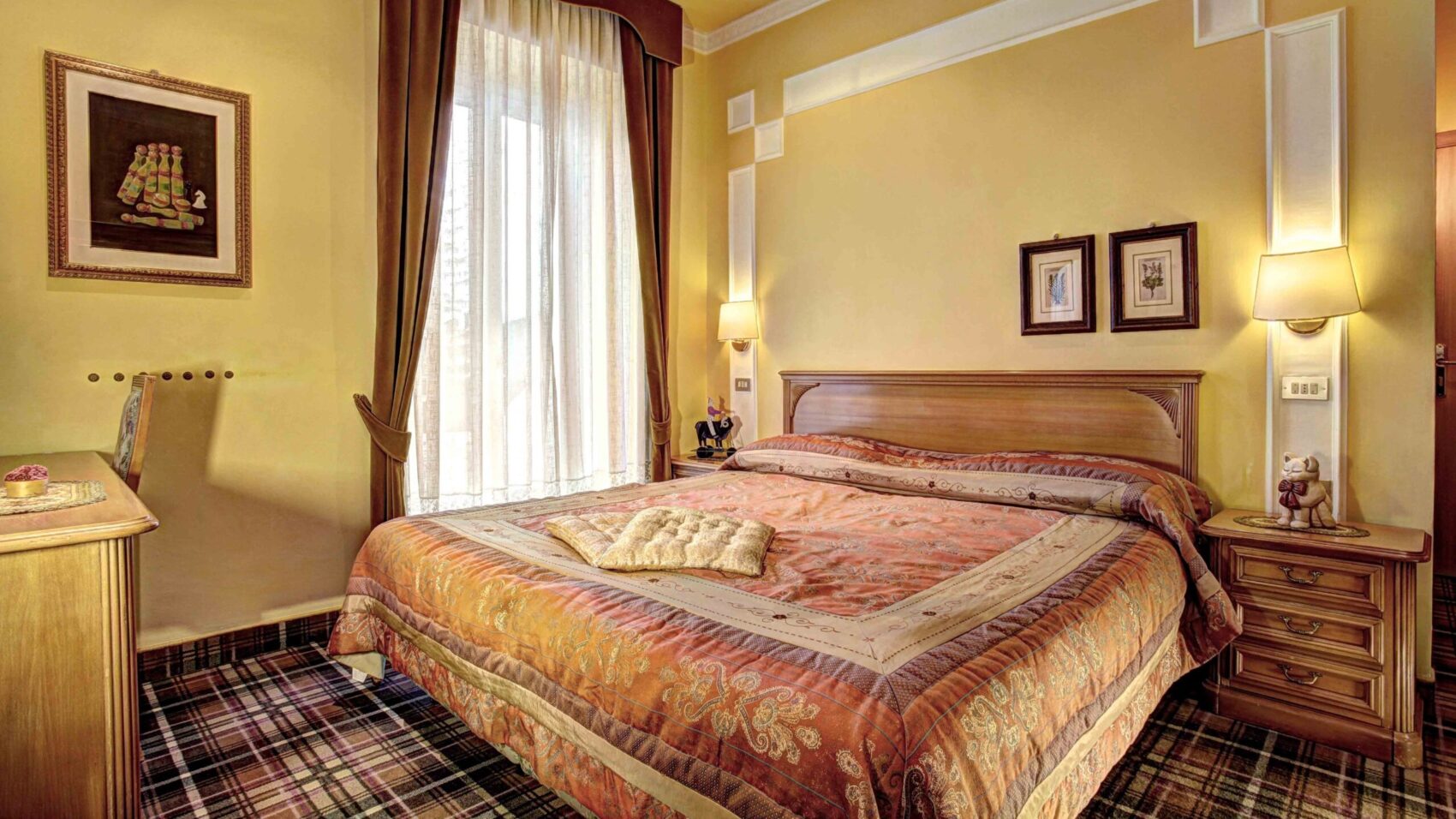
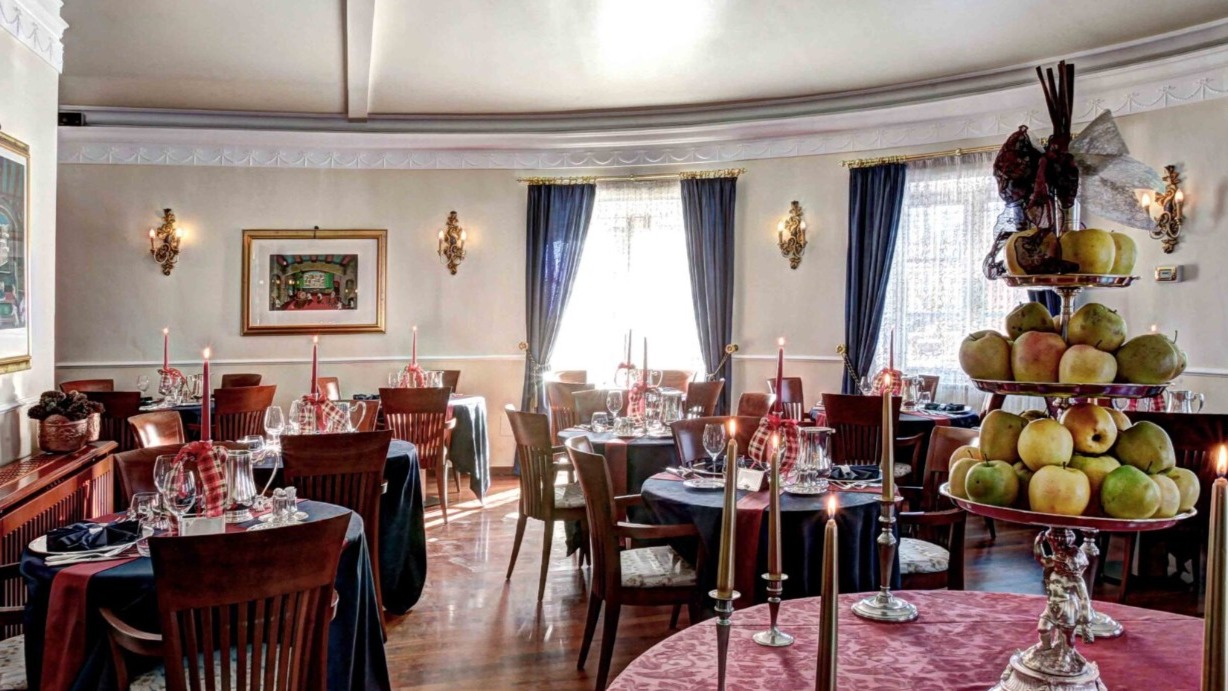
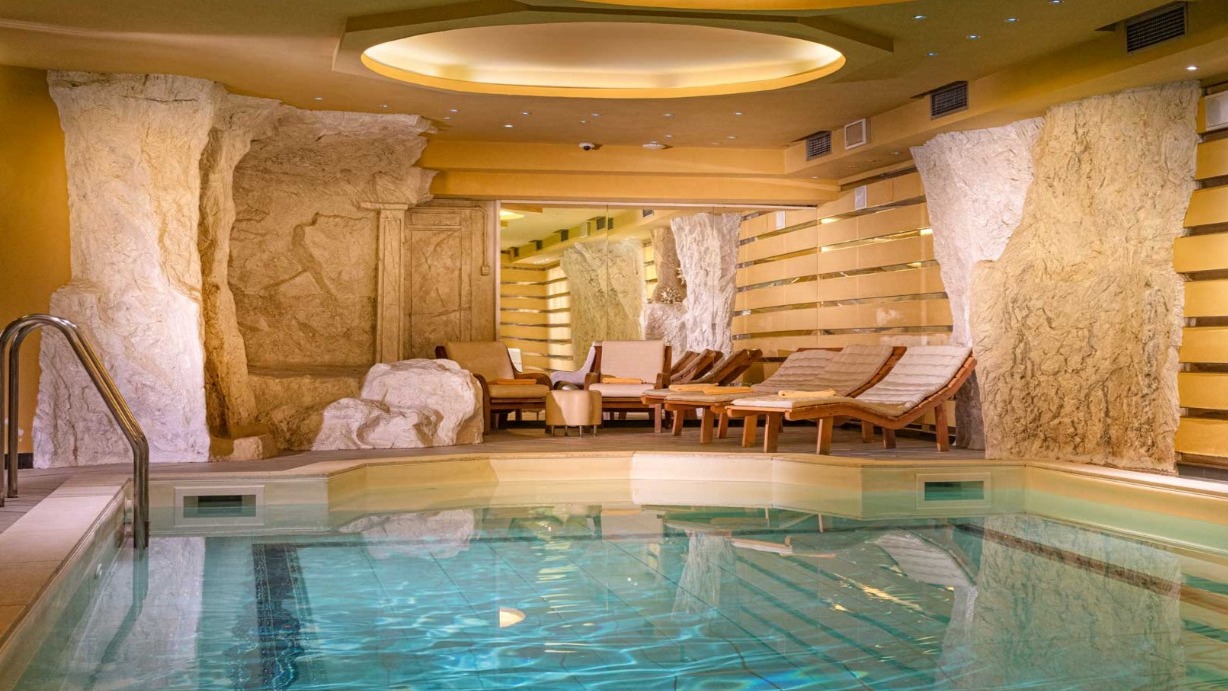
Your first night is spent in San Martino di Castrozza, an elegant alpine resort set directly beneath the towering walls of the Pale di San Martino. You’ll stay in a comfortable local hotel, such as the Storico Hotel Regina, typical of the area’s warm Trentino hospitality, offering well-appointed rooms and a relaxed mountain atmosphere. With cafés and bars within easy reach, the village provides a pleasant setting to begin your journey. Breakfast the following morning is generous and varied, ensuring you are well fuelled for your ascent onto the plateau.


Day 2
Ascent to Pale di San Martino
9 km, 1220m Ascent, 160m Descent
Walk overview
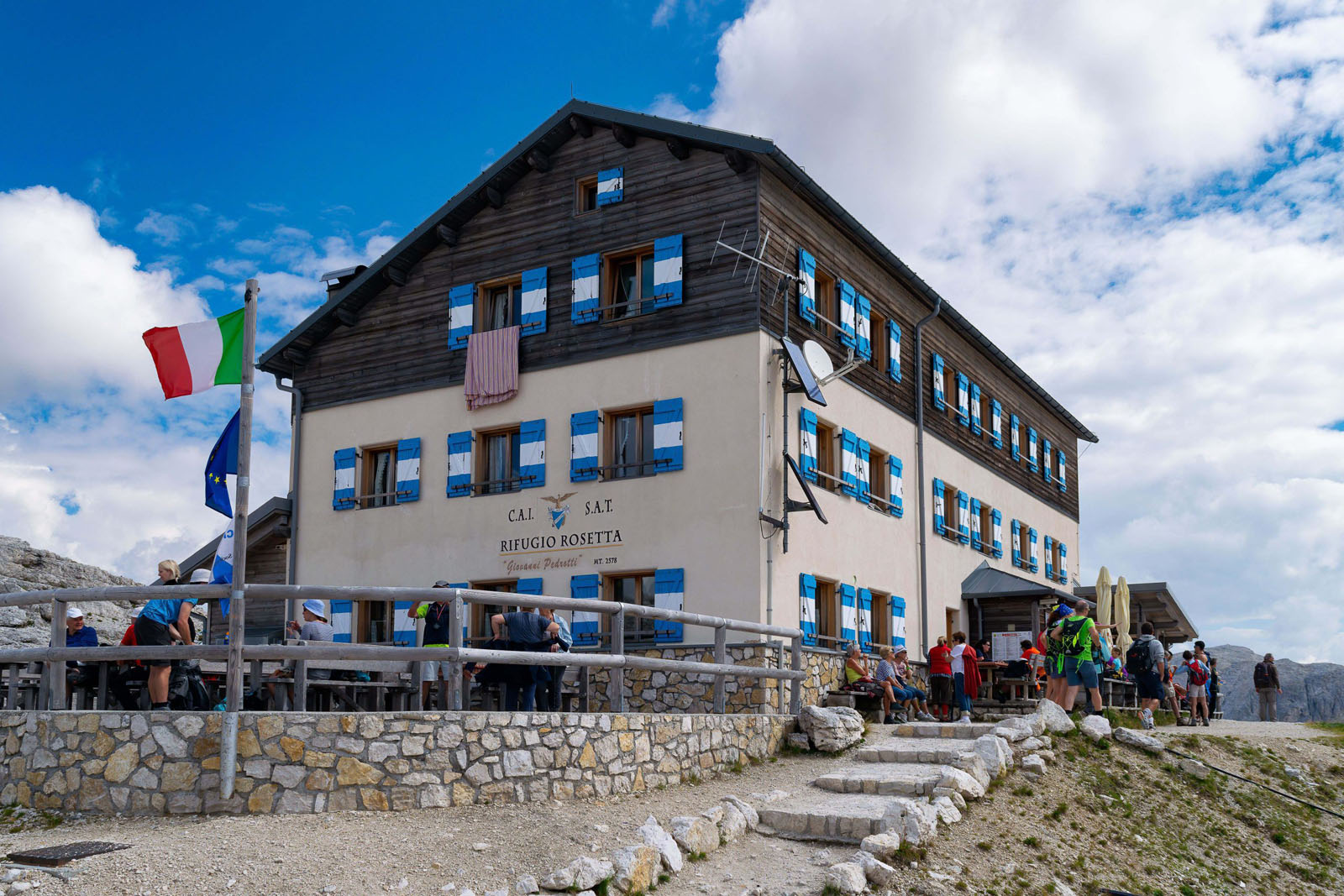
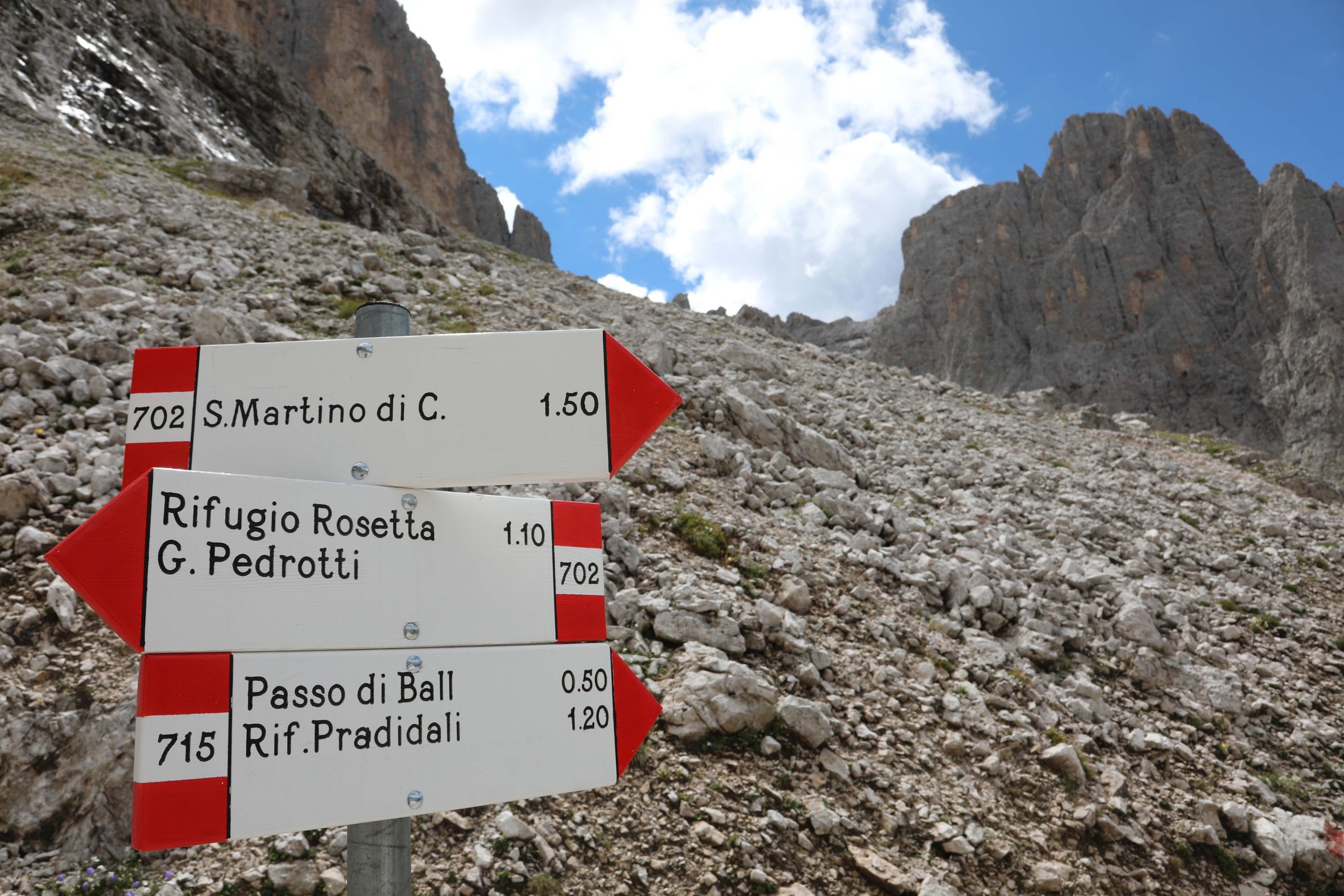
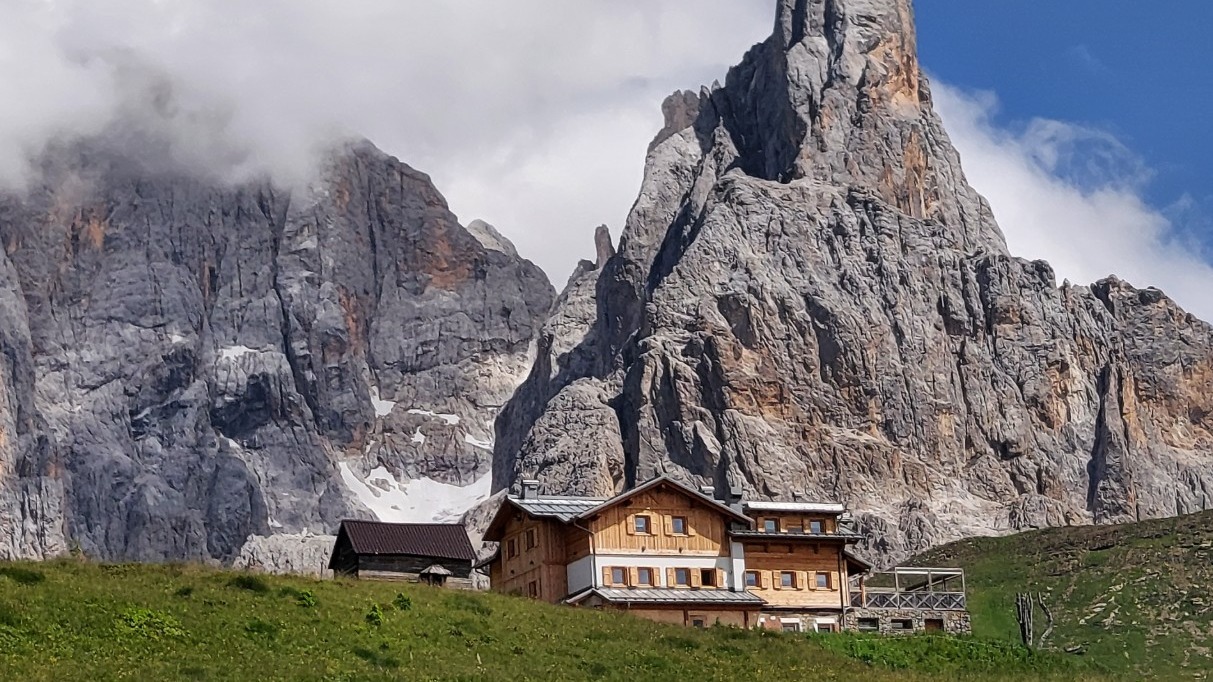
Your adventure begins with a steady ascent to the Pale plateau via a historic zig-zagging mule track built in the late 19th century. Though there is significant elevation gain, the gradient remains manageable throughout. Reaching the rifugio around midday allows time to relax or take an optional excursion to Cima Rosetta (2,743m), a short additional climb rewarding you with sweeping views across the vast limestone plateau — a remarkable introduction to this unique high-altitude landscape.
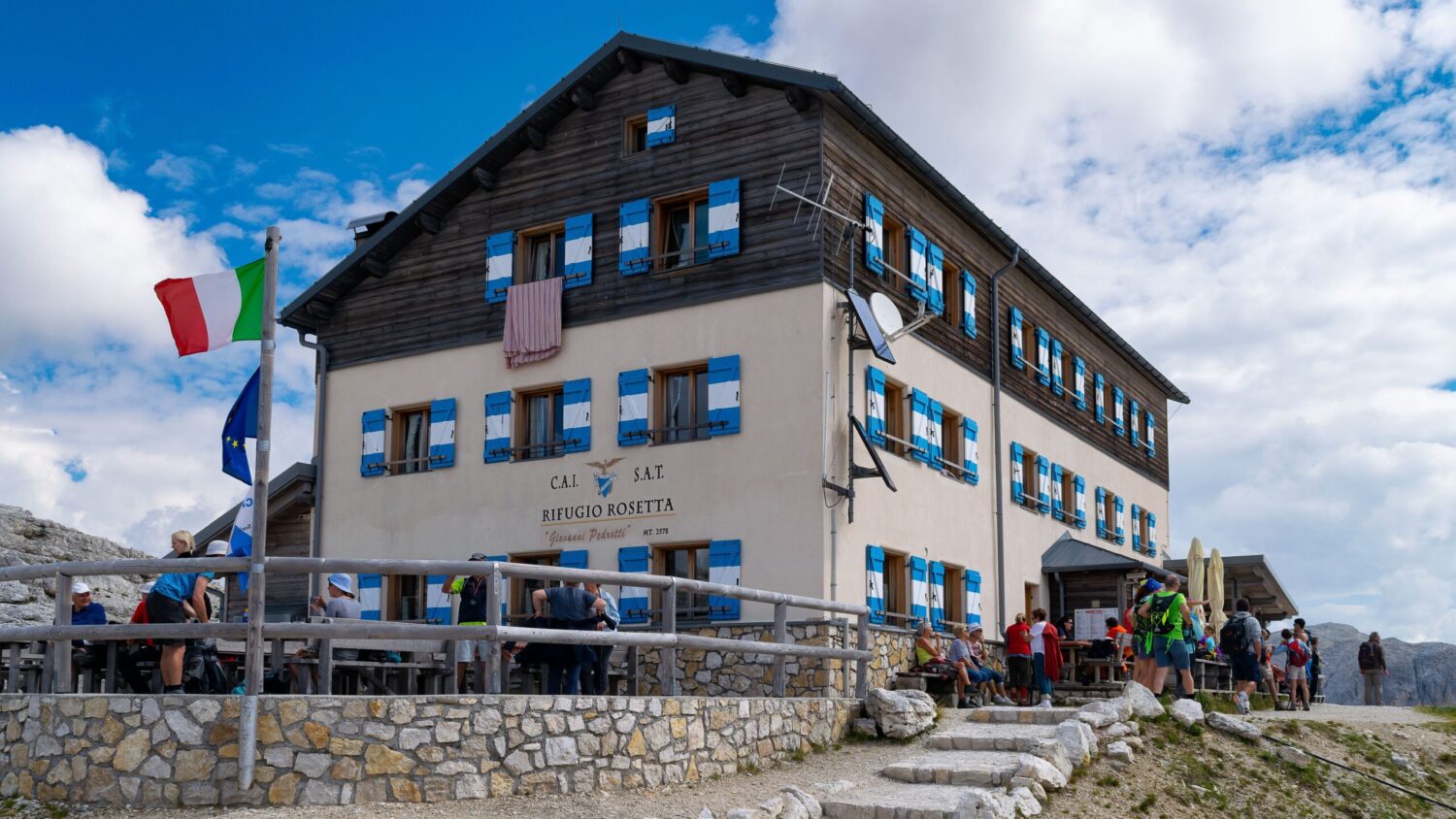
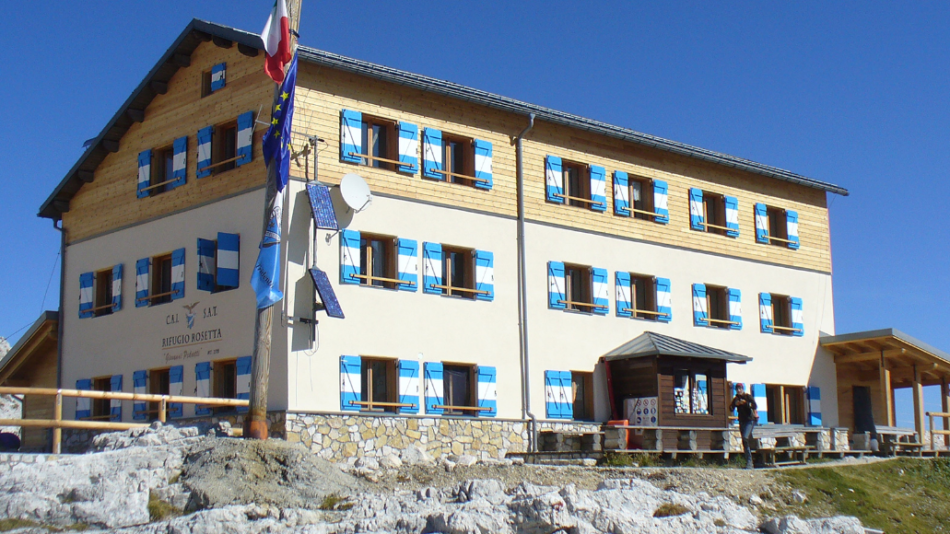
Rifugio Rosetta (half board)
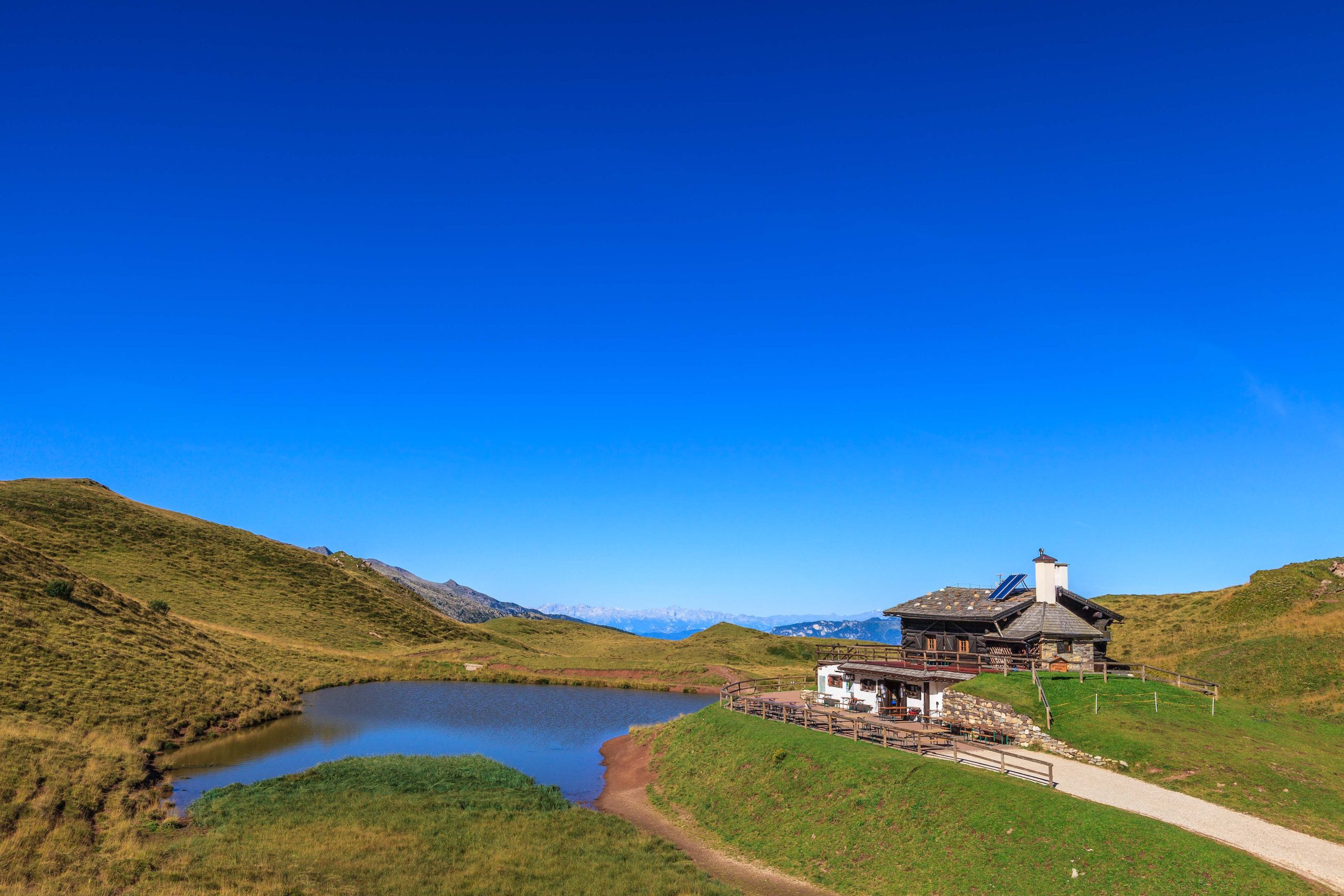
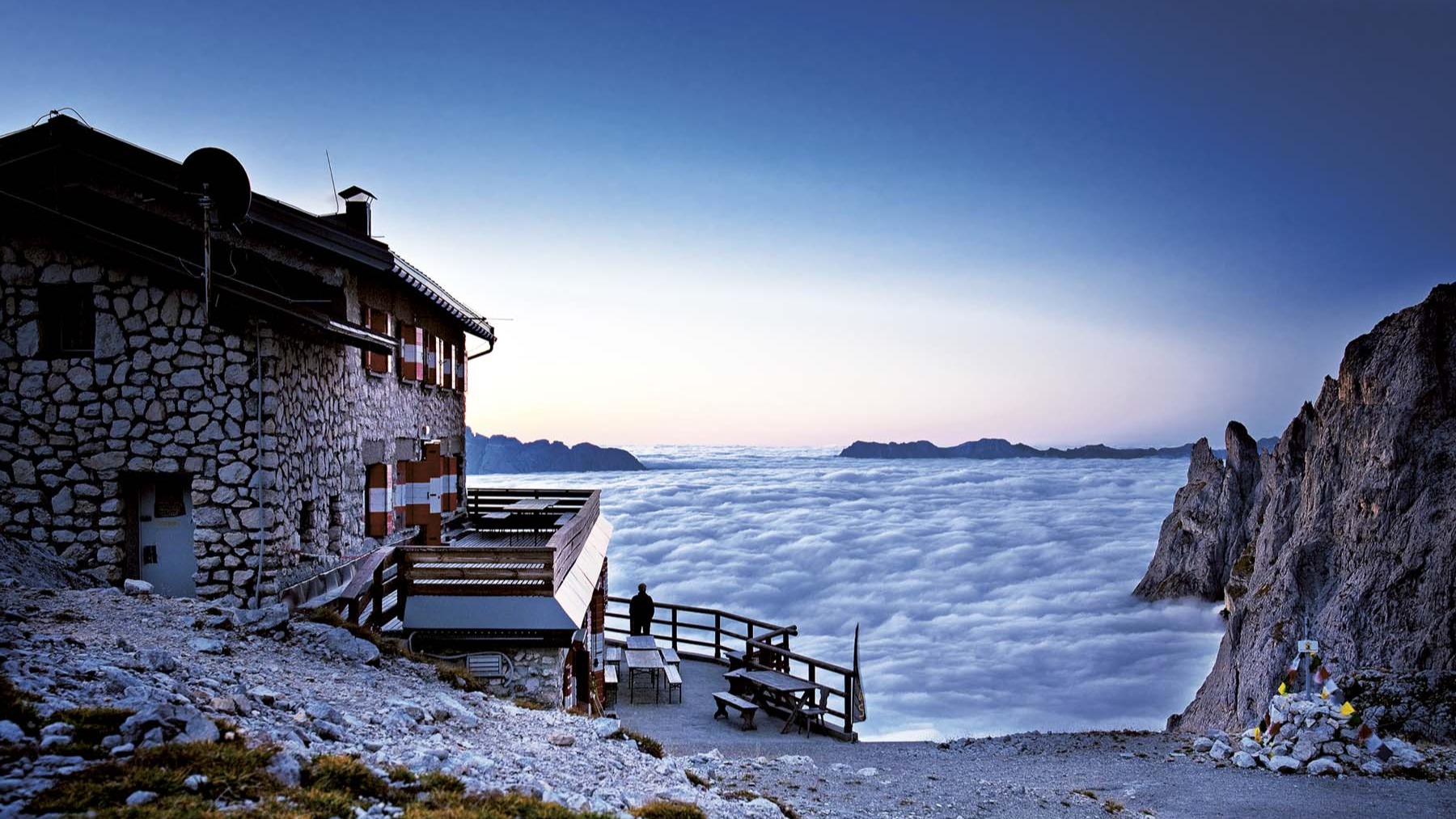
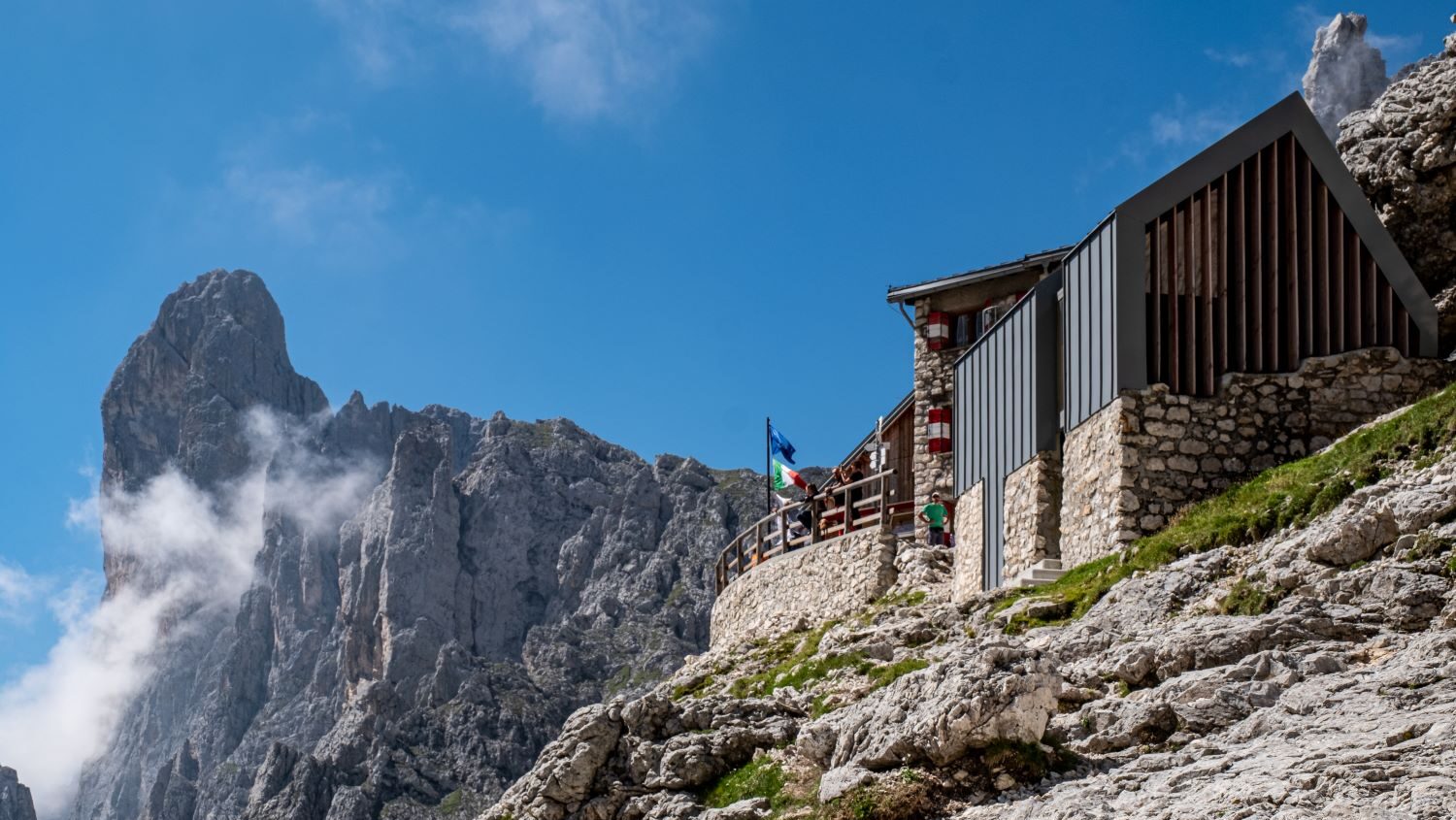
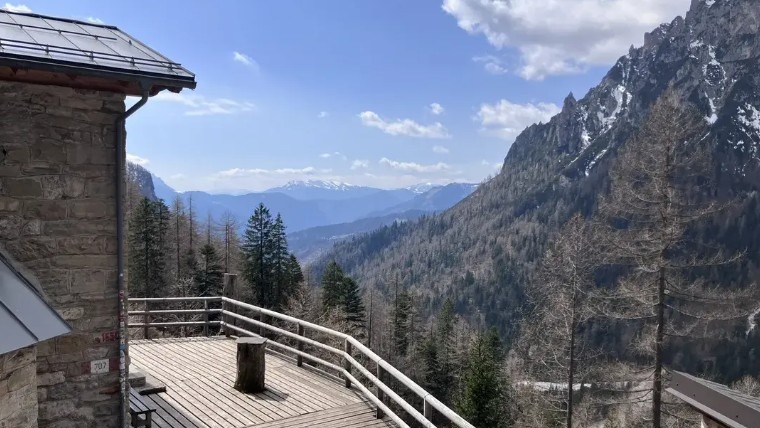
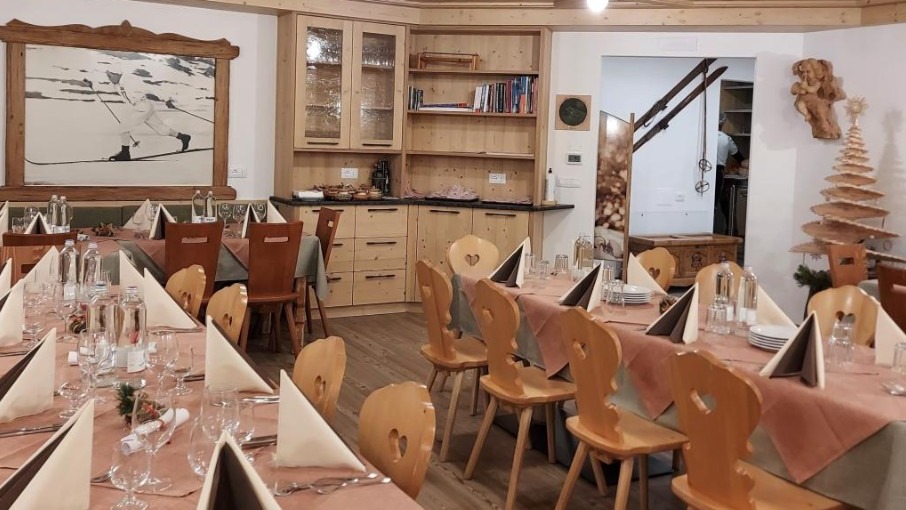
Perched high on the Pale plateau, Rifugio Rosetta occupies a dramatic position amid the vast limestone landscape near Cima Rosetta. Its substantial structure reflects its historic importance as one of the key huts on the plateau. Accommodation is comfortable and practical, perfectly suited to its high-altitude setting. Dinner is hearty and satisfying, typically featuring regional Trentino dishes and alpine favourites, while breakfast offers a simple but nourishing start before another day in this remarkable mountain environment.


Day 3
Cima Fradusta Peak
9 km, 460m Ascent, 780m Descent

Walk overview
Today you venture deeper onto the plateau, heading towards Passo Fradusta. Beyond the pass lies a small glacier feeding a serene alpine lake, adding striking contrast to the stark limestone surroundings. After exploring this glacial corner of the massif, strong walkers may opt to continue to the summit of Cima Fradusta (2,939m). On clear days, far-reaching views extend beyond the mountains towards the Adriatic and even Venice.
Rifugio Pradidali (half board)
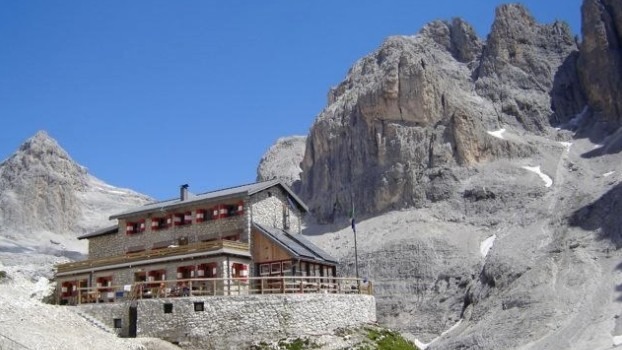
Set beneath the striking towers of the Pradidali peaks, Rifugio Pradidali enjoys a wonderfully atmospheric location at the foot of sheer rock faces. Smaller and more intimate than some plateau huts, it offers an authentic high-mountain experience with a welcoming, traditional feel. Rooms are simple yet comfortable, reflecting its remote alpine setting. Evenings centre around wholesome mountain cuisine, with generous portions and regional specialities, followed by a straightforward breakfast designed to prepare walkers for the day ahead.


Day 4
Southern Extremity of the Pale
9 km, 480m Ascent, 1120m Descent
Walk overview
Leaving the plateau behind, you descend into warmer, south-facing valleys where dense forest replaces bare rock. The change in scenery is dramatic and refreshing. A short detour leads to the local Pale di San Martino museum, while an optional afternoon loop reaches Bivacco Minazio (2,250m) on a quieter, less-trodden trail. Nearby lies the poignant wreckage of a US military aircraft that crashed here in 1957, adding a fascinating historical note to an already varied day.
Rifugio Treviso (half board)
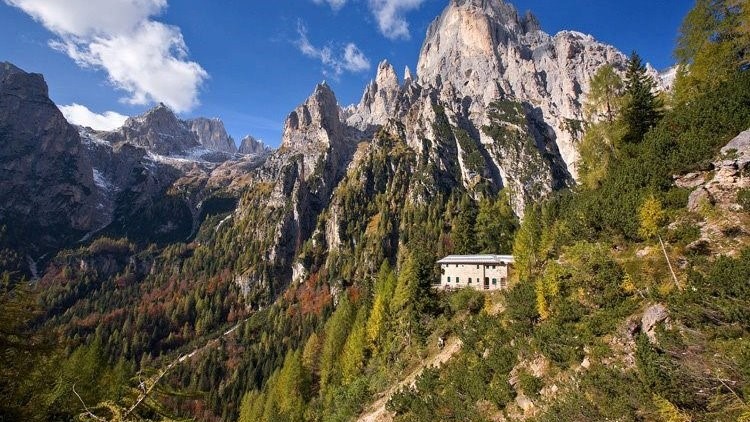
Nestled in the quieter Val Canali on the southern edge of the massif, Rifugio Treviso sits amid forest and meadow, framed by dramatic Dolomite spires. Its lower elevation and sheltered position create a noticeably warmer, greener setting after the stark plateau. The hut has a cosy, rustic character, with welcoming communal spaces that invite relaxation. Dinner showcases hearty alpine cooking with a local touch, while breakfast is plentiful and practical — ideal preparation for the next stage of your journey.


Day 5
Across the Pale Plateau
10 km, 1220m Ascent, 270m Descent

Walk overview
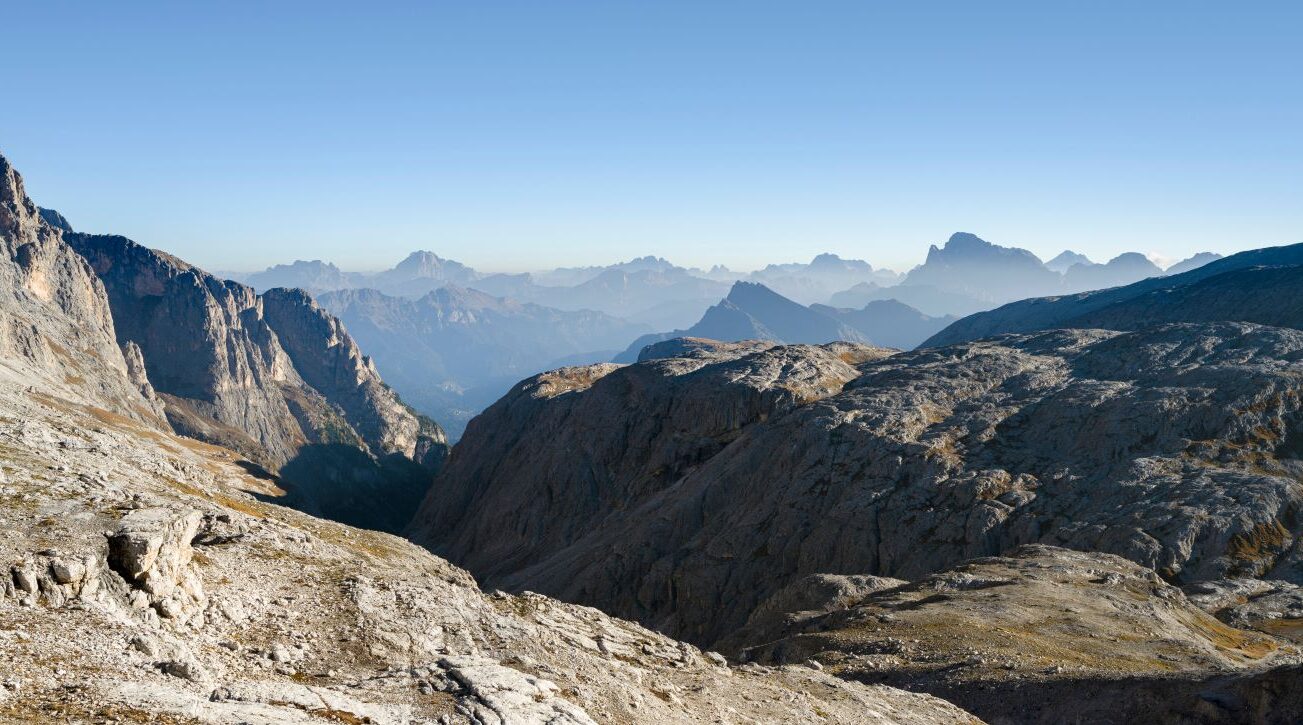
Often considered one of the most exhilarating crossings in the Dolomites, today’s route returns briefly to the plateau before traversing it from east to west. After cresting a mountain pass, vast views open towards Civetta and neighbouring massifs. The trail then threads across the extraordinary Altopiano delle Pale, a surreal expanse of limestone that feels almost lunar in character, before leading to your rifugio — perfectly placed amid this unforgettable high-mountain wilderness.
Rifugio Rosetta (half board)
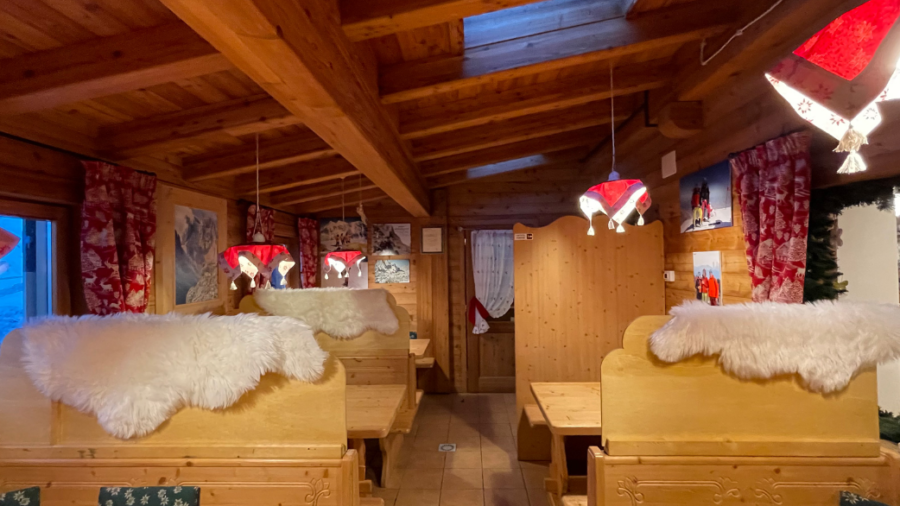
You return to Rifugio Rosetta, once again enjoying its commanding plateau setting. After an exhilarating crossing of the Altopiano delle Pale, its solid walls and warm dining room provide a reassuring and sociable base for the evening. Expect another generous half-board dinner highlighting regional flavours, along with a sustaining breakfast ahead of your descent from the plateau.
Day 6
Passo Rolle
9km, 450m Ascent, 950m Descent
Walk overview
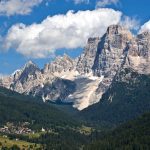
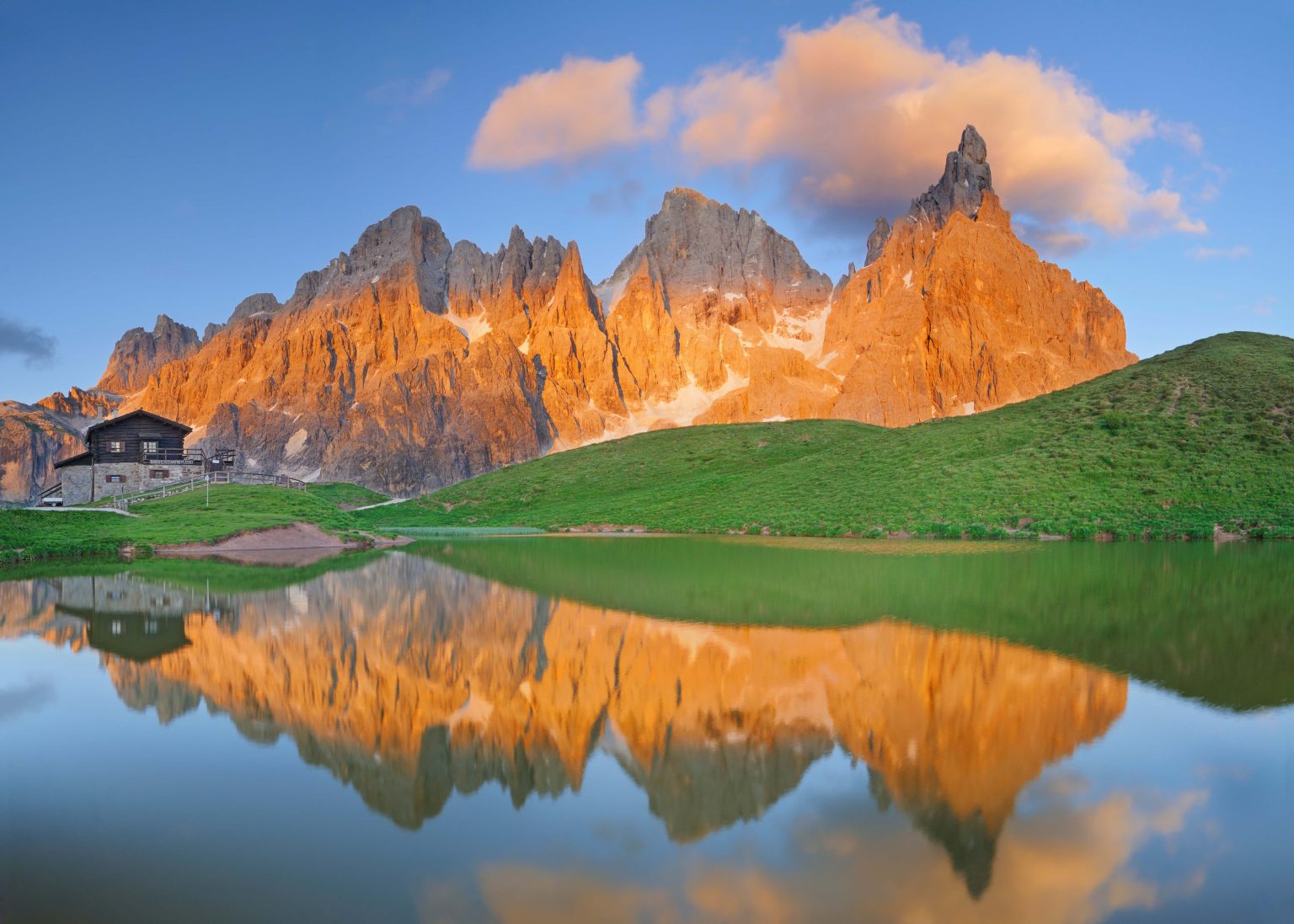
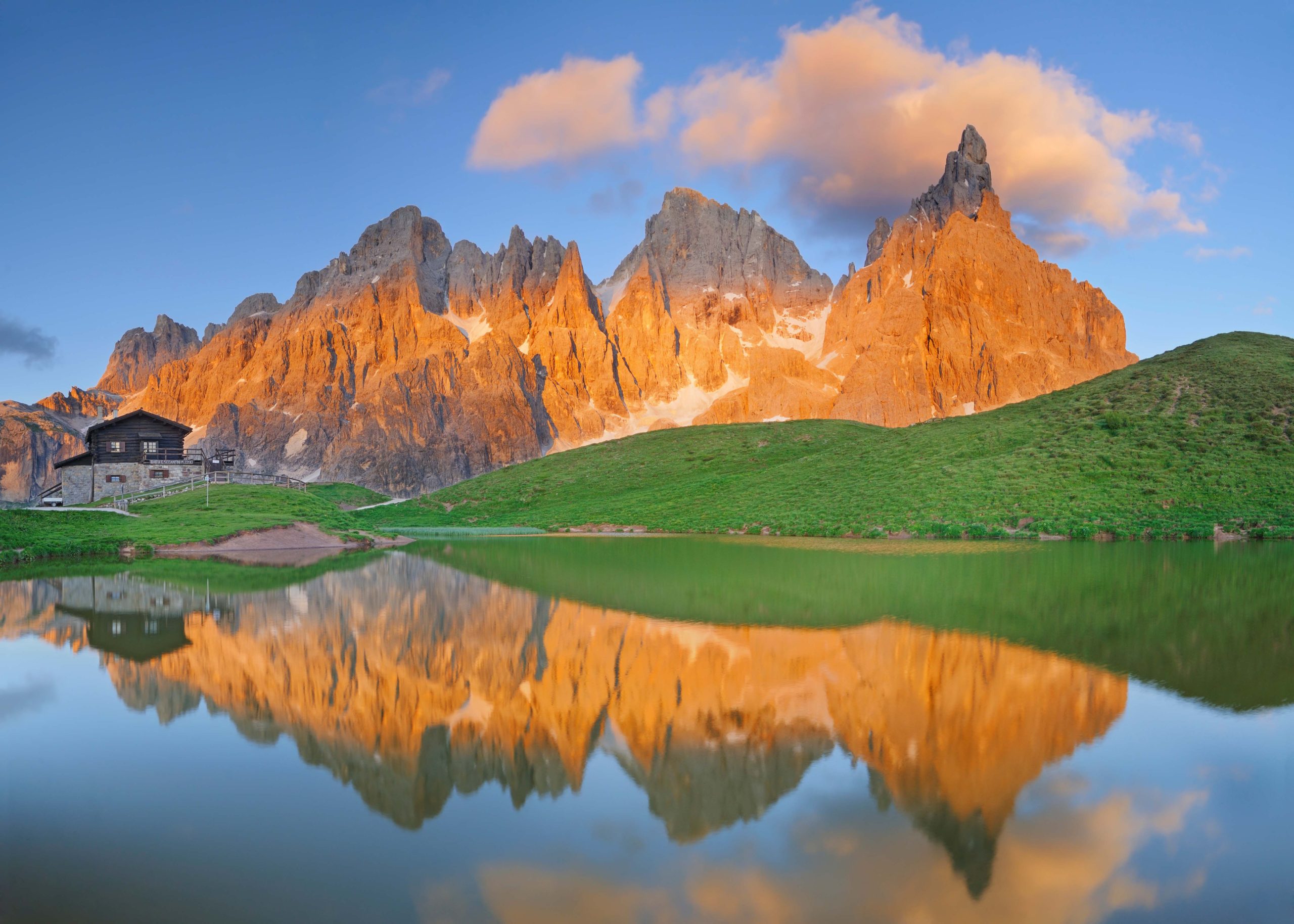
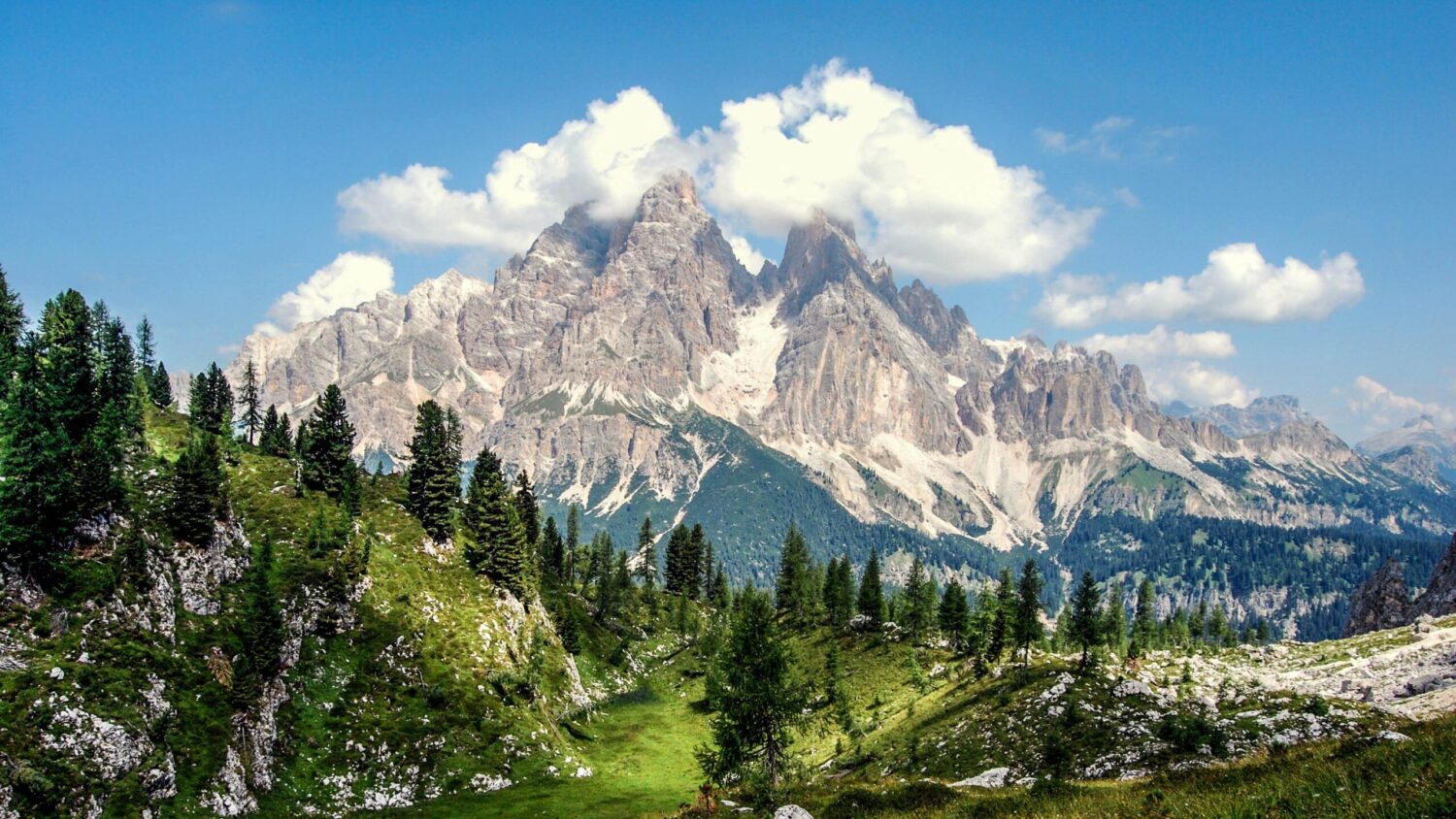
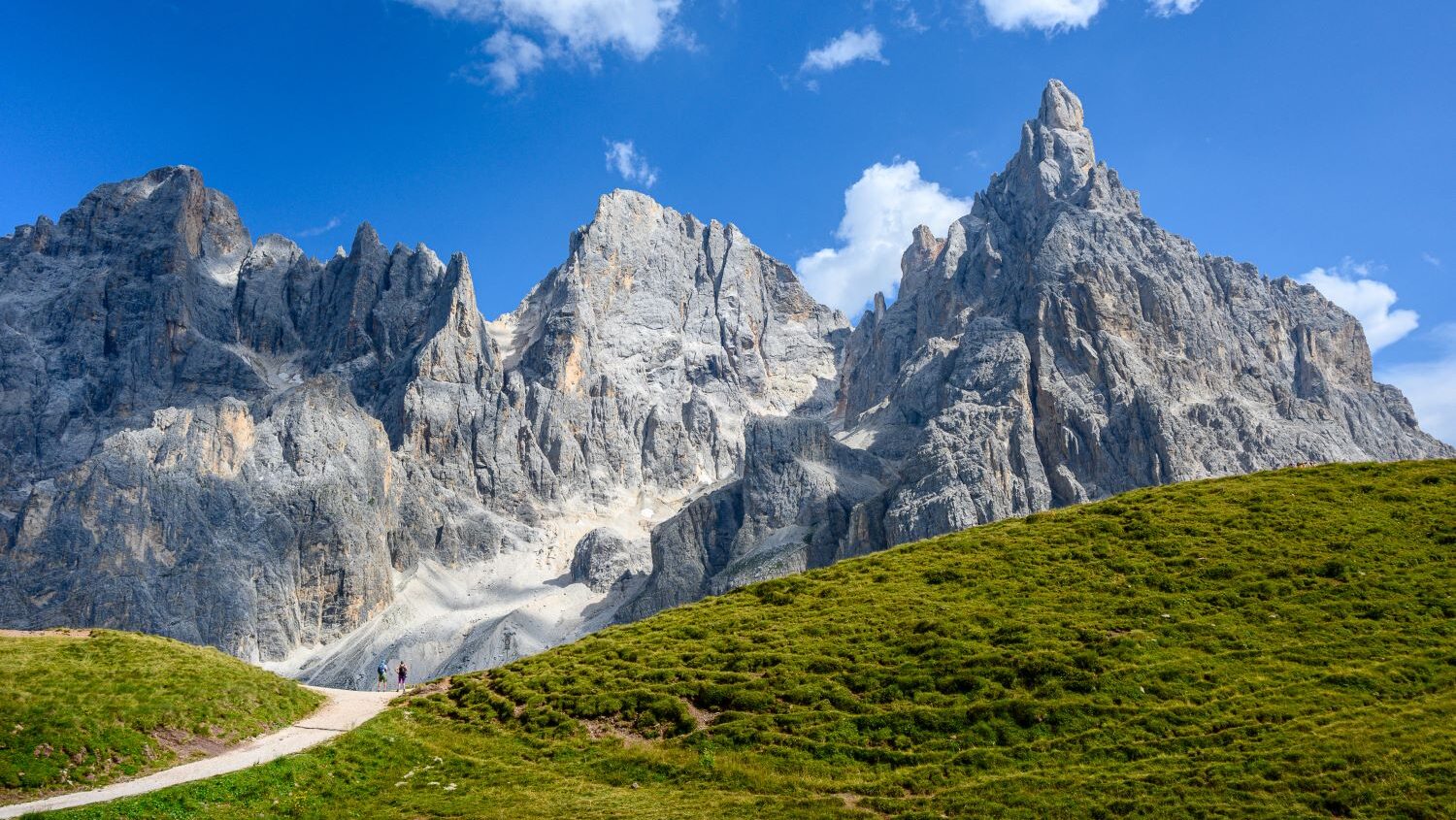
Today you leave the plateau to admire it from afar. Descending its western flank, you soon reach Passo Rolle (1,980m), where wide meadows frame one of the finest panoramas of the Pale and the iconic Cimon della Pala. Photography enthusiasts will relish viewpoints from Castellaz, Val Venegia and Baita Segantini, each offering postcard-worthy perspectives of this majestic mountain group.
Rifugio Capanna Cervino (half board)
Located close to Passo Rolle, Rifugio Capanna Cervino enjoys one of the finest outward-facing views of the Pale di San Martino, including the iconic Cimon della Pala. Its position beside wide alpine meadows gives it a spacious, panoramic feel. Accommodation is comfortable and welcoming, offering a relaxed final mountain night. Dinner combines traditional mountain dishes with Italian classics, while breakfast provides a satisfying send-off before your last day’s walk.


Day 7
Lagorai and Lakes Colbricon
10 km, 360m ascent, 970 descent
Walk overview
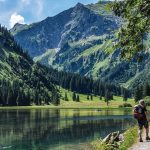
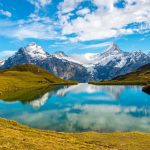
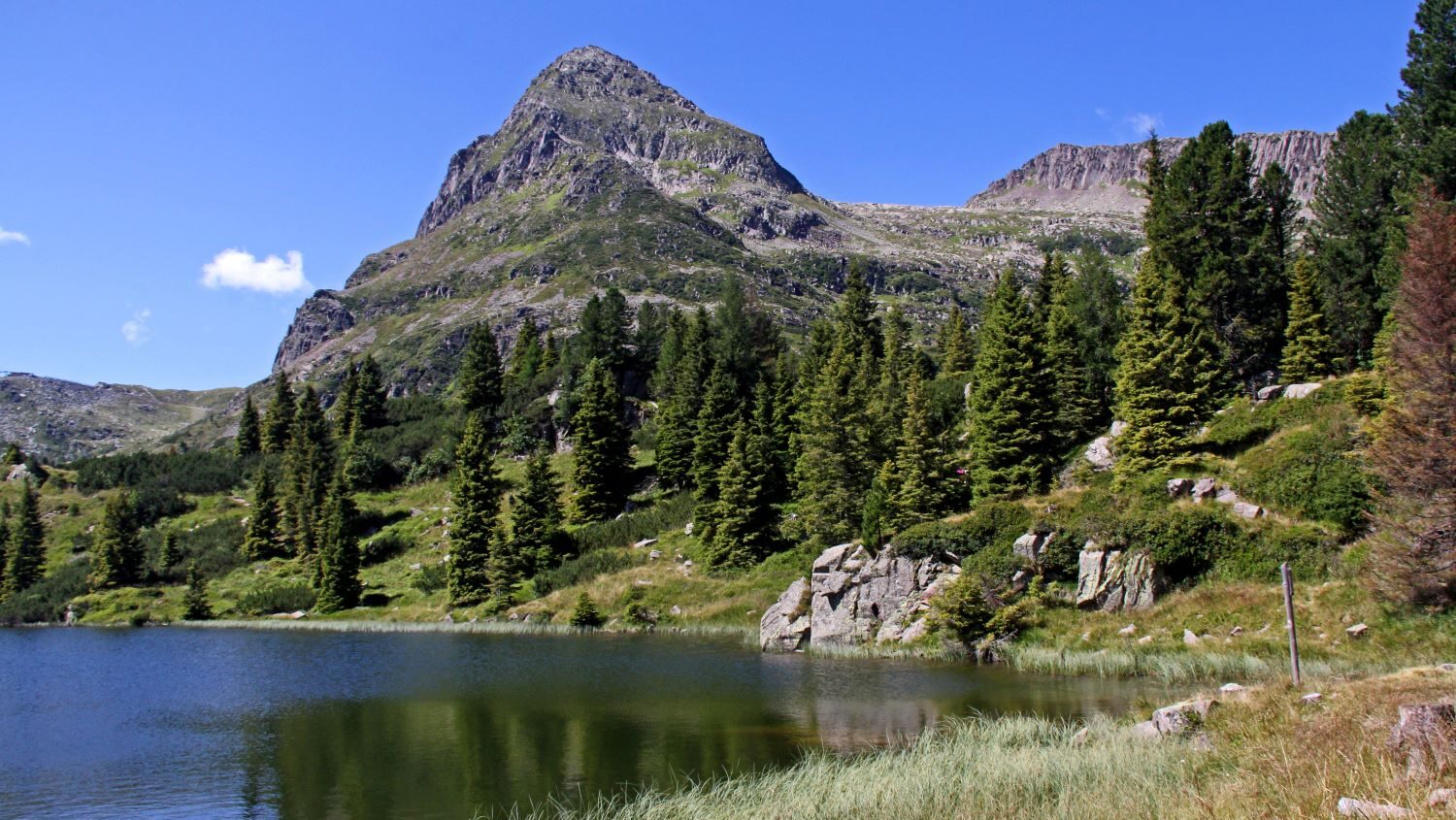
Your final hiking day explores the western ridges beyond the Pale. This elevated traverse delivers constant views back towards the plateau, while small alpine lakes provide beautiful foreground reflections. The crest overlooks the striking Colbricon Lakes, set amid greener granite terrain that contrasts sharply with the plateau’s pale rock. Consider pausing here — perhaps even taking a refreshing dip — before descending to San Martino, completing a richly varied and memorable circuit.
Hotel in San Martino di Castrozza (B&B)
You return to San Martino di Castrozza for your final evening, staying in a similar comfortable local hotel to that used on Day 1. After several nights in mountain huts, the familiar surroundings of the village offer a welcome opportunity to relax, enjoy dinner in one of the local restaurants, and reflect on your circuit of the Pale before breakfast and departure the following morning.


Day 8
Depart
Travel overview
Make your way back to Venice Marco Polo Airport by public transport, hire car or optional private transfer (approximately 2½ hours). EDepending on your flight time (or other onward travel arrangements), an early start might be necessary.
Testimonials
Frequently Asked Questions
The Pale di San Martino is a striking mountain group in the Dolomites of northeastern Italy, known for its dramatic limestone peaks, vertical walls, and deep valleys. It is the largest Dolomite group, covering over 2,400 square kilometers, and includes some of the most iconic and photogenic landscapes in the region, with jagged spires, rocky plateaus, and alpine meadows. The area is popular with walkers, hikers, and climbers, offering a variety of trails from gentle valley walks to challenging high-altitude routes,
The Pale di San Martino is ideal for a hut-to-hut walking holiday because it combines dramatic, high-altitude scenery with a well-developed network of rifugios that allow walkers to traverse the mountains comfortably without carrying heavy packs. The area offers a mix of terrain, from gentle alpine meadows and forested valleys to rugged ridges and plateaus, providing variety and challenge for every stage of the trek. Staying in the mountain huts not only gives hikers a chance to rest and enjoy hearty local meals but also immerses them in the rich alpine culture and camaraderie of fellow trekkers. With clearly marked trails, breathtaking panoramic views, and the opportunity to experience both nature and tradition, the Pale di San Martino provides a fully rewarding hut-to-hut trekking experience in one of the Dolomites’ most spectacular regions.
The optimal time to explore the Pale di San Martino on foot is from late June through September, when the trails are largely clear of snow and the mountain huts (rifugios) are open to welcome walkers. During these months, the weather is generally reliable, alpine meadows are at their most vibrant, and the dramatic limestone peaks are fully accessible. Starting in late June, some higher paths may still have residual snow, offering an early-season adventure for prepared hikers, while September brings fewer crowds and crisp, clear days that make trekking especially rewarding. This period provides the best conditions for enjoying the full range of landscapes and experiences the Pale di San Martino has to offer.
The walks in the Pale di San Martino are generally moderate, making the area perfect for walkers who want a rewarding alpine experience without overly strenuous terrain. Trails primarily follow well-marked paths through scenic valleys, alpine meadows, and gentle ridges, with some sections offering more varied terrain to keep the days interesting. While a good level of fitness is helpful, there are no technical climbs or exposed scrambles on the moderate routes, and daily elevation gains are manageable. Combined with the network of comfortable rifugios, this makes the Pale di San Martino ideal for a relaxed but satisfying hut-to-hut walking holiday, where the focus is on enjoying the stunning scenery rather than pushing physical limits.
Not always. Generally only linen is provided, so take a compact towel for your showers.
Sockets will be available, but not always near to your bed – especially if in dorms. It’s always a good idea to take a battery pack, and recharge this periodically, rather than leave your phone in communal areas. You’ll need to remember your plug adaptor.
On a typical hut-to-hut route in the Dolomites, the terrain can vary considerably, though most of the walking takes place on moderately challenging trails. Exposed sections are sometimes encountered, but these are usually widened or secured with chains or metal cords, allowing hikers to pass safely without specialist equipment. The holiday follows only waymarked and signposted routes, ranging from well-trodden woodland paths to steeper trails on looser, rocky ground. In higher mountain areas, a good level of experience, surefootedness, and fitness is required, and early in the season you may encounter patches of late-lying snow on higher terrain.
Apart from your first and last nights, accommodation is in mountain lodges, known locally as ‘rifugios’. These generally provide a bed in a shared dormitory or a private room (private rooms must be booked in advance and cost £20 per person per night extra, subject to availability), hot showers, toilets, meals, and water for refilling bottles. Snacks such as sandwiches and chocolate are usually available to purchase.
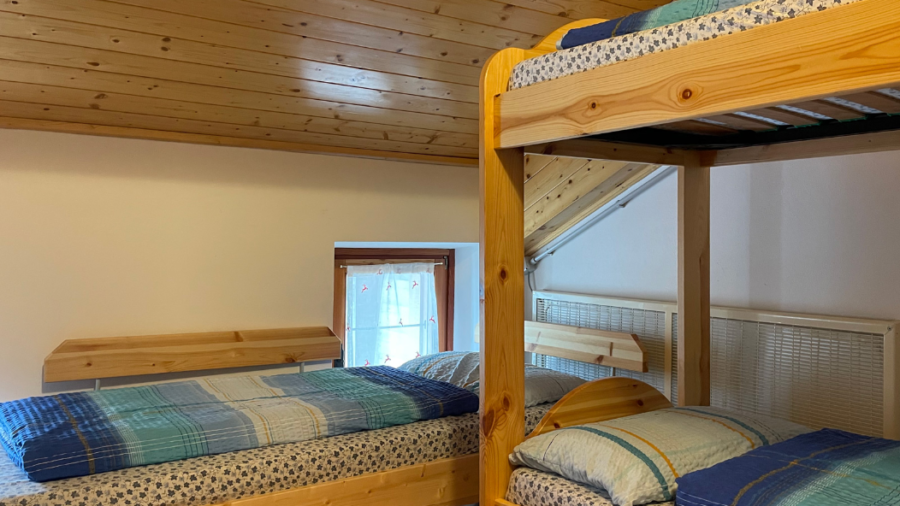
Shared rooms feature bunk beds with mattresses, pillows, and blankets, but bed linen is not provided, so a sleeping bag liner (typically a light cotton liner) is required. A full sleeping bag is not usually necessary, as blankets are supplied. Guests who book private rooms are often provided with bed linen, meaning a liner may not be needed, though this will be confirmed when you book. You will also need clean indoor footwear for use in the huts, with light sliders being ideal.
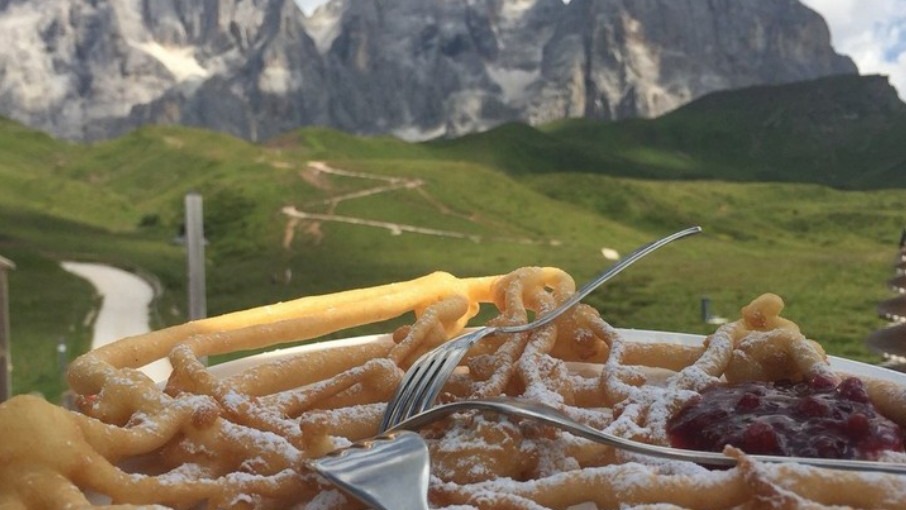
Breakfast & Dinner – Breakfast is usually served between 7:00 and 9:00am and typically includes unlimited tea and coffee, bread with butter, jam, honey, and chocolate spread. Some mountain huts also offer additional items such as ham, cheese, and muesli. Guests can refill a flask or thermos with hot water or tea free of charge by asking a member of staff. Dinner is generally served at 7:00 or 7:30pm for all guests and is a hearty, multi-course meal, including a starter, a first course (such as pasta, risotto, or dumplings), a main course of meat with a side dish, and a dessert. Drinks at dinner, including water, wine, beer, tea, and coffee, are not included and must be ordered and paid for separately.
Lunch – It is often possible to stop for lunch at mountain huts along the route, though this is not guaranteed every day. When lunch stops are unavailable, we recommend purchasing light snacks such as sandwiches, yoghurt, chocolate, or water from the hut where you stayed the night before. Hot lunch options in the huts are often similar to dinner dishes, with a typical meal, like pasta or risotto, costing €10–14.
You are responsible for wearing suitable outdoor clothing and following good practice and mountain safety procedures at all times. When planning your day, be realistic about how long each route will take, considering your fitness, experience, and ability. These self-guided hut-to-hut walking holidays are designed so that no specialist skills or equipment are required, unless clearly stated in the itinerary. Trails are generally well-maintained and waymarked, and any exposed sections on the self-guided routes are secured, making them safe provided you follow basic mountain safety guidelines.
The Dolomites generally experience their most stable weather from July through mid to late September, with warmer temperatures and less rainfall, although mid- to late-afternoon thunderstorms can occur on hotter days. In early June, conditions are usually favourable but less predictable, and lingering winter snow may affect higher routes, requiring adjustments depending on snow at the passes. Late September can offer excellent weather, but it is generally more variable, with increasing rain, cooler temperatures, and occasional snow above 2,000m.
Most hiking routes in the Dolomites are above 2,000m, where temperatures are rarely hot. On sunny August days, temperatures may rise above 20°C during the warmest hours, providing comfortable hiking conditions, while cooler, cloudy days may see temperatures around 10°C. Nights and early mornings are always chilly at altitude. Thunderstorms, sometimes with hail, can occur in July and August. Valleys at 1,000–1,500m can reach 30°C, though mornings and evenings remain fresh, and nights are generally comfortable even in the hottest weeks of summer.
Why book with Collett’s?
-
Unforgettable walks
-
With you every step
-
Handpicked hotels with warm hospitality
-
Mountain holiday specialists since 1997
Need to Knows
Trusted Local Partner – Please note that this holiday has been organised by us in association with a trusted local partner.
Booking Conditions – Please read our full terms and conditions here before booking.
Booking Conditions – Please read our full terms and conditions here before booking.
Travel Insurance – Having adequate and valid travel insurance is a condition of booking with us. Details of our insurance partner, Campbell Irvine, are here, should you wish to get a quote.
ETIAS & EES – The European Travel Information and Authorisation System is not due to be introduced until late-2026. Currently there is not an exact date as to when it will come into force. This means you do not need to have a ETIAS for travel to Europe at the moment. The Entry / Exit System started to be operational in October 2025, and be fully implemented in April 2026. For more information read our blog article here.
ABTA – Independent travel advice and help is always available from ABTA by calling 020 3117 0599 or visiting www.abta.com.
Travel Advice – Check your government’s travel advisory for up-to-date information and advice about your destination. For UK citizens, check the latest Foreign, Commonwealth & Development Office advice here.
Health Information – You should carry either an European Health Insurance Card (EHIC) or a Global Health Insurance Card (GHIC) Neither is an alternative to adequate travel insurance. For more information visit https://www.gov.uk/foreign-travel-advice and https://travelhealthpro.org.uk/