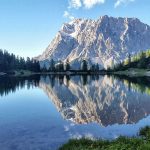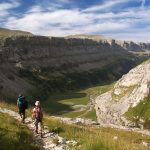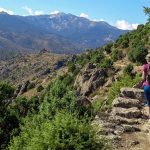
Cortina to Tre Cime Hut-to-Hut Walking Holiday
Cortina d’Ampezzo to the iconic Tre Cime di Lavaredo Breathtaking hut-to-hut hiking in the Dolomites.
20 June 2026
–
21 September 2026
Enquire
Book Now
Country
Italy
Grade
Moderate/Hard
Duration
7 Nights
Style
Self-Guided
Type
Hut-to-Hut
Price
£1425
-
 Unforgettable walks
 -
With you every step
-
Handpicked hotels with warm hospitality
-
Mountain holiday specialists since 1997



Discover the Northern Dolomites on a remarkable hut-to-hut trek.
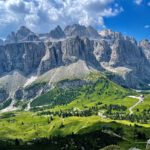
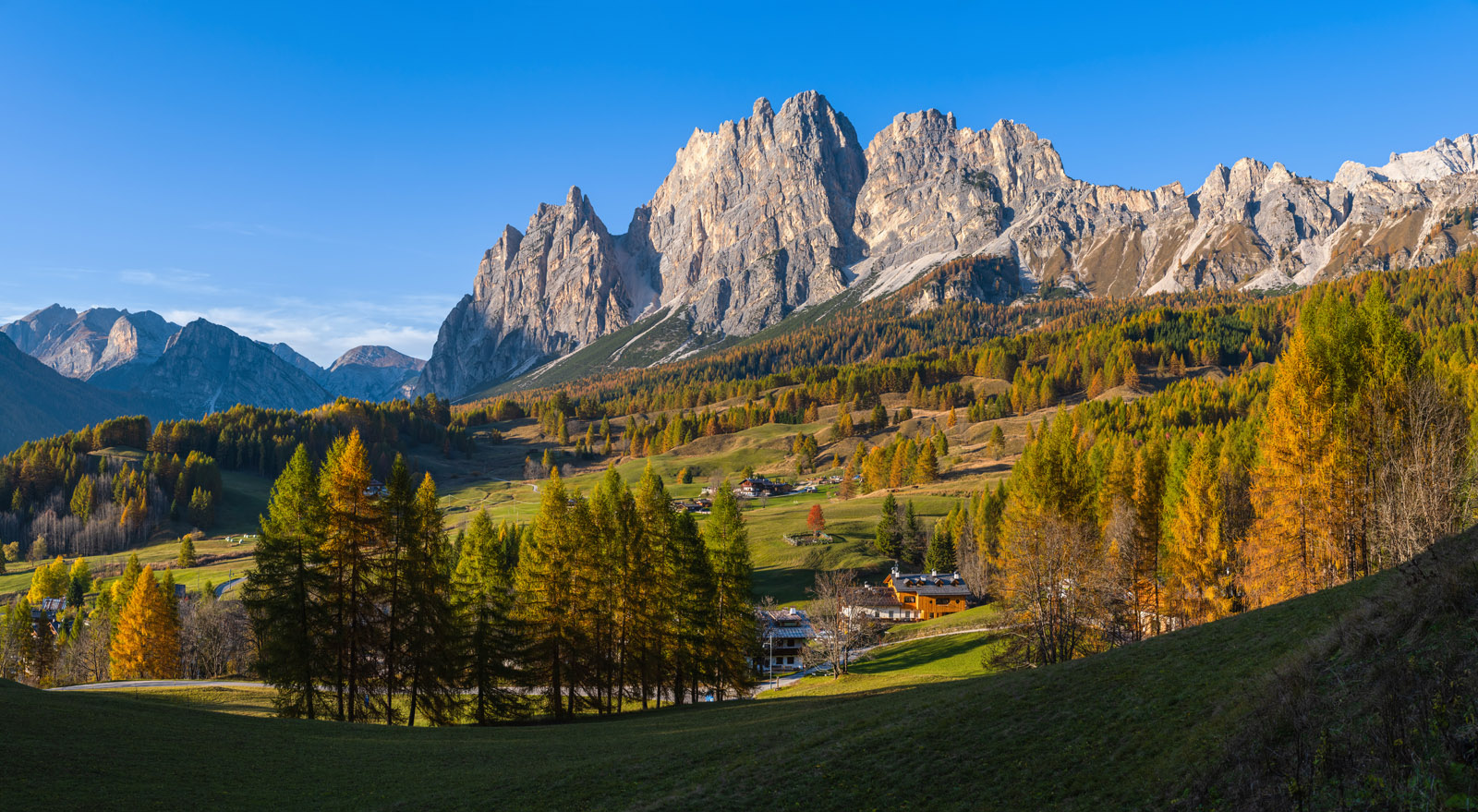
This wild and spectacular journey includes natural treasures like Cinque Torre, the Tofana group, and Fanes-Sennes-Braies Natural Park, many of which are parts of the famed Alta Via 1. It also highlights the exquisite Alta Badia valley.
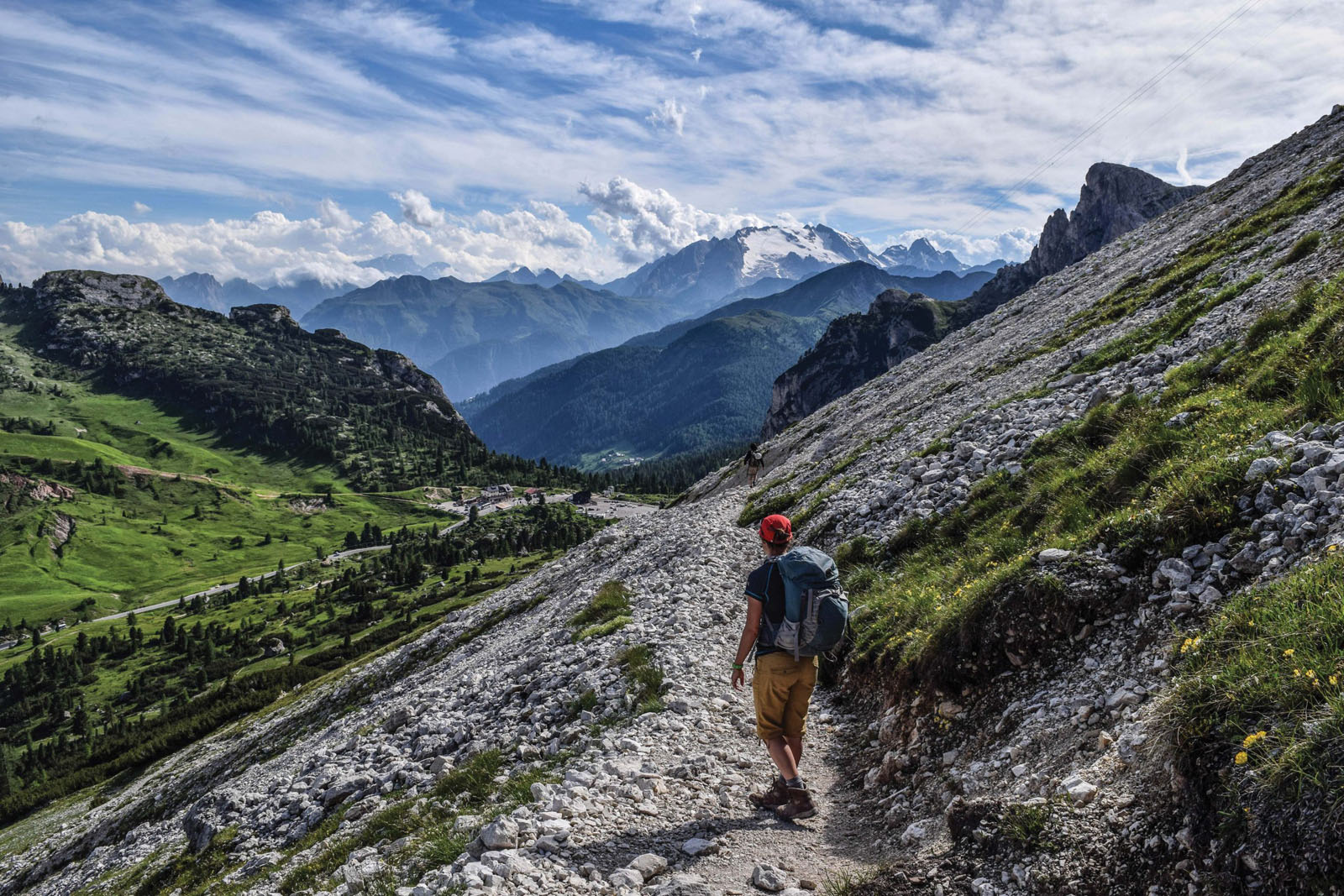
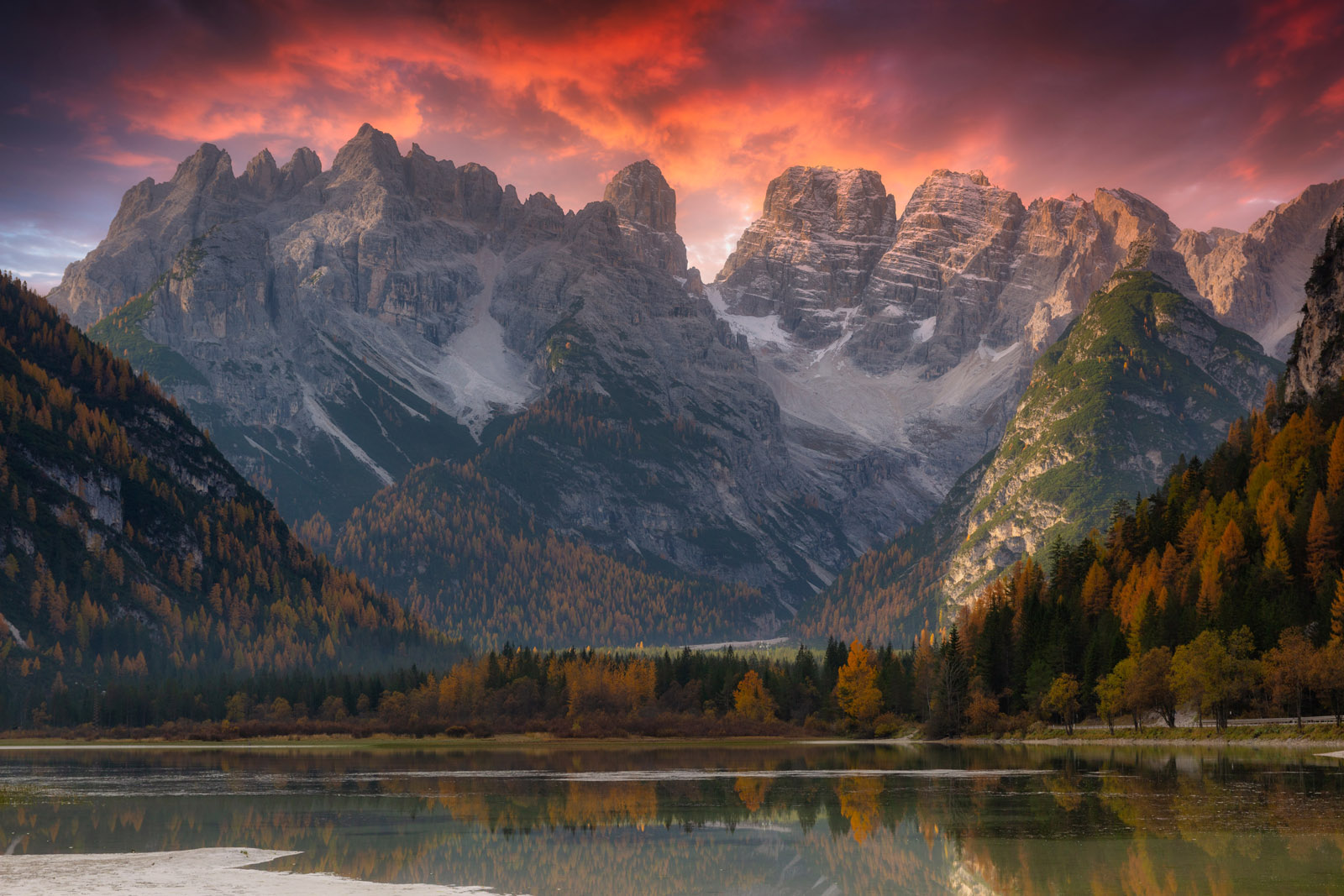
Experience a UNESCO World Heritage landscape rich in flora, fauna, charming woodlands, and dramatic views. Unique rock formations tower over upland flower meadows, hamlets, and traditional farmsteads. Witness the phenomenon known as the Enrosadira, when entire massifs glow fiery rose-pink at sunset.
With a night in Cortina, ‘Pearl of the Dolomites,’ at each end of your adventure, your remaining overnight destinations are stunningly-located mountain lodges, known locally as ‘rifugios,’ and colloquially as ‘huts’ by English speakers. With our maps and route notes, self-navigation is effortless. You do the walking, and we handle the rest, ensuring a plain-sailing adventure.
Browse this page for all you need to know about our Cortina to Tre Cime hut-to-hut walking holiday. Then click Enquire or Book Now, submit some details, and let our skilled enquiry team give you a pleasurable and reassuring booking experience.
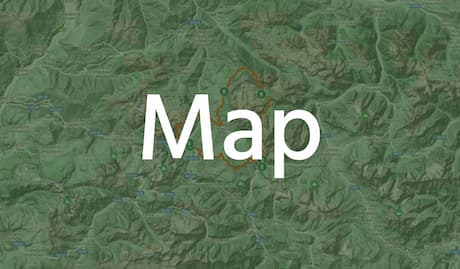
At a Glance
Dates
20 June to 21 September 2026
(You can start any day)
Price
£1425pp
This holiday is not suitable for solo travellers
Grade
Moderate/Challenging
Expect to walk for 5 – 8 hours each day with between 530m – 1170m of ascent and 550-1370m of descent each day
What’s Included
All Hut bookings at half-board (breakfast and dinner included)
B&B Accommodation in Cortina on your first and last night
Holiday Pack with comprehensive route notes, maps & more
Digital Map Access for the duration of your trip
Excess baggage storage in Cortina
Please note that packed lunches and refugio showers (which cost €3-6) are not included.
Travel
This holiday begins and ends in Cortina D’Ampezzo. The best option for this holiday is to fly in and out of Venice Marco Polo. From there, both the Cortina Express and Flixbus operate regular services to Cortina (2½ hrs).
Alternatively, private transfers between Venice Marco Polo (or Treviso) and Cortina d’Ampezzo are available and cost £170 pp (each way based on 2 people sharing).
Fly-driving and self-driving are also an option. If you plan to hire a car, please click here for a competitive quote.
Itinerary
Day 1
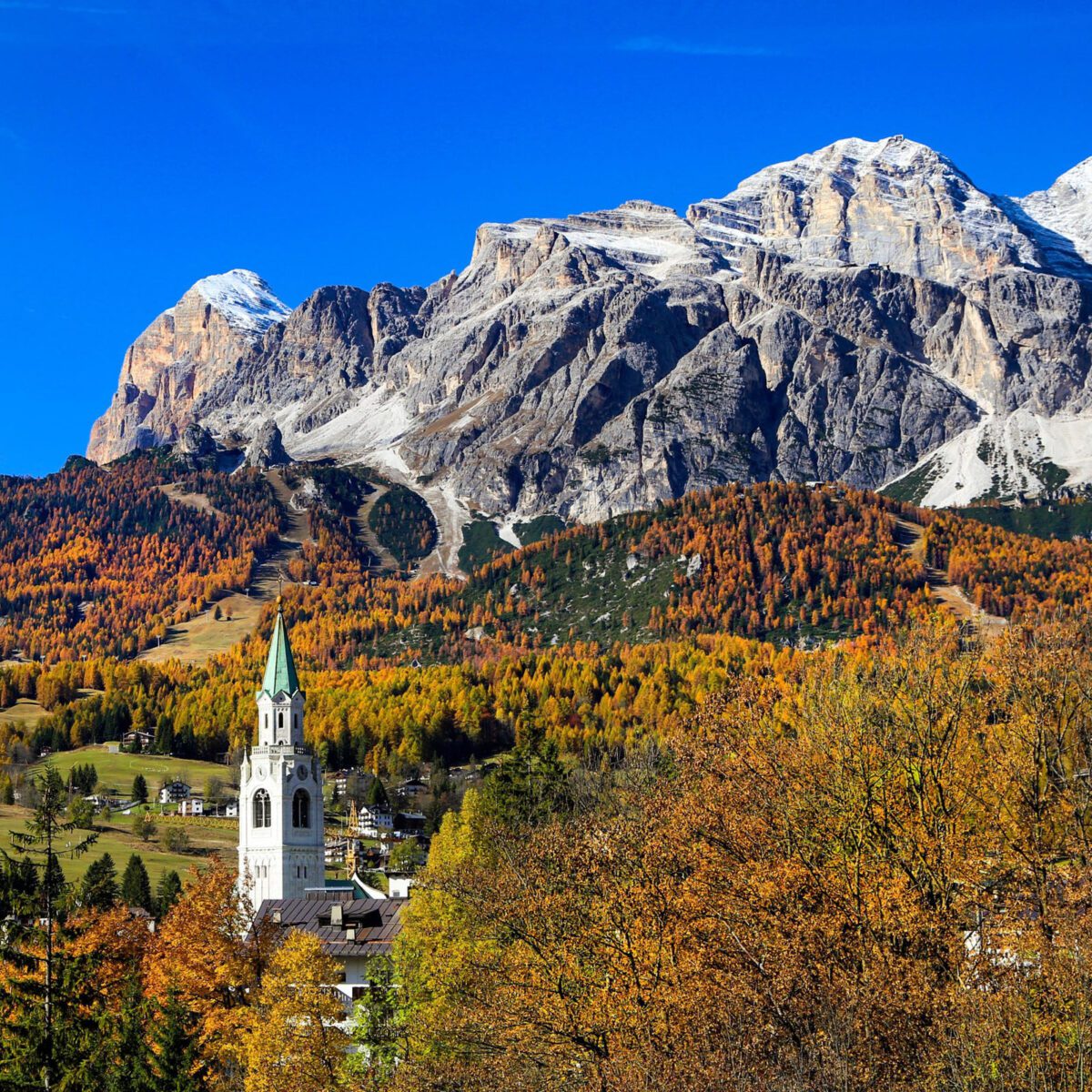
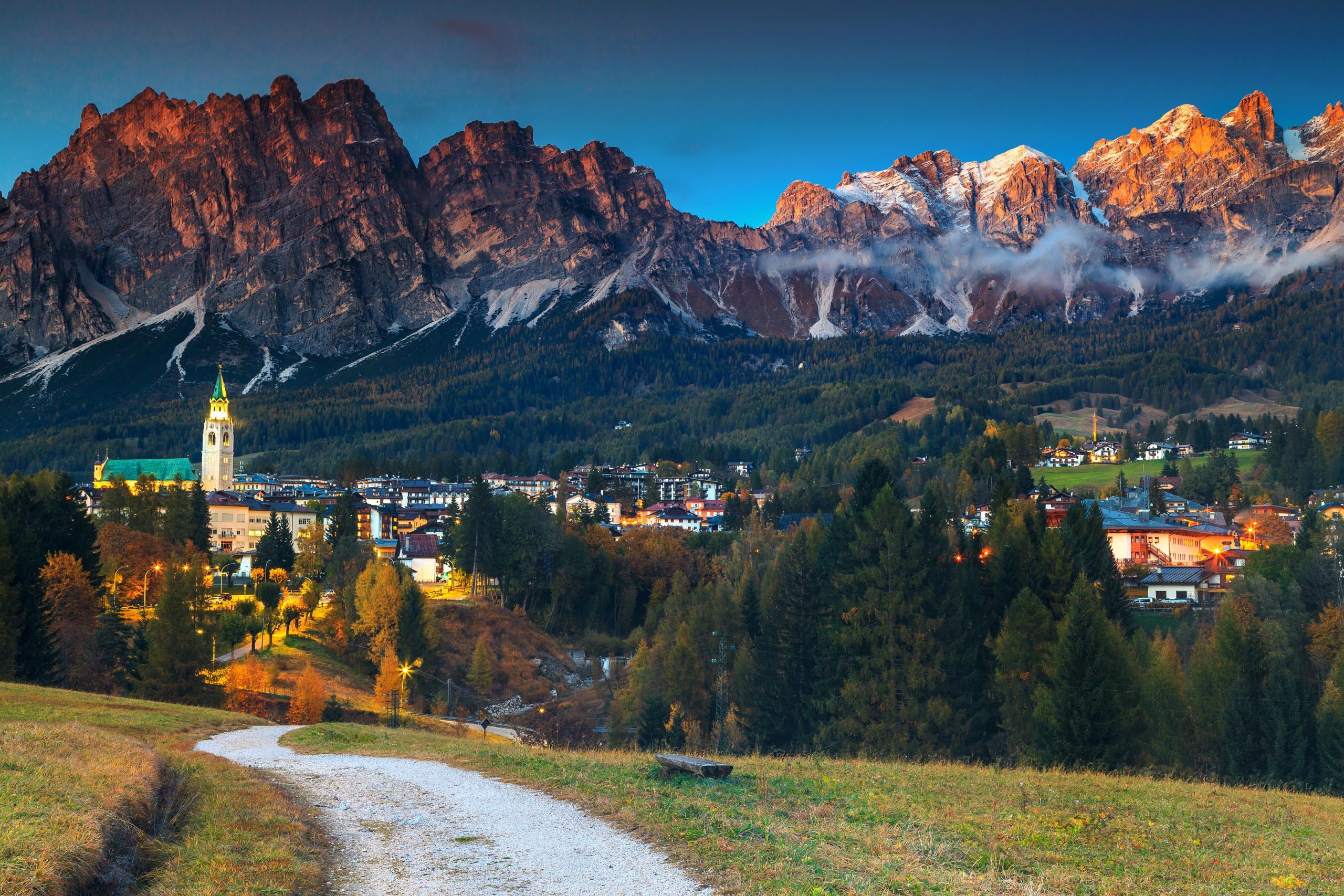
ArriveTravel to the Dolomites. Make your own way to Cortina d’Ampezzo by public transport, hire car, or optional private transfer direct to your first hotel. At 1200m, and nestled close to the great Dolomite peaks, this vibrant alpine gem has sensational backdrops. Private transfers are also available from Venice Treviso or Innsbruck – please contact us for details.
Accommodation: 3* Hotel in Cortina (B&B)
Day 2
Lake Federa and Cinque Torri15km, Walking Time 6-7hrs, Ascent 980m, Descent 550m
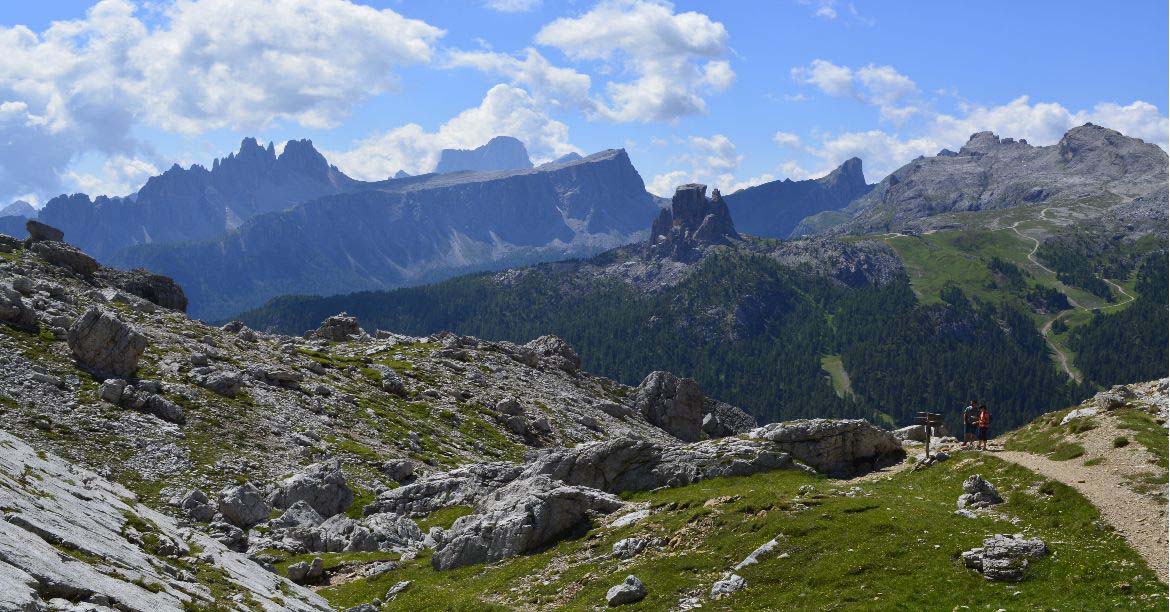
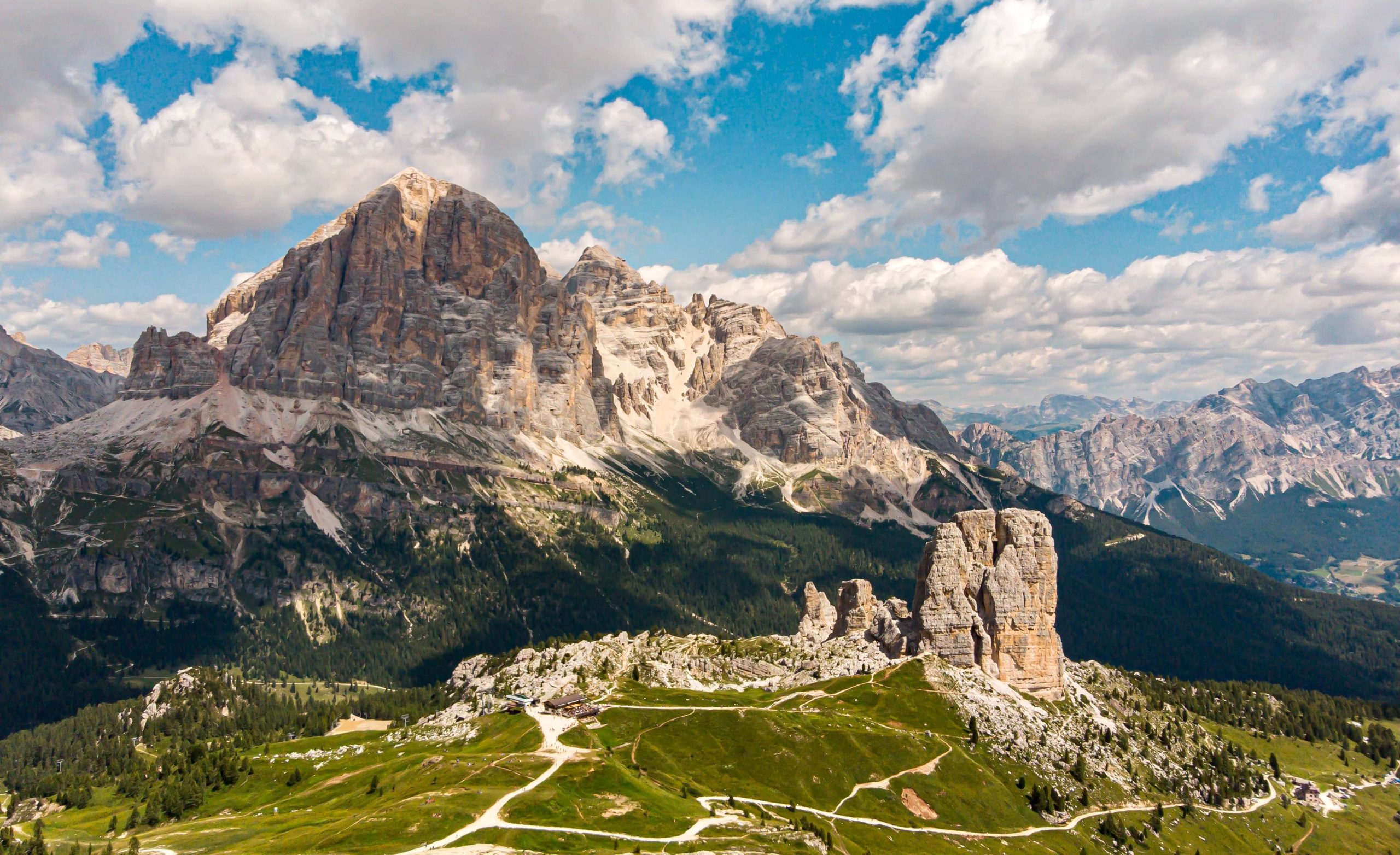
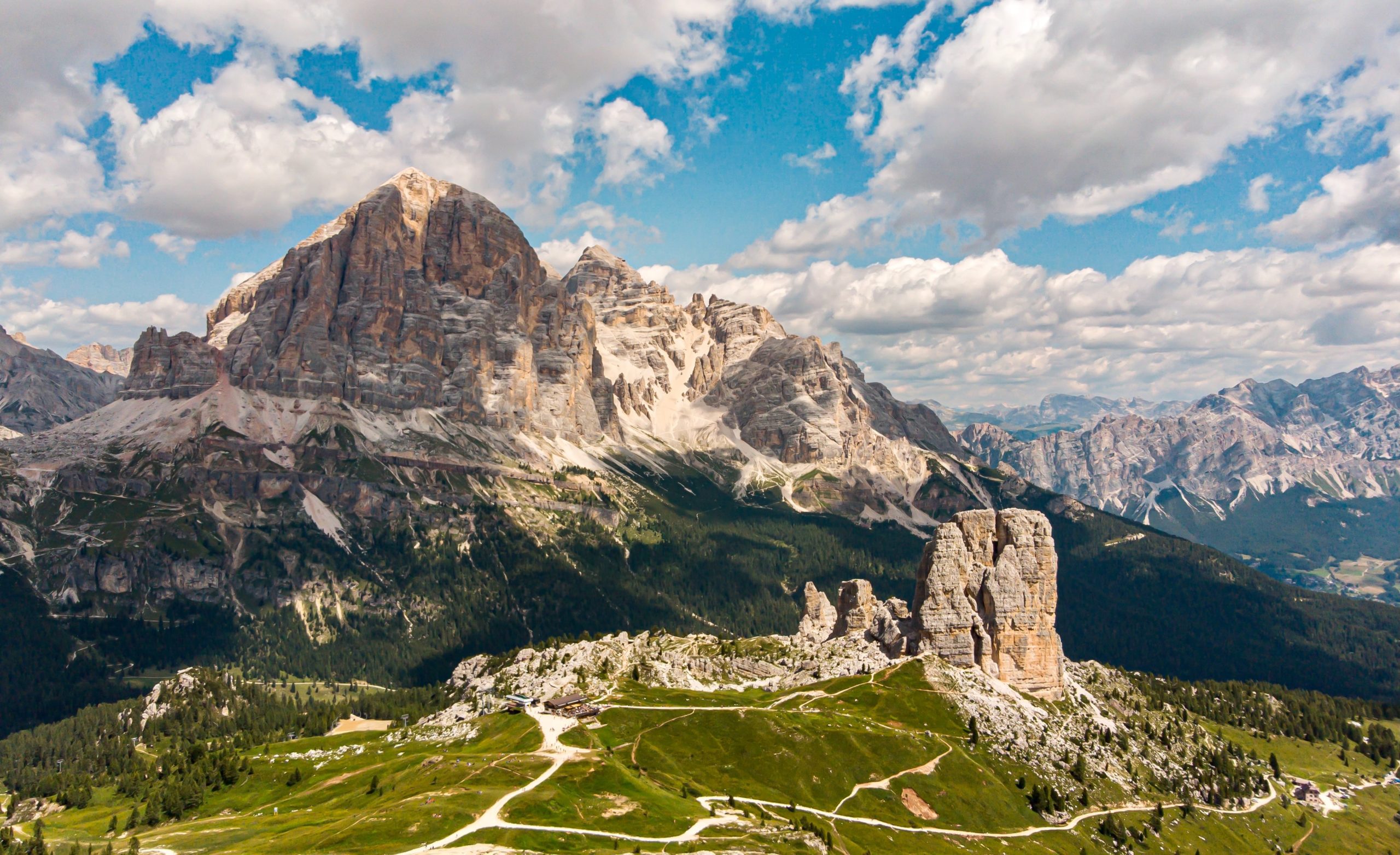
After a short transfer (included), today’s hike features two memorable landmarks: Lake Federa and the Cinque Torri group. The lake hosts a mesmerising panorama of the Sorapis and Cristallo ranges, looming large over Cortina, whilst the Cinque Torri (Five Towers) lies in a dramatic theatre of rock formations at a crossroads of glorious hiking trails.
Accommodation: Rifugio Cinque Torri (half-board)
Day 3
Lagazuoi & Fanes18km, Walking Time 7-8hrs, Ascent 700m, Descent 1370m
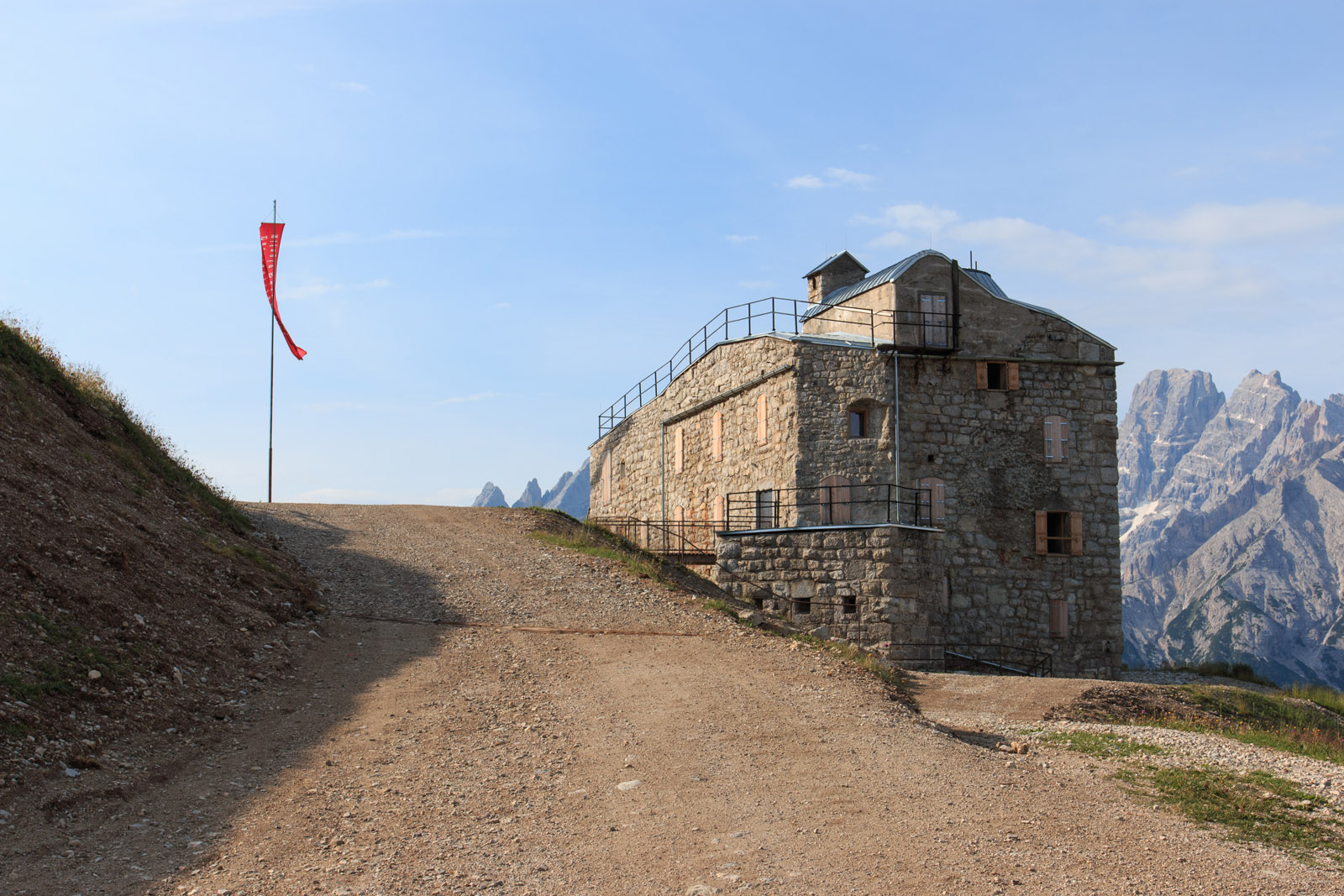
Today’s trek is the longest of the week. You begin by descending through the Nuvolau range to the Falzarego Pass, gateway to Monte Lagazuoi, celebrated for its 360 panoramas and its deep connection with the remarkable military conflict that unfolded here between the Italians and the Austrians during WWI. Amidst sensational scenery, you find yourself in an open-air museum of trenches, look-out posts and tunnels. This is the birthplace of Via Ferrata, a positive remnant of the cables, ladders and gorge-spanning bridges that allowed alpine soldiers on each side to observe the actions of the nearby enemy. After Lagazuoi, you follow the famed Alta Via 1 trail, heading deeper into the Fanes-Sennes-Braies Nature Park.
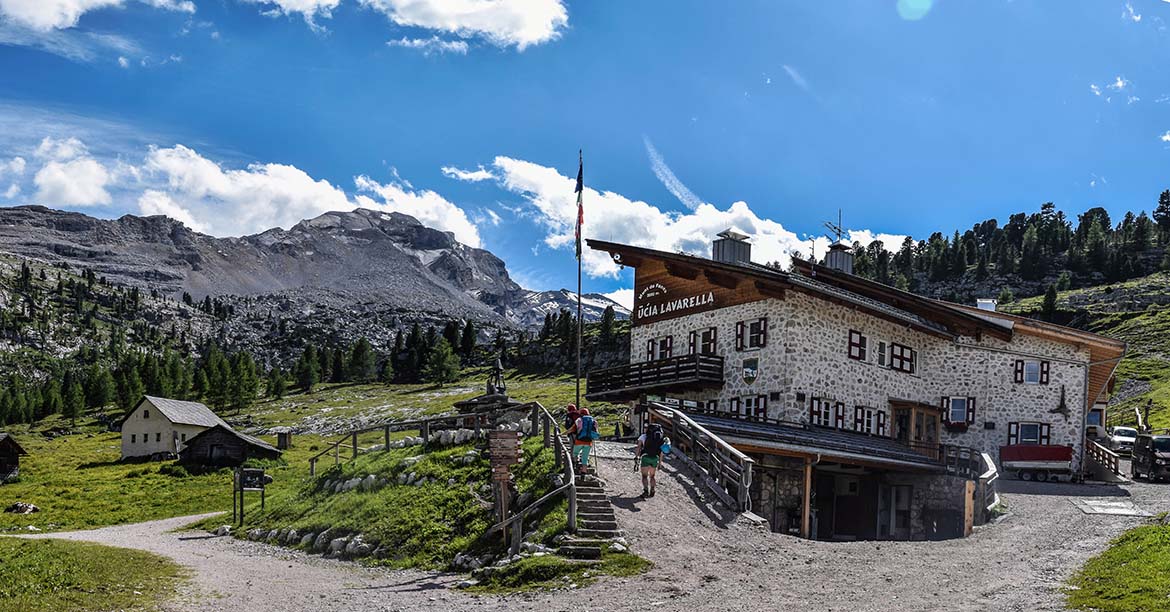
Accommodation: Rifugio Fanes/Lavarella/Muntagnoles (half-board)
Day 4
Fanes-Sennes-Braies Nature Park12km, Walking Time 5-6hrs, Ascent 740m, Descent 580m
After yesterday’s lengthy trek, you might welcome today’s easier hike between the Fanes and Sennes massifs. The trail winds through narrow gorges on the northern rim of the Fanes group and the upland pastures of the Val Salata, before you negotiate the steep ascent to the southern slopes of the Sennes massif. Experienced hikers may choose to ascend the Croda del Becco peak on a challenging trail over one of the peak’s ridges, the reward being a vast panoramic view to the north with beautiful Lake Braies at the foot of the mountain 1300m below.
Accommodation: Rifugio Sennes (half-board)
Day 5
Braies Dolomites17km, Walking Time 7-8hrs., Ascent 830m, Descent 1080m
The route today is easterly and more remote, as you venture onto trails perhaps more frequented by wildlife than people. You skirt the main ridge of the Croda Rossa massif on the north with a fabulous view of the red peak itself. You are now close to the most northerly range of the Dolomites, the alps of the Val Pusteria, which boast a completely different shape and origin compared to other Dolomite massifs. Your overnight stop is in the Alpe di Vallandro range, a truly idyllic place of peaceful, lush-green, upland pastures at 2000m, from where you will be absorbed by the spellbinding view of Monte Cristallo in the rays of the setting sun.
Accommodation: Rifugio Prato Piazza (half-board)Day 6
Tre Cime di Lavaredo14km, Walking Time 7-8hrs, Ascent 1170m, Descent 850m
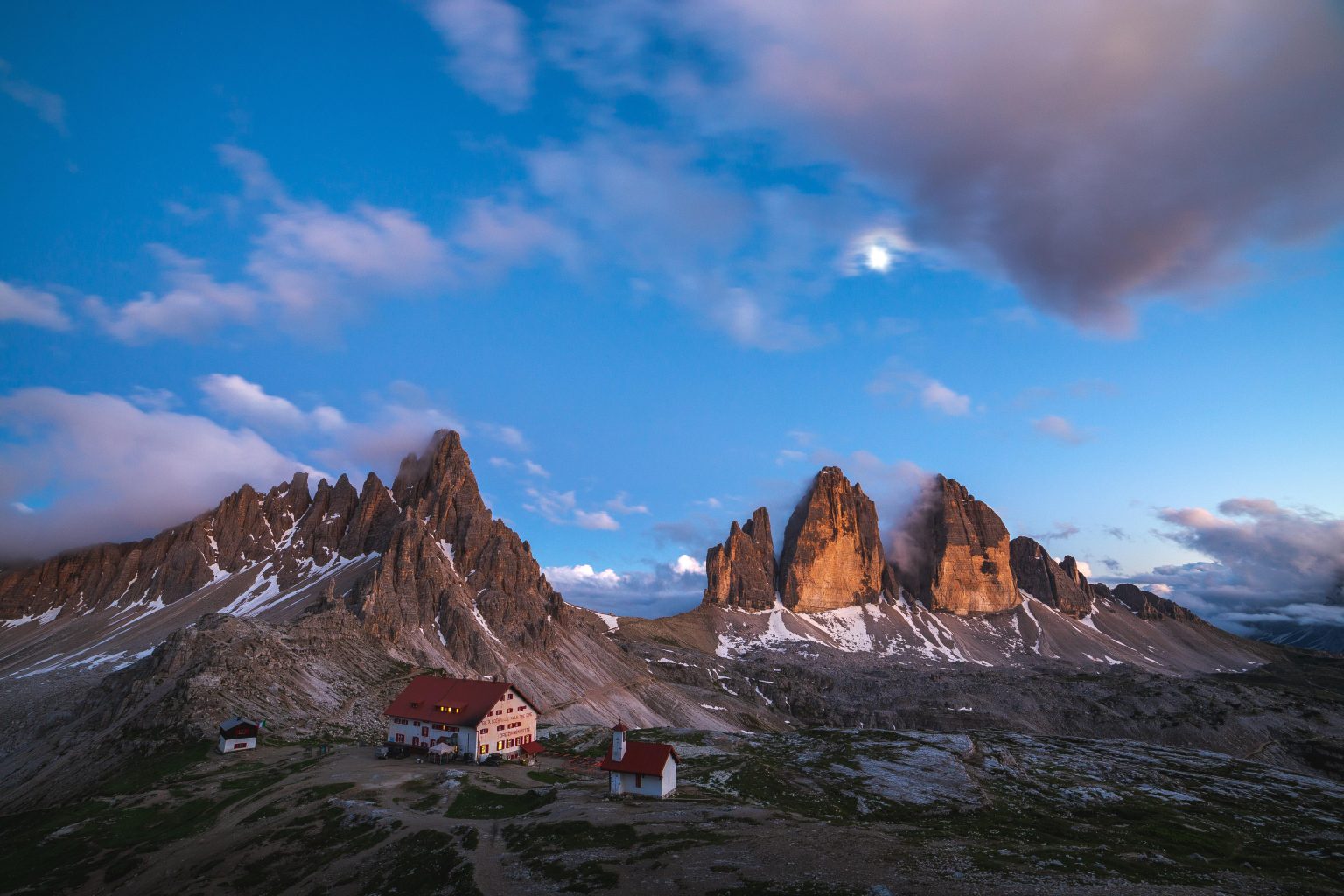
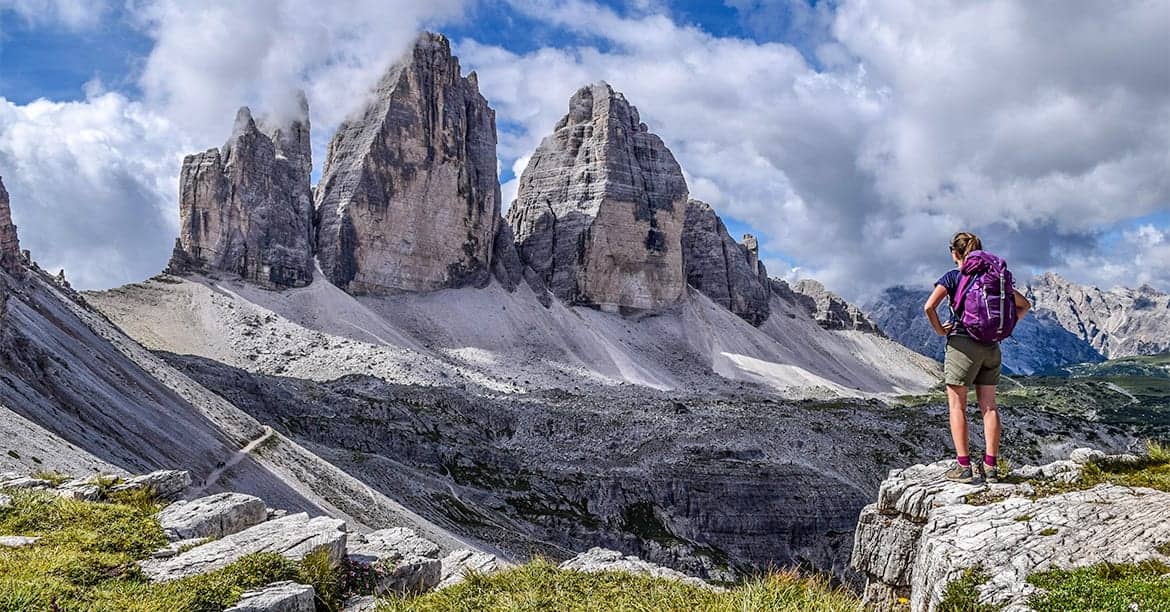
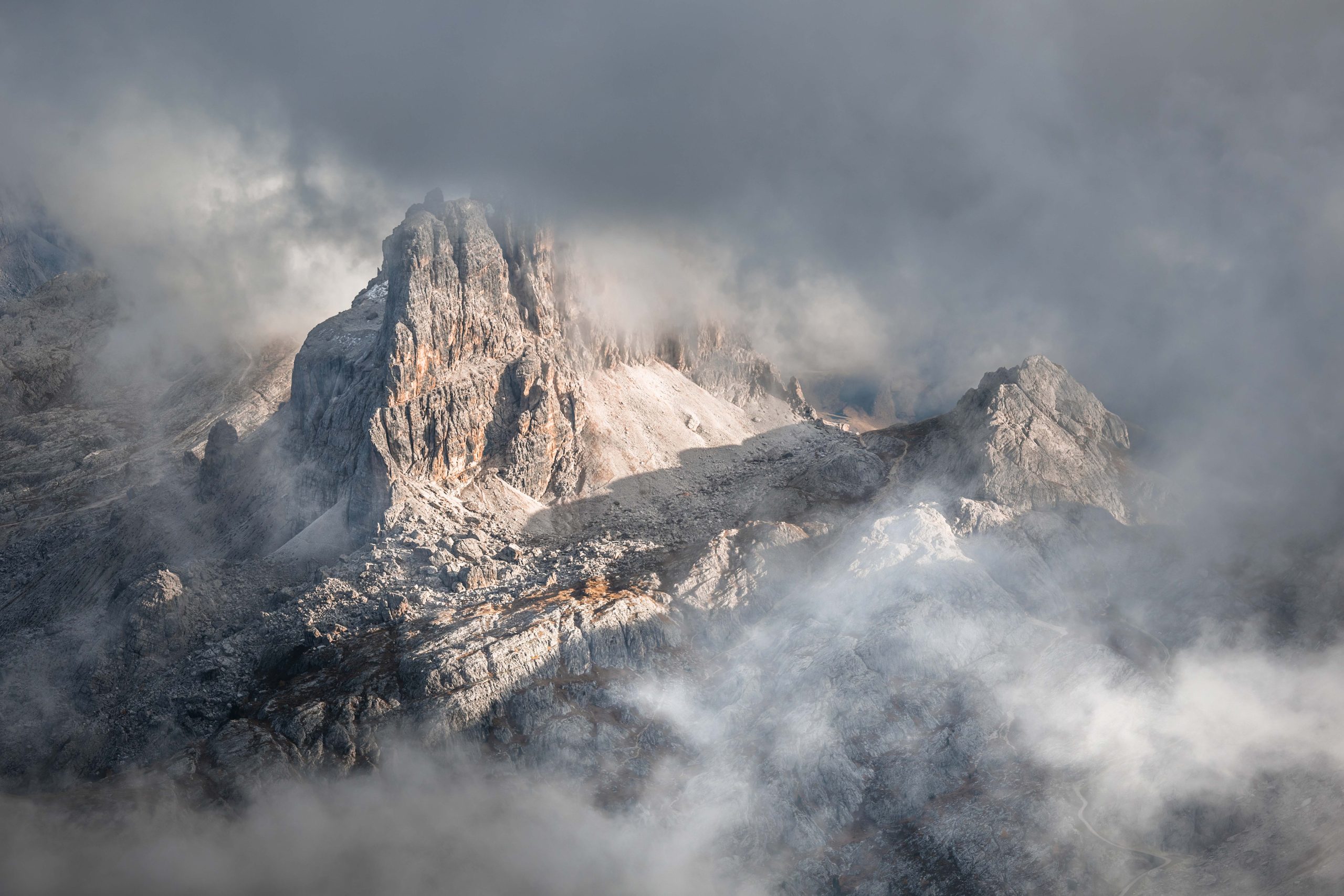
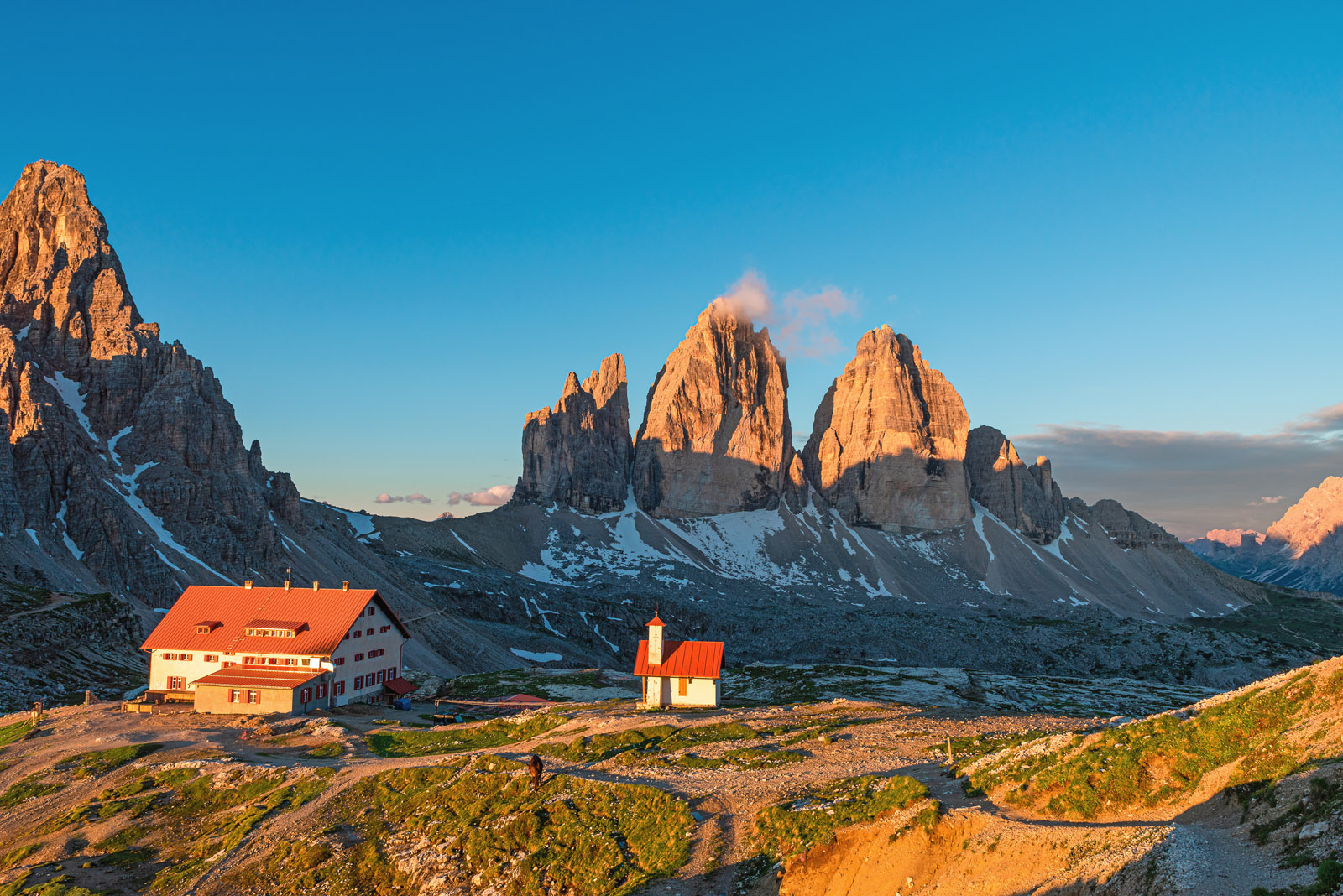
Today is a real thriller(!) starring the most photographed peaks in the entire Dolomites, the Tre Cime di Lavaredo (Three Peaks of Lavaredo). Or, in German, the Three Teeth (Drei Zinnern). The iconic view of the Dolomites’ signature peaks opens up before you, as you gradually ascend through enchanting woodland. To make things better, you approach them from the north-west, as they bask in the rays of a setting sun, thereby taking on a rich and bewitching orange-yellow hue. Photographers will barely contain themselves in this most glorious of landscapes. To cap off your pleasure, your overnight hut faces the peaks, so you can admire them from various angles at both sunset and sunrise.
Accommodation: Rifugio Tre Cime Locatelli (half-board)
Day 7
Sexten Dolomites11km, Walking Time 5-6 hrs, Ascent 530m, Descent 640m
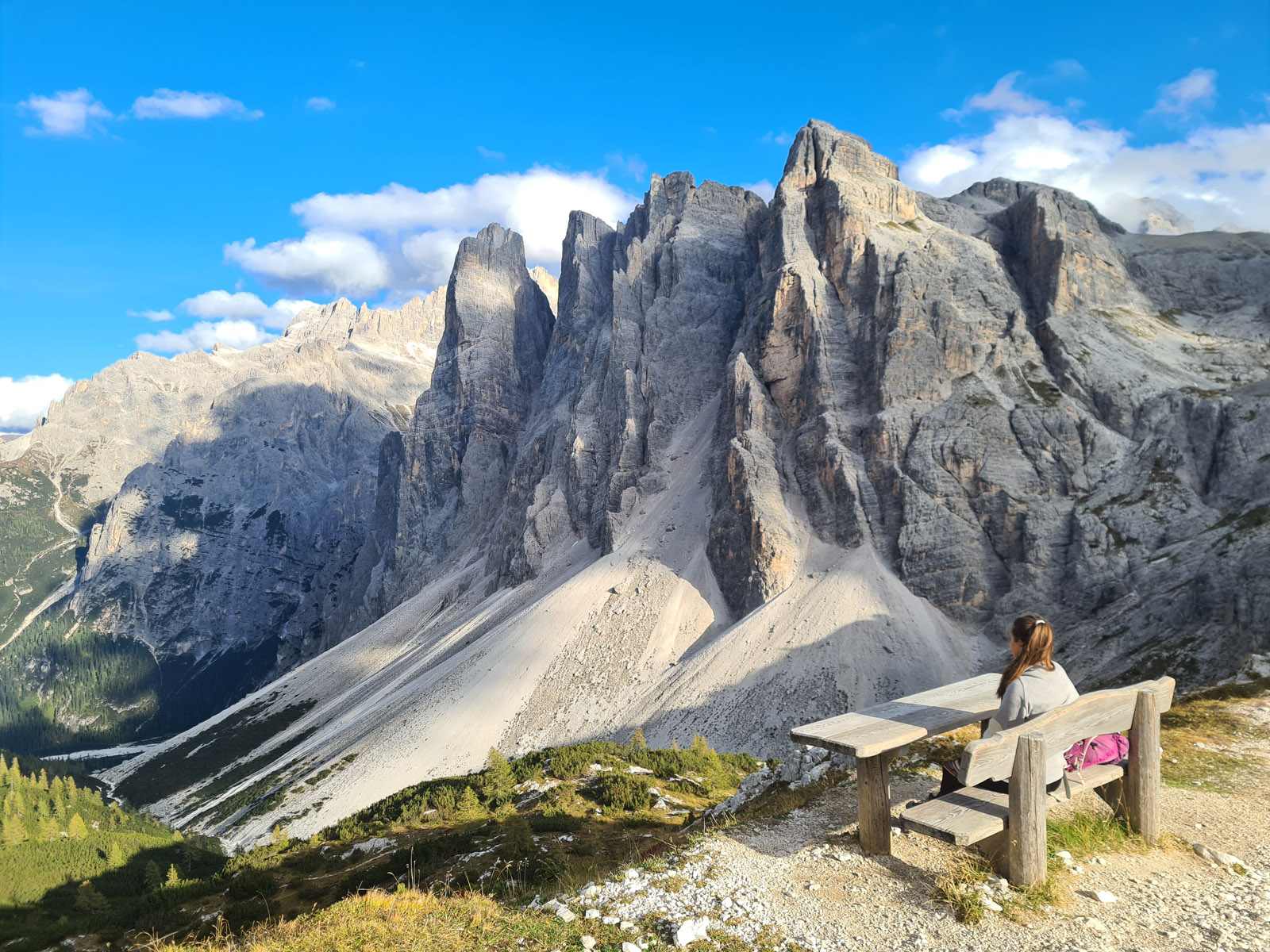
Your final hike is an adventure into the Sexten (or Sesto) Dolomites, where you ascend one of its peaks before returning to Cortina. Your day begins by contouring an impressive natural amphitheatre with a series of lakes at its bottom. Ice and snow linger long in these lakes, which catch the winter avalanches that tumble down the flanks above. Next, you hike up to the Pian di Cengia saddle, where a cosy rifugio with excellent cuisine awaits you. We recommend ascending the nearby peak, the eastern Cima Uno, before being tempted by the hut’s offerings. Your trek finishes on a scenic trail above two gorges, which eventually brings you down to the road, where a 1-hour transfer by public bus (not included) returns you to Cortina.
Accommodation: 3* Hotel in Cortina (B&B)
Day 8
DepartMake your own way back to Venice Marco Polo by public transport, hire car or optional private transfer. If you book a transfer be prepared for an early start – it’s a 2hr 30min transfer so if your flight is at 11am, we’ll aim to have you collected at 6.30am prompt.

Accommodation
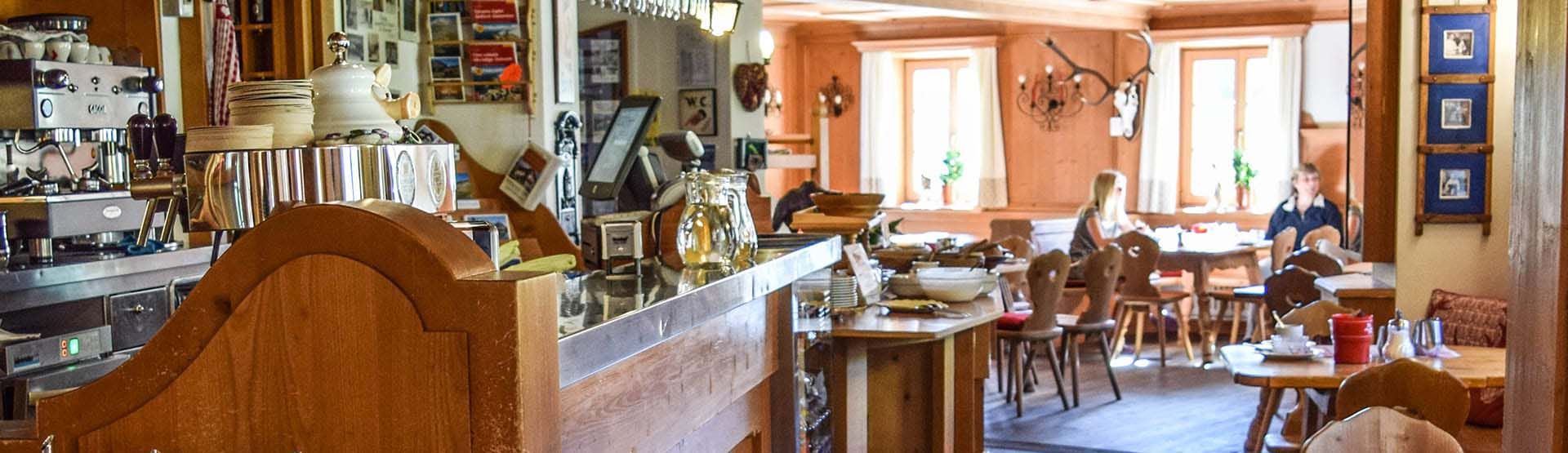
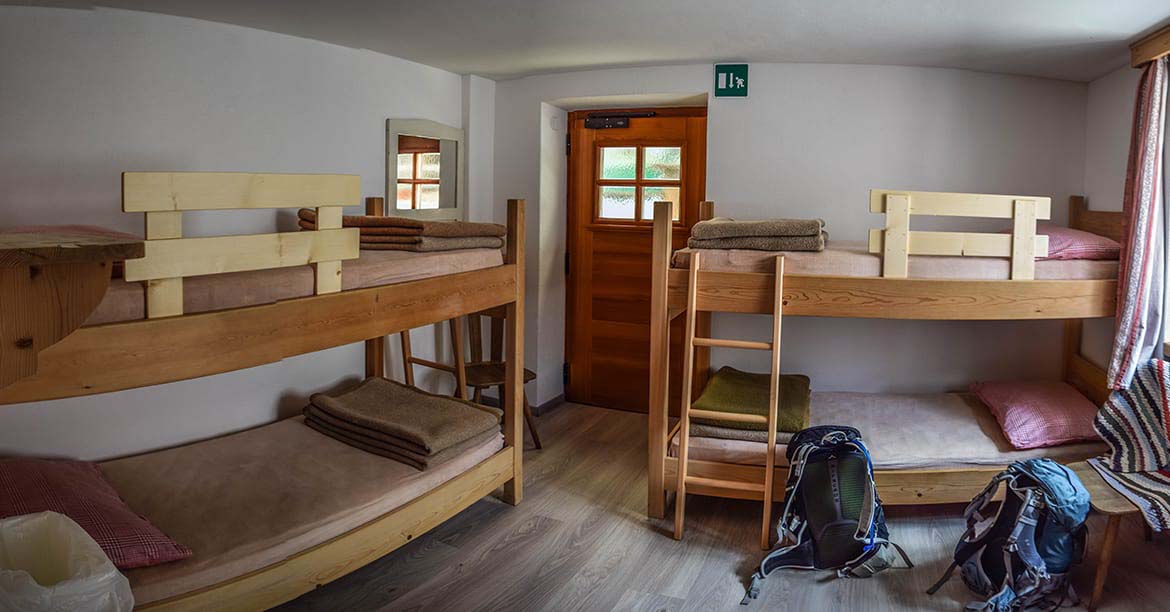
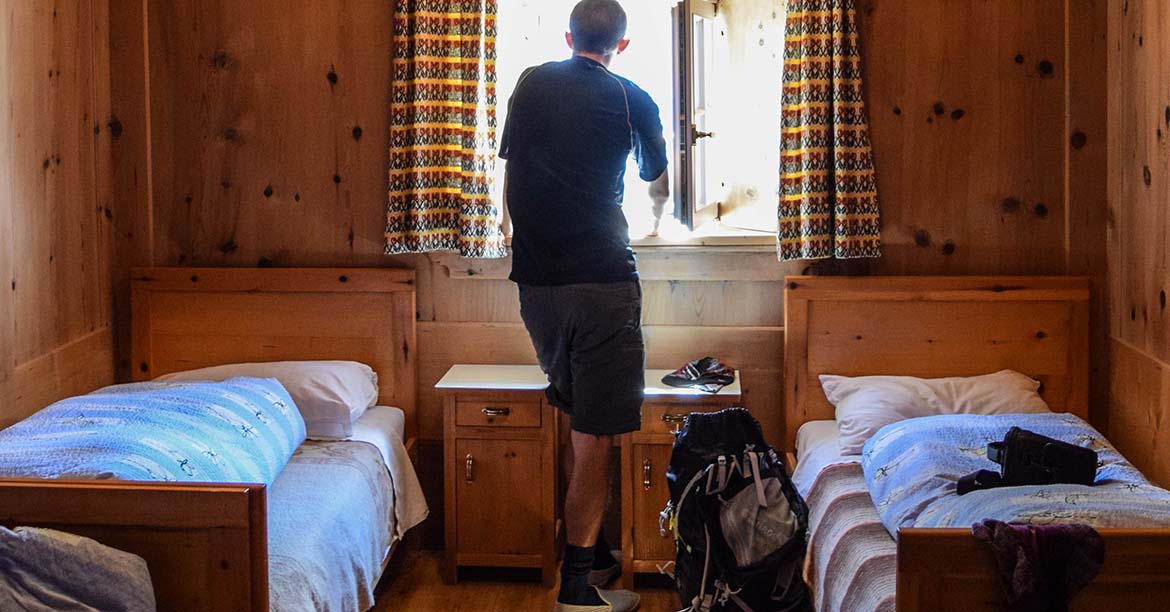
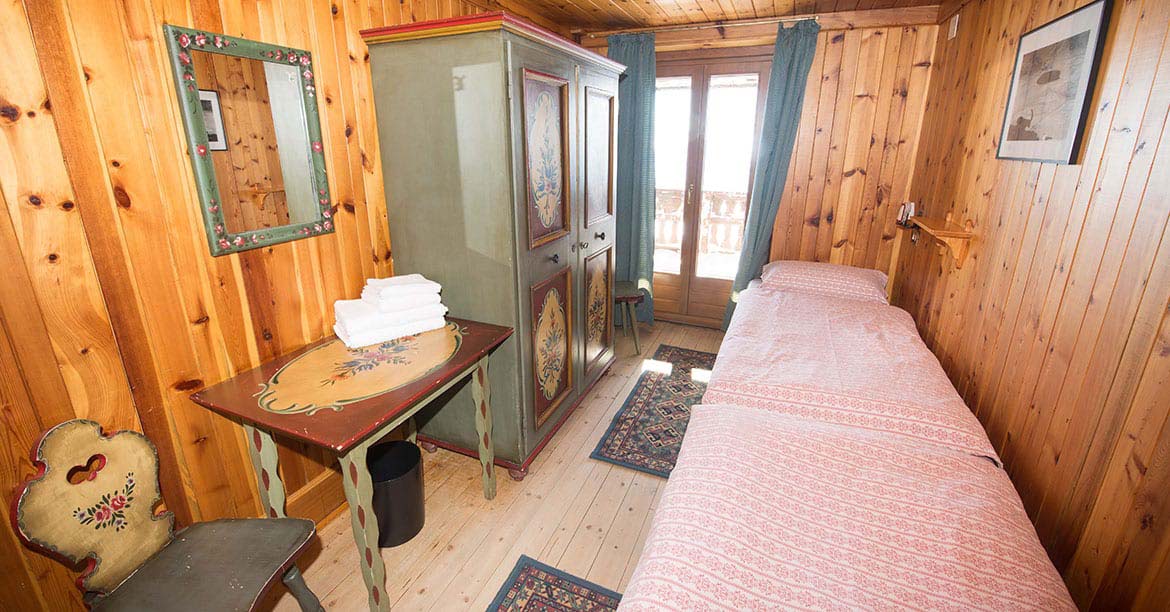
This itinerary is based on half-board, dormitory-style accommodation in the huts (rifugios).Your first and last night will be spent in Cortina on a B&B basis. Private rooms are available at a £20 per person per night supplement (this is subject to availability, so please request at the time of booking).
Testimonials
Frequently Asked Questions
The Cinque Torri, or “Five Towers,” is a striking cluster of limestone pinnacles set high in the Dolomites near Cortina d’Ampezzo. These distinctive rock formations rise dramatically above rolling alpine meadows, creating a breathtaking backdrop for walkers exploring the area.
The region offers a wonderful mix of trails, from gentle panoramic paths to routes that connect with neighbouring peaks and mountain huts, all with exceptional views across the surrounding Dolomite ranges. Beyond its natural beauty, the Cinque Torri also holds fascinating history — during the First World War, it was part of the Italian front line, and visitors can still explore preserved trenches and open-air exhibits that bring this past to life. Combining spectacular scenery, accessible walking, and a touch of history, the Cinque Torri is a memorable highlight of any Dolomite adventure.
The Tofana Group is one of the most impressive mountain ranges in the Dolomites, rising proudly above Cortina d’Ampezzo in northern Italy. Dominated by three towering peaks — Tofana di Rozes, Tofana di Mezzo, and Tofana di Dentro — the range is famed for its sheer limestone walls, sweeping views, and beautifully varied walking routes.
Trails wind through flower-filled meadows, past remnants of World War I, and up towards panoramic ridges and welcoming mountain huts (rifugios). The area offers something for every confident walker, from gentle scenic paths to more adventurous high-level routes. With its blend of dramatic landscapes, fascinating history, and accessible mountain trails, the Tofana Group is a truly unforgettable destination for a Dolomite walking holiday.
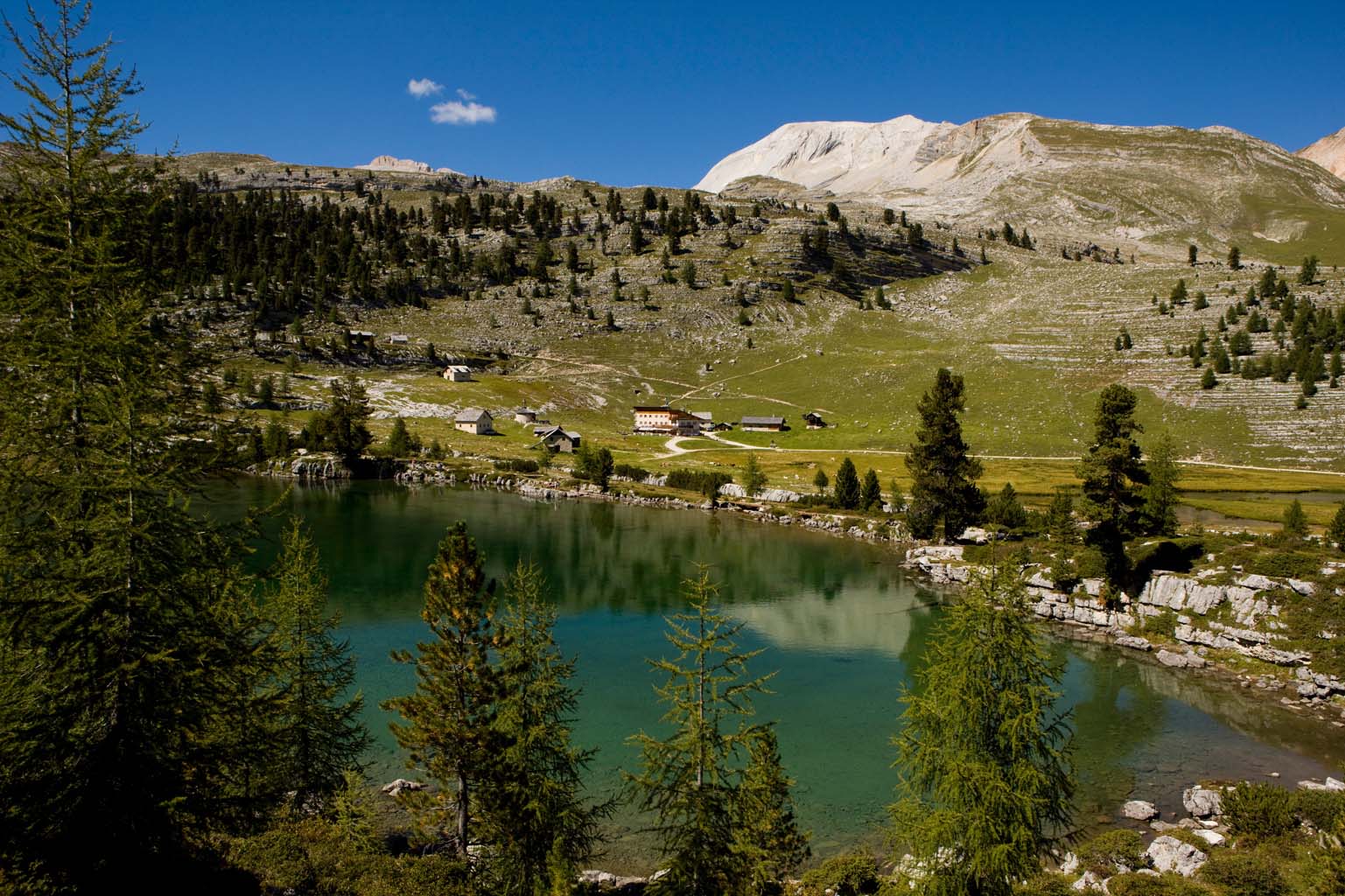
The Fanes-Sennes-Braies Natural Park is one of the most captivating areas in the Dolomites, set in South Tyrol between Val Badia and Val Pusteria. Its landscape blends dramatic limestone peaks with peaceful alpine plateaus, crystal-clear lakes, and wildflower meadows, creating an unforgettable setting for walkers. Well-marked trails link a network of welcoming rifugios, allowing for comfortable hut-to-hut journeys through some of the Dolomites’ most scenic terrain. Highlights include the famous Lago di Braies and the expansive Fanes and Sennes plateaus, where nature, culture, and mountain legend come together in perfect harmony.
Walking in this part of the Dolomites is generally considered moderate to challenging, offering the perfect balance between accessibility and adventure. The trails around Cinque Torri, the Tofana Group, and the Fanes-Sennes-Braies Natural Park are well-marked and well-maintained, making them suitable for confident walkers who enjoy full days on varied mountain terrain. Our Cortina to Tre Cime hut-to-hut-walking holiday comes complete with a Walk Pack, consisting of comprehensive walk notes, maps and more to ensure easy navigation of this beautiful route.
This region of the Dolomites, encompassing Cinque Torri, the Tofana Group, and the Fanes-Sennes-Braies Natural Park, is ideal for those seeking a moderate to challenging hut-to-hut walking holiday. The area offers an exciting variety of trails — from gentle panoramic routes and forested paths to high mountain passes and rugged limestone ridges that demand a little more effort and stamina. Walkers can expect full days on the trail, with steady climbs and rewarding descents, all set against some of the most dramatic mountain scenery in the Alps. While the walking is never overly technical, a good level of fitness and sure-footedness will enhance the experience. With comfortable rifugios, superb waymarking, and breathtaking views at every turn, this part of the Dolomites offers the perfect blend of challenge, beauty, and alpine adventure.
Not always. Generally only linen is provided, so pack a compact towel for your showers
Sockets will be available, but not always near to your bed – especially if in dorms. It’s always a good idea to take a battery pack, and recharge this periodically, rather than leave your phone in communal areas. You’ll need to remember your plug adaptor.
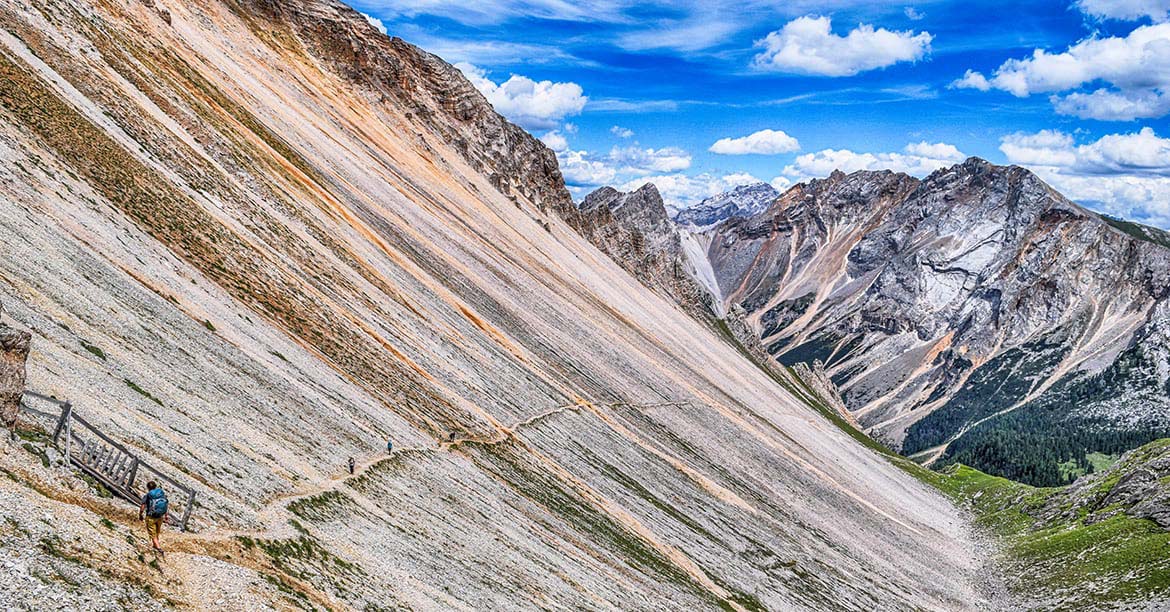
Terrain – On a typical hut-to-hut route, the terrain can vary considerably, though most of the walking takes place on moderately challenging trails. Exposed sections are sometimes encountered, but these are usually widened or secured with chains or metal cords, allowing hikers to pass safely without specialist equipment. The holiday follows only waymarked and signposted routes, ranging from well-trodden woodland paths to steeper trails on looser, rocky terrain. In higher mountain areas, a good level of experience, surefootedness, and fitness is required, and early in the season you may encounter patches of late-lying snow on higher ground.
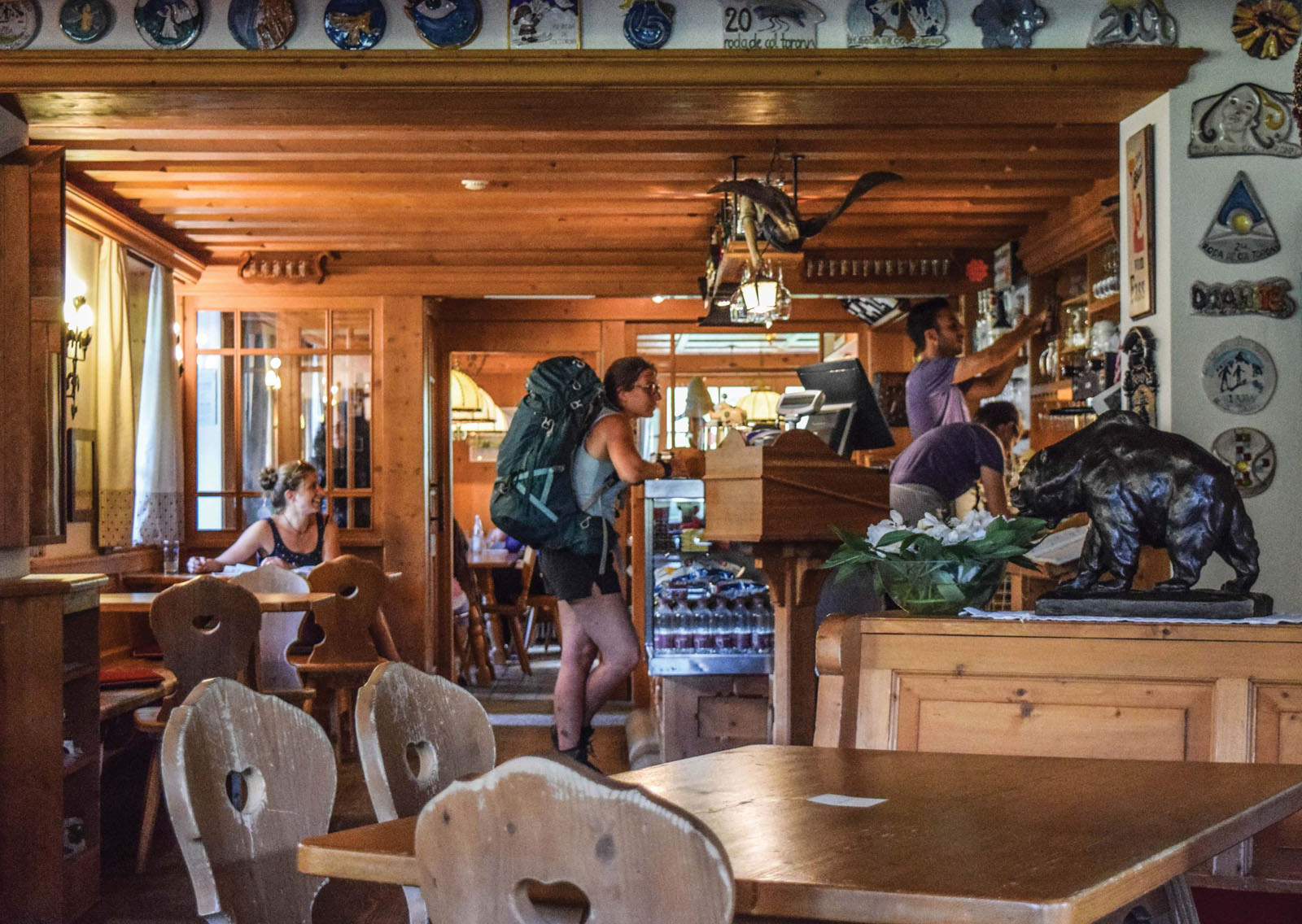
Apart from your first and last nights, accommodation is in mountain lodges, known locally as ‘rifugios’. These typically provide a bed in a shared room or a private room (private rooms must be booked in advance and cost £20 per person per night extra, subject to availability), hot showers, toilets, meals, and water for refilling bottles. Snacks such as sandwiches and chocolate are usually available to purchase.
Shared rooms come with bunk beds, mattresses, pillows, and blankets, but bed linen is not provided, so a sleeping bag liner (usually a light cotton liner) is required. A full sleeping bag is generally unnecessary, as blankets are supplied. Guests with pre-booked private rooms are often provided with bed linen, meaning a liner may not be needed; this will be confirmed when you book. You will also need clean indoor footwear for use in the huts, with light sliders being ideal.
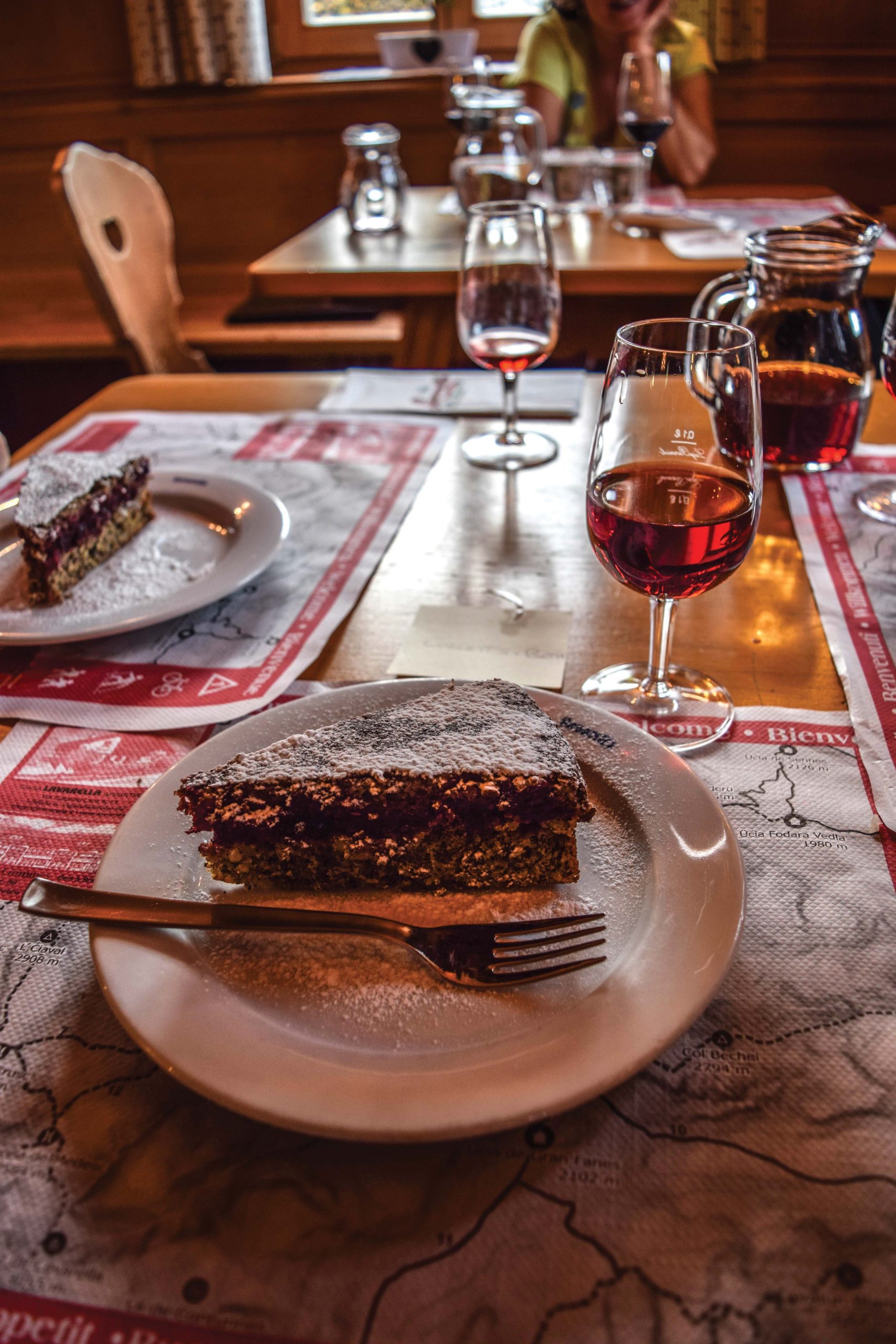
Breakfast & Dinner – Breakfast is normally served between 7:00 and 9:00am and typically includes unlimited tea and coffee, bread with butter, jam, honey, and chocolate spread. Some mountain huts also offer additional items such as ham, cheese, and muesli. Guests can refill a flask or thermos with hot water or tea free of charge by asking a member of staff. Dinner is generally served at 7:00 or 7:30pm for all guests and is a hearty, multi-course meal, including a starter, a first course (such as pasta, risotto, or dumplings), a main course of meat with a side dish, and dessert. Drinks at dinner, including water, wine, beer, tea, and coffee, are not included and must be ordered and paid for separately.
Lunch – It is often possible to stop for lunch at mountain huts along the route, though this is not guaranteed every day. When lunch stops are unavailable, we recommend purchasing light snacks such as sandwiches, yoghurt, chocolate, or water from the hut where you stayed the previous night. Hot lunch options in the huts are often similar to dinner dishes, with typical meals, such as pasta or risotto, costing €10–14.
You are responsible for wearing appropriate outdoor clothing and following good practice and mountain safety procedures at all times. When planning your day, be realistic about how long each route will take, considering your fitness, experience, and ability. These self-guided hut-to-hut walking holidays are designed so that no specialist skills or equipment are required, unless clearly stated in the itinerary. Trails are generally well-maintained and waymarked, and any exposed sections on the self-guided routes are secured, making them safe provided that basic mountain safety guidelines are followed.
Weather – The Dolomites generally experience their most stable weather from July through mid to late September, with warmer temperatures and lower rainfall, although mid- to late-afternoon thunderstorms can occur on hotter days. In early June, conditions are usually favourable but less predictable, and lingering winter snow may affect higher routes, requiring adjustments depending on snow at the passes. Late September can offer excellent weather, but it is generally more variable, with increasing rain, cooler temperatures, and occasional snow above 2,000m.
Most hiking routes in the Dolomites are above 2,000m, where temperatures are rarely hot. On sunny August days, temperatures may rise above 20°C during the warmest hours, creating comfortable hiking conditions, while cooler, cloudy days may see temperatures around 10°C. Nights and early mornings are always chilly at altitude. Thunderstorms, sometimes accompanied by hail, can occur in July and August. Valleys at 1,000–1,500m can reach 30°C, though mornings and evenings remain fresh, and nights are generally comfortable even during the hottest weeks of summer.
Why book with Collett’s?
-
Unforgettable walks
-
With you every step
-
Handpicked hotels with warm hospitality
-
Mountain holiday specialists since 1997
Need to Knows
Trusted Local Partner – Please note that this holiday has been organised by us in association with a trusted local partner.
Booking Conditions – Please read our full terms and conditions here before booking.
Booking Conditions – Please read our full terms and conditions here before booking.
Travel Insurance – Having adequate and valid travel insurance is a condition of booking with us. Details of our insurance partner, Campbell Irvine, are here, should you wish to get a quote.
ETIAS & EES – The European Travel Information and Authorisation System is not due to be introduced until late-2026. Currently there is not an exact date as to when it will come into force. This means you do not need to have a ETIAS for travel to Europe at the moment. The Entry / Exit System started to be operational in October 2025, and be fully implemented in April 2026. For more information read our blog article here.
ABTA – Independent travel advice and help is always available from ABTA by calling 020 3117 0599 or visiting www.abta.com.
Travel Advice – Check your government’s travel advisory for up-to-date information and advice about your destination. For UK citizens, check the latest Foreign, Commonwealth & Development Office advice here.
Health Information – You should carry either an European Health Insurance Card (EHIC) or a Global Health Insurance Card (GHIC) Neither is an alternative to adequate travel insurance. For more information visit https://www.gov.uk/foreign-travel-advice and https://travelhealthpro.org.uk/