Testimonials

Frequently Asked Questions

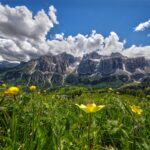
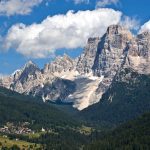
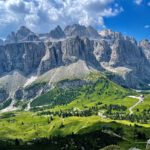
The Cinque Torri, or “Five Towers,” is a striking cluster of limestone pinnacles set high in the Dolomites near Cortina d’Ampezzo. These distinctive rock formations rise dramatically above rolling alpine meadows, creating a breathtaking backdrop for walkers exploring the area.
The region offers a wonderful mix of trails, from gentle panoramic paths to routes that connect with neighbouring peaks and mountain huts, all with exceptional views across the surrounding Dolomite ranges. Beyond its natural beauty, the Cinque Torri also holds fascinating history — during the First World War, it was part of the Italian front line, and visitors can still explore preserved trenches and open-air exhibits that bring this past to life. Combining spectacular scenery, accessible walking, and a touch of history, the Cinque Torri is a memorable highlight of any Dolomite adventure.

The Tofana Group is one of the most impressive mountain ranges in the Dolomites, rising proudly above Cortina d’Ampezzo in northern Italy. Dominated by three towering peaks — Tofana di Rozes, Tofana di Mezzo, and Tofana di Dentro — the range is famed for its sheer limestone walls, sweeping views, and beautifully varied walking routes.
Trails wind through flower-filled meadows, past remnants of World War I, and up towards panoramic ridges and welcoming mountain huts (rifugios). The area offers something for every confident walker, from gentle scenic paths to more adventurous high-level routes. With its blend of dramatic landscapes, fascinating history, and accessible mountain trails, the Tofana Group is a truly unforgettable destination for a Dolomite walking holiday.

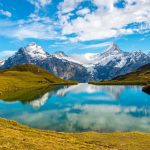
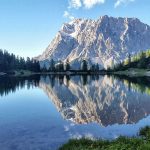
The Fanes-Sennes-Braies Natural Park is one of the most captivating areas in the Dolomites, set in South Tyrol between Val Badia and Val Pusteria. Its landscape blends dramatic limestone peaks with peaceful alpine plateaus, crystal-clear lakes, and wildflower meadows, creating an unforgettable setting for walkers. Well-marked trails link a network of welcoming rifugios, allowing for comfortable hut-to-hut journeys through some of the Dolomites’ most scenic terrain. Highlights include the famous Lago di Braies and the expansive Fanes and Sennes plateaus, where nature, culture, and mountain legend come together in perfect harmony.

Walking in this part of the Dolomites is generally considered moderate to challenging, offering the perfect balance between accessibility and adventure. The trails around Cinque Torri, the Tofana Group, and the Fanes-Sennes-Braies Natural Park are well-marked and well-maintained, making them suitable for confident walkers who enjoy full days on varied mountain terrain. Our Cortina to Tre Cime hut-to-hut-walking holiday comes complete with a Walk Pack, consisting of comprehensive walk notes, maps and more to ensure easy navigation of this beautiful route.

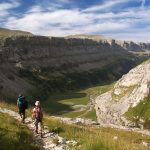
This region of the Dolomites, encompassing Cinque Torri, the Tofana Group, and the Fanes-Sennes-Braies Natural Park, is ideal for those seeking a moderate to challenging hut-to-hut walking holiday. The area offers an exciting variety of trails — from gentle panoramic routes and forested paths to high mountain passes and rugged limestone ridges that demand a little more effort and stamina. Walkers can expect full days on the trail, with steady climbs and rewarding descents, all set against some of the most dramatic mountain scenery in the Alps. While the walking is never overly technical, a good level of fitness and sure-footedness will enhance the experience. With comfortable rifugios, superb waymarking, and breathtaking views at every turn, this part of the Dolomites offers the perfect blend of challenge, beauty, and alpine adventure.

Not always. Generally only linen is provided, so pack a compact towel for your showers

Sockets will be available, but not always near to your bed – especially if in dorms. It’s always a good idea to take a battery pack, and recharge this periodically, rather than leave your phone in communal areas. You’ll need to remember your plug adaptor.

Terrain – On a typical hut-to-hut route, the terrain can vary considerably, though most of the walking takes place on moderately challenging trails. Exposed sections are sometimes encountered, but these are usually widened or secured with chains or metal cords, allowing hikers to pass safely without specialist equipment. The holiday follows only waymarked and signposted routes, ranging from well-trodden woodland paths to steeper trails on looser, rocky terrain. In higher mountain areas, a good level of experience, surefootedness, and fitness is required, and early in the season you may encounter patches of late-lying snow on higher ground.

Apart from your first and last nights, accommodation is in mountain lodges, known locally as ‘rifugios’. These typically provide a bed in a shared room or a private room (private rooms must be booked in advance and cost £20 per person per night extra, subject to availability), hot showers, toilets, meals, and water for refilling bottles. Snacks such as sandwiches and chocolate are usually available to purchase.
Shared rooms come with bunk beds, mattresses, pillows, and blankets, but bed linen is not provided, so a sleeping bag liner (usually a light cotton liner) is required. A full sleeping bag is generally unnecessary, as blankets are supplied. Guests with pre-booked private rooms are often provided with bed linen, meaning a liner may not be needed; this will be confirmed when you book. You will also need clean indoor footwear for use in the huts, with light sliders being ideal.

Breakfast & Dinner – Breakfast is normally served between 7:00 and 9:00am and typically includes unlimited tea and coffee, bread with butter, jam, honey, and chocolate spread. Some mountain huts also offer additional items such as ham, cheese, and muesli. Guests can refill a flask or thermos with hot water or tea free of charge by asking a member of staff. Dinner is generally served at 7:00 or 7:30pm for all guests and is a hearty, multi-course meal, including a starter, a first course (such as pasta, risotto, or dumplings), a main course of meat with a side dish, and dessert. Drinks at dinner, including water, wine, beer, tea, and coffee, are not included and must be ordered and paid for separately.
Lunch – It is often possible to stop for lunch at mountain huts along the route, though this is not guaranteed every day. When lunch stops are unavailable, we recommend purchasing light snacks such as sandwiches, yoghurt, chocolate, or water from the hut where you stayed the previous night. Hot lunch options in the huts are often similar to dinner dishes, with typical meals, such as pasta or risotto, costing €10–14.

You are responsible for wearing appropriate outdoor clothing and following good practice and mountain safety procedures at all times. When planning your day, be realistic about how long each route will take, considering your fitness, experience, and ability. These self-guided hut-to-hut walking holidays are designed so that no specialist skills or equipment are required, unless clearly stated in the itinerary. Trails are generally well-maintained and waymarked, and any exposed sections on the self-guided routes are secured, making them safe provided that basic mountain safety guidelines are followed.
Weather – The Dolomites generally experience their most stable weather from July through mid to late September, with warmer temperatures and lower rainfall, although mid- to late-afternoon thunderstorms can occur on hotter days. In early June, conditions are usually favourable but less predictable, and lingering winter snow may affect higher routes, requiring adjustments depending on snow at the passes. Late September can offer excellent weather, but it is generally more variable, with increasing rain, cooler temperatures, and occasional snow above 2,000m.
Most hiking routes in the Dolomites are above 2,000m, where temperatures are rarely hot. On sunny August days, temperatures may rise above 20°C during the warmest hours, creating comfortable hiking conditions, while cooler, cloudy days may see temperatures around 10°C. Nights and early mornings are always chilly at altitude. Thunderstorms, sometimes accompanied by hail, can occur in July and August. Valleys at 1,000–1,500m can reach 30°C, though mornings and evenings remain fresh, and nights are generally comfortable even during the hottest weeks of summer.

Join our mailing list