Val di Fassa Hut-to-Hut Walking Holiday
Hike the most thrilling part of the Alta Via 2
19 June 2027
–
13 September 2027
Enquire
Book Now
Country
Italy
Grade
Challenging
Duration
7 Nights
Style
Self-Guided
Type
Hut-to-Hut
Price
£1425
-
 Unforgettable walks
 -
With you every step
-
Handpicked hotels with warm hospitality
-
Mountain holiday specialists since 1997



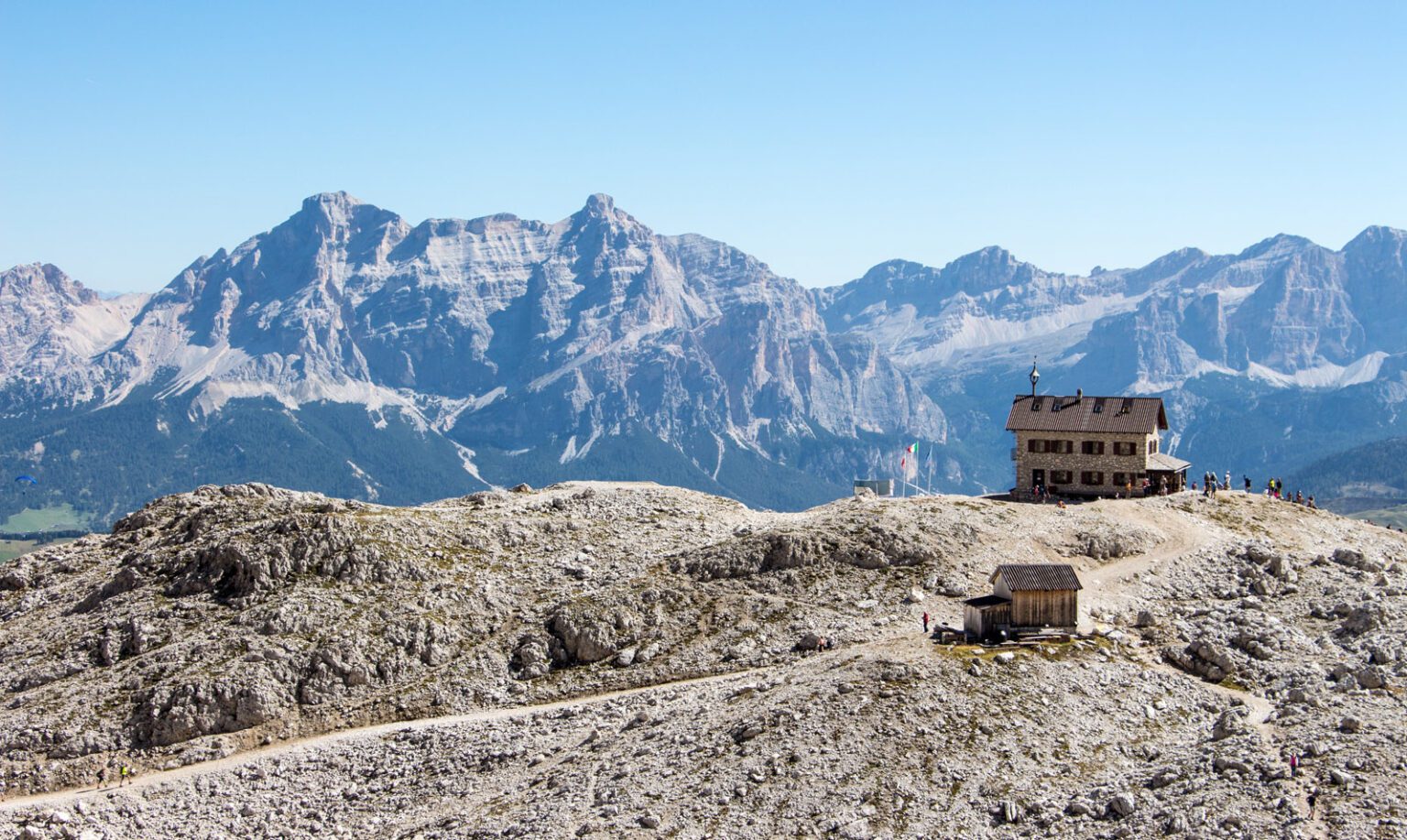
An awesome circumnavigation of the Val di Fassa - 6 magnificent massifs in 6 days.
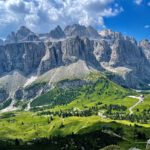
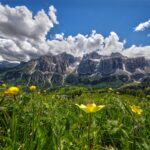
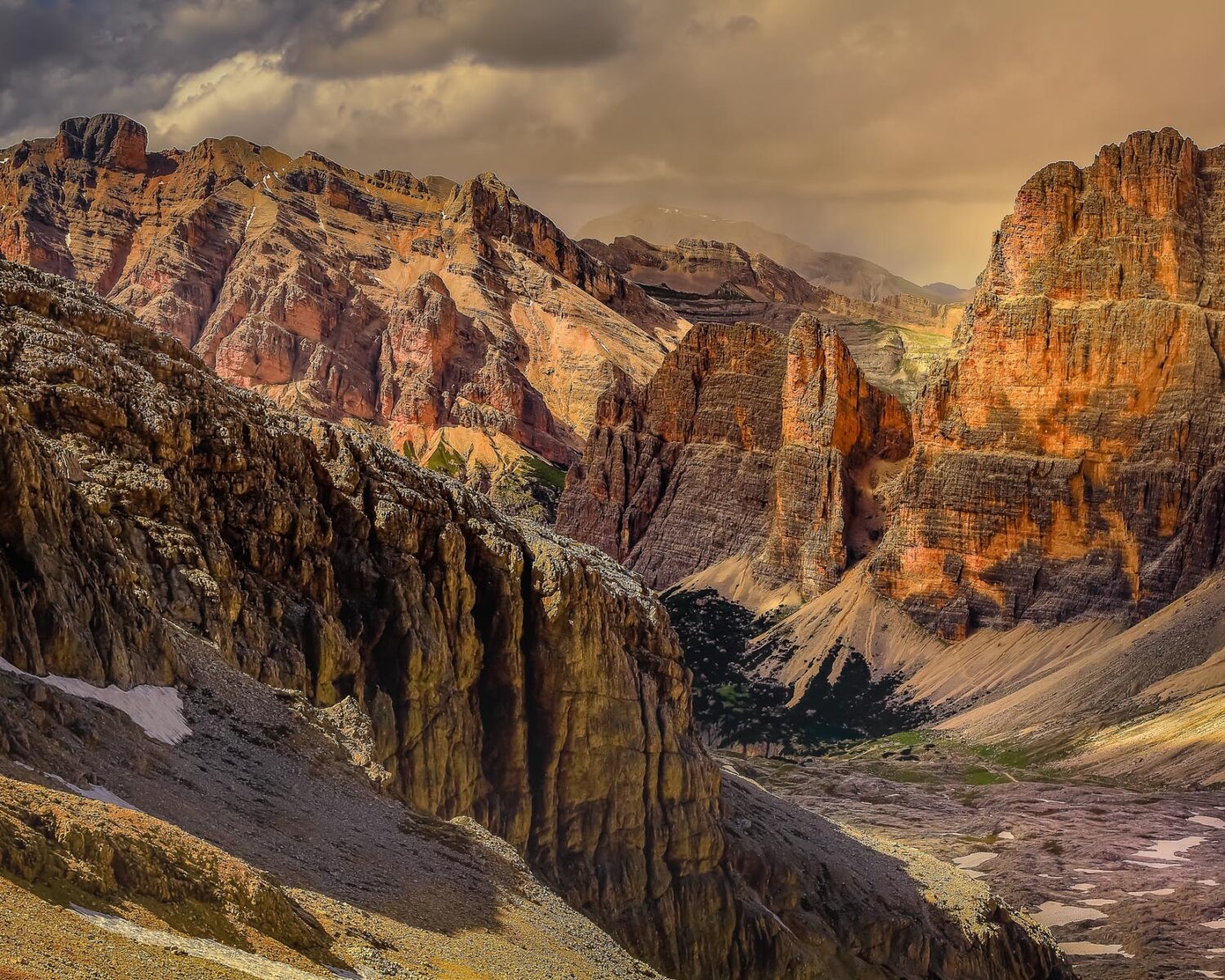
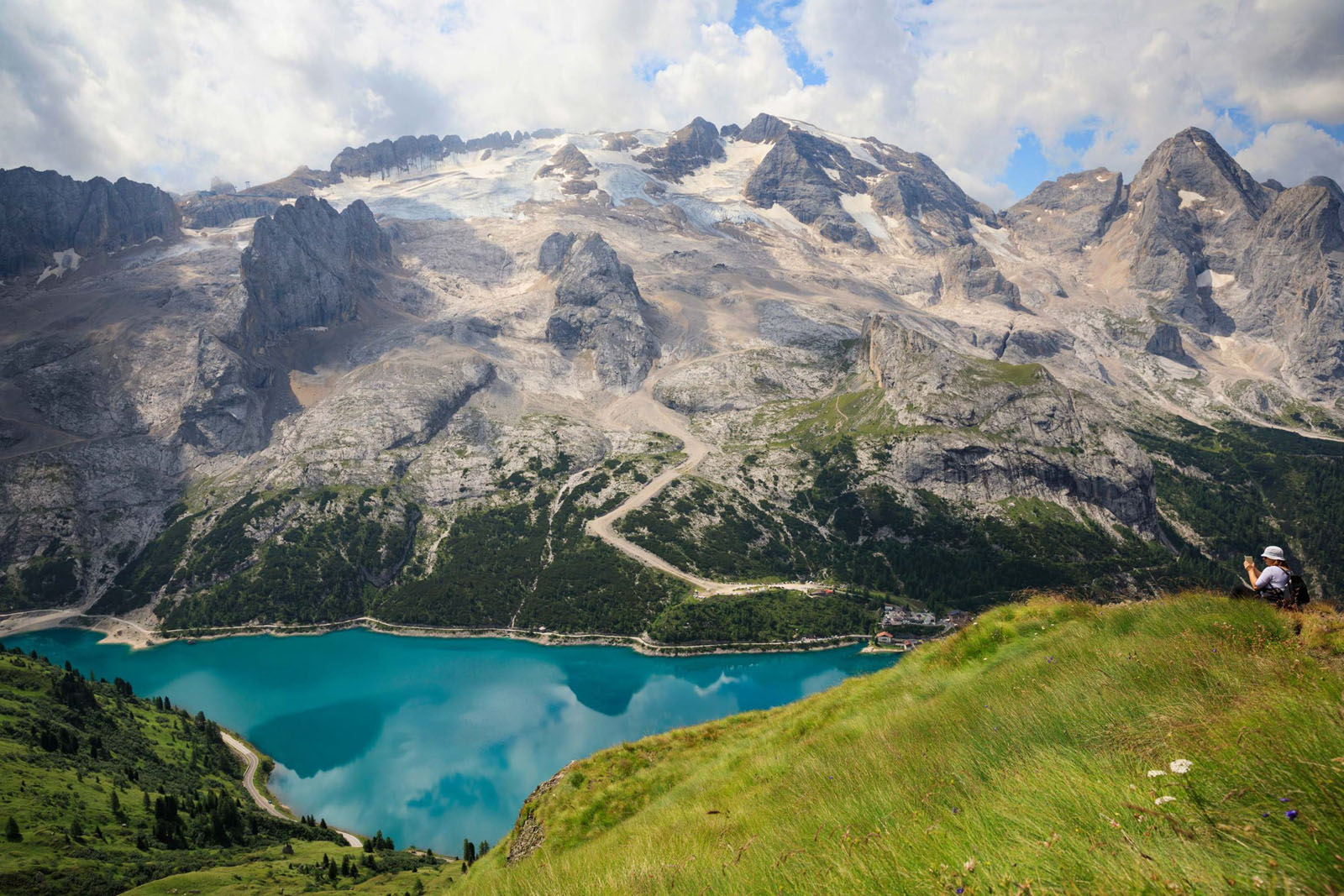
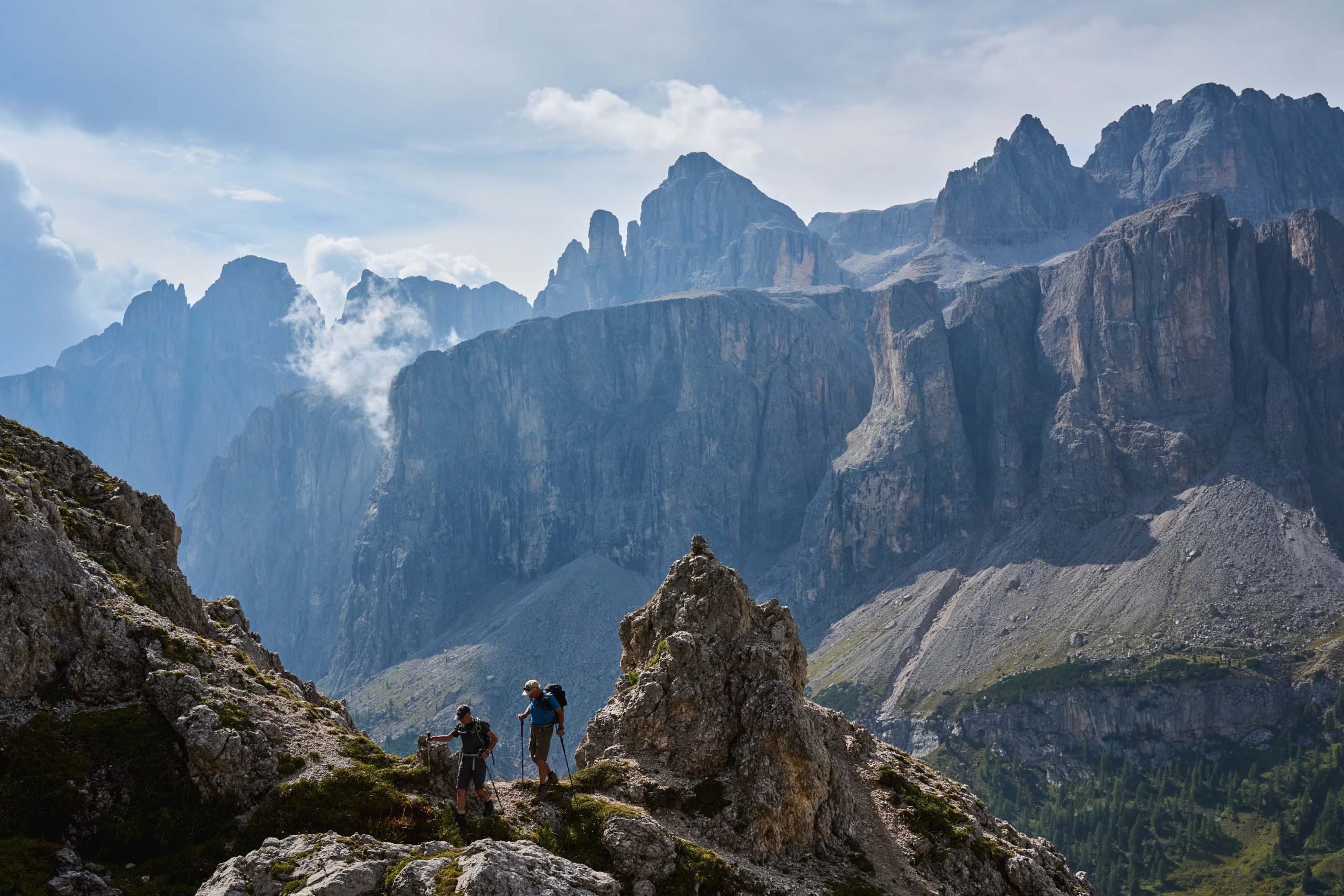
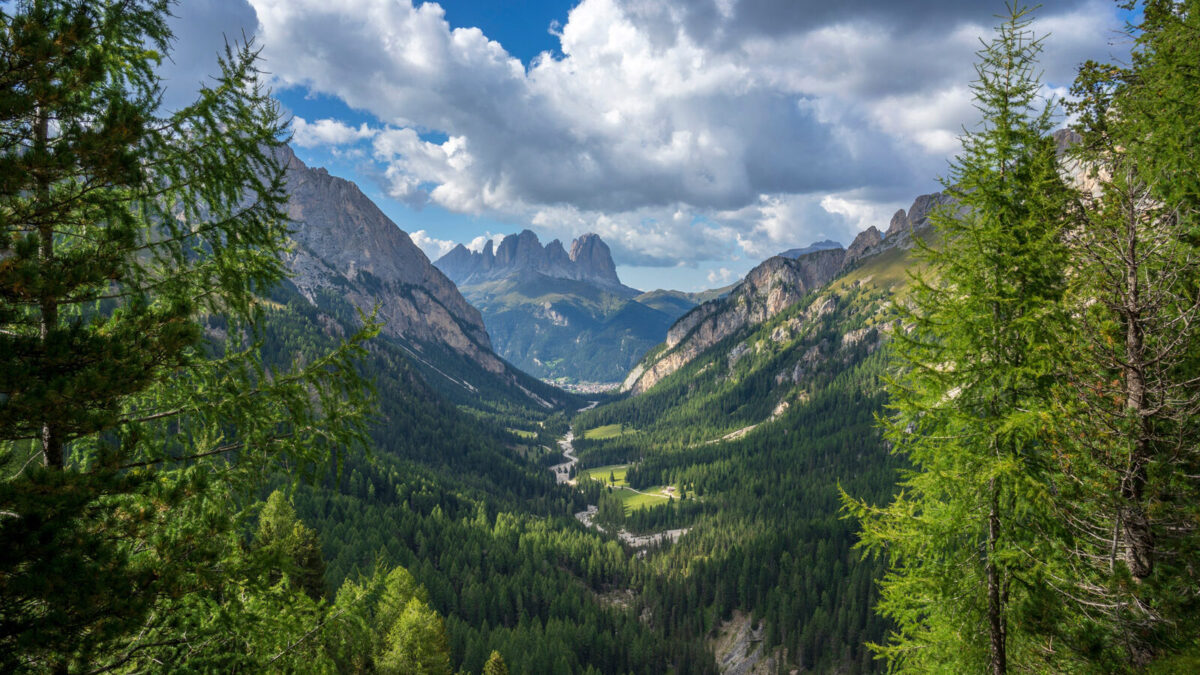
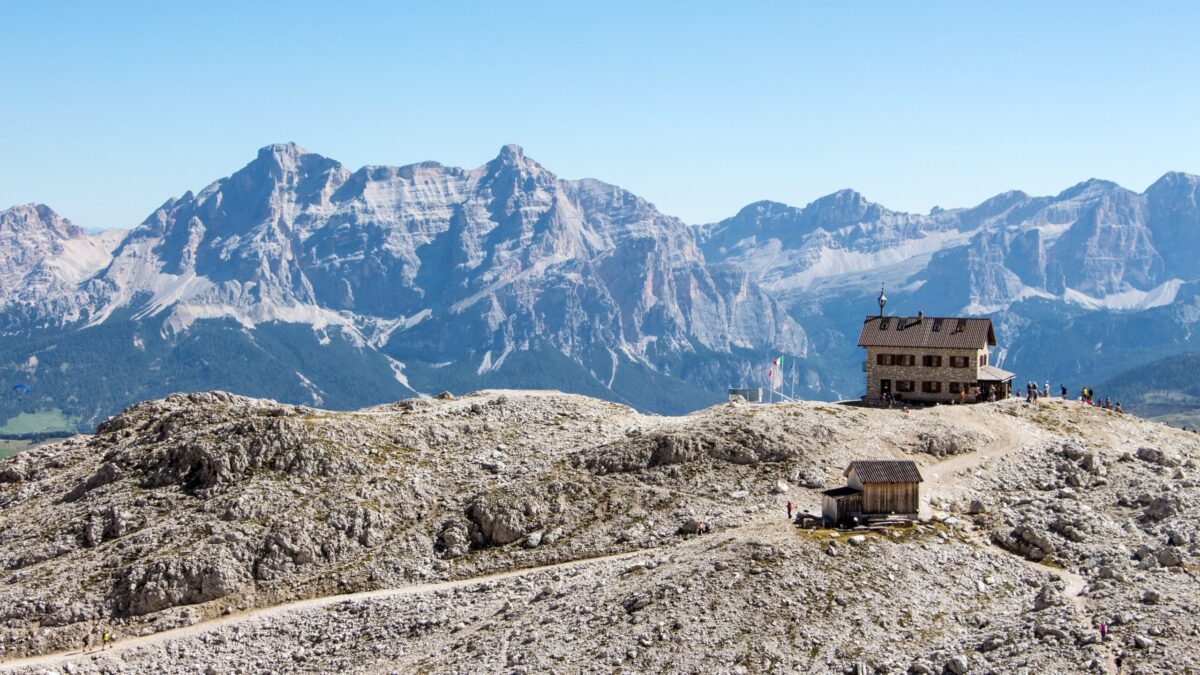
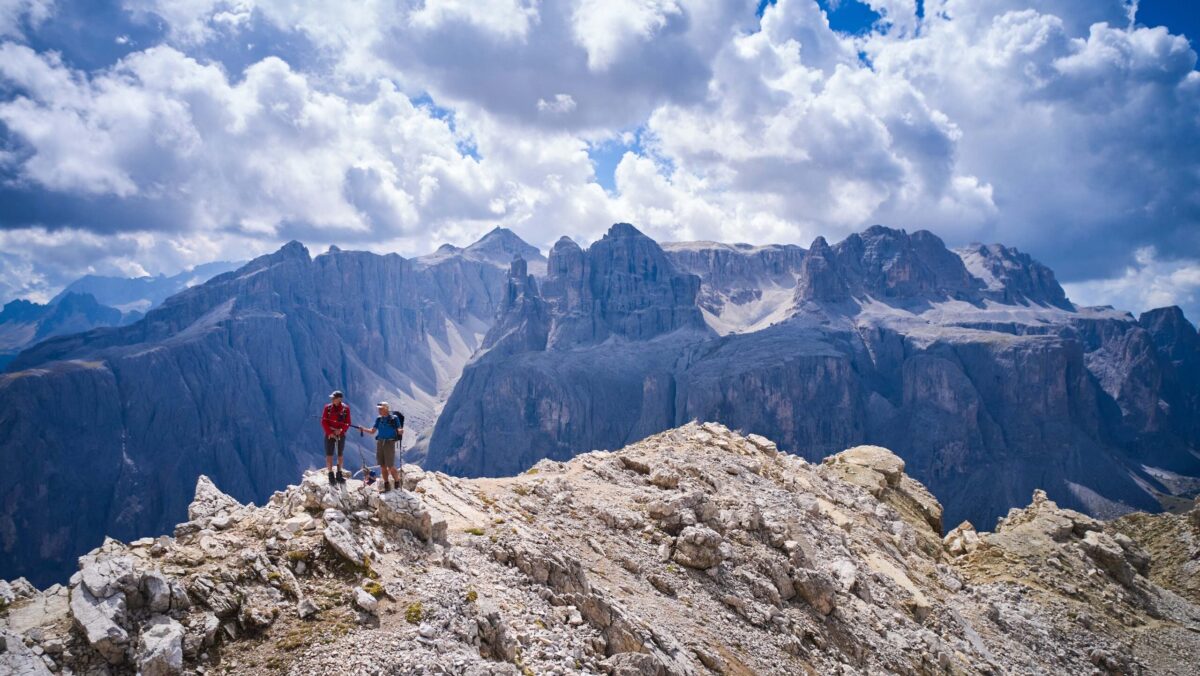
This wondrous week-long trek covers the Monzoni, Marmolada, Sella, Sassolungo, Antermoia, and Rosengarten, mostly at altitudes between 2000m and 2600m, but exceeding 3000m on the Sella massif’s lunar landscapes. Enjoy diverse terrain, from high flower pastures and woodlands, to thrilling rocky tracks. Traverse panorama-rich mountain ridges, marvel at the ‘Queen of the Dolomites,’ the Marmolada (3313m), and take in the beauty of the lost world of Antermoia.
As for your accommodation, you will wake up and still think you are dreaming, as the Val di Fassa region boasts some of our favourite mountain lodges in the entire range, each one located somewhere exceptionally beautiful, and providing fabulous food.
Browse this page for all you need to know about our Val di Fassa hut-to-hut walking holiday. Then click the ‘Enquire’ or ‘Book Now’ buttons, submit some information, and let our skilled enquiry team give you a pleasurable and reassuring booking experience.
At a Glance
Dates
19 June – 13 September 2027
(You can start any day)
Price
£1425
This holiday requires a minimum of two people.
Contact us for single supplements where required
Grade
Challenging
Expect to walk for 5 – 7 hours each day with between 790m – 1250m of ascent and 680 – 1290m of descent.
This route can feel quite demanding due to multiple longer days, higher elevations, and rougher alpine terrain.
What’s Included
All Hut Bookings at half-board (breakfast and dinner included).
3* Hotel (B&B) on your first and last nights.
Holiday Pack with comprehensive route notes, maps & more.
Digital Map Access for the duration of your trip.
Excess Luggage Storage
Optional Extras
Private Rooms – These can be reserved in advance in some of the mountain huts, if available, at a supplement of £20pp/night. Booking early is recommended.
4-Star hotel – for your first and last nights – contact us for details.
Travel
This holiday starts and ends in the Val di Fassa. We recommend flying into and out of either Verona, Venice Marco Polo or Treviso airports. You can then travel by public transport as follows :
From Verona Airport:
- Bus from Verona Airport to Verona train station (15 mins)
- Train from Verona to Bolzano (2 hrs).
Tickets and timetables available at TrenItalia - Bus from Bolzano to the Val di Fassa(1¼ hrs)
From Venice Marco Polo or Treviso Airports :
- Shuttle bus to Mestre (20/35 mins)
- Train from Mestre to Bolzano (3-4 hrs).
Tickets and timetables available at TrenItalia - Bus from Bolzano to the Val di Fassa (1¼ hrs)
Alternatively, private transfers are available between Verona Airport or Venice Marco Polo Airport and the Val di Fassa and cost £180 pp (each way, based on 2 people sharing).
Fly-driving is also a good option. If you plan to hire a car, click here for a competitive quote.
Itinerary & Accommodation
Day 1
Arrive in the Val di Fassa

Travel overview
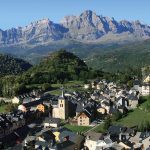
Travel to the Val di Fassa, making your way by public transport, hire car or optional private transfer. This broad alpine valley sits at the heart of the Dolomites, framed by some of the region’s most celebrated mountain groups. Settle into your hotel and enjoy your first evening surrounded by dramatic limestone peaks — a fitting prelude to the high-level walking that lies ahead.
3* Hotel, Val di Fassa (B&B)
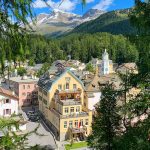
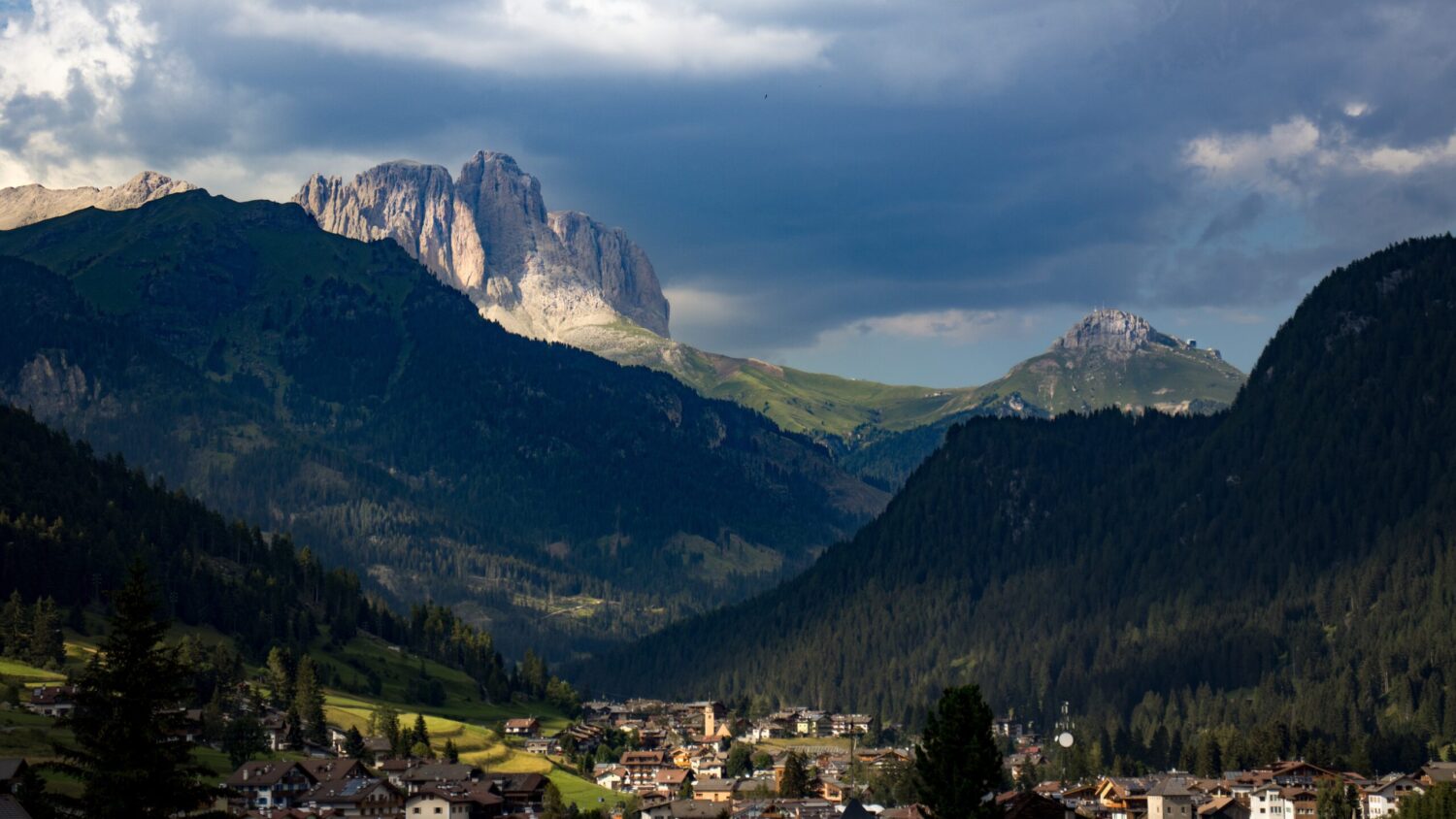
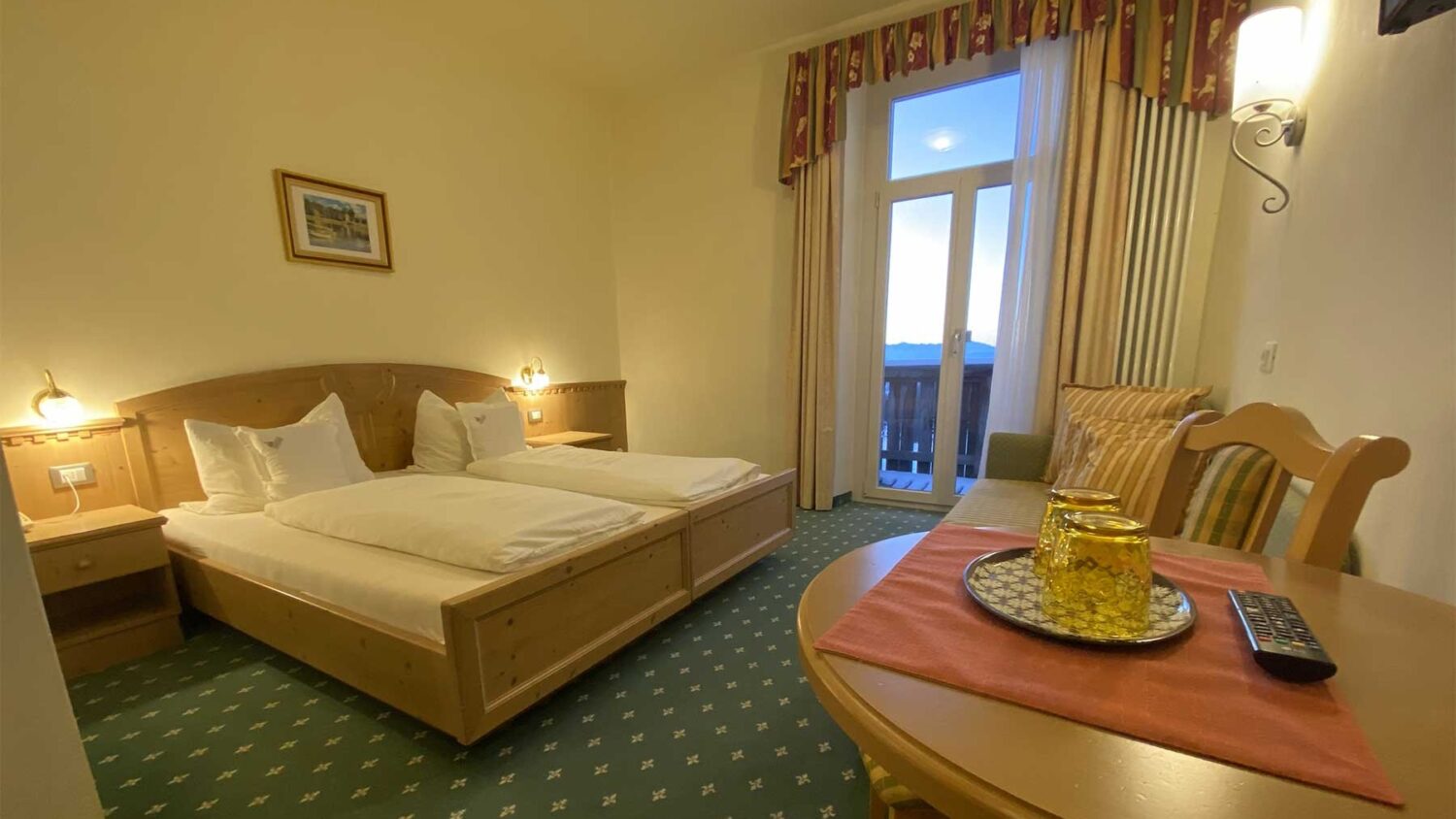
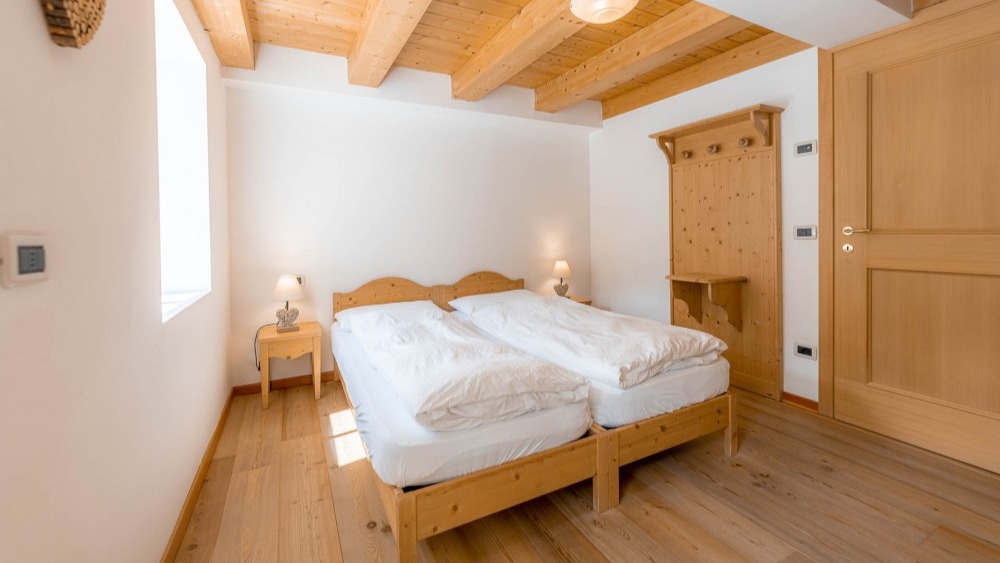
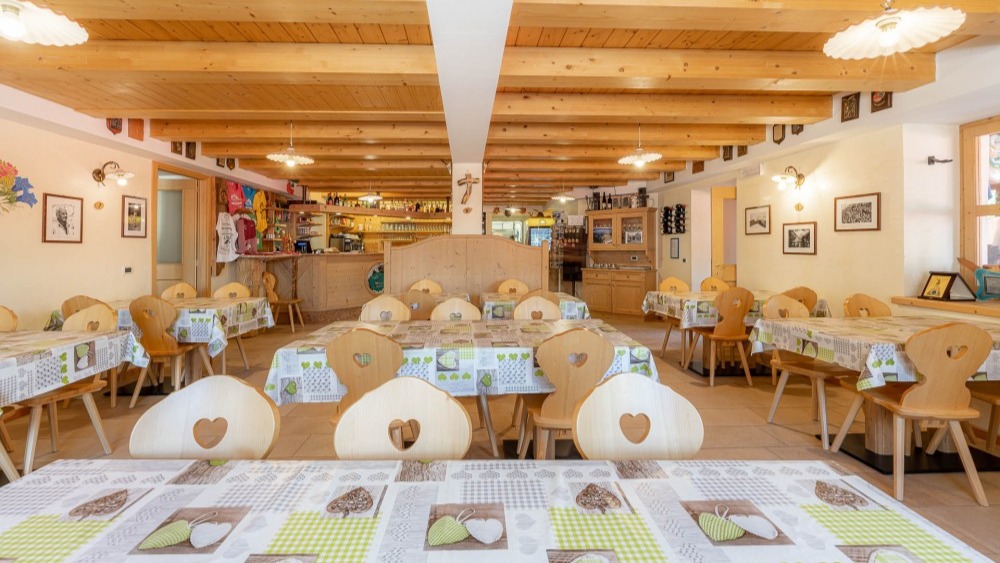
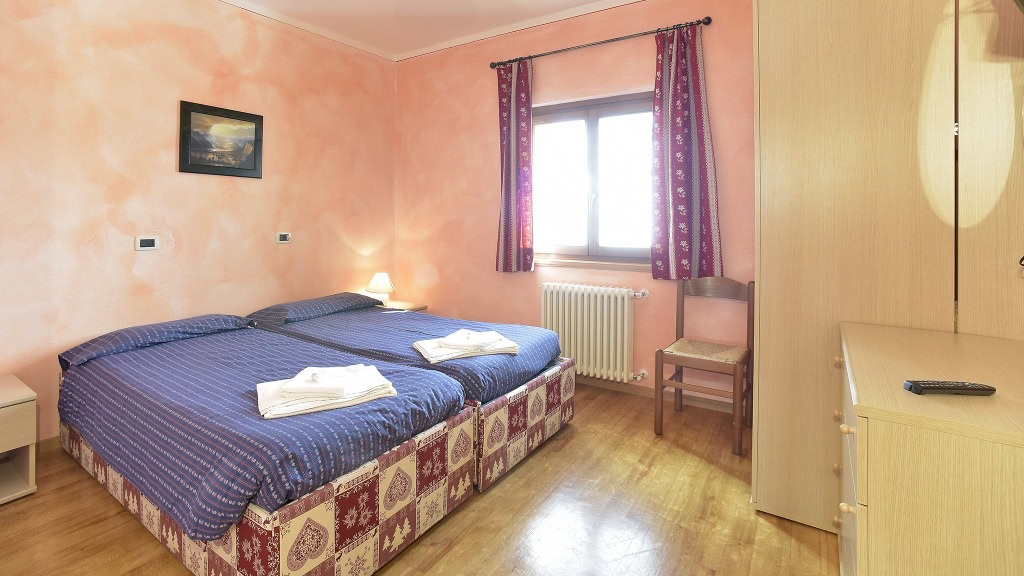
Your first evening is spent in a comfortable 3* hotel in the heart of the Val di Fassa. Surrounded by dramatic Dolomite massifs, including the Sella and Sassolungo, the valley blends Ladin heritage with warm alpine hospitality. Hotels are generally family-run, offering inviting rooms and a relaxed mountain atmosphere. With a good choice of restaurants in the valley villages, dinner is taken independently this evening. A varied breakfast buffet the following morning provides an excellent start before heading into the high mountains.
Day 2
The Monzoni Group
10km, Walking Time – 5hrs, Ascent 790m, Descent 680m

Walk overview
A morning transfer brings you to Passo San Pellegrino, where your trek begins. The trail skirts the southern slopes of the wildlife-rich Monzoni range, a quiet corner where ibex are often more numerous than hikers. Gradually descending into the tranquil Val Contrin, superb views open toward the Sassolungo Group, which will dominate later in the week. This is a varied and scenic introduction to the wilder side of the Fassa Dolomites.
Rifugio Contrin (half-board)
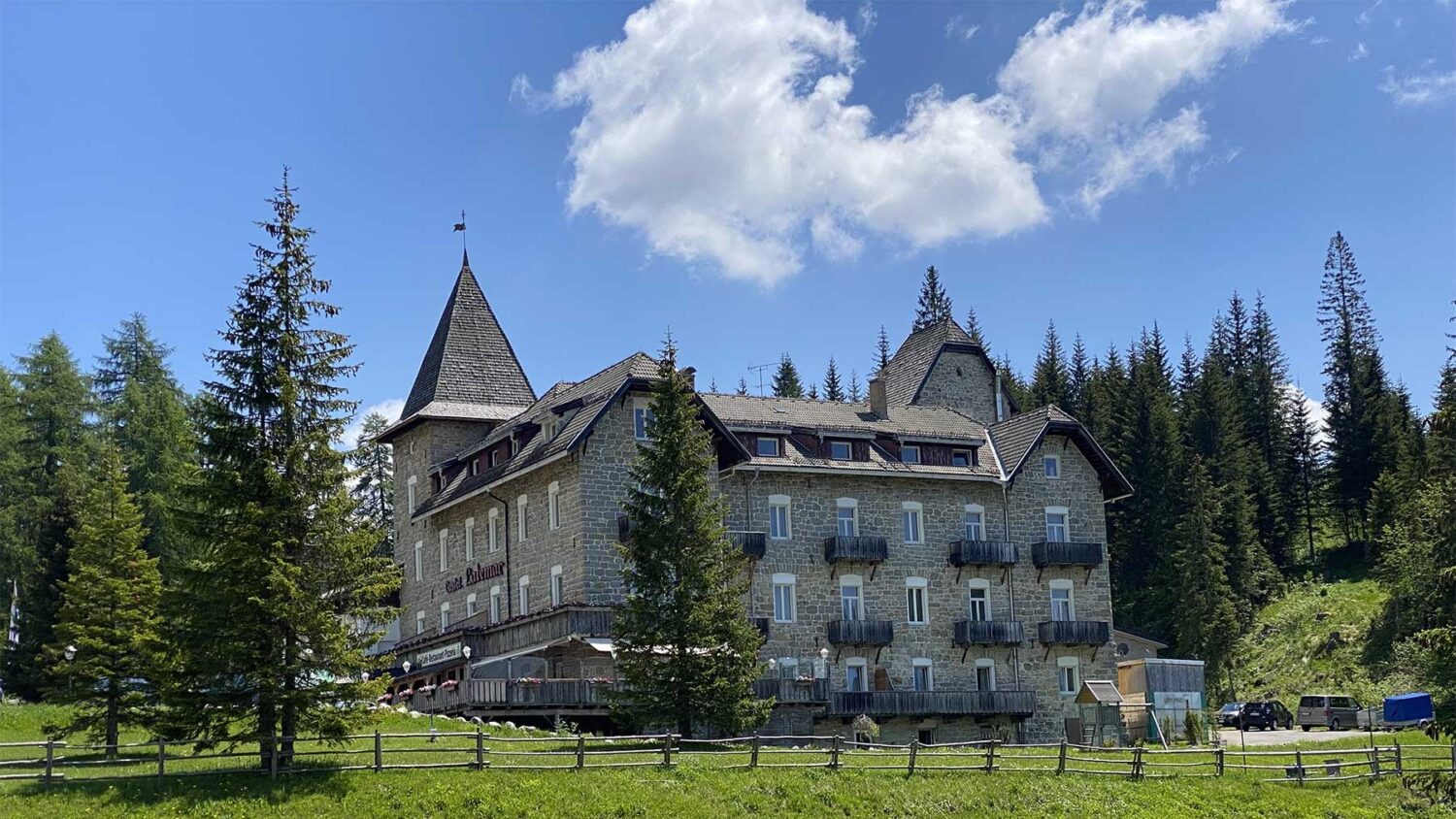
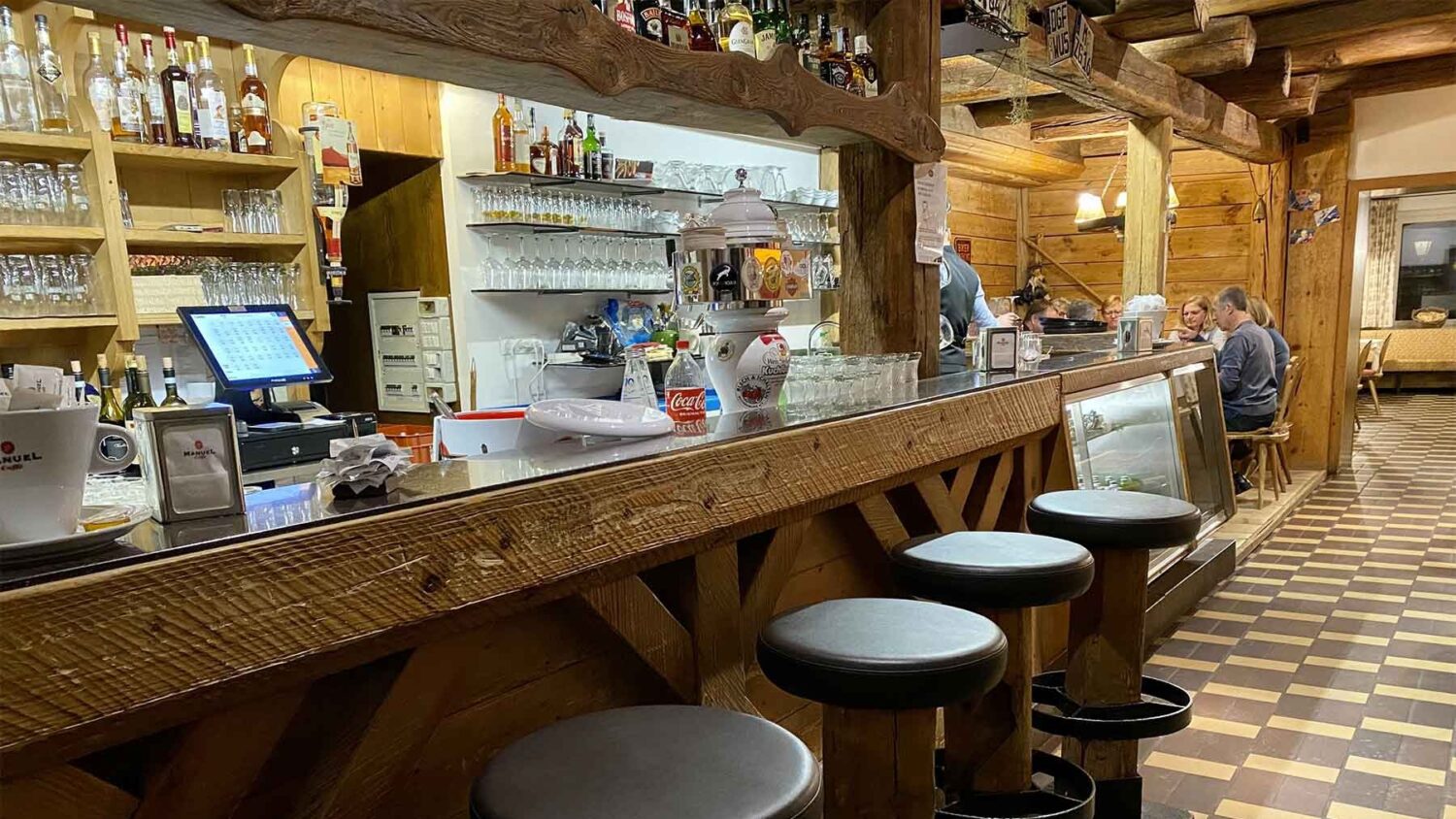
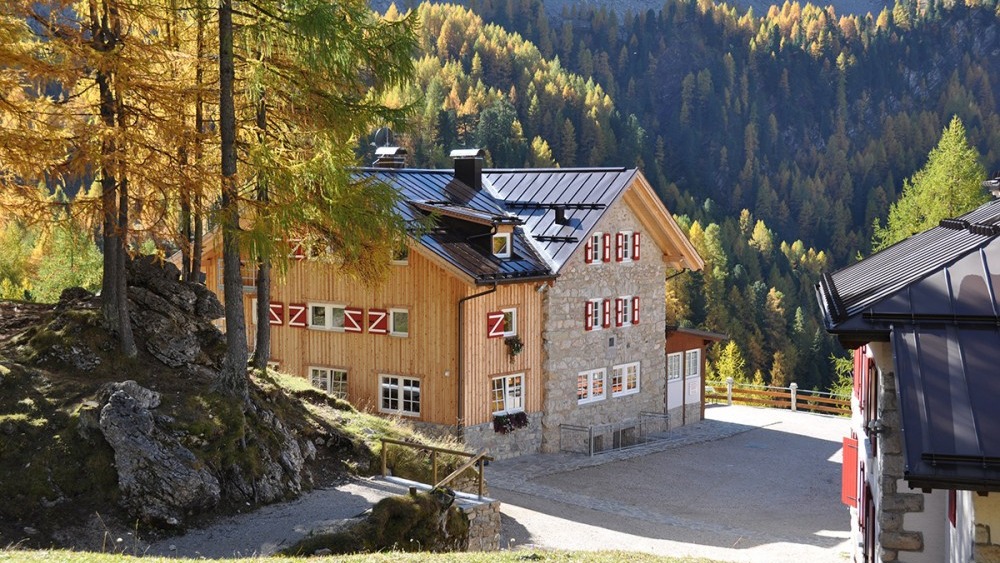
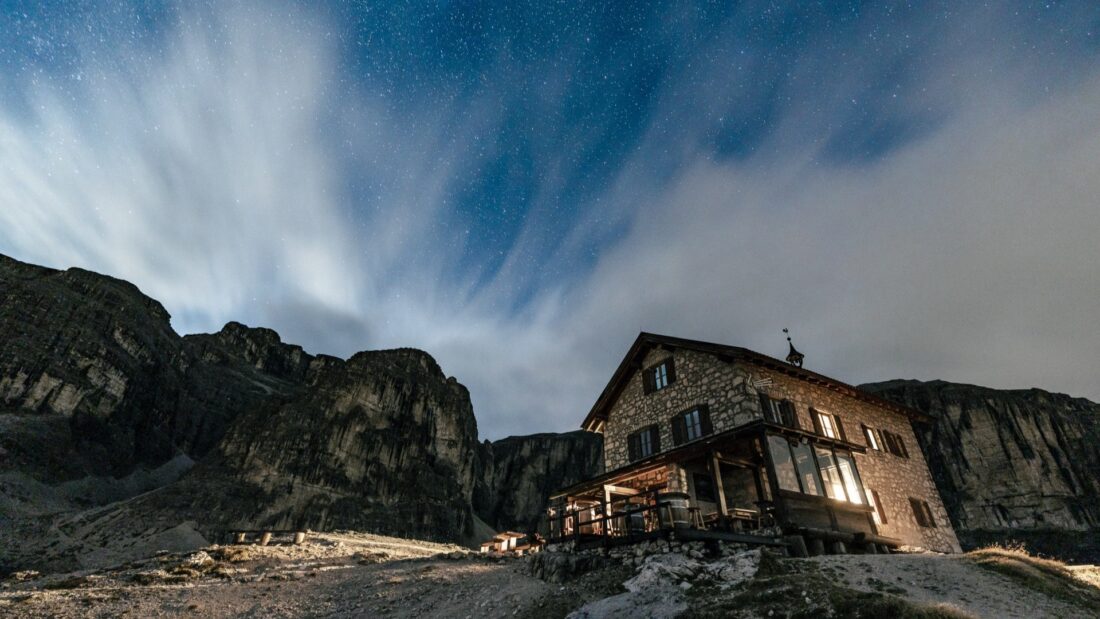
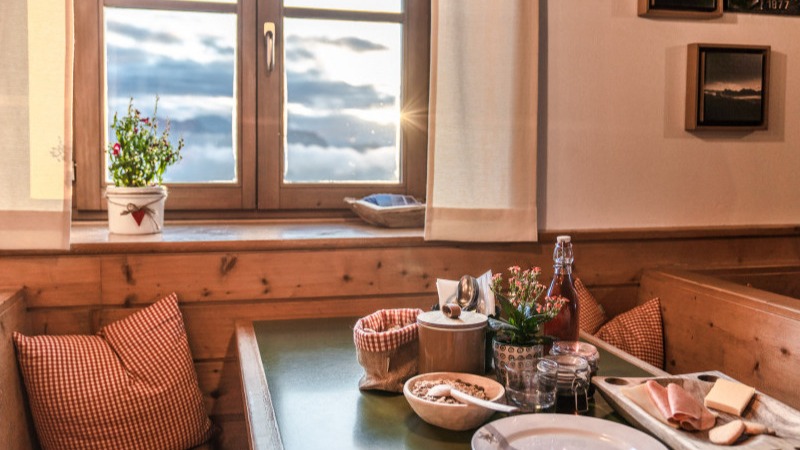
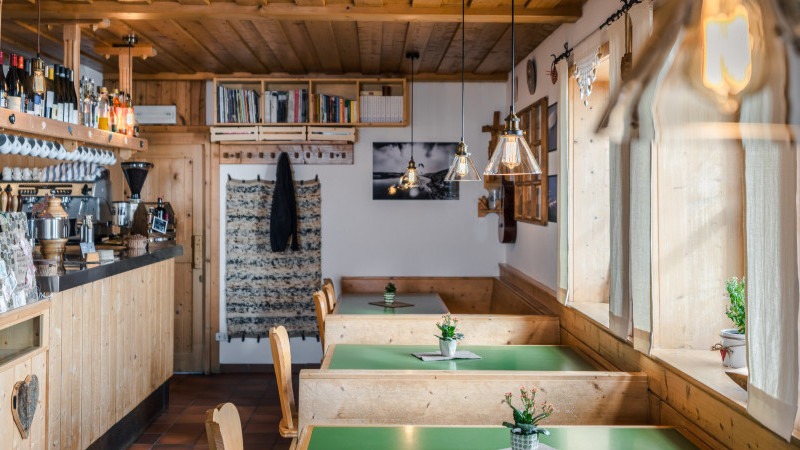
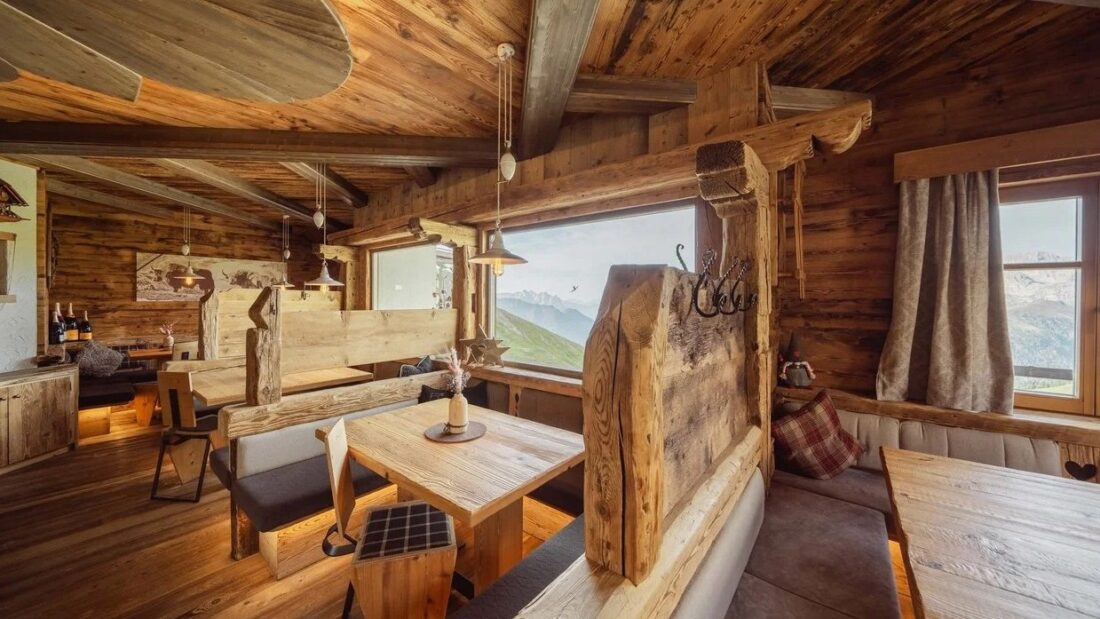
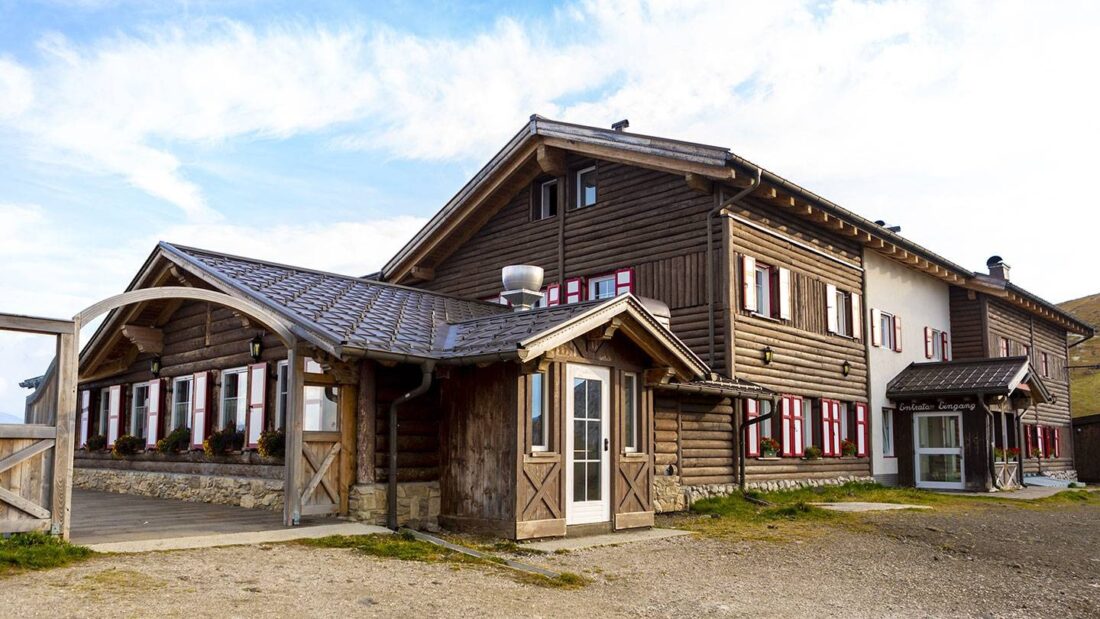
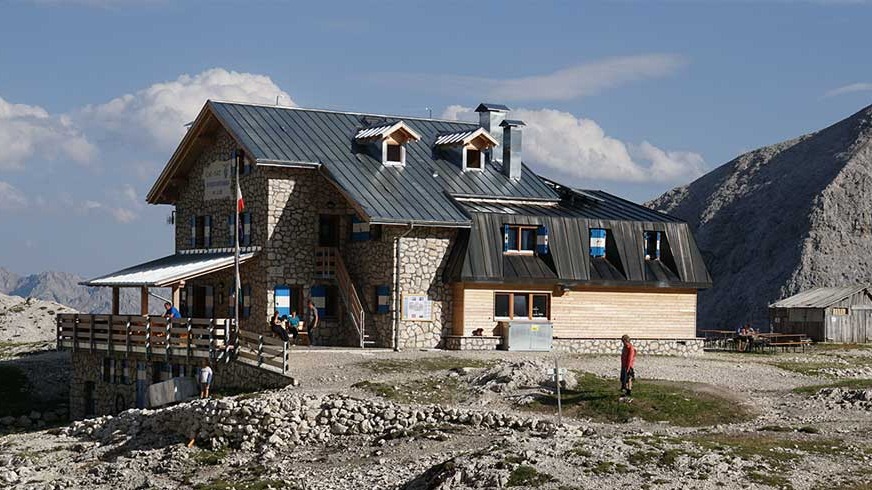
Set deep within the peaceful Val Contrin beneath the towering Marmolada, Rifugio Contrin enjoys a wonderfully secluded setting framed by forest and rock walls. Its position feels truly away from the modern world, surrounded by wildlife-rich slopes and open pasture. The accommodation is traditional and welcoming, with a strong sense of alpine authenticity. Dinner features hearty Trentino mountain fare served in a cosy dining room, while breakfast is generous and practical — ideal preparation for the passes ahead.

Day 3
At the Foot of the Marmolada
18km, Walking Time – 7hrs, Ascent 1190m, Descent 1180m
Walk overview
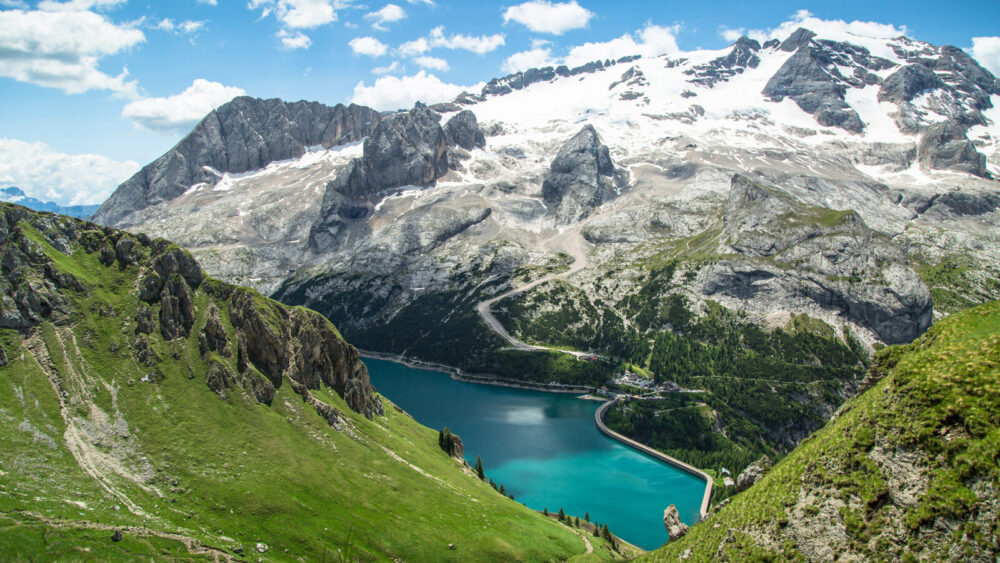
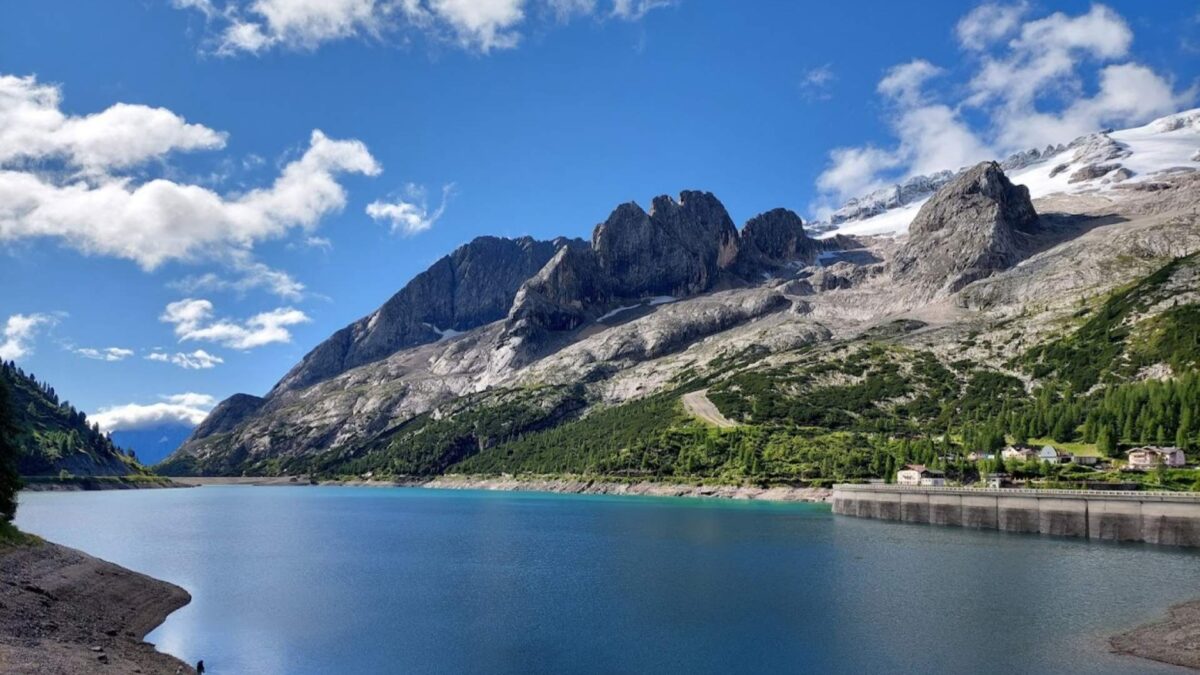
Today’s route crosses a series of saddles before reaching Lake Fedaia, set beneath Marmolada, the Queen of the Dolomites and the range’s only glacier-clad summit. Skirting the mountain’s steeper terrain, you descend into the flower-rich basin of Ciampac, framed by the cathedral-like walls of the Sella. The day concludes with a long, scenic ascent to Fedaia Pass, following an ancient route once used by pilgrims and traders moving between valleys.
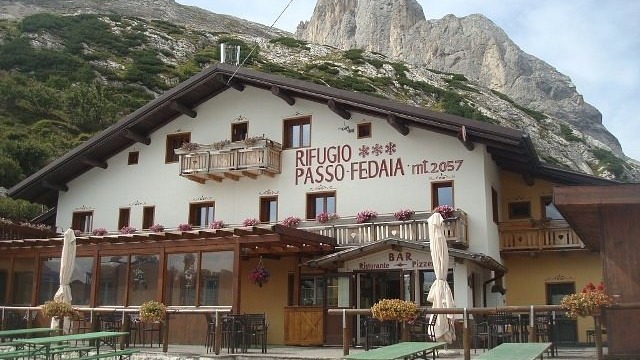
Rifugio Fedaia or Dolomia (half-board)
On the third night, you will stay at either Rifugio Fedaia or Rifugio Dolomia, depending on availability. Both offer an authentic mountain refuge experience, comfortable accommodation and warm alpine hospitality in spectacular Dolomite surroundings. Evening meals typically showcase regional dishes and hearty mountain favourites, followed by a wholesome breakfast to prepare you for another rewarding day on the trails.


Day 4
The Sella Group
12km, Walking Time – 6hrs, Ascent 1250m, Descent 740m
Walk overview
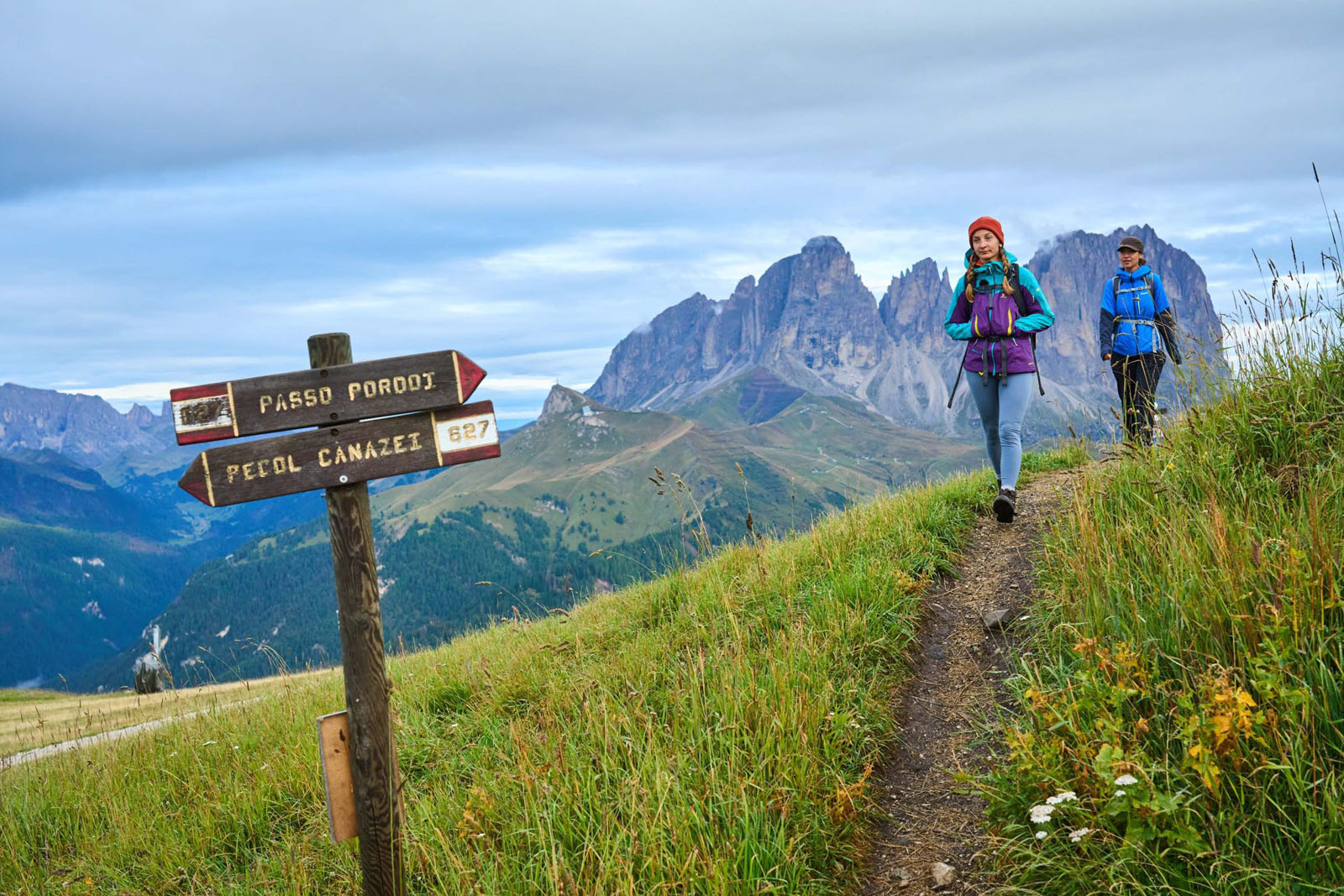
Today you follow the celebrated Viel del Pan, an old merchant and smuggler’s path tracing a panoramic balcony above Lake Fedaia. Opposite, Marmolada’s pale glacier gleams in the light, while ahead rises the colossal Sella Group, shaped like a vast coral atoll lifted from an ancient sea. Crossing near Passo Pordoi, you gain striking views of its sheer cliffs and immense summit plateau — one of the most extraordinary geological landscapes in the Dolomites.
Rifugio Kostner (half-board)
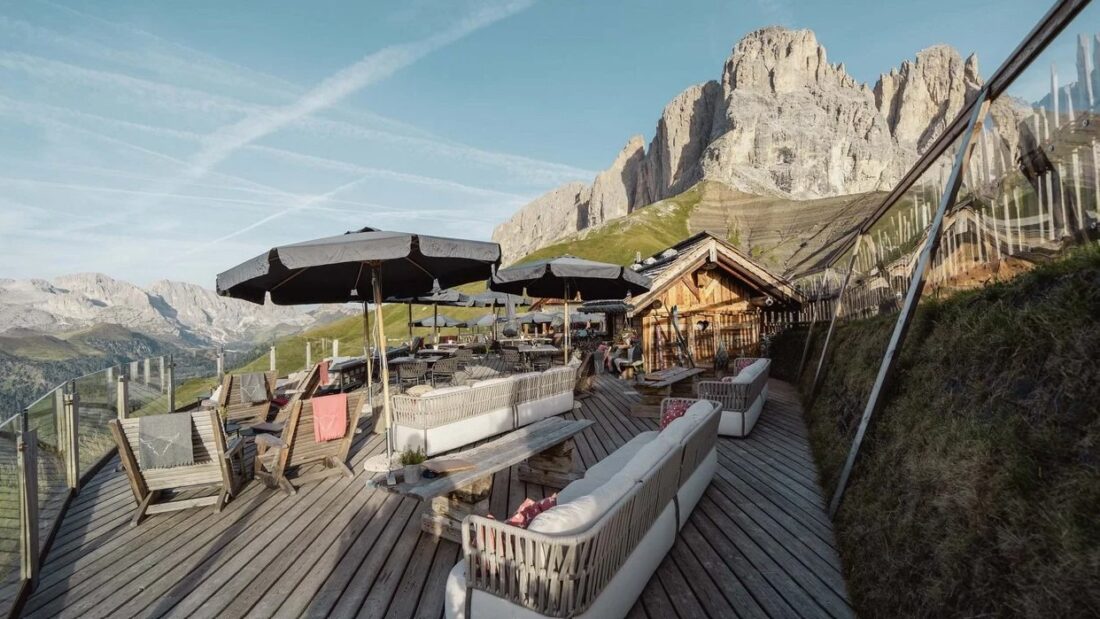
Perched high on the slopes of the Sella Group, Rifugio Kostner enjoys a privileged balcony position overlooking Val di Fassa. Its elevated terrace is renowned for sunrise views across a sea of peaks. The hut combines modern comfort with traditional mountain character, offering well-kept rooms in an exceptional setting. Dinner is a highlight here, often blending Ladin and South Tyrolean influences, while breakfast provides ample energy ahead of any summit ambitions.


Day 5
Piz Boe Summit
12km, Walking Time – 7 hours, Ascent 900m, Descent 1220m

Walk overview
In clear conditions, today offers the ascent of Piz Boè, the highest point of the Sella. An early start rewards you with sunrise light over neighbouring 3,000m peaks before you traverse the plateau’s stark, lunar-like terrain. From the summit, the panorama is vast and unforgettable. The descent threads through a dramatic narrow gorge before easing toward the foot of the Sassolungo, whose sculpted towers provide a magnificent backdrop to the close of an exhilarating day.
Rifugio Friedrich August / Des Alpes / Valentini (half-board)
Tonight’s stay will be at one of three welcoming huts near the Sassolungo group — Rifugio Friedrich August, Rifugio Des Alpes or Rifugio Valentini, depending on availability. All enjoy superb positions close to the Sella Pass with far-reaching views across high alpine meadows. Accommodation is comfortable and characterful, reflecting their long mountain heritage. Half-board dinners are generous and flavourful, celebrating regional specialities, with a fresh and satisfying breakfast served before the remote Antermoia crossing.
Day 6
Lost World of Antermoia
16km, Walking Time – 7 hours, Ascent 930m, Descent 1290m
Walk overview
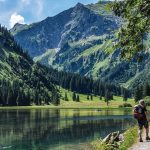
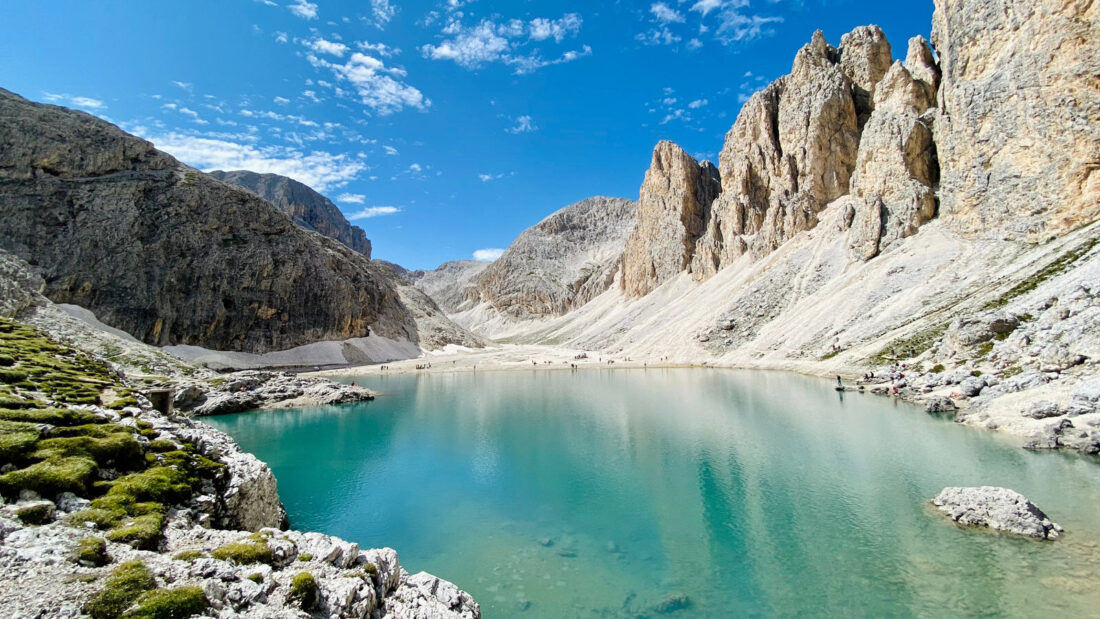
The remote Antermoia Group offers a striking contrast — wilder, quieter and largely untouched by infrastructure. Trails weave between pale rock walls and narrow gorges before climbing through a glacier-polished corridor to Lake Antermoia (2,495m). Surrounded by towering cliffs and often perfectly still, the lake creates one of the most atmospheric moments of the week — a true high-alpine sanctuary.
Rifugio Antermoia (half board)
Hidden deep within the wild Antermoia Group, Rifugio Antermoia sits close to its namesake lake at nearly 2,500m. Encircled by pale rock walls and high passes, it offers one of the most remote overnight settings of the week. The atmosphere is intimate and atmospheric, with simple yet comfortable accommodation befitting its lofty position. Dinner is hearty and well-earned after a demanding stage, while breakfast is straightforward and nourishing before your final traverse toward the Rosengarten.


Day 7
The Vajolet Towers
13km, Walking Time – 6 hours, Ascent 830m Descent 1340m
Walk overview
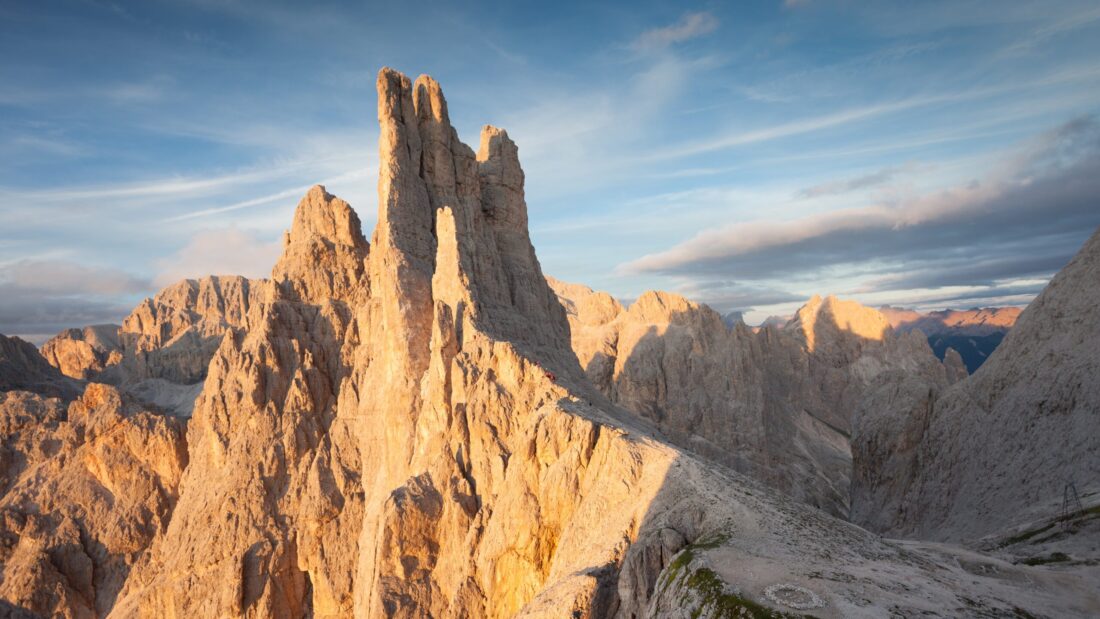
Leaving Antermoia’s solitude behind, you enter the dramatic Rosengarten, an ancient coral reef rich in geological history. The route passes beneath the iconic Torri del Vajolet, their slender pinnacles rising like a fairytale fortress. A final panoramic ridge — often called the Shepherd’s Trail — reveals sweeping views across scree slopes and jagged summits before you descend to your hotel in the Val di Fassa, completing a remarkable circuit.
3* Hotel, Val di Fassa (B&B basis)
You return to a comfortable 3 star hotel in the Val di Fassa, similar in style to your first night. After several evenings in mountain huts, the familiarity of a valley hotel provides a relaxing conclusion to your journey. Enjoy dinner at leisure in one of the local restaurants before a restful overnight stay and breakfast the following morning.
Day 8
Depart
Travel overview
Make your way back to Verona Airport, Venice Marco Polo Airport or Treviso by public transport, hire car or optional private transfer (approximately 2½–3 hours). Depending on your flight time (or other onward travel arrangements), an early start might be necessary.
Testimonials
Fantastic trek through the Fassa Dolomites
Great organisation from Collett’s, accommodation was very good with hearty food and a great atmosphere. The scenery was amazing and every day it just seemed to get better. The description of the trek was spot on and also the timings and difficulty.
It was our 4th ...
Great organisation from Collett’s, accommodation was very good with hearty food and a great atmosphere. The scenery was amazing and every day it just seemed to get better. The description of the trek was spot on and also the timings and difficulty.
It was our 4th trip with Collett’s and definitely not our last 🙂
 See Trustpilot Review
 We found the route varied and interesting
We found the routes varied, interesting, with amazing scenery and challenging but, not too difficult for experienced hikers like ourselves.
We found the routes varied, interesting, with amazing scenery and challenging but, not too difficult for experienced hikers like ourselves.
Excellent, and just right for myself and 18 year old daughter.
Excellent, and just right for myself and 18 year old daughter. The route was sufficiently challenging and varied that we felt most satisfied and felt we had earnt a nice beer (or similar drink) at the refuge at the end of the day. Very rewarding.
Excellent, and just right for myself and 18 year old daughter. The route was sufficiently challenging and varied that we felt most satisfied and felt we had earnt a nice beer (or similar drink) at the refuge at the end of the day. Very rewarding.
Frequently Asked Questions
The Fassa Dolomites encompass the dramatic mountains surrounding the Val di Fassa in Trentino, one of the most scenic valleys in the Dolomites. Encircled by famous peaks such as the Sella, Sassolungo, Catinaccio, and Marmolada, the area offers a superb network of trails linking panoramic passes, alpine meadows, and welcoming rifugios. Walkers can enjoy a rich blend of natural beauty and Ladin culture, with routes that range from moderate valley walks to more challenging high-level hikes. It’s an inspiring setting for a hut-to-hut walking holiday, combining striking Dolomite landscapes with authentic mountain charm.
The Fassa Dolomites are located in Trentino, northern Italy, within the heart of the Dolomites. They surround the Val di Fassa, a picturesque alpine valley that stretches from Canazei in the north to Moena in the south. This area sits between several iconic mountain groups, including the Sella Massif, Sassolungo (Langkofel), Catinaccio (Rosengarten), and the Marmolada, offering walkers immediate access to some of the Dolomites’ most dramatic landscapes. The valley is well connected with mountain huts, lifts, and marked trails, making it an excellent base for hut-to-hut walking holidays and for exploring both moderate and more challenging alpine routes.
The Fassa Dolomites are an excellent choice for a hut-to-hut walking holiday, offering walkers the chance to explore some of the Dolomites’ most iconic peaks. Trails wind through the Monzoni, Marmolada, Sella, Sassolungo, Antermoia, and Rosengarten groups, providing a spectacular mix of alpine meadows, dramatic ridges, and panoramic high passes. With a well-developed network of rifugios, hikers can comfortably move from one hut to the next while taking in breathtaking scenery at every stage. The area offers routes suitable for a range of abilities, combining moderate valley walks with more challenging high-level paths, and along the way, walkers can enjoy the region’s rich Ladin culture, hearty local cuisine, and welcoming alpine hospitality.
Not always. Generally only bed linen is, so pack a compact towel for your showers.
Sockets will be available, but not always near to your bed – especially if in dorms. It’s always a good idea to take a battery pack, and recharge this periodically, rather than leave your phone in communal areas. You’ll need to pack your plug adaptor, too.
On a typical hut-to-hut route, the terrain can vary considerably, though most of the trek is on challenging trails. Exposed sections do occur, but these are usually widened or secured with chains or metal cords, allowing hikers to pass safely without specialist equipment. The holiday follows only waymarked and signposted routes, ranging from well-trodden woodland paths to steeper trails on looser, rocky terrain. In higher mountain areas, a good level of experience, surefootedness, and fitness is required, and early in the season you may encounter patches of late-lying snow.
Apart from your first and last nights, accommodation is in mountain lodges, known locally as ‘rifugios’. These typically offer a bed in a shared room or a private room (private rooms must be booked in advance and cost £20 per person per night extra, subject to availability), hot showers, toilets, meals, and water for refilling bottles. Snacks, such as sandwiches and chocolate, are usually available to purchase.
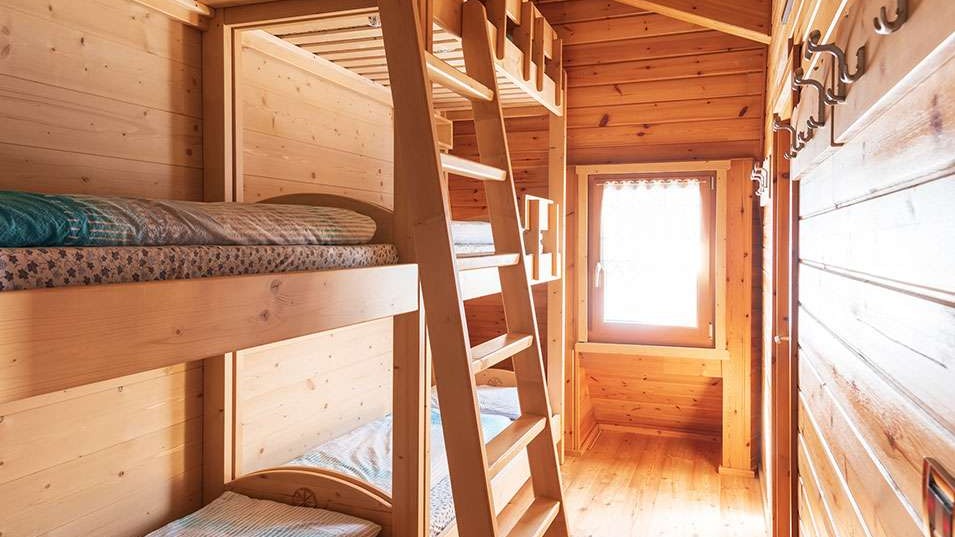
Shared rooms feature bunk beds with mattresses, pillows, and blankets. Bed linen is not provided in shared rooms, so a sleeping bag liner (usually a light cotton liner) is required. A full sleeping bag is generally unnecessary, as blankets are supplied. Guests who have pre-booked private rooms are often provided with bed linen, meaning a liner may not be needed; this will be confirmed when you book. You will also need clean indoor footwear for use in the huts, with light sliders being ideal.
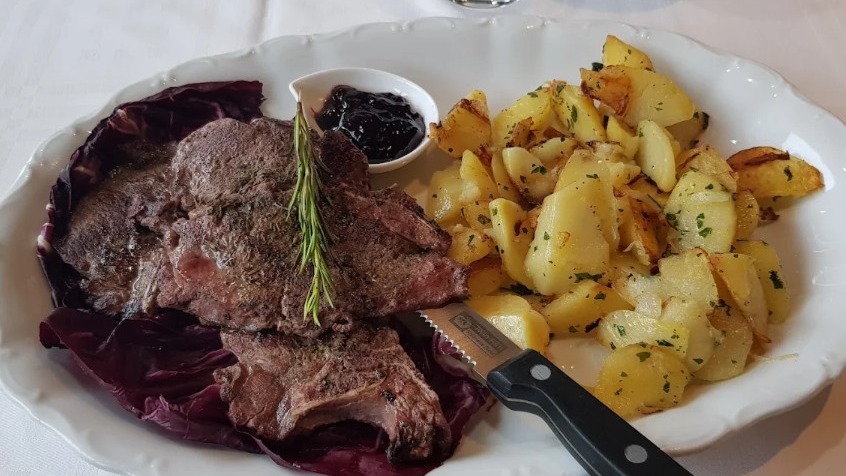
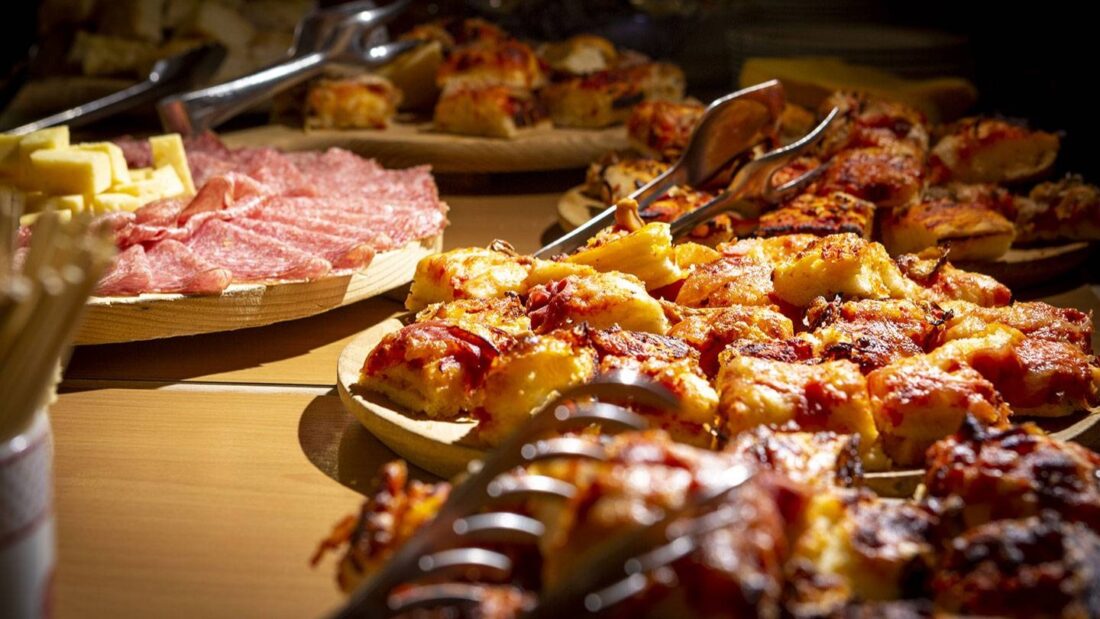
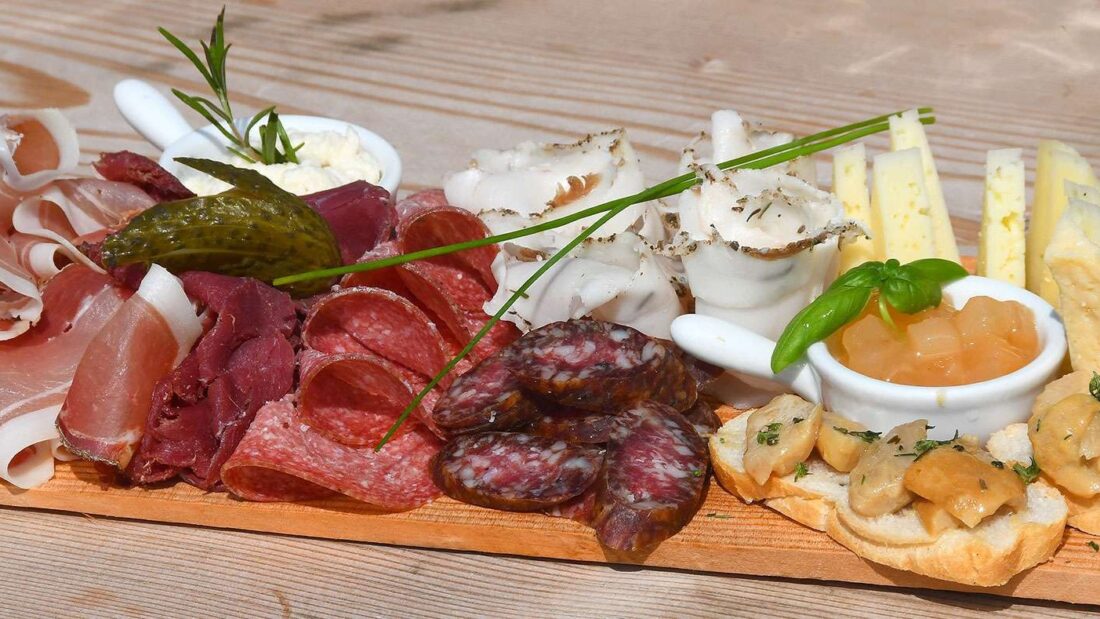
Breakfast & Dinner – Breakfast is usually served between 7:00 and 9:00am and typically includes unlimited tea and coffee, bread with butter, jam, honey, and chocolate spread. Many mountain huts also offer additional items such as ham, cheese, and muesli. Guests are welcome to fill a flask or thermos with hot water or tea free of charge by asking a member of staff. Dinner is generally served at 7:00 or 7:30pm for all guests and is a hearty, multi-course meal. A typical dinner includes a starter, a first course (such as pasta, risotto, or dumplings), a main course of meat with a side dish, and a dessert. Drinks at dinner—including water, wine, beer, tea, or coffee—are not included and must be ordered and paid for separately.
Lunch – It is often possible to stop for lunch at mountain huts along the route, although this is not guaranteed every day. When a hut is not available for lunch, we recommend bringing or purchasing light snacks such as sandwiches, yoghurt, chocolate, or water from the hut where you stayed the previous night. Hot lunch options in the huts are usually similar to dinner dishes, with a typical meal, such as pasta or risotto, costing €10–14. Many huts also offer simple takeaway options for hikers who prefer to eat on the trail.
You are responsible for wearing appropriate outdoor clothing and following good practice and mountain safety procedures at all times. When planning each day, be realistic about how long the route will take, taking into account your fitness, experience, and ability. These self-guided hut-to-hut walking holidays are designed so that no specialist skills or equipment are required, unless explicitly stated in the itinerary. Trails are generally well-maintained and clearly waymarked, and any exposed sections on the self-guided routes are secured, making them safe provided basic mountain safety rules are followed.
The Dolomites generally experience their most stable weather from July through mid to late September, with warmer temperatures and lower rainfall, although mid- to late-afternoon thunderstorms can occur on hotter days. In early June, conditions are usually favourable but less predictable, and lingering winter snow may affect higher routes, meaning itineraries may need to be adjusted depending on snow at the passes. Late September can offer excellent weather, but it is typically more variable, with increasing rain, cooler temperatures, and occasional snow above 2,000m.
Most hiking routes in the Dolomites are above 2,000m, where temperatures are rarely hot. On sunny August days, temperatures can exceed 20°C during the warmest hours, providing comfortable hiking conditions, while cooler, overcast days may see temperatures around 10°C. Nights and early mornings are always chilly at altitude. Thunderstorms, sometimes with hail, can occur in July and August. Valleys at 1,000–1,500m can reach 30°C, though mornings and evenings remain fresh, and nights are generally comfortable even during the hottest weeks of summer.
Why book with Collett’s?
-
Unforgettable walks
-
With you every step
-
Handpicked hotels with warm hospitality
-
Mountain holiday specialists since 1997
Need to Knows
Trusted Local Partner – Please note that this holiday has been organised by us in association with a trusted local partner.
Booking Conditions – Please read our full terms and conditions here before booking.
Booking Conditions – Please read our full terms and conditions here before booking.
Travel Insurance – Having adequate and valid travel insurance is a condition of booking with us. Details of our insurance partner, Campbell Irvine, are here, should you wish to get a quote.
ETIAS & EES – The European Travel Information and Authorisation System is not due to be introduced until late-2026. Currently there is not an exact date as to when it will come into force. This means you do not need to have a ETIAS for travel to Europe at the moment. The Entry / Exit System started to be operational in October 2025, and be fully implemented in April 2026. For more information read our blog article here.
ABTA – Independent travel advice and help is always available from ABTA by calling 020 3117 0599 or visiting www.abta.com.
Travel Advice – Check your government’s travel advisory for up-to-date information and advice about your destination. For UK citizens, check the latest Foreign, Commonwealth & Development Office advice here.
Health Information – You should carry either an European Health Insurance Card (EHIC) or a Global Health Insurance Card (GHIC) Neither is an alternative to adequate travel insurance. For more information visit https://www.gov.uk/foreign-travel-advice and https://travelhealthpro.org.uk/