Alta Via 2 – Hut-to-Hut Walking Holiday
An awe-inspiring week hiking in the Dolomites on a famed, long-distance trail. The magical scenery and challenging terrain amount to total high-level adventure.
26 June 2027
–
13 September 2027
Enquire
Book Now
Country
Italy
Grade
Challenging
Duration
7 Nights
Style
Self-Guided
Type
Hut-to-Hut
Price
£1585
-
 Unforgettable walks
 -
With you every step
-
Handpicked hotels with warm hospitality
-
Mountain holiday specialists since 1997



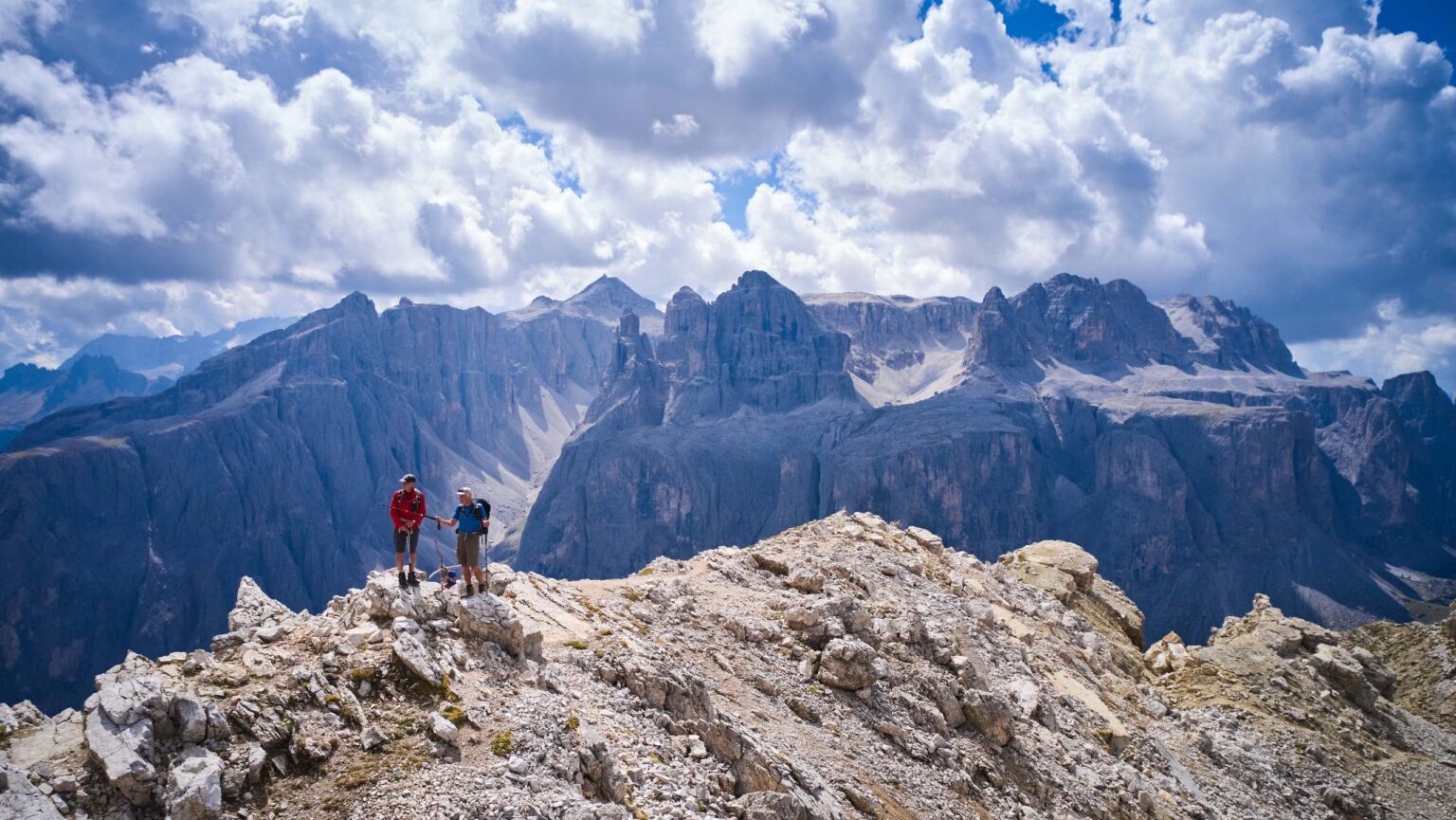
Trek the diverse routes of the Alta Via 2, linking the largest mountain groups of the Dolomites.
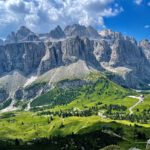
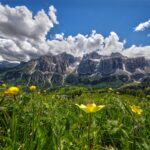
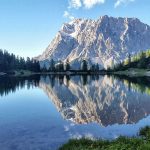
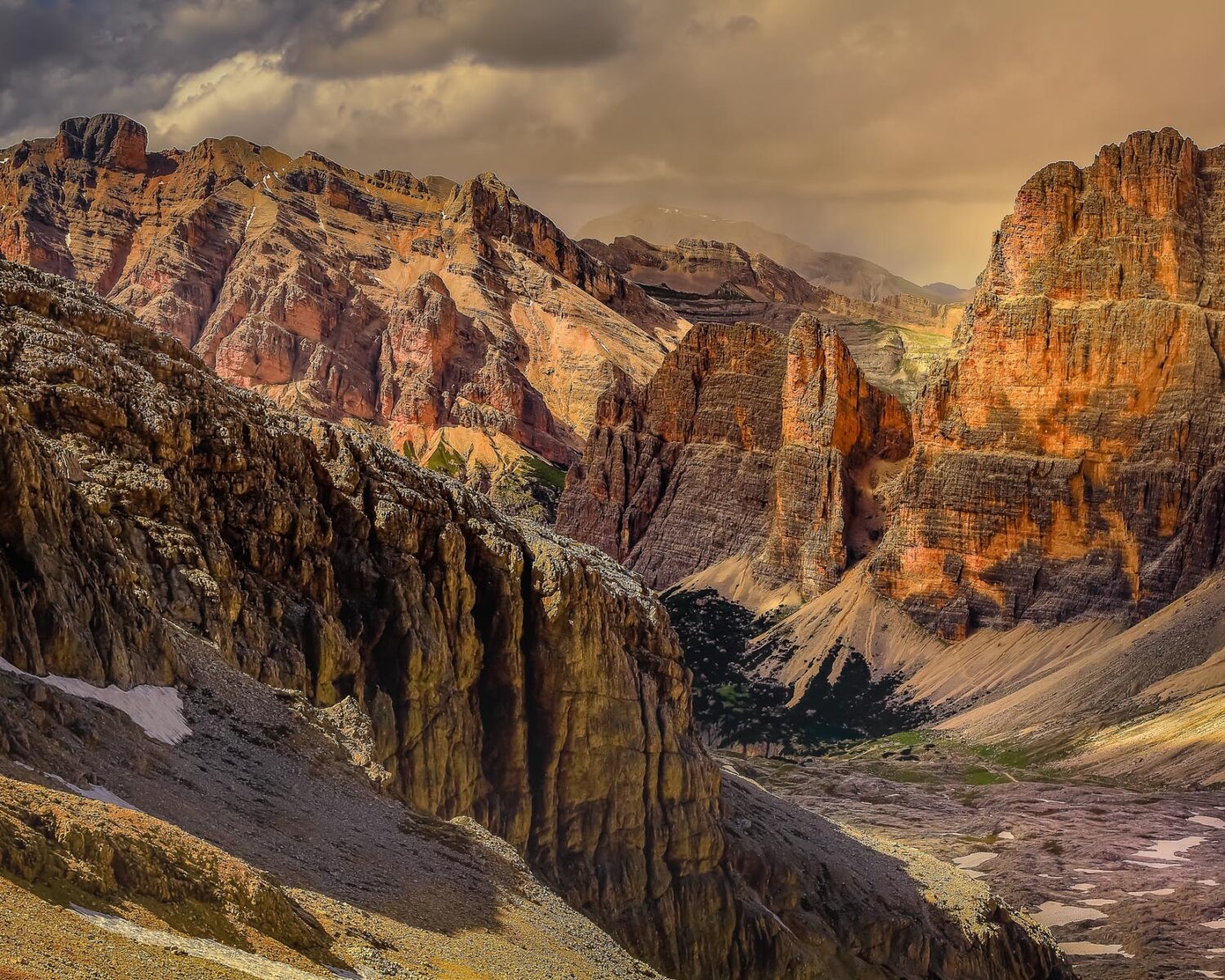
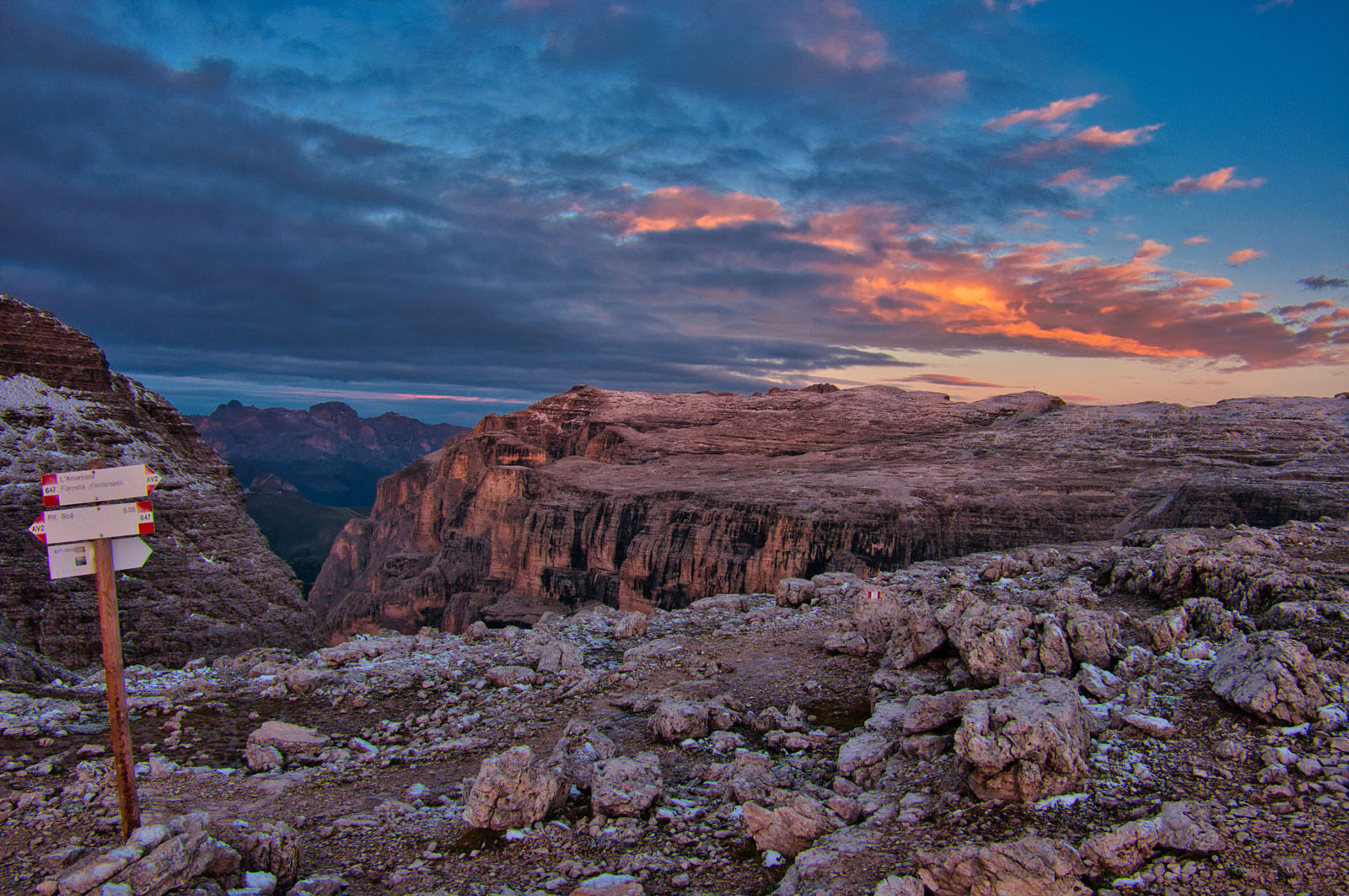
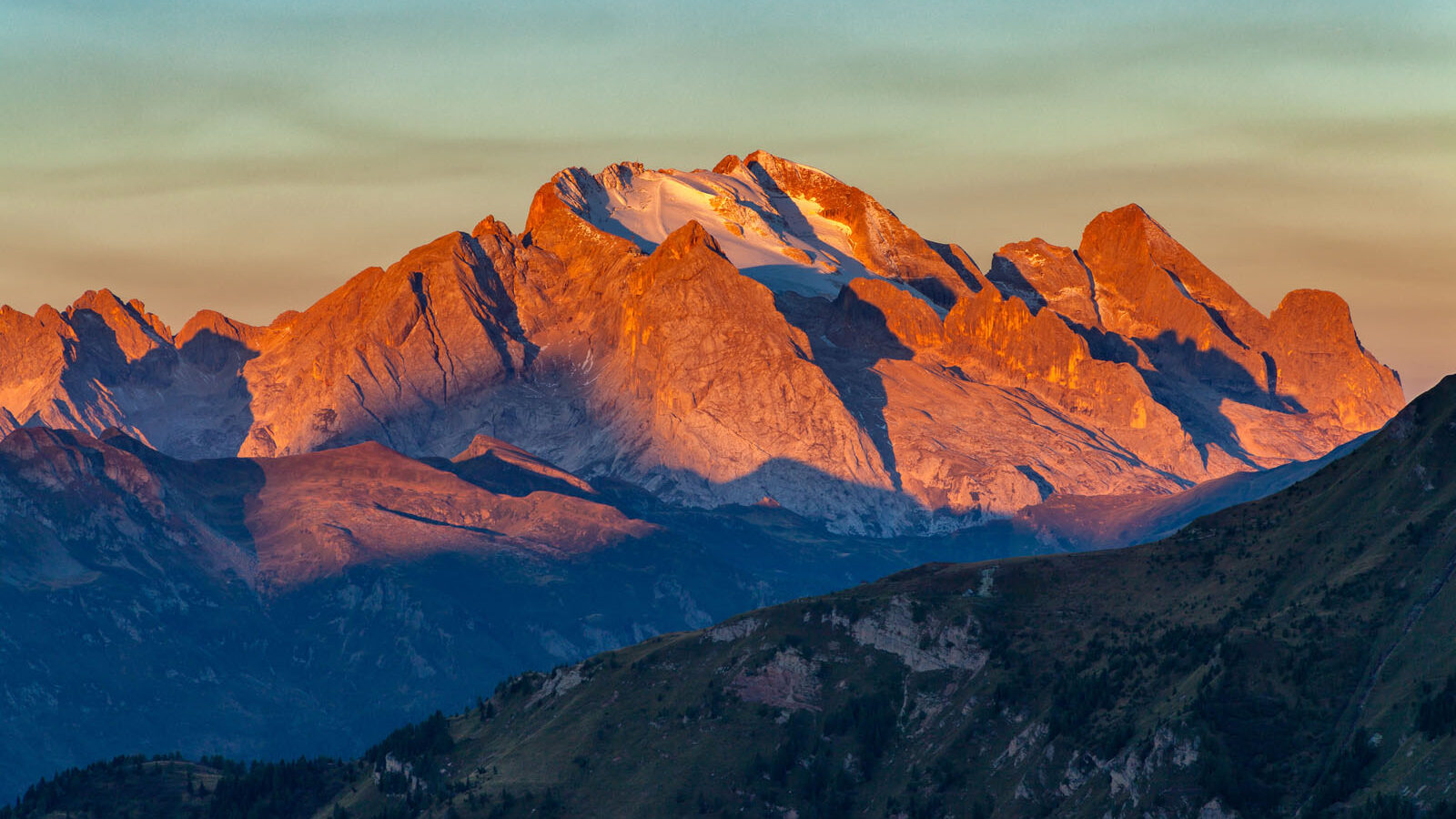
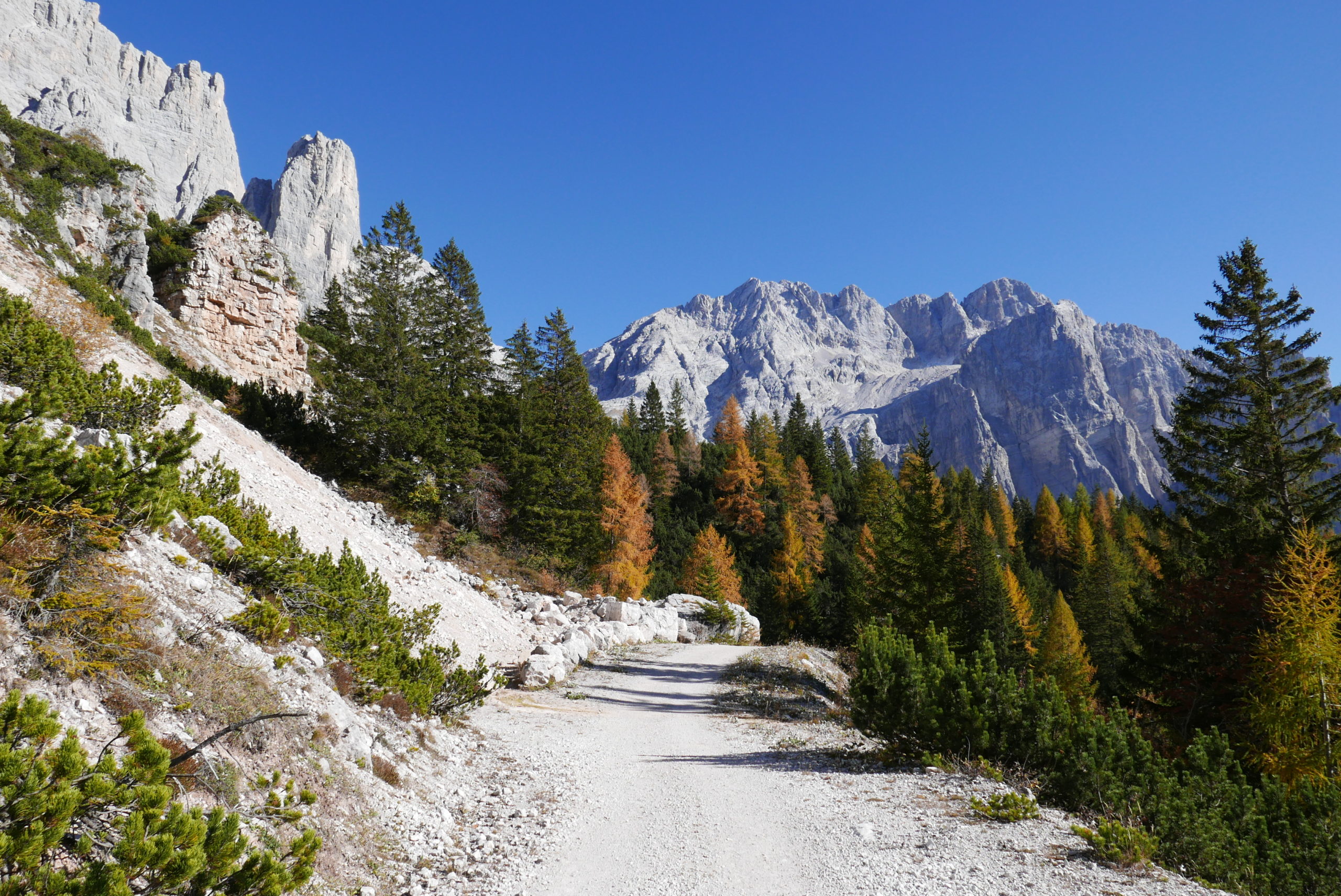
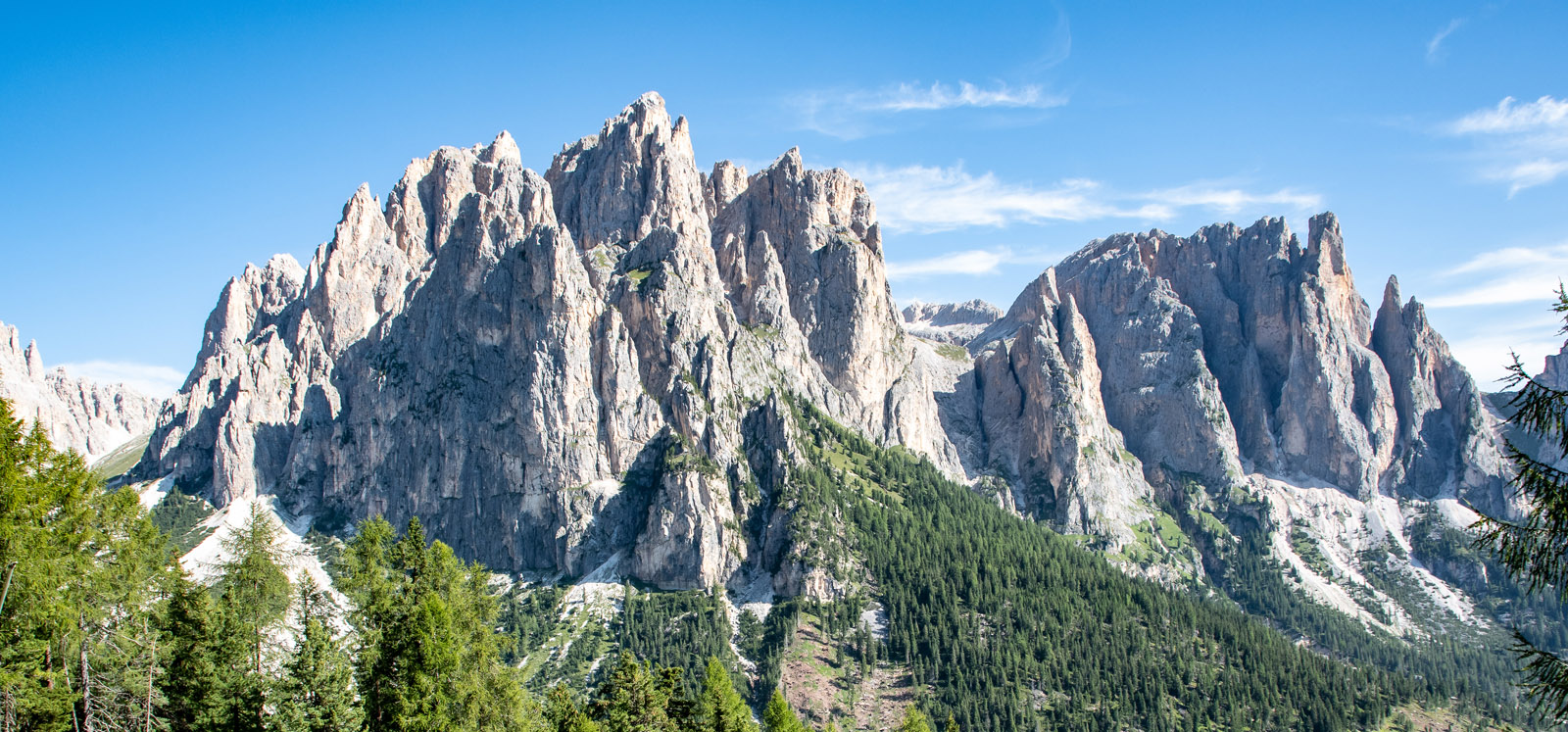
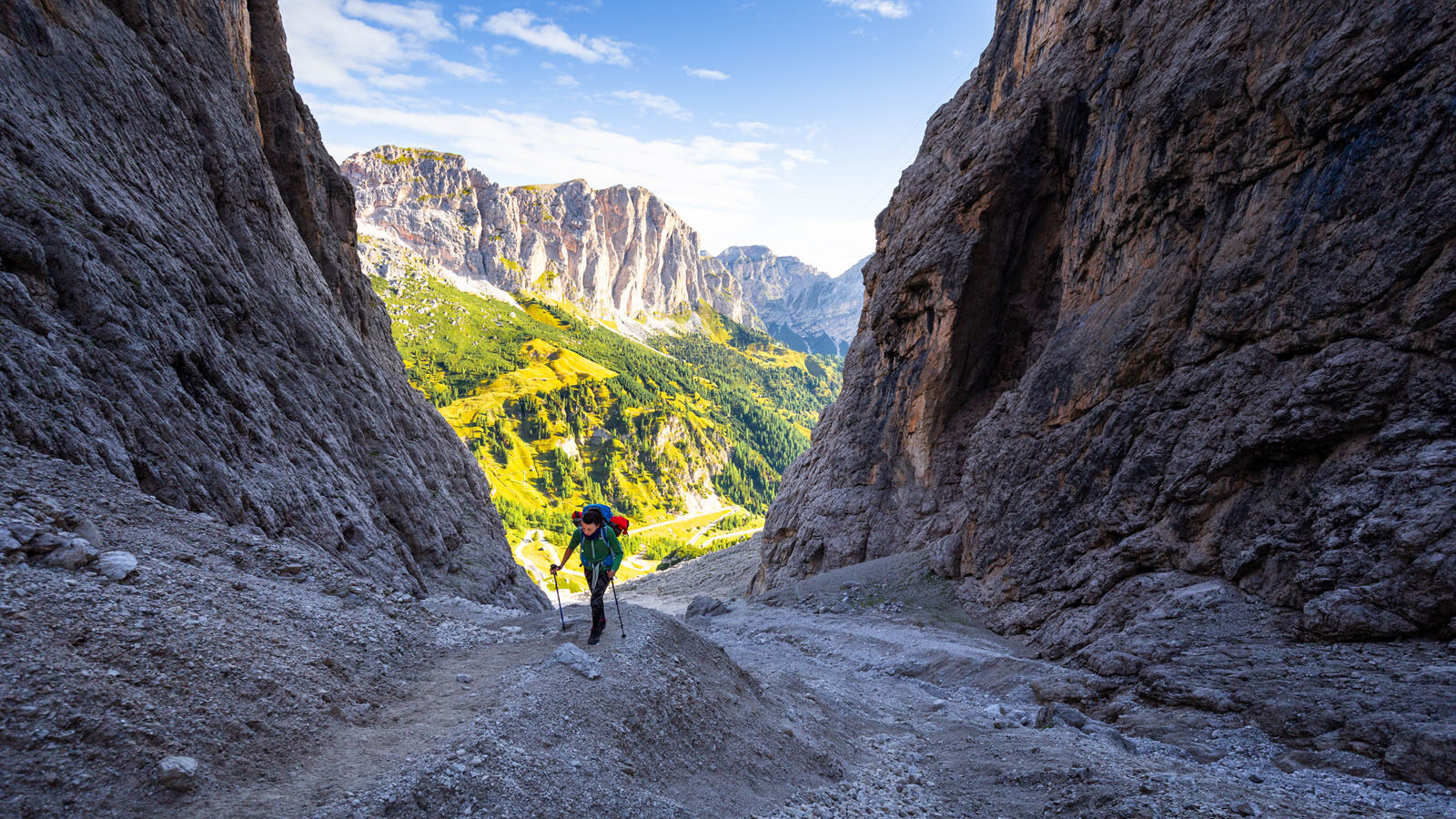
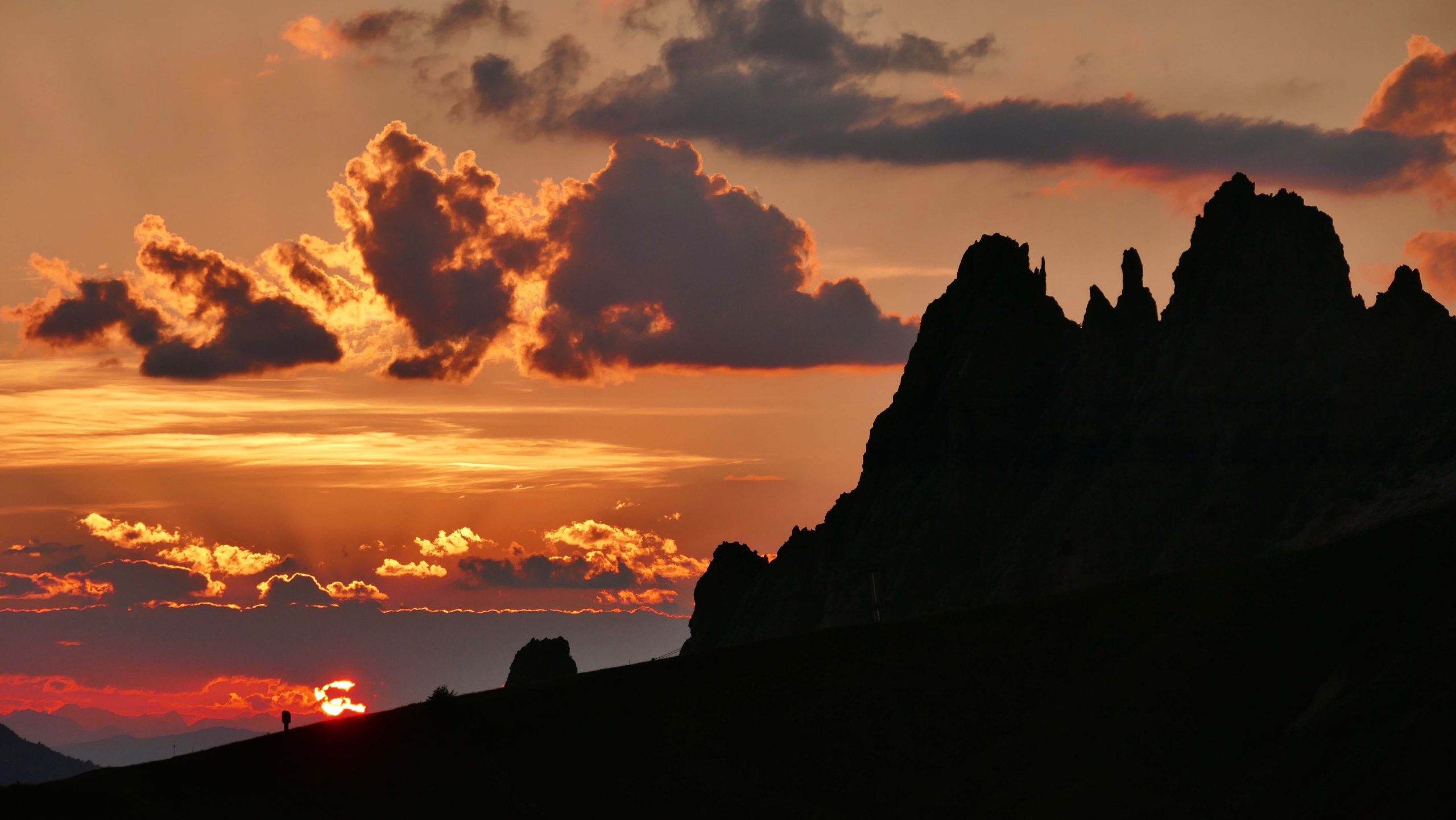
This trek takes you through panoramic-rich landscapes, featuring the lunar terrain of the Sella and Pale di San Martino massifs, the towering peaks of the Puez-Odle group, and the brilliant-white glacier of the Marmolada (3343m).
The Alta Via 2 is long and varied, offering high, remote treks and descents into beautiful pastures and woodlands. Traverse iconic massifs, each presenting unique challenges and rewards. Along the way, stay in welcoming rifugios offering stunning views and great food.
Browse this page for all you need to know about our Alta Via 2 hut-to-hut walking holiday. Then click the Enquire or Book Now buttons, submit some information, and let our skilled enquiry team help you make this holiday a reality.
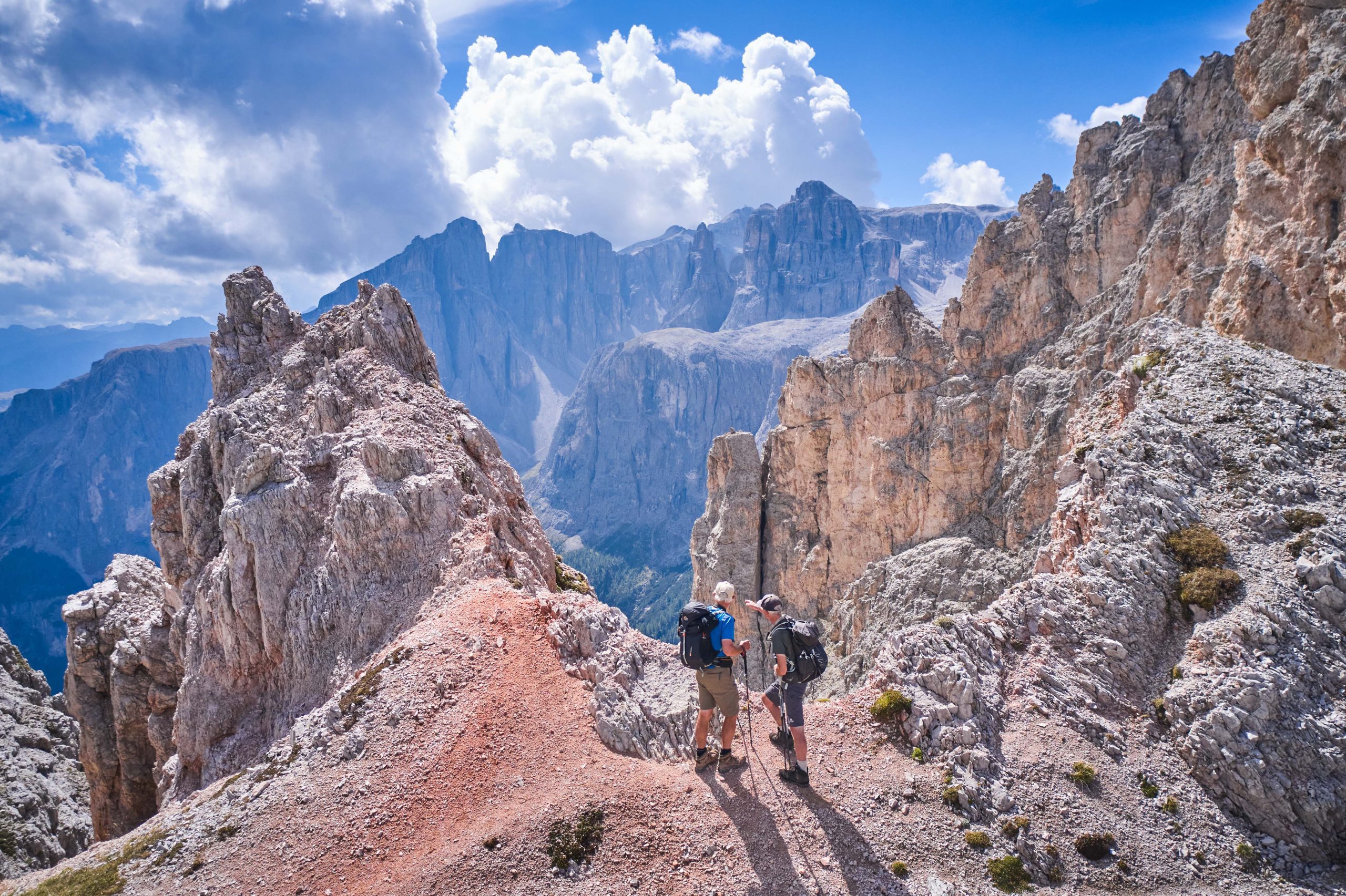
Graded as challenging, this holiday involves long hikes between mountain huts, crossing demanding terrain with secured trails. Contact us with any questions about the route. Please also note that, for safety reasons, this route requires that you carry (and know how to use) a harness, via ferrata gear (2 connected energy-absorbing lanyards with 2 carabiners), and a helmet. If you would prefer not to carry (and use) equipment, then refer to our Fassa Dolomites Hut-to-Hut, which is a similar grade but avoids sections of secured trail and the need for via ferrata gear.
At a Glance
Dates
25 June – 13 September 2027
(You can start any day)
Price
£1585
This holiday requires a minimum of two people
Contact us for single supplements where required
Grade
Challenging
Expect to walk 5 – 7 hours each day with between 500m – 1260m of ascent and 200 – 1310m of descent. Includes sections of exposed trail which are secured/protected with metal cables etc., and require the use of via ferrata gear.
What’s Included
All Hut Bookings at half-board (breakfast and dinner included)
3* Hotel (B&B) on your first and last nights
Private Transfers at the start of Day 2, and at the end of Day 7
Holiday Pack with comprehensive route notes, maps & more
Digital Map Access for the duration of your trip
Excess Luggage Transfer between your first and last night hotels
Not included: packed lunches, tourist taxes (where applicable), and rifugio showers (if applicable, approx. €4).
Optional Extras
Private Rooms – These can be reserved in advance in some of the mountain huts, if available, at a supplement of £20pp/night. Booking early is recommended.
4-Star hotel – for the first and last nights – contact us for details.
Travel
This holiday starts in the Val Gardena and ends at San Martino di Castrozza. We recommend flying into and out of Verona Airport. From there, whilst it is possible to get to the Val Gardena on public transport (contact us for details) we strongly recommend that you book private transfers at the start and end of your holiday as follows :
- Verona to Val Gardena – £210 pp
- San Martino to Verona Airport – £160pp
(based on 2 people sharing)
Transfers from other airports – e.g. Innsbruck – are also available on request.
Itinerary & Accommodation
Day 1
Arrive in the Val Gardena

Travel overview
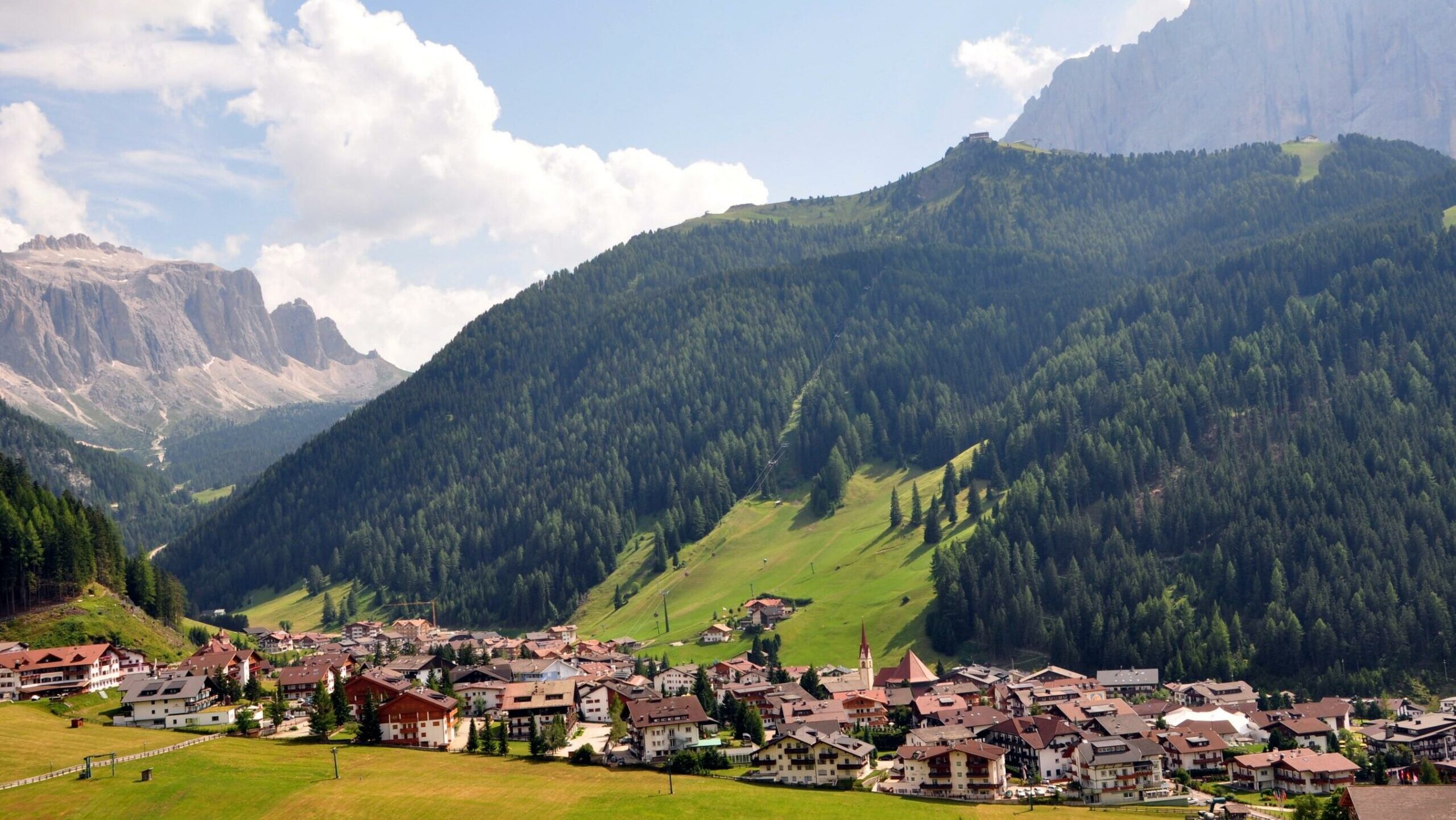
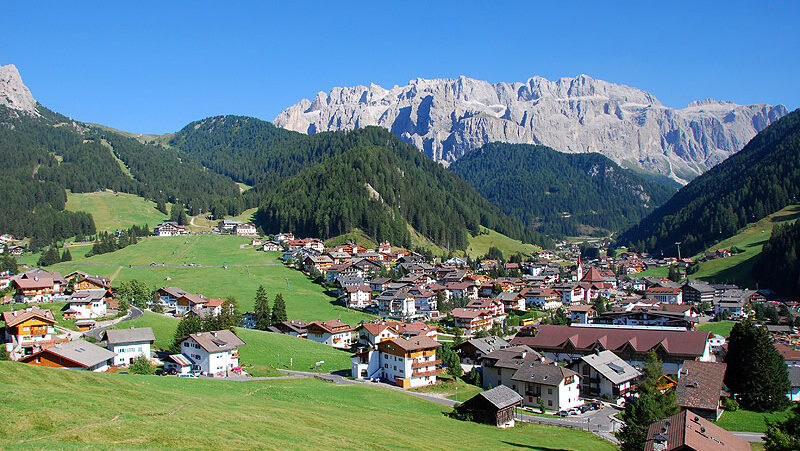
Travel to the Dolomites. Make your way to the Val Gardena by public transport, hire car or you can book a private transfer direct to your first hotel. Your first night will be spent nestled under the colossal Sella group and Sassolongo, a taste of the drama ahead.
Hotel in Ortisei, Selva or Santa Christina (B&B)
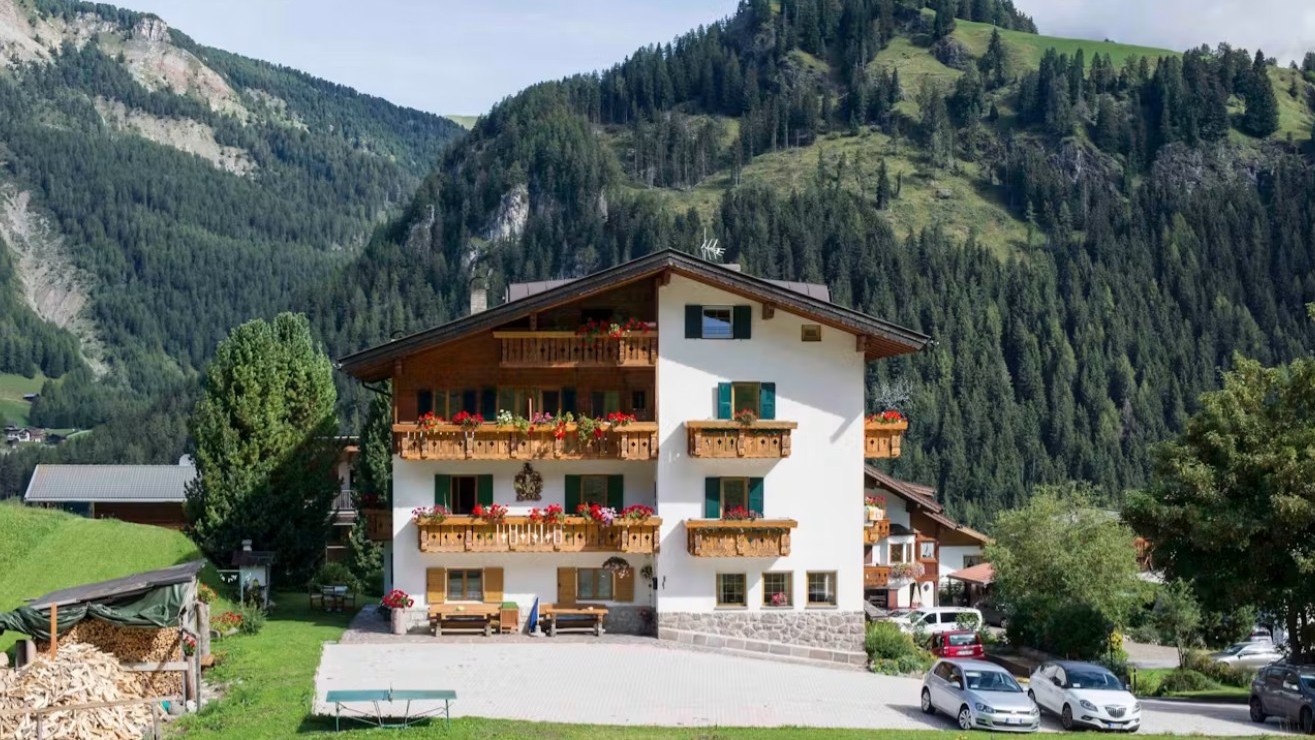
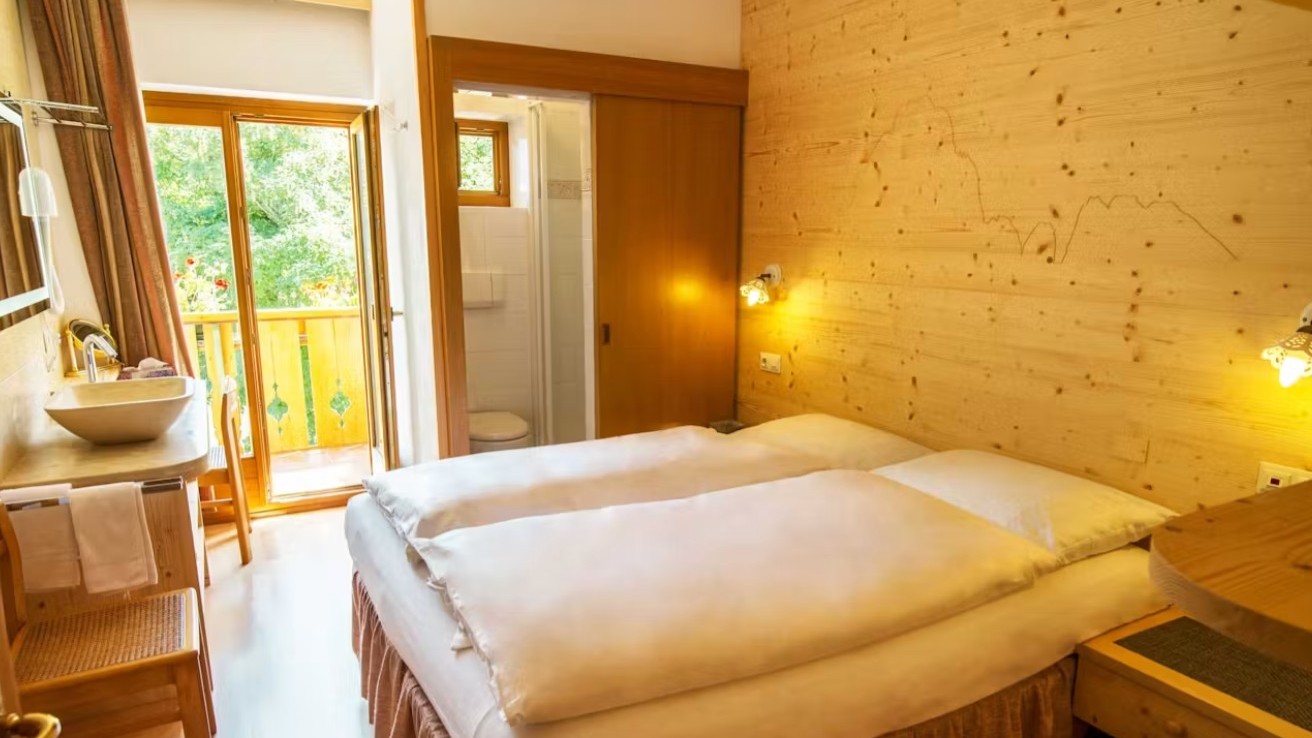
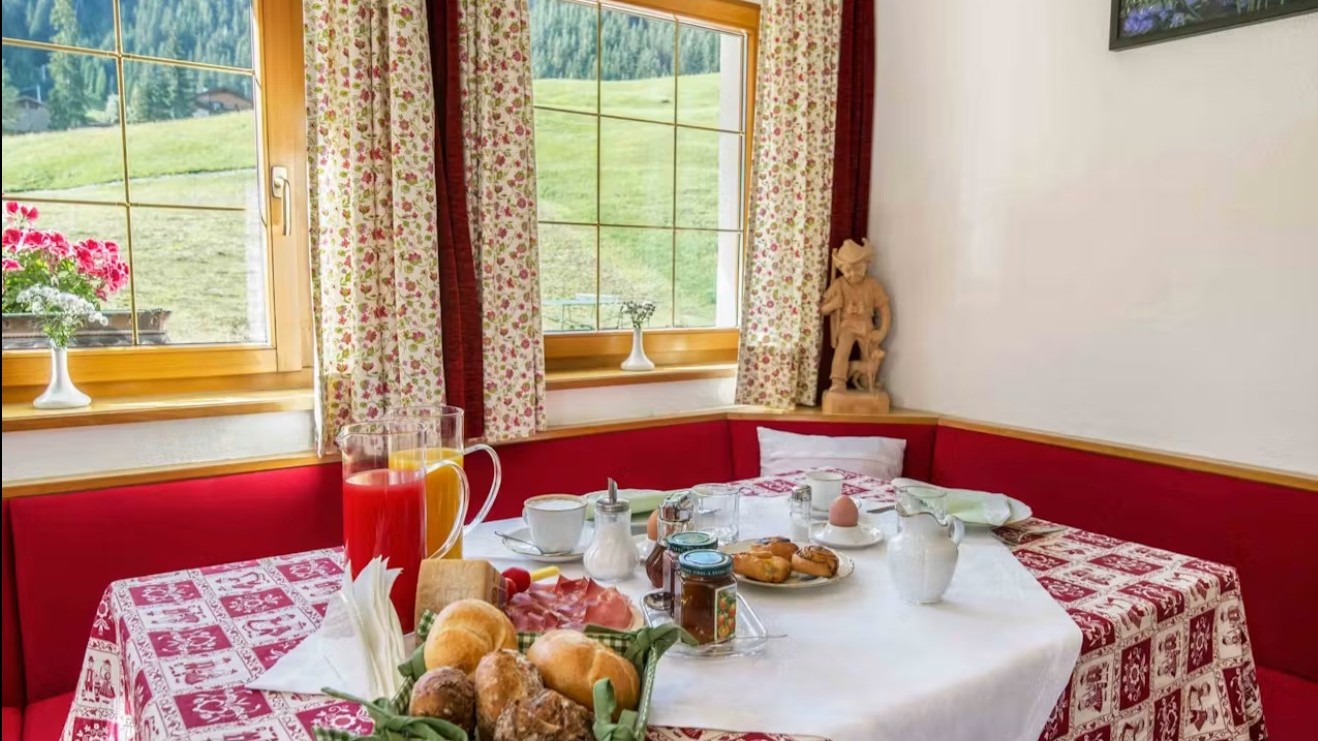
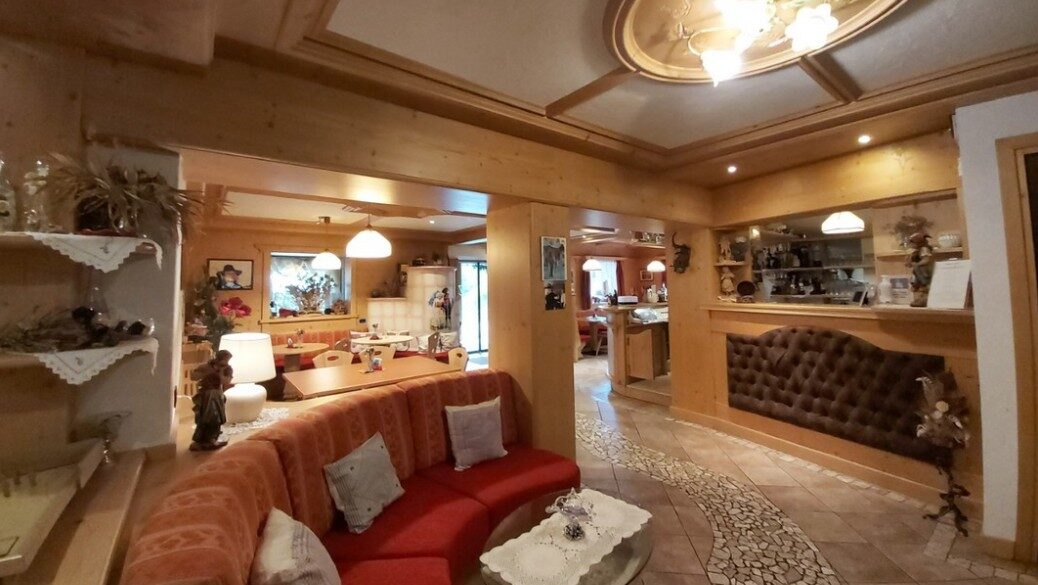
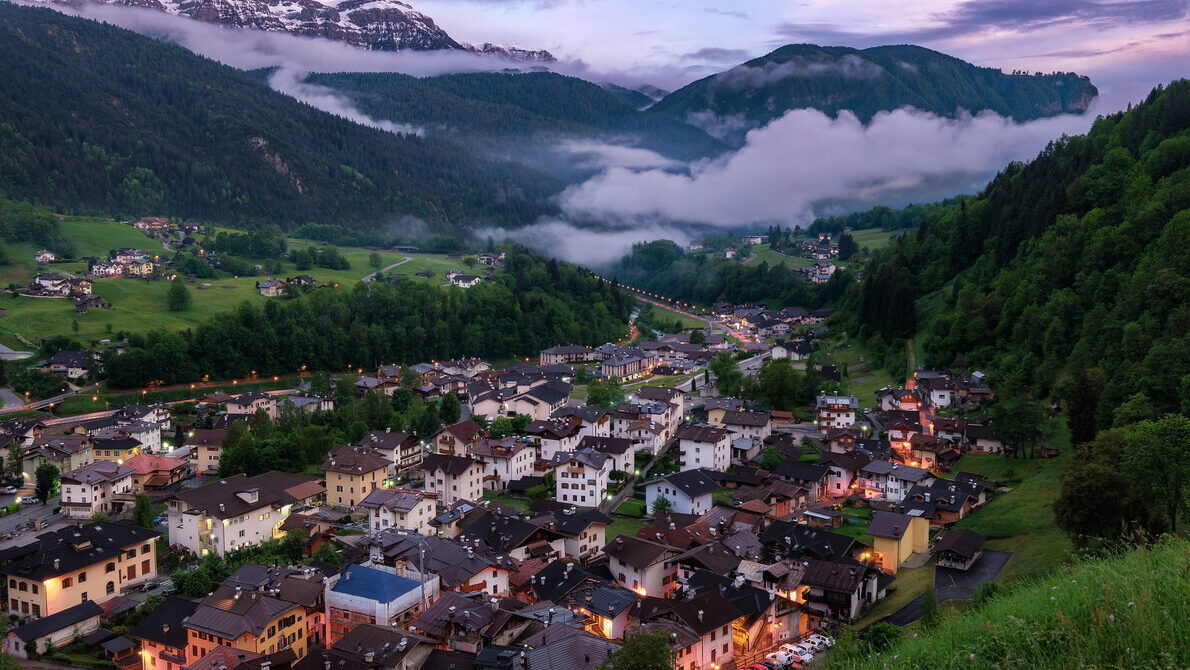
Your journey begins with a night in one of Val Gardena’s celebrated villages: Ortisei, Selva di Val Gardena, or Santa Cristina. Each offers classic alpine charm set beneath the dramatic spires of the Dolomites. Hotels are comfortable and welcoming, providing an easy transition into mountain life. After arrival, enjoy an evening stroll through the village or relax with a drink as the peaks glow at sunset. Breakfast is served in-house, typically continental with local breads, cheeses and coffee — a relaxed and nourishing start before the adventure begins.


Day 2
The Puez-Odle Group
11km, Walking Time 5hrs, Ascent 1140m, Descent 200m
Walk overview
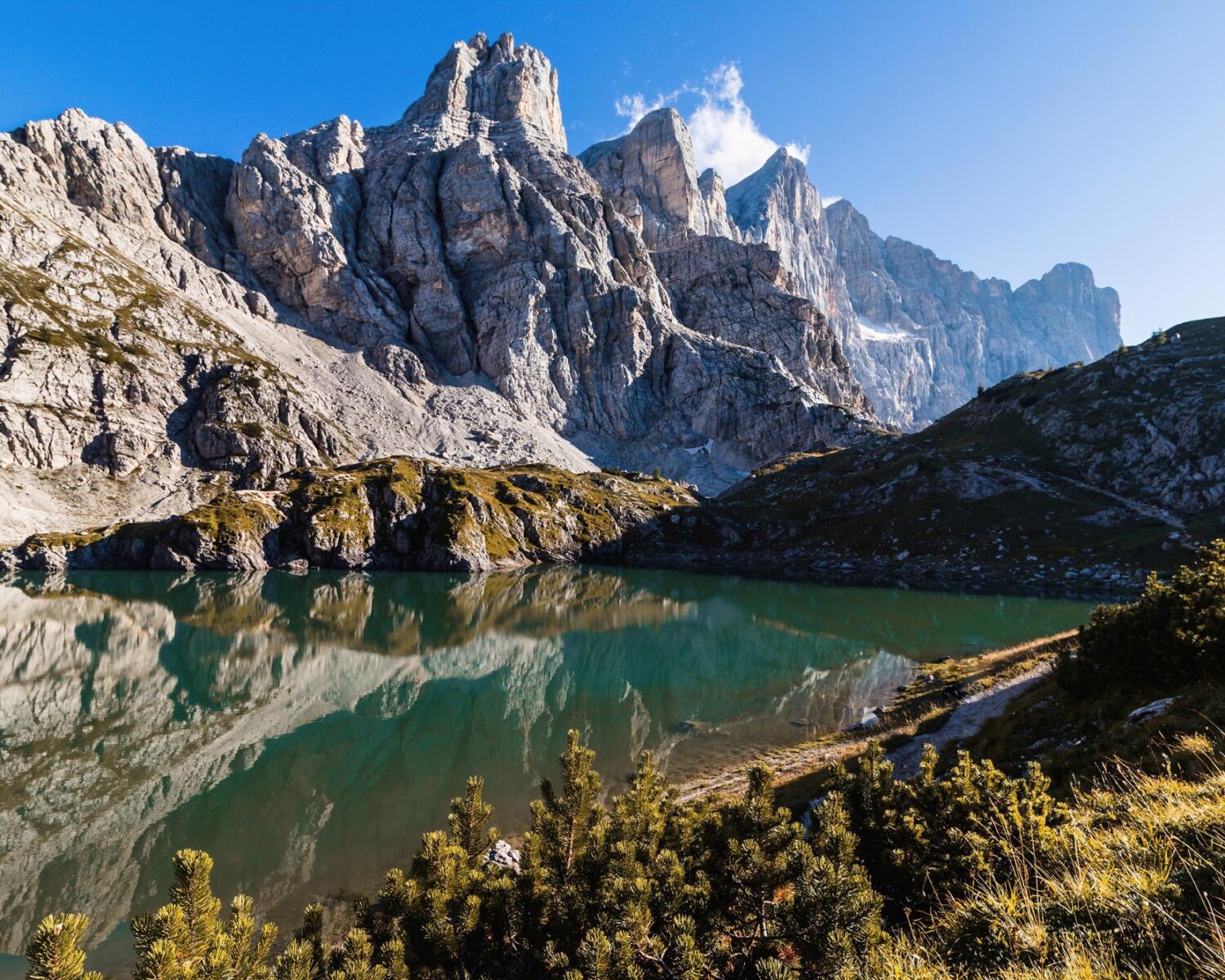
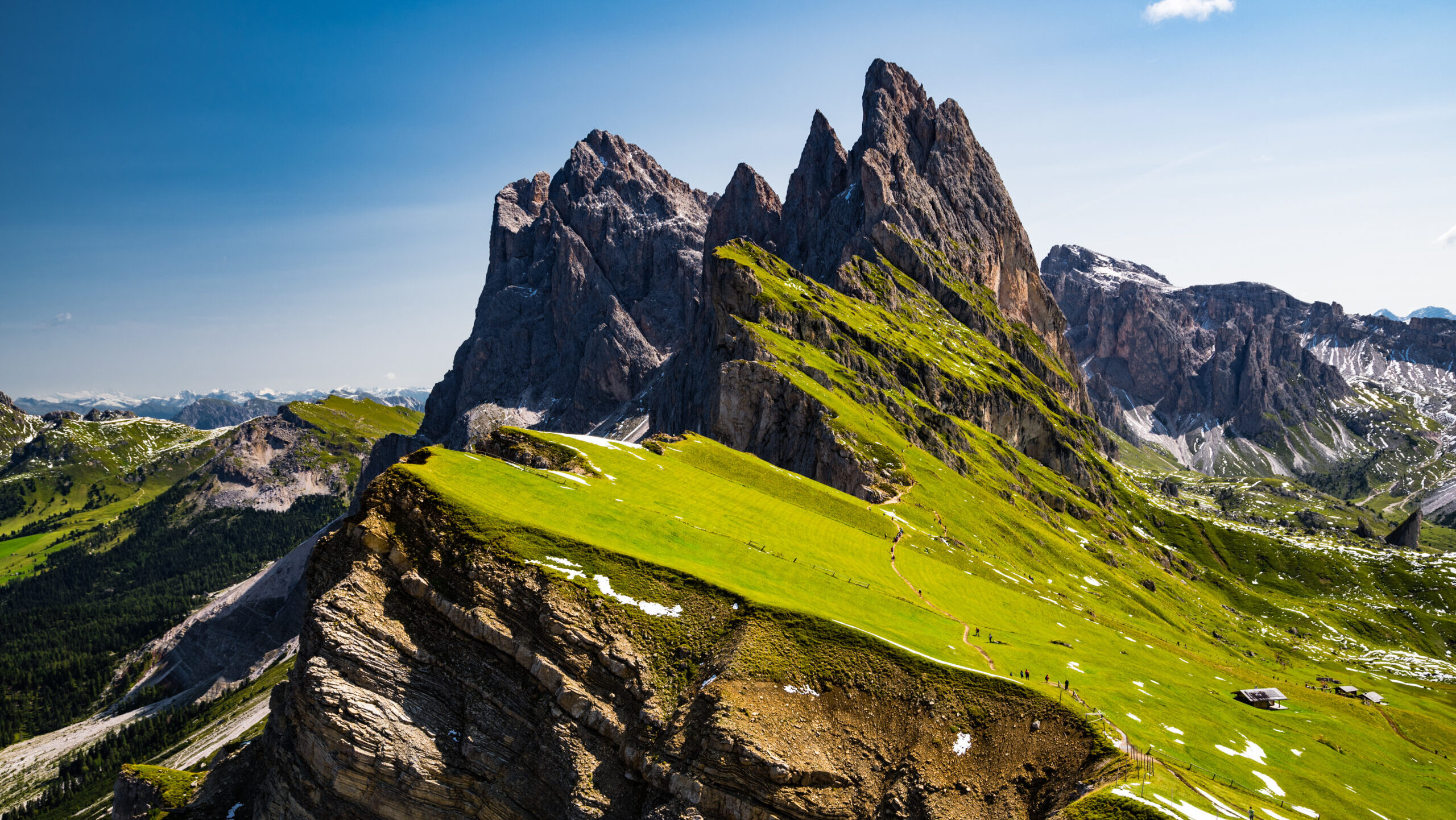
After a short private transfer to Col Raiser, today’s walk explores the dramatic limestone scenery of the Puez-Odle Group. A gently rising traverse brings you beneath the iconic Seceda peaks, where plunging north-facing cliffs create a thrilling sense of height and scale. While the upper slopes attract visitors arriving by lift, we have created a lesser-frequented route that leads through serene alpine landscapes and offers superb views towards the Sella Group, your destination for the following day.
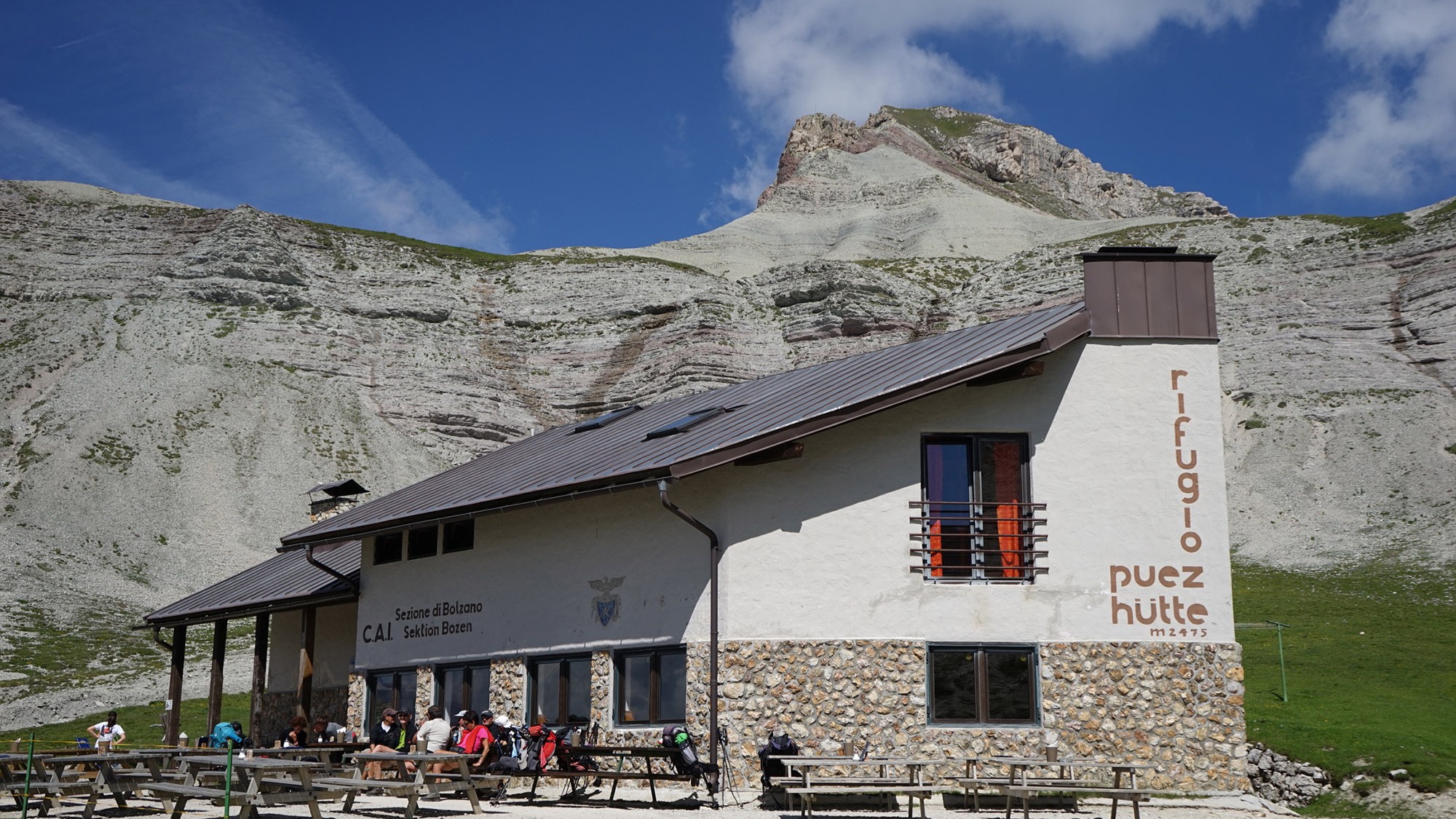
Rifugio Puez (half-board)
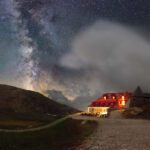
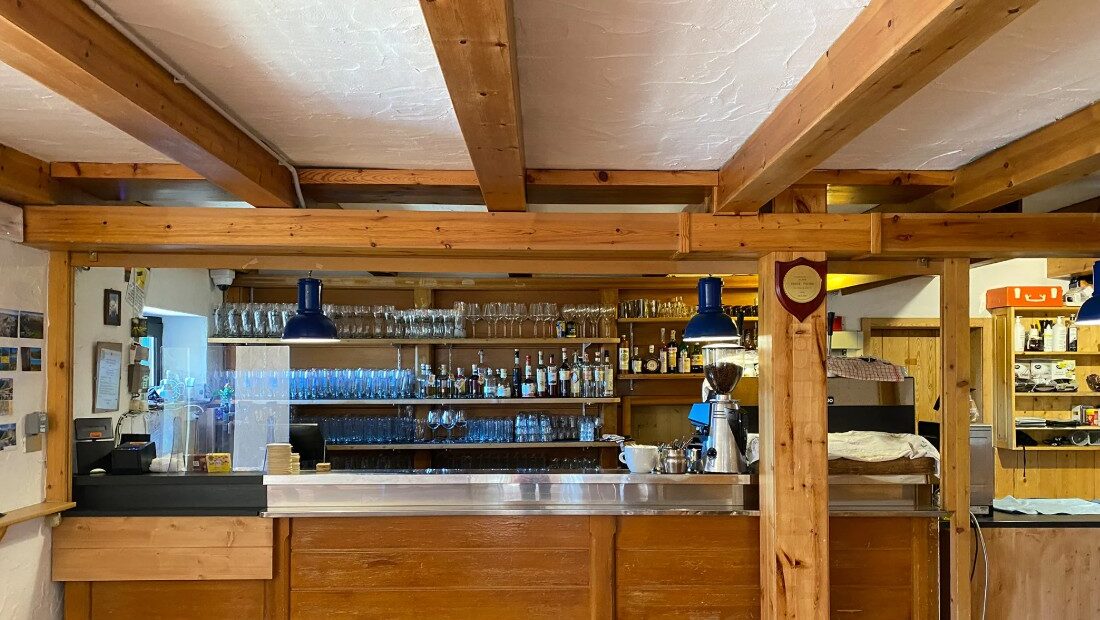
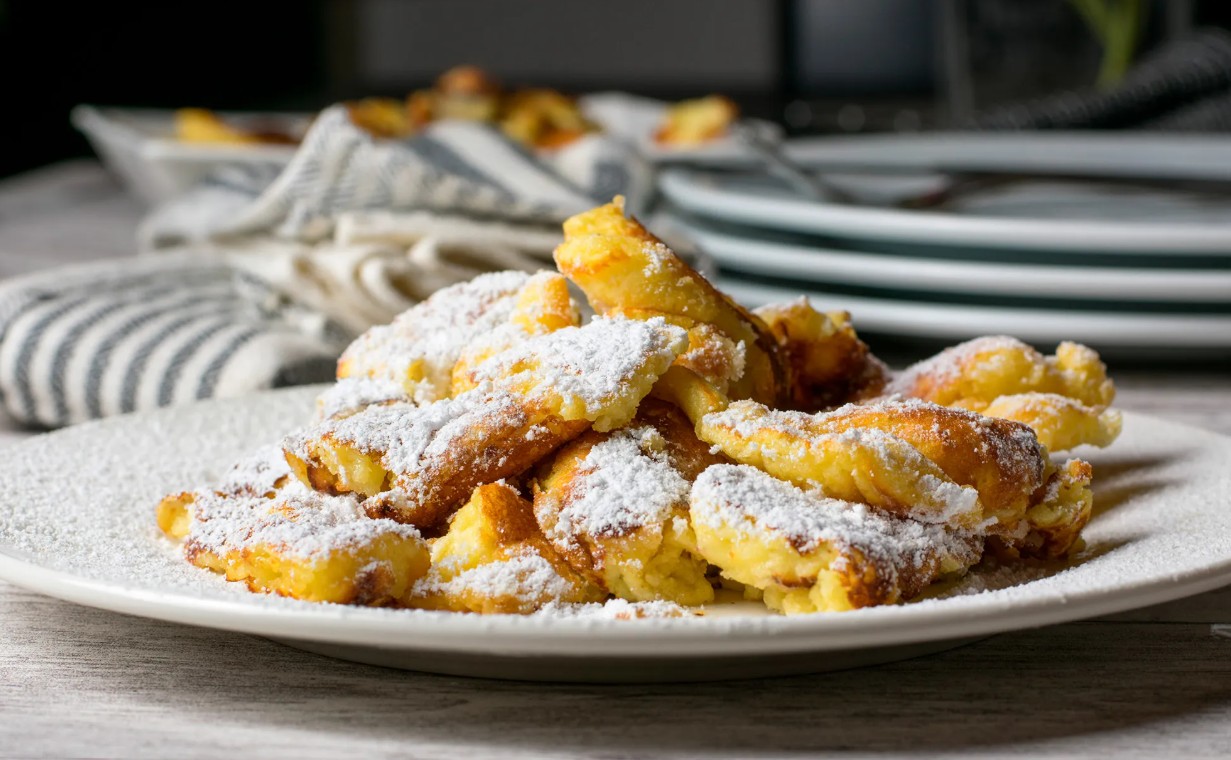
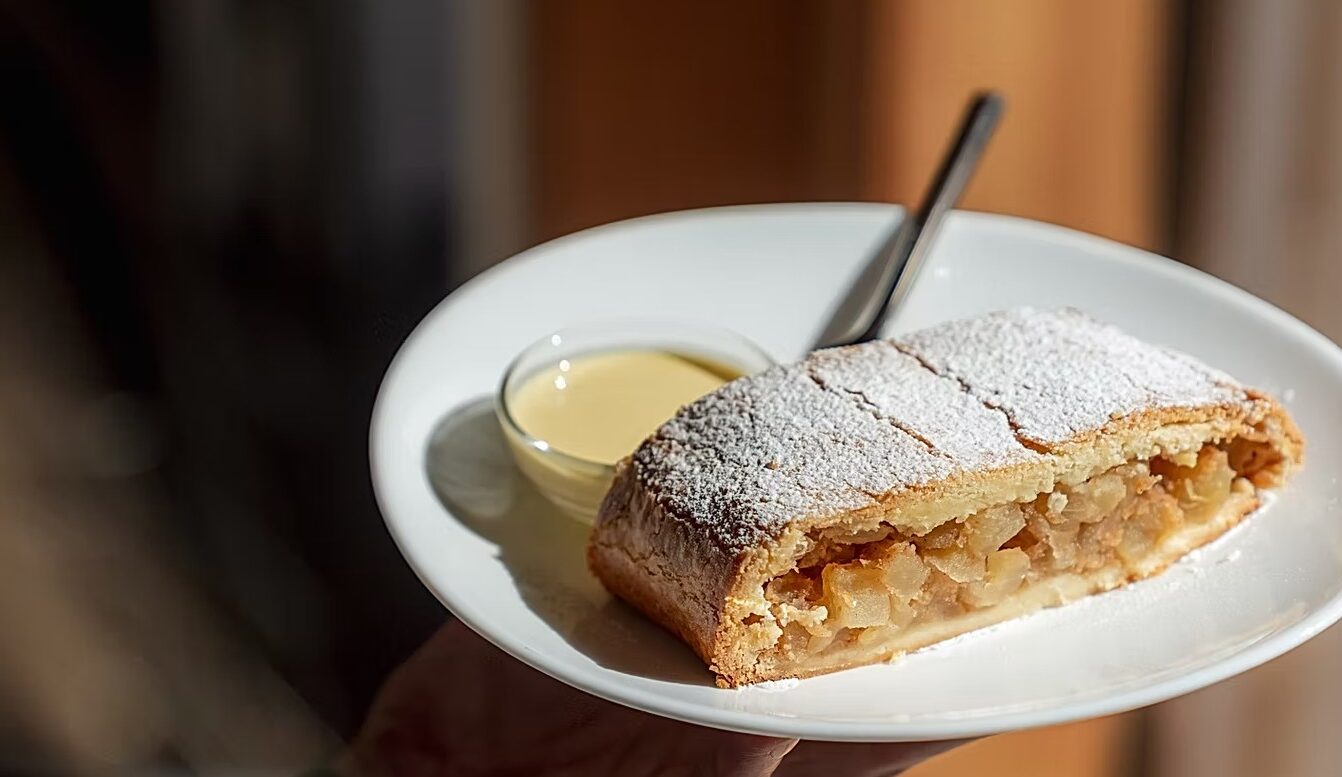
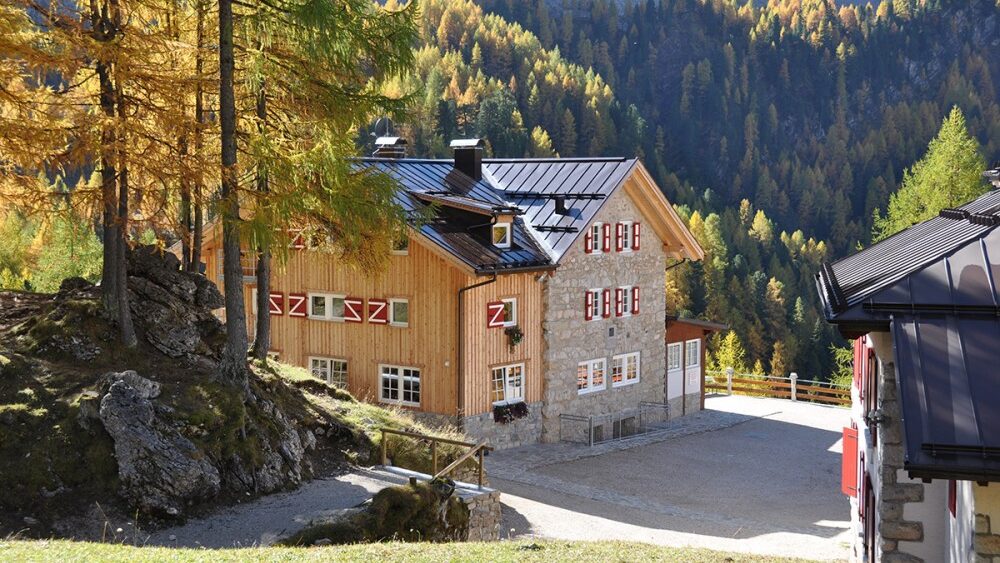
Rifugio Puez sits high on a stark limestone plateau within the heart of the Puez-Odle Nature Park, surrounded by vast, open mountain scenery. The sense of space here is extraordinary — wide skies, sculpted rock and distant summits in every direction. Accommodation is simple, functional and perfectly suited to walkers, with a calm, communal atmosphere at day’s end. Dinner reflects South Tyrolean mountain cooking: warming, filling and reassuring after a long day, often featuring soups, pasta or dumplings followed by a traditional main. Breakfast is wholesome and practical, designed to fuel a full day crossing this unique high-altitude landscape.


Day 3
Sella Group
13km, Walking Time 7hrs, Ascent 1260m, Descent 880m
Walk overview
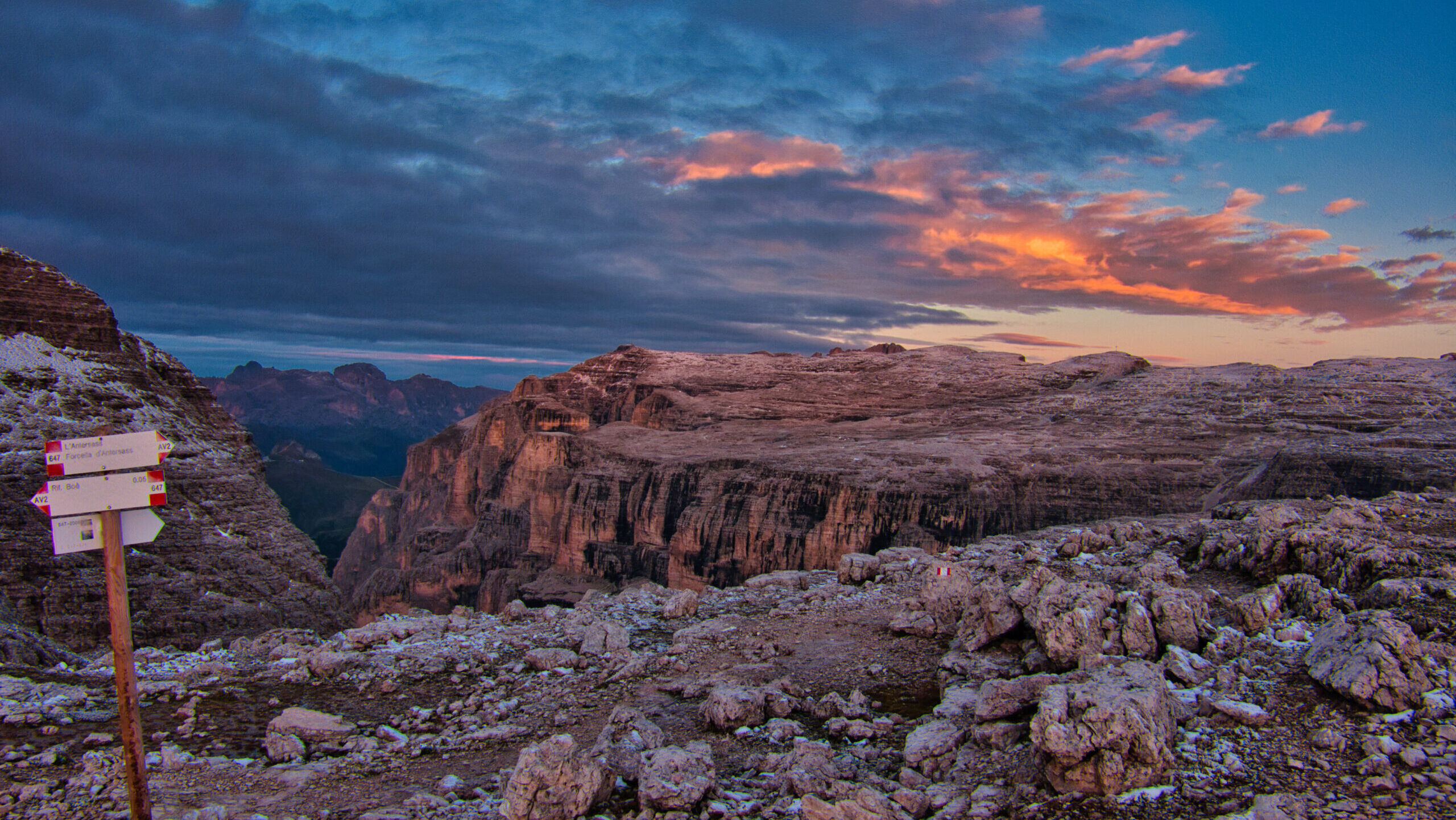
Today is a standout traverse of the monumental Sella Group, one of the most recognisable massifs in the Dolomites. Two contrasting itineraries are available. The classic Alta Via 2 route stays high, threading through steep rock with occasional rungs and cable protection, making a Via Ferrata kit highly recommended. Alternatively, a lower-level route by-passes the more technical sections, following impressive cliff bases before a steady ascent to your overnight accommodation. Whichever option you choose, the day delivers unforgettable mountain architecture, vast limestone walls and a powerful sense of scale, culminating in a superbly positioned rifugio surrounded by some of the Dolomites’ most dramatic scenery.
Rifugio Boe (half-board)
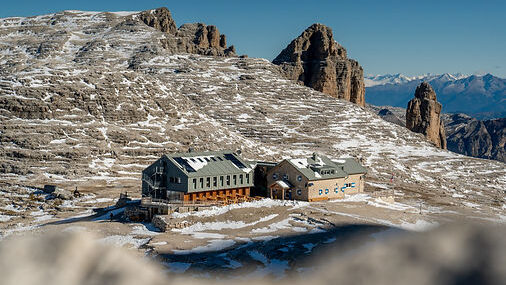
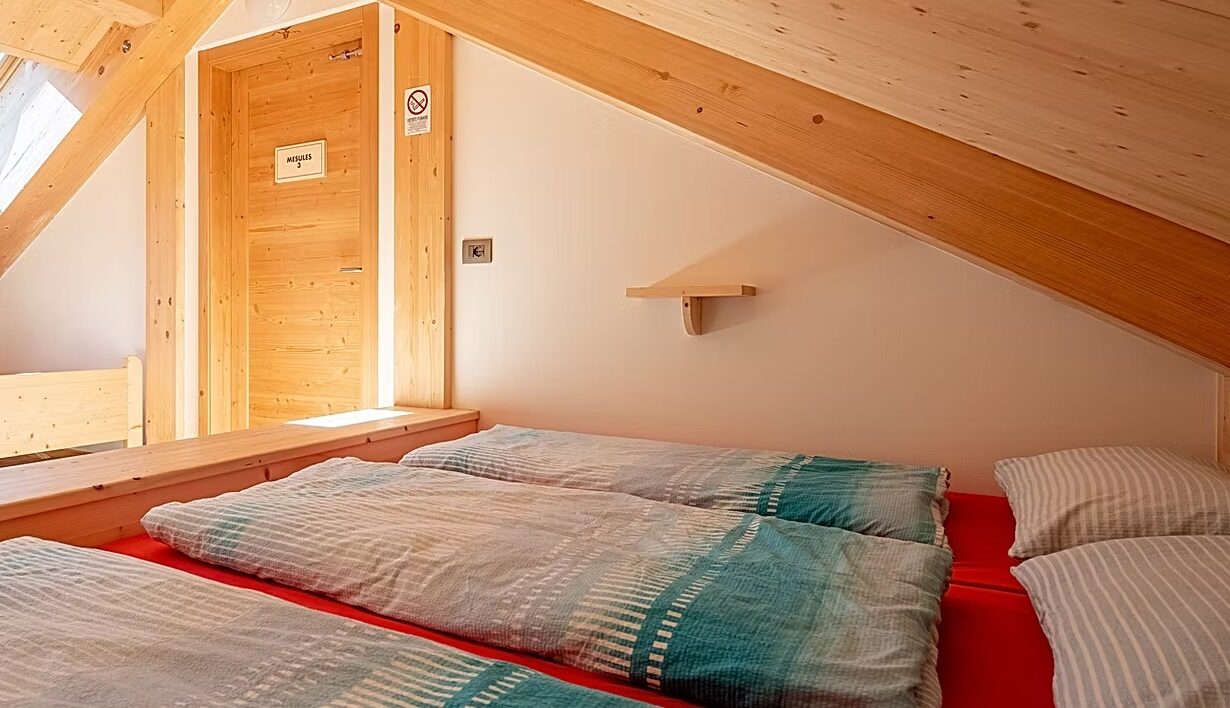
Perched dramatically at over 2,800 metres on the Sella Plateau, Rifugio Boè delivers one of the most exhilarating overnight locations of the journey. The setting is stark, powerful and unforgettable — a true high-mountain experience. Inside, the atmosphere is lively and convivial, with walkers and climbers sharing stories from the day. Bedrooms are simple and alpine in character, prioritising warmth and rest. Dinner is robust and satisfying, well suited to the altitude, while breakfast is generous and energy-rich. As night falls, the silence and scale of the surrounding peaks leave a lasting impression.


Day 4
An ancient smuggler's trail
13km, Walking Time 6hrs, Ascent 500m, Descent 310m

Walk overview
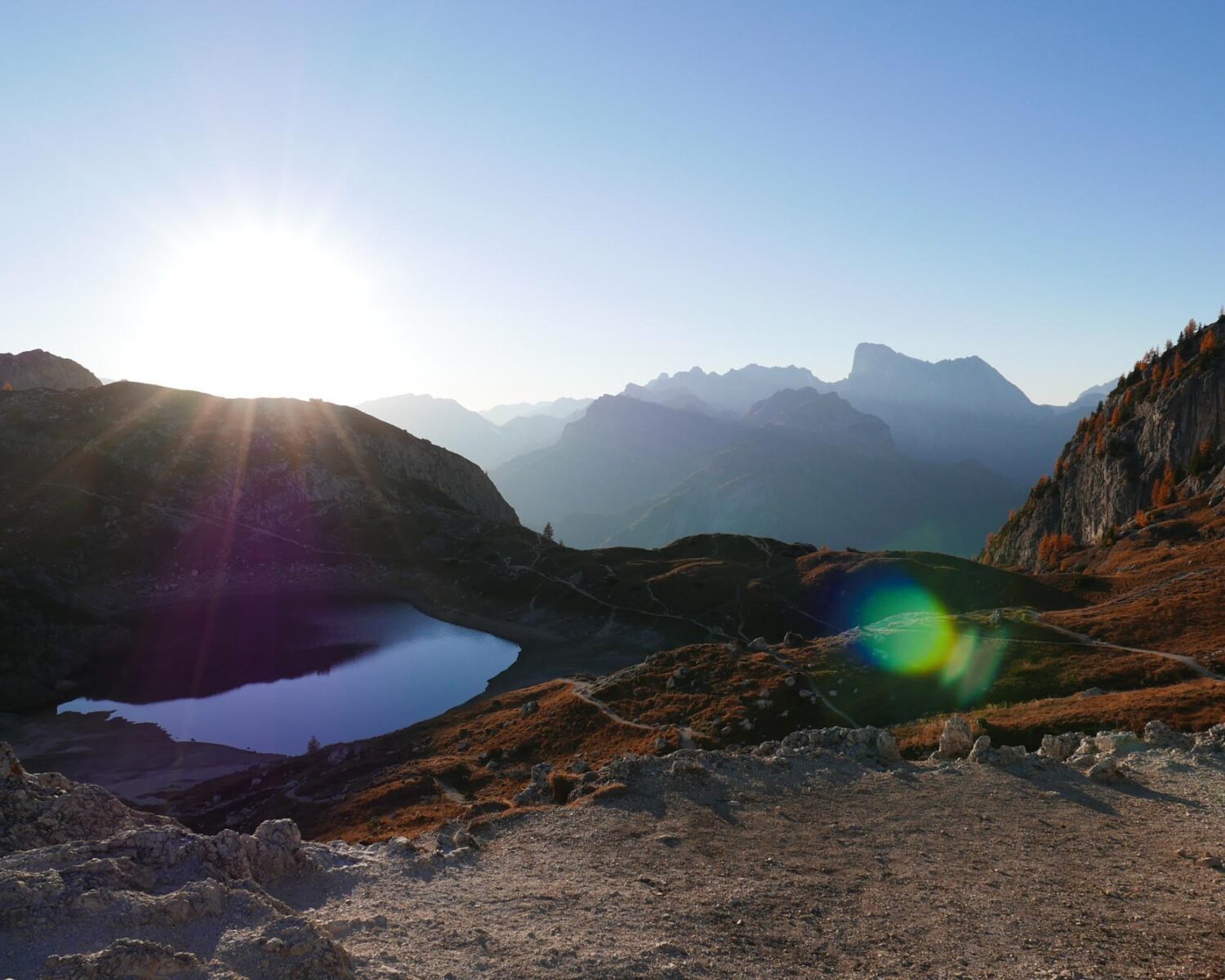
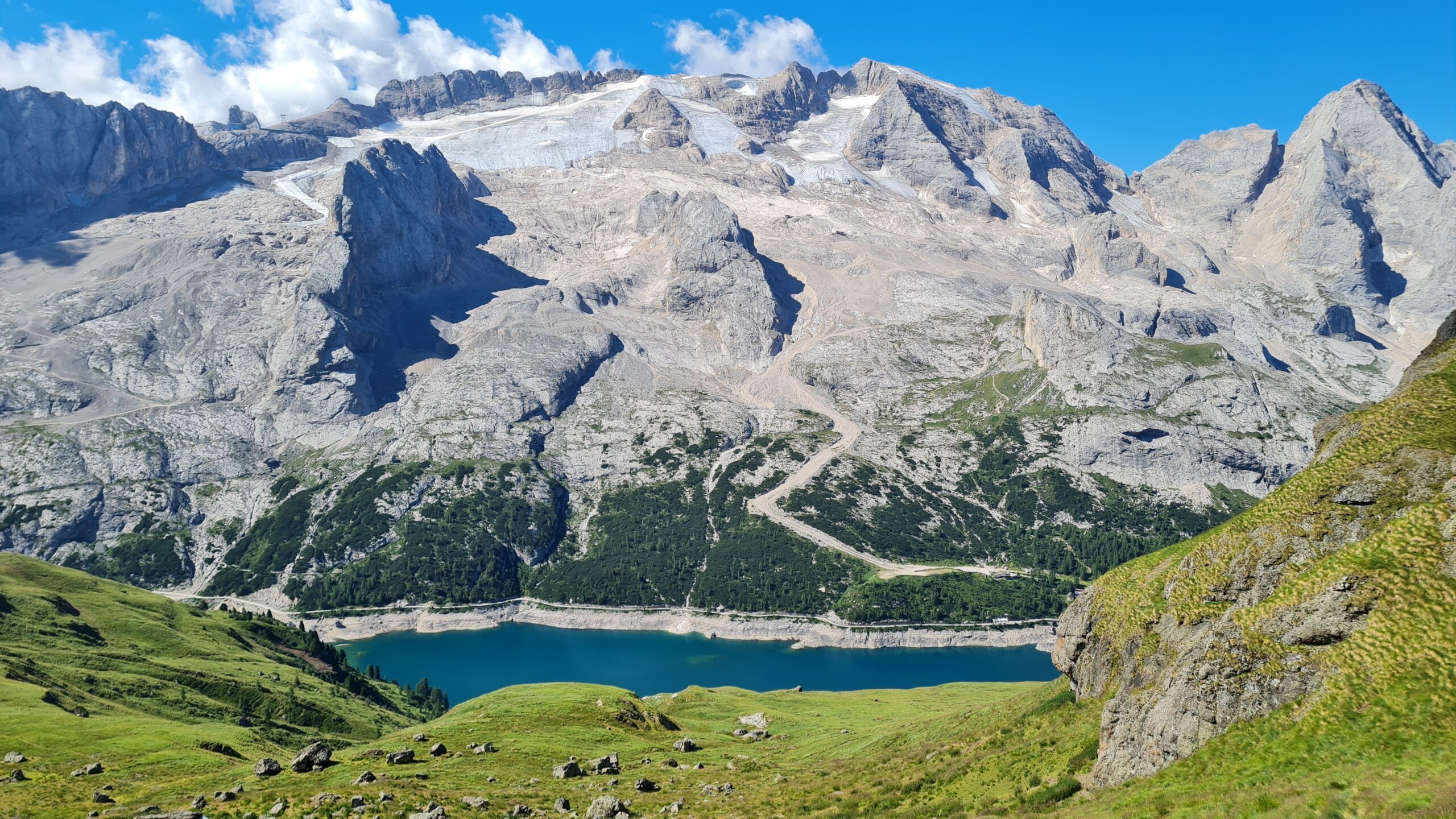
Today, amidst towering flanks and crazy rock formations, you start by traversing the lunar landscapes of Monte Sella, before the rest of the day is dominated by the Queen of the Dolomites, Marmolada (3313m). Descending to the Pordoi pass, you access the historic Viel del Pan, an ancient smuggler’s route, and find yourself on one of the Dolomites’ finest natural balconies with sweeping views over Lake Fedaia to the glacier above. A dramatic descent brings you to the lakeshore for the night.
Important: via ferrata equipment is essential today. The ascent is narrow and exposed, suitable only in good conditions. The descent from Piz Boè includes several cable-protected sections, including a short (20m) narrow ledge secured by metal handrail — well built, but requiring a head for heights.
Rifugio Dolomia or Rifugio Marmolada (half-board)
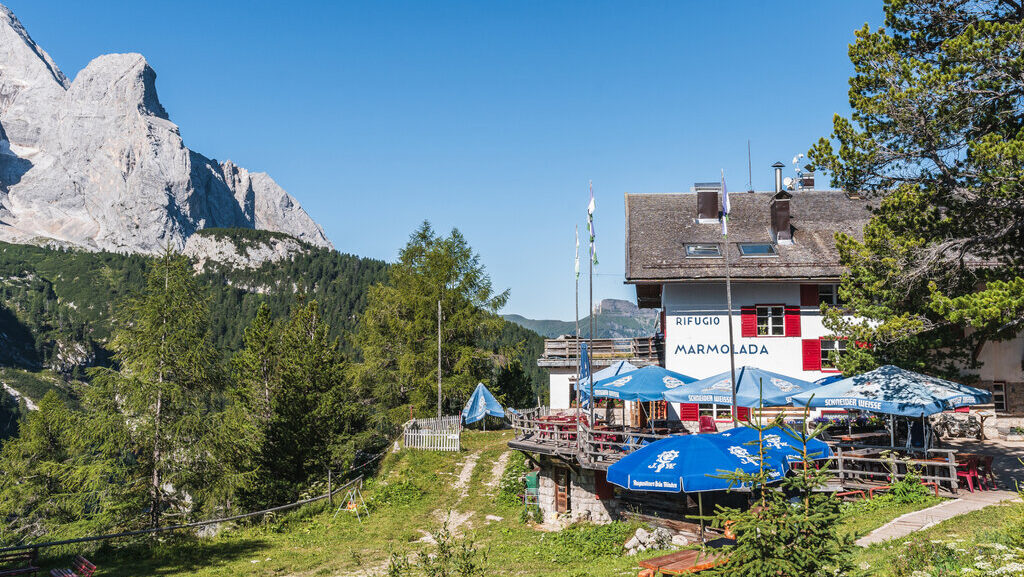
Tonight’s stay is in either Rifugio Dolomia or Rifugio Marmolada, depending on availability, both set beneath the commanding presence of the Marmolada. These huts share a front-row position to glacier views and high-mountain drama. Expect a strong mountaineering atmosphere, welcoming hosts and a deep sense of achievement after a demanding day. Evening meals are hearty and traditional, reflecting Ladin and Trentino influences, while breakfast is substantial and well-timed for an early start. Falling asleep beneath Italy’s highest peak is a true Alta Via highlight.


Day 4
At the foot of the Marmolada
14km, Walking Time 6hrs, Ascent 520m, Descent 1190

Walk overview
Marmolada continues to command attention today. Two itinerary options are available, both offering contrasting perspectives. The historic eastern route skirts the massif and reveals the astonishing south wall — a sheer limestone cliff rising over a kilometre above the valley. The preferred western route delivers more engaging terrain, weaving through open mountain bowls with superb views back to the Sella group. This option is widely regarded as the most scenic, with constant visual drama and excellent walking underfoot. Route notes are provided for both, allowing you to choose based on conditions and preference, while remaining immersed in some of the Dolomites’ most iconic landscapes.
Rifugio Contrin (half-board)
Rifugio Contrin offers a gentler, almost pastoral contrast after the drama of the Marmolada. Set in a wide, grassy valley beneath soaring rock walls, it feels calm, welcoming and wonderfully grounded. The atmosphere is relaxed and sociable, with walkers lingering on the terrace to soak in the surroundings. Accommodation is comfortable by rifugio standards, and the food here is a real highlight: generous portions, home-style cooking and local specialities that reflect the valley’s farming heritage. Dinner is unpretentious and deeply satisfying, while breakfast is plentiful — a reassuring base before the next stage of the journey.

Day 6
Monzoni Group
10km, Walking Time 5hrs, Ascent 680m, Descent 790m
Walk overview
Today leads into one of the Alta Via 2’s quietest and most remote sections, crossing the rugged Monzoni Group. Wildlife sightings are common as the trail traverses the main ridge and climbs steadily to the Cirelle Pass. From here, the fairy-tale towers of the Sassolungo Group dominate the skyline. A gentle descent follows, zigzagging through scree and into lush alpine pastures. Your walk concludes at San Pellegrino Pass, where tonight’s mountain lodge awaits.
Hotel Costabella (half-board)
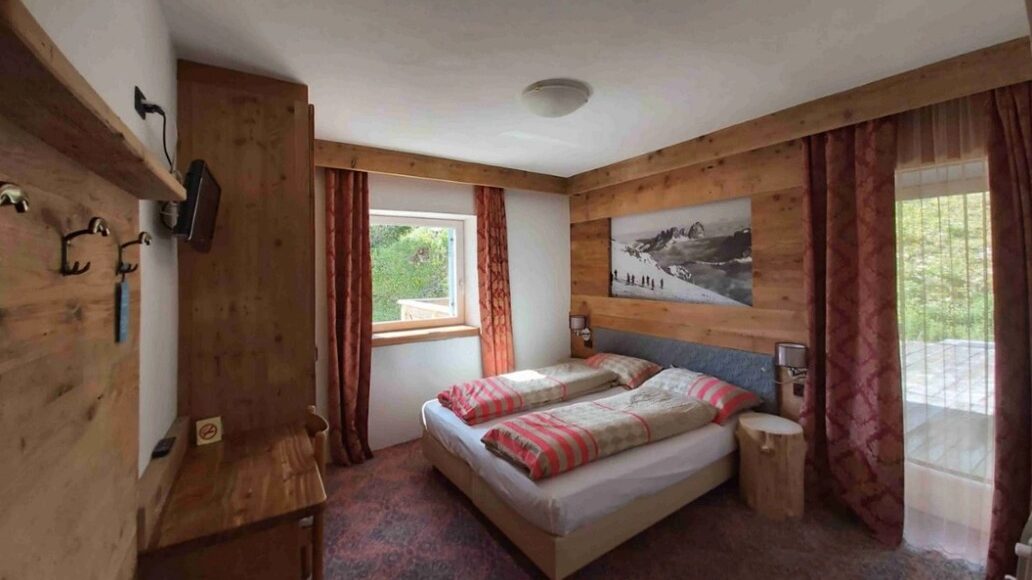
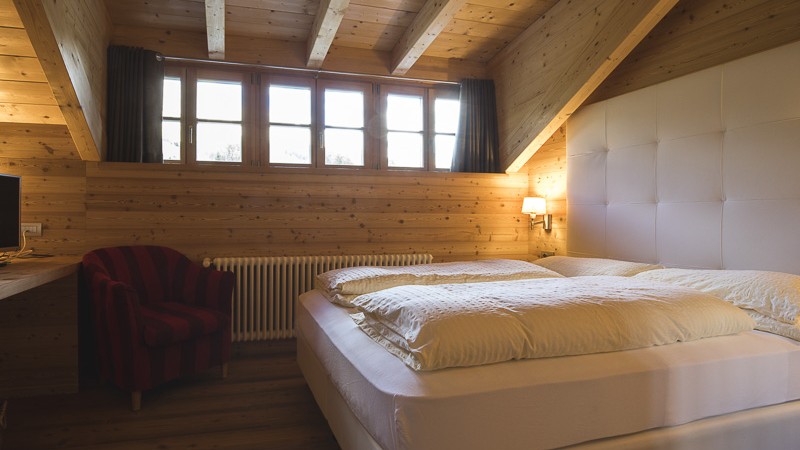
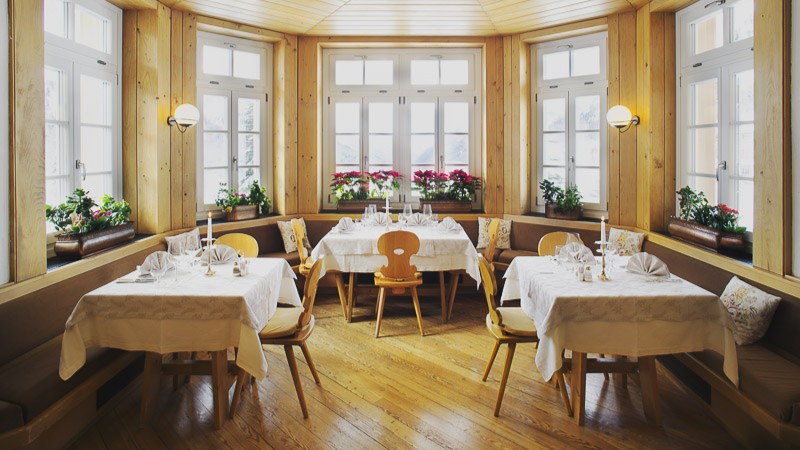
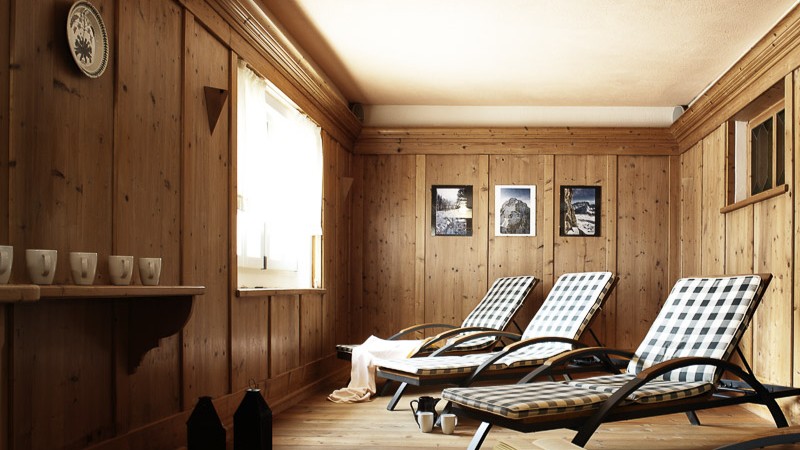
After several nights high in the mountains, Hotel Costabella offers welcome comfort at Passo San Pellegrino. Surrounded by open meadows and broad views, the hotel combines traditional alpine style with the ease of a staffed hotel stay. Rooms are warm and comfortable, perfect for proper rest and recovery. Dinner is served in a relaxed dining room, typically featuring regional Trentino cuisine with multiple courses and a more refined feel than the huts. Breakfast is generous and varied, marking a return to hotel comforts while still firmly rooted in the mountain environment.

Day 7
Passo San Pellegrino to Passo Rolle
15 km, Walking Time 6 hours, Ascent 850m, Descent 700m

Walk overview
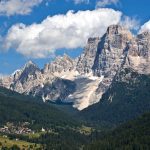
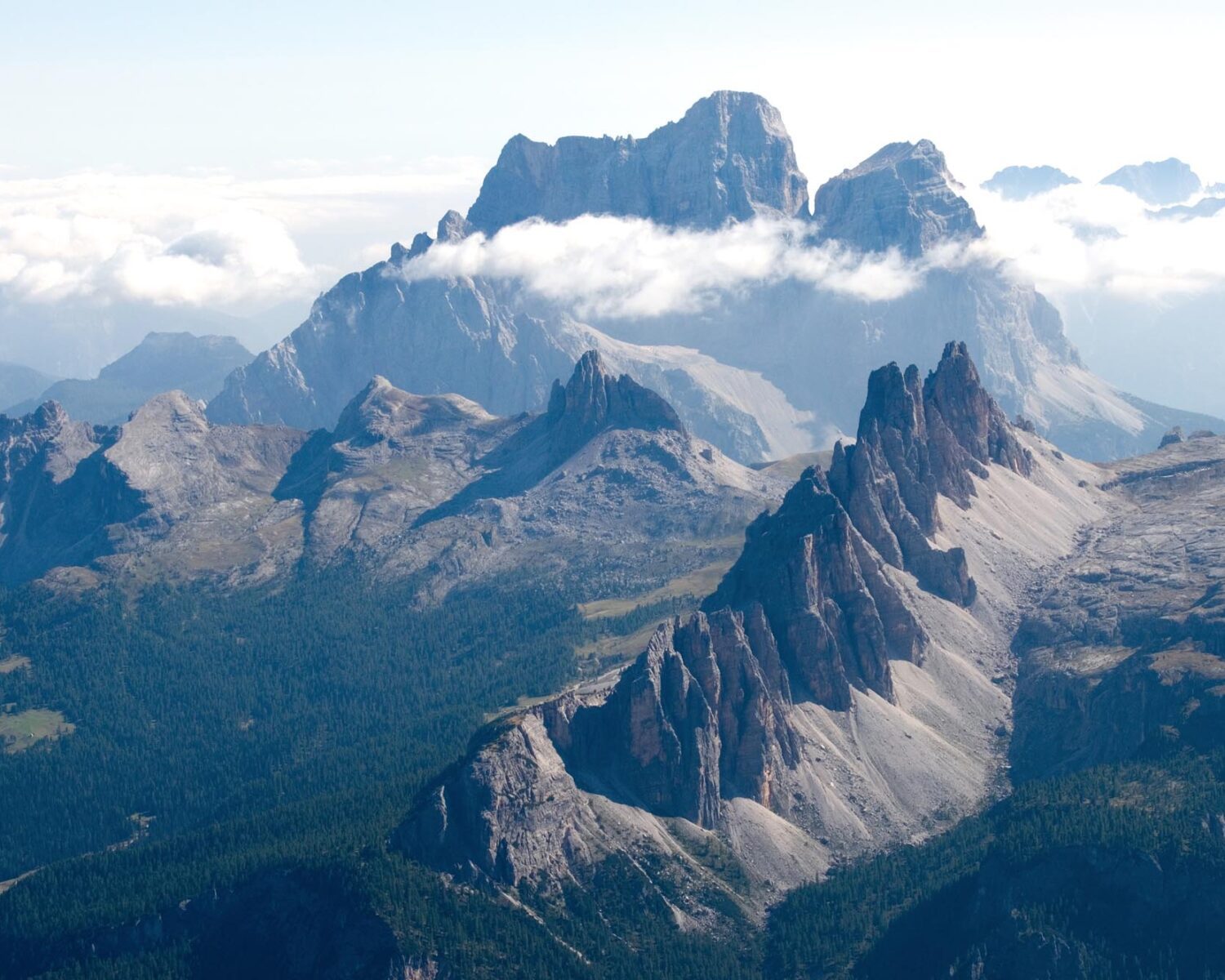
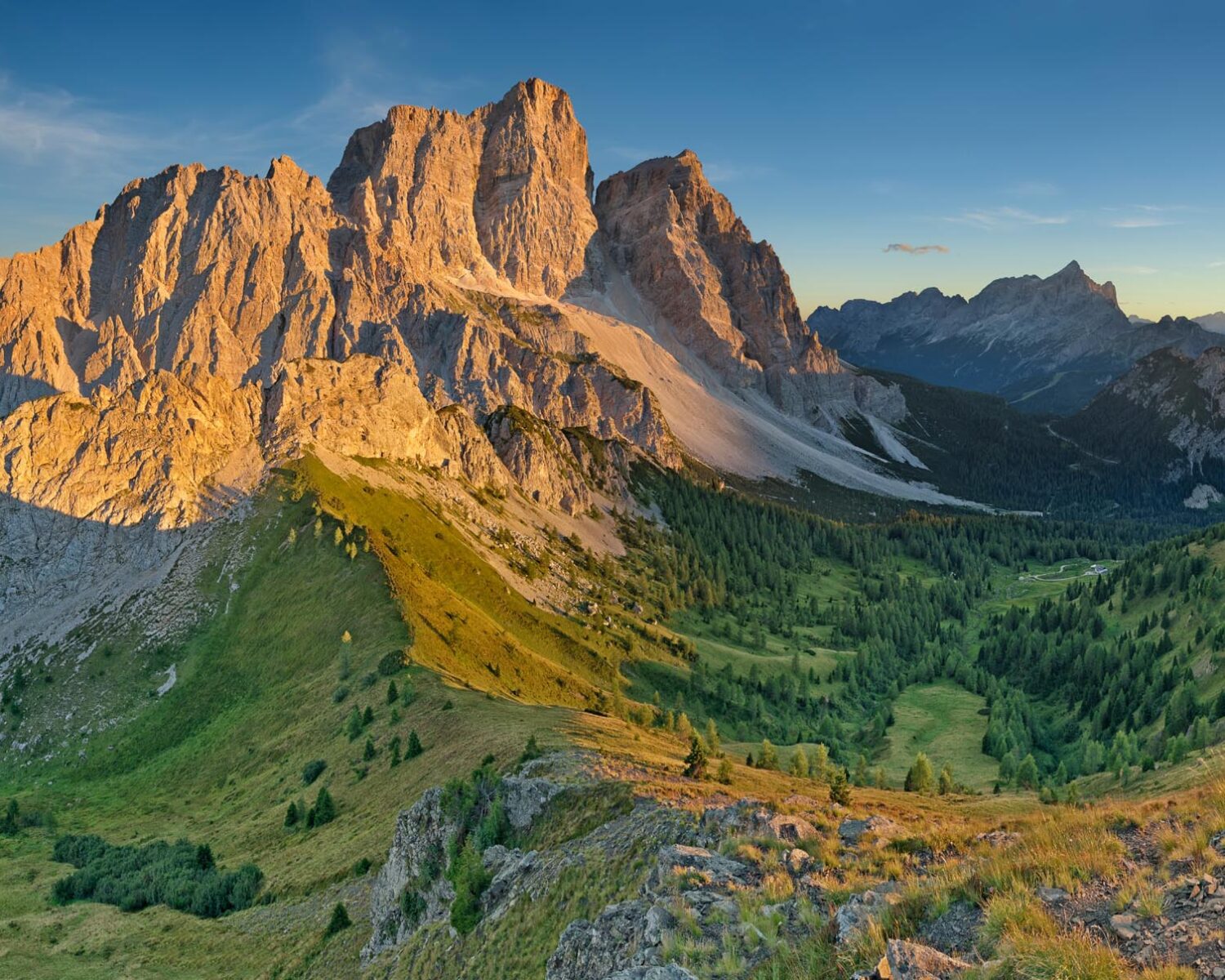
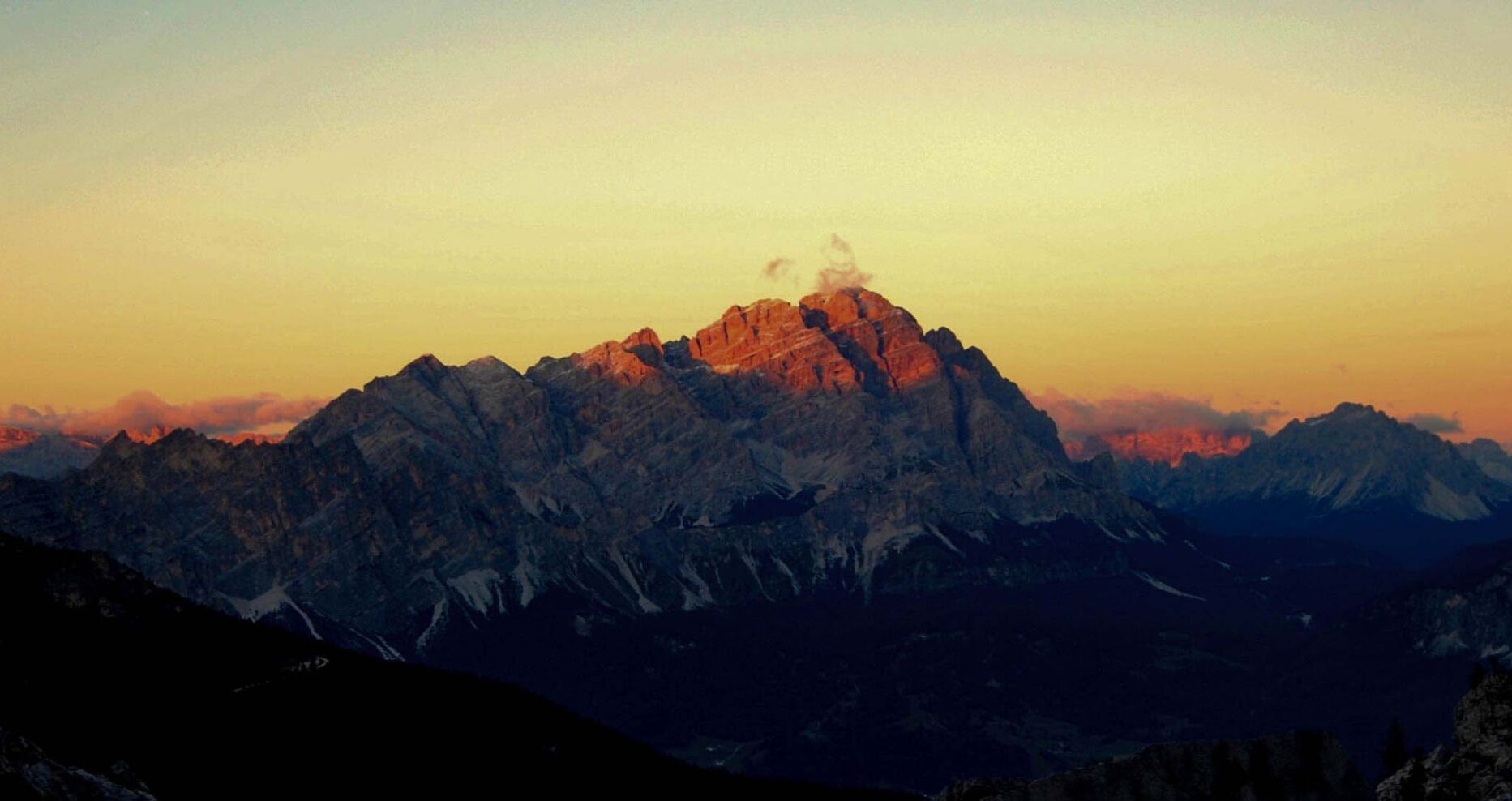
Your final day brings a fitting crescendo as the route enters the vast Pale di San Martino, a colossal massif filling the southern horizon. One of the day’s highlights is the little-known Val Venegia, especially beautiful when afternoon light washes across the north-west faces of the peaks. The walk concludes at Passo Rolle, a sweeping meadowland and natural viewing platform for Cimon della Pala. A private transfer then takes you to your final hotel — journey complete.
3* Hotel, Fiera di Primiero or San Martino di Castrozza (B&B)
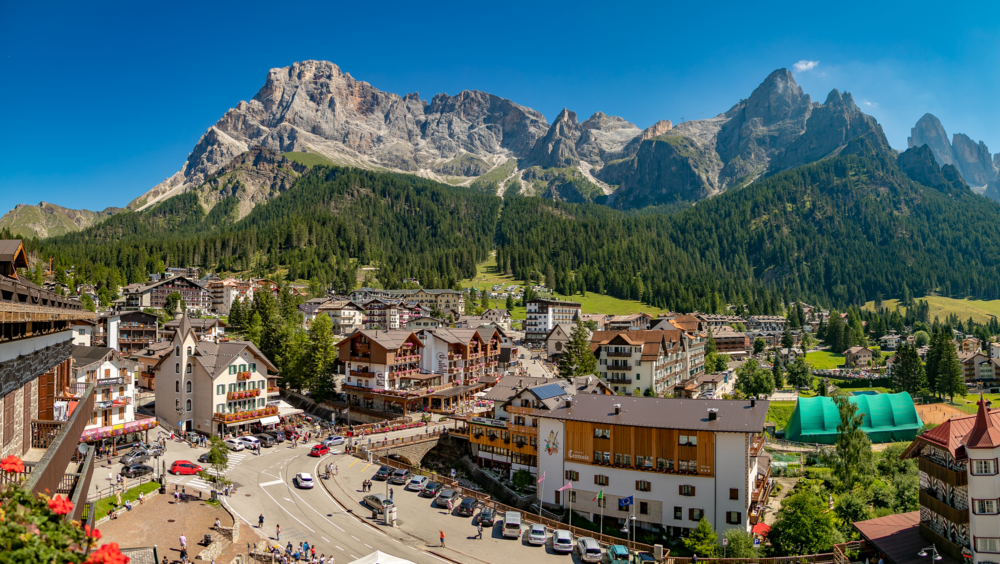
Your final night is spent in either Fiera di Primiero or San Martino di Castrozza, both beautifully set beneath the Pale di San Martino. Hotels are comfortable and centrally located, ideal for a celebratory final evening. After days in the mountains, this feels like a gentle return to civilisation. Breakfast is served in the hotel and provides a relaxed, satisfying close to your Alta Via journey — a chance to reflect on the landscapes crossed and the achievement completed.


Day 8
Depart

Travel overview
Make your way back to Verona Airport by public transport, hire car or you can book a private transfer. Depending on your flight time (or other onward travel arrangements), an early start might be necessary.
Testimonials
Frequently Asked Questions
The Alta Via 2 is a long-distance hiking route through the Dolomites, often called the “High Route of the Dolomites.” Stretching roughly 160 km from Bressanone (Brixen) to Feltre, it traverses some of the region’s most dramatic landscapes, including jagged peaks, alpine meadows, and historic mountain passes. Unlike Alta Via 1, it takes walkers on a slightly higher and more remote route, offering a more rugged and adventurous experience.
Our Alta Via 2 walking holidays is an 8 day walking holiday that starts at the Puez-Odle Group and finishes at the Passo Rolle pass.
The trail is considered moderate to challenging. While no technical climbing is required for most sections, walkers face long days with significant elevation gains, exposed paths, and rocky terrain. Some parts include via ferrata-style sections where basic scrambling skills may be helpful. Overall, a good level of fitness and mountain experience is recommended.
Most walkers complete the Alta Via 2 trail in 10–14 days, depending on pace and the number of rest stops at mountain huts (rifugios). The route’s higher altitude and longer distances make it slightly more demanding than Alta Via 1, so careful planning and pacing are important.
Our Alta Via 2 walking holiday is not the full route, and selects the best parts and condenses it down into an 8 day walking holiday.
The ideal period for walking the Alta Via 2 is from late June to mid-September, when the higher passes are usually clear of snow and the rifugios are open to welcome trekkers. During these months, the Dolomites are at their most accessible, with long daylight hours, mild temperatures, and the dramatic mountain scenery at its peak. Early in the season, walkers may encounter residual snow on the higher trails, while by mid-September the crowds have thinned, giving a quieter and more reflective trekking experience. This window strikes the perfect balance between safety, comfort, and the chance to fully enjoy the breathtaking landscapes that make the Alta Via 2 such a memorable adventure.
Not always. Generally only linen is provided, so pack a compact towel for your showers.
Sockets will be available, but not always near to your bed – especially if in dorms. It’s always a good idea to take a battery pack, and recharge this periodically, rather than leave your phone in communal areas. You’ll also need to remember your plug adaptor.
Our challenging hut-to-hut hikes are designed for experienced and very fit hikers. To enjoy a challenging hut-to-hut holiday, you must be physically prepared for long crossings between huts with continuous and steep ascents of up to 1000m. These routes feature challenging terrain including loose talus, rugged trails, lightly maintained trails, insufficiently marked trails, and sections of secured trail, which by-passes proper via ferrata. Secured trail is typically a trail with fixed metal cable serving to facilitate and make safe any dangerous and exposed section of a normal hiking trail. In normal weather conditions, these trails are not hard, but sections of secured trail require the use of via ferrata gear, and it is a requirement that you bring your own gear with you.
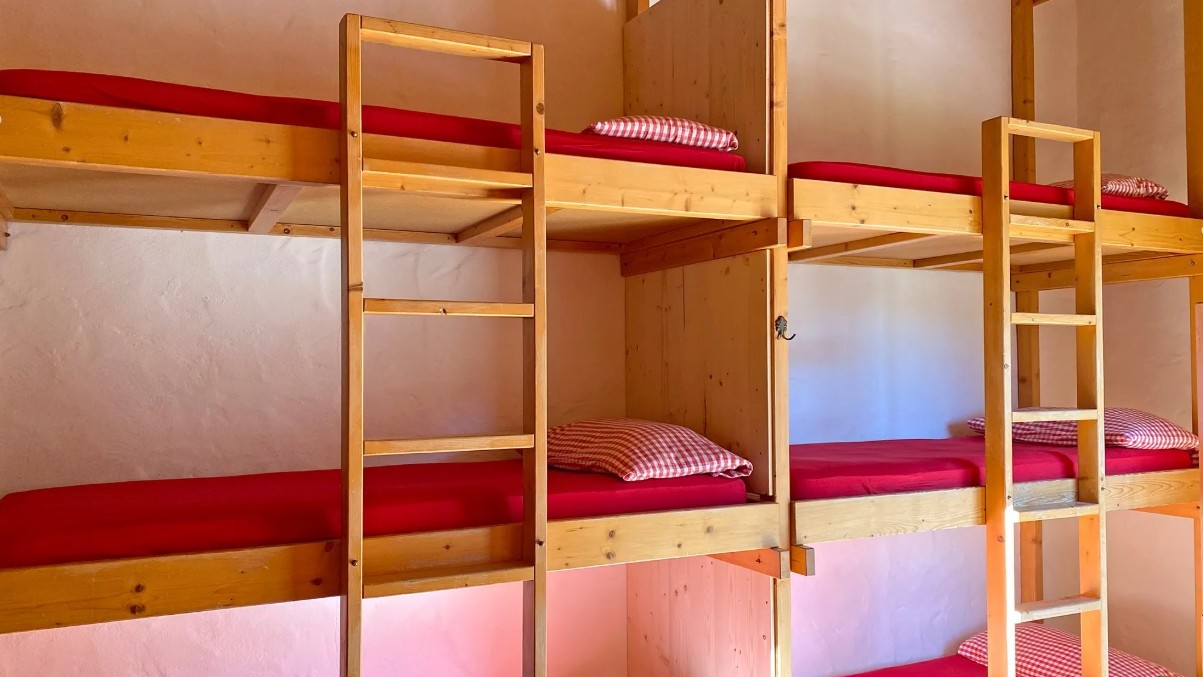
Apart from your first and last nights, accommodation is in traditional mountain lodges, known locally as rifugios. These typically provide beds in shared dormitories or private rooms (private rooms must be booked in advance and cost £20 per person per night extra, subject to availability), along with hot showers, toilets, meals, and drinking water for refilling bottles. Snacks such as sandwiches and chocolate are usually available to buy.
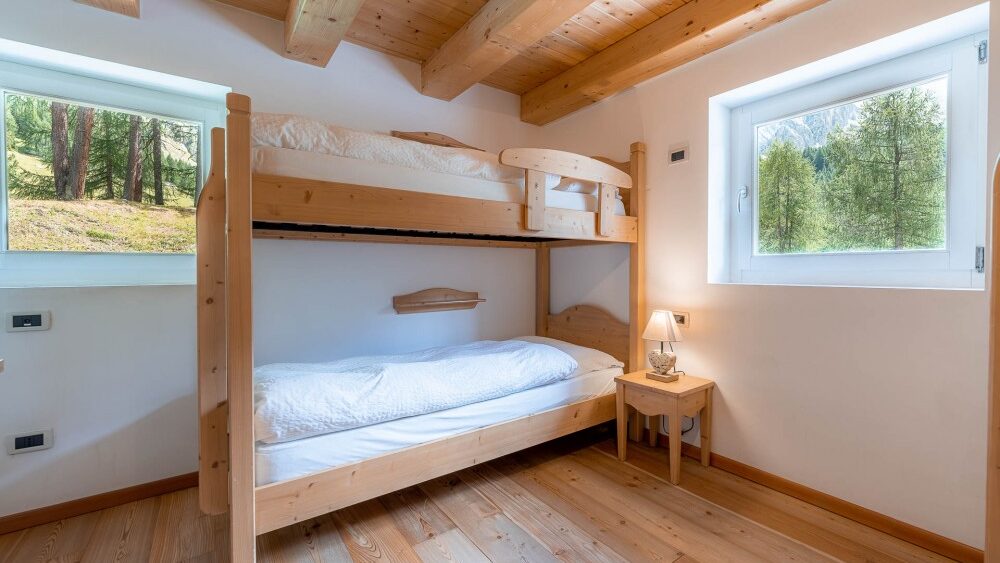
Shared rooms are fitted with bunk beds, mattresses, pillows and blankets, but bed linen is not provided, so a sleeping bag liner (a lightweight cotton liner is sufficient) is required. A full sleeping bag is not normally needed, as blankets are supplied. Guests staying in pre-booked private rooms are often provided with bed linen, meaning a liner may not be necessary — this will be confirmed at the time of booking. You will also need clean indoor footwear for use in the huts, with light sliders being an ideal option.
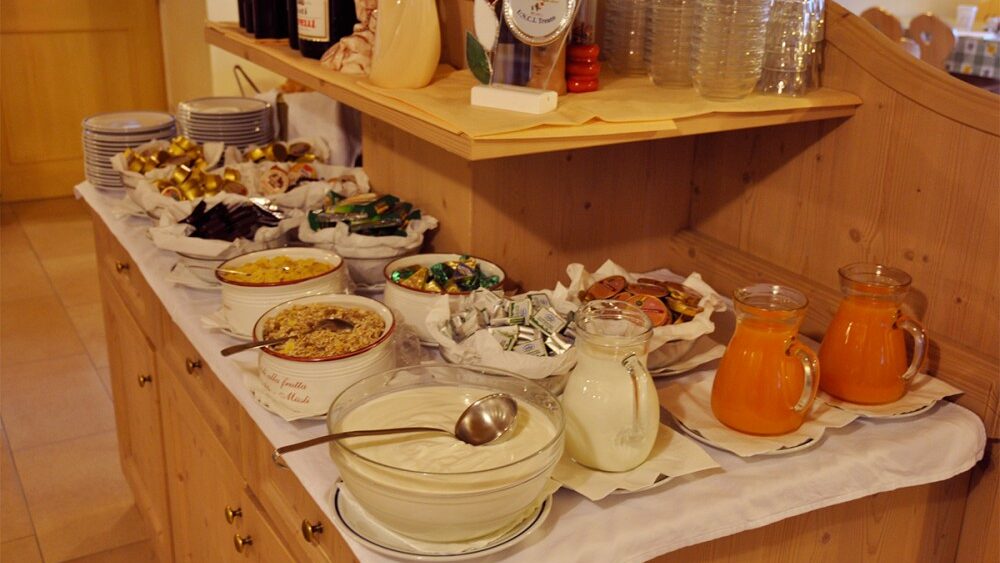
Breakfast and dinner are provided at the mountain huts. Breakfast is usually served between 7:00 and 9:00am and typically includes unlimited tea and coffee, bread with butter, jam, honey and chocolate spread. Some huts also offer extras such as ham, cheese and muesli. Guests are welcome to fill a flask or thermos with hot water or tea at breakfast free of charge — simply ask the hut staff. Dinner is normally served at 7:00 or 7:30pm for all guests and is a hearty, multi-course meal consisting of a starter, a first course (such as pasta, risotto or dumplings), a main course with meat and a side dish, followed by dessert. Drinks at dinner, including water, wine, beer, tea and coffee, are not included and should be ordered and paid for separately.
Lunch can often be taken at mountain huts along the route, although this is not guaranteed every day. When this isn’t possible, we recommend purchasing light snacks such as sandwiches, yoghurt, chocolate and water from the hut where you stayed the night before. Lunch dishes in mountain huts are similar to evening meals, with typical hot options like pasta or risotto costing around €10–14.
You are responsible for wearing suitable outdoor clothing and following good mountain practice and safety procedures at all times. When planning your day, it’s important to be realistic about route timings, taking into account your fitness, experience and ability. These self-guided hut-to-hut walking holidays are designed so that no specialist skills or equipment are required, unless clearly stated in the itinerary. Routes generally follow well-maintained, waymarked trails, and any exposed sections are secured on the self-guided routes, making them safe provided basic mountain safety guidelines are followed.
The Dolomites tend to experience their most stable weather from July to mid/late September, with generally warmer temperatures and lower rainfall, although afternoon or early evening thunderstorms can occur on hotter days. Conditions in June are often good but less predictable, and lingering winter snow can affect higher routes and passes, meaning itineraries may need adjusting depending on snow conditions. Late September can bring excellent weather, but it is typically more changeable, with increased rainfall and cooler temperatures; snowfall above 2,000m is not uncommon at this time.
Most walking routes in the Dolomites are above 2,000m, where temperatures are rarely hot. On sunny August days, temperatures may rise above 20°C during the warmest part of the day, creating comfortable hiking conditions, while cooler, overcast days can see temperatures closer to 10°C. Nights and early mornings are always chilly at altitude. Thunderstorms, sometimes accompanied by hail, are a feature of some days in July and August. In contrast, valley areas at 1,000–1,500m can reach 30°C, though mornings and evenings remain fresh and nights are generally comfortable, even during the hottest periods.
Why book with Collett’s?
-
Unforgettable walks
-
With you every step
-
Handpicked hotels with warm hospitality
-
Mountain holiday specialists since 1997
Need to Knows
Via Ferrata Kit – for safety reasons, this route requires that you carry (and know how to use) a harness, via ferrata kit (two connected energy-absorbing lanyards with two carabiners) and a helmet. This is because sections of the route require this equipment for safe passage.
Trusted Local Partner – Please note that this holiday has been organised by us in association with a trusted local partner.
Booking Conditions – Please read our full terms and conditions here before booking.
Travel Insurance – Having adequate and valid travel insurance is a condition of booking with us. Details of our insurance partner, Campbell Irvine, are here, should you wish to get a quote.
ETIAS & EES – The European Travel Information and Authorisation System is not due to be introduced until late-2026. Currently there is not an exact date as to when it will come into force. This means you do not need to have a ETIAS for travel to Europe at the moment. The Entry / Exit System started to be operational in October 2025, and be fully implemented in April 2026. For more information read our blog article here.
ABTA – Independent travel advice and help is always available from ABTA by calling 020 3117 0599 or visiting www.abta.com.
Travel Advice – Check your government’s travel advisory for up-to-date information and advice about your destination. For UK citizens, check the latest Foreign, Commonwealth & Development Office advice here.
Health Information – You should carry either an European Health Insurance Card (EHIC) or a Global Health Insurance Card (GHIC) Neither is an alternative to adequate travel insurance. For more information visit https://www.gov.uk/foreign-travel-advice and https://travelhealthpro.org.uk/