The magical alpine flowers of the Picos
Stunning flora and fauna
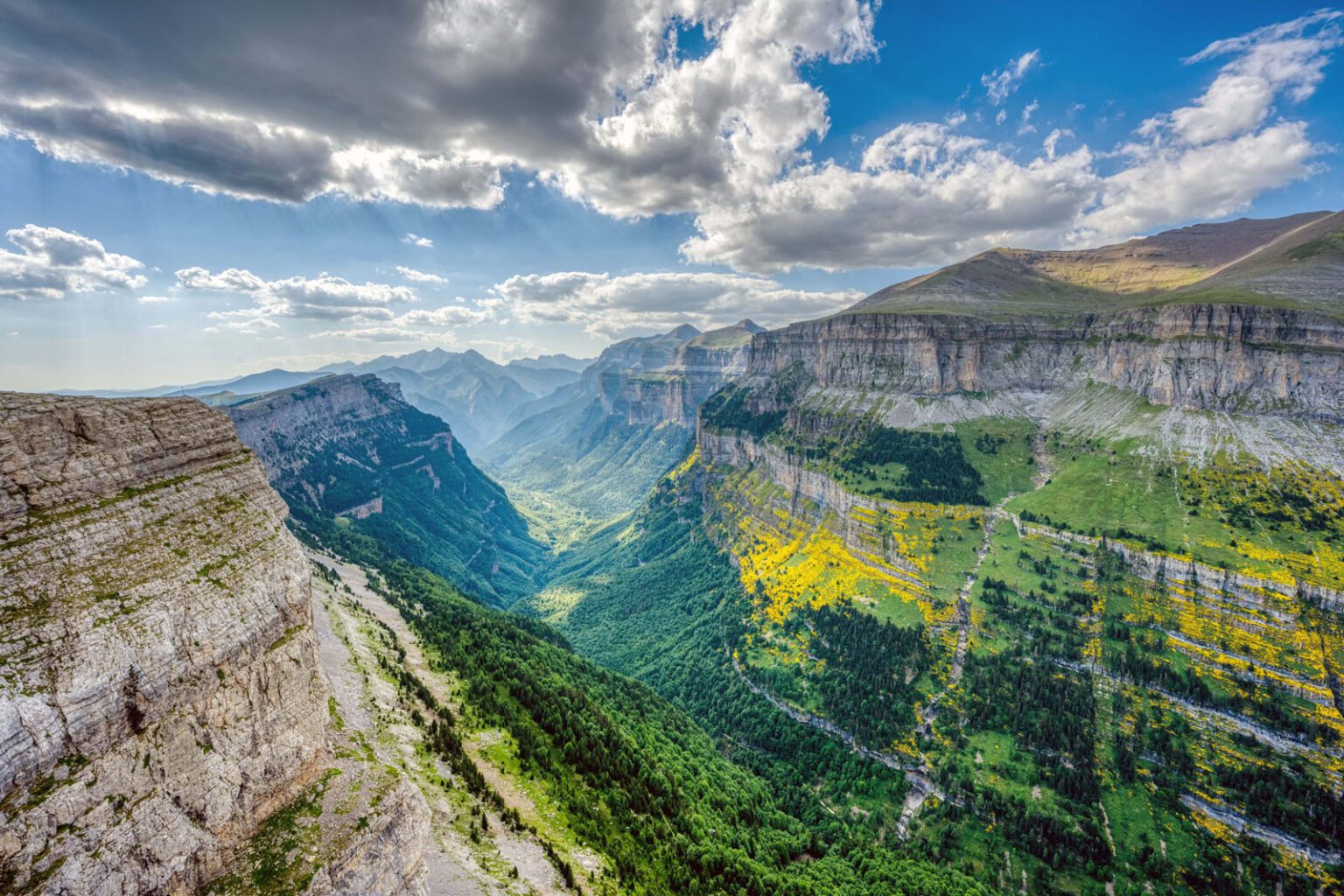
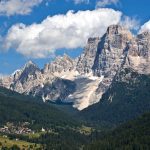
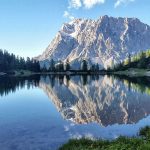
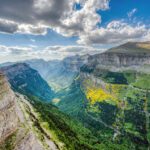
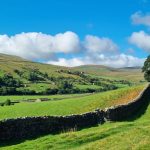
The Picos de Europa National Park represents an easy and rewarding introduction to alpine flora. There is a real magic about these mountains. Is it the scenery with its contrasts between lush lowland meadows and fast flowing streams under spectacular limestone mountains? Or is it the winding country roads affording numerous opportunities to explore perhaps the most beautiful and floriferous landscapes in the world? Could it be the everwelcoming people? Or the food? Whatever it is, when the snow melts, and the first spring flowers burst forth, the real magic of the Picos de Europa emerges for all to see.
The early blooms of Narcissus asturiensis, perfectly formed daffodils yet less than three inches high, give way to gentians, orchids, androsace and a whole host of blues, whites, yellows and pinks with every shade in between throughout a long season.
In short, the Picos invites visitors of all abilities to experience the joy of alpine flowers, from the valleys of the Liébana to the extraordinary landscape of sheer limestone cliffs that awaits you at the viewing platform at the top of the exhilarating 800m cable car at Fuente De. The joy of seeing alpine flowers in their perfect setting never fails. And that’s the real magic.
The flora of the Picos
Due to the diverse habitats within the Picos de Europa, a wide range of flora flourish with over 1400 species in the national park alone. The deciduous woodland and meadows at lower level are home to species such as white asphodel, semi-parasitic yellow rattle, heartflowered serapias, tassel hyacinths, early purple orchids, fragrant orchids – there are more than 40 orchid species in the national park! – masterwort and lungwort, to name but a few.
Higher up, nestled between the limestone, summer grazing pastures become a floral paradise – tall purple spikes of monkshood aconites, the Merendera montana lily, gentians, carpets of wild narcissus, snakeshead fritillary, burnt orchids, black vanilla orchids, and common spotted orchids, all making their homes here. Under ancient oak, lime, chestnut, walnut, hazel and elm trees, grow species such as wood anemone, wood sorrel, stinking and green hellebores, dog violets, primroses, and martagon lilies.
Above the tree-line, small rock gardens play host to hardy species like bellflowers, ferns, stonecrops, saxifrages, sedges and toadflaxes.
Birds, Butterflies & Wildlife
From river-valleys at almost sea-level to alpine habitats in the high mountains, the Picos de Europa are home to a wealth of animal-life. The graceful and agile ‘rebeco’ (or chamois) are often seen on higher slopes. Roe deer dart through the woodlands, where you might also see red squirrels. The marten, wild cat, stoat, otter, fox, badger, polecat and weasel will be seen by the more alert amongst you. Evidence of wild boars is common but sightings are very rare – but not as rare, however, as sightings of the Cantabrian brown bear!
Golden eagles are regular visitors to the skies but it is more common to see the Egyptian and Griffon vultures riding the mid-day thermals. The crimson winged wallcreeper remains elusive but you might see one on the remoter rock-faces of the national park. Of course, the ubiquitous alpine choughs will loiter cheekily at mountain refuges or known picnic spots. Also making an appearance during your stay will hopefully be the black woodpecker, middle spotted woodpecker, treecreeper, snow finch, alpine accentor, eagle owl and peregrine. Butterflies abound here, particularly in the lower wildflower meadows. Some are endangered, such as the marsh fritillary, but others thrive and bring great pleasure to low and medium level walkers.
You may also be interested in our wildflower walks in the Italian Dolomites and the flora & fauna in the Pyrenees.
At your own risk
You join our organised itineraries and make use of our ideas & information at your own risk. It is important that you understand that whilst our own walkers have substantial local knowledge and are familiar with the routes which our organised walks follow, they are not qualified mountain guides.